REVIEW · UDAWALAWA NATIONAL PARK
Udawalawa National Park: Private Safari
Book on GetYourGuide →Operated by Lakpura® · Bookable on GetYourGuide
Udawalawa National Park is one of those places where the wild feels real fast. In just 3 hours on safari, you’re rolling through an area known for Sri Lankan elephants plus a strong mix of other animals and birds, guided by someone who actually spots things. I love how the best guides focus on staying respectful and reading the forest, and I love the bird-and-small-creature attention you often don’t get on quick safaris.
One thing to plan around: the big “extras” are separate. Park entrance tickets aren’t included, and there’s no breakfast or lunch, so you’ll want to sort food and budget for entry fees.
In This Review
- Key things I’d book this for
- Udawalawa National Park: why this safari usually feels different
- The 4×4 jeep and the 3-hour timing that keeps it fun
- The elephant hunt: how the guide helps you actually see
- Other wildlife you should expect beyond elephants
- Bird-watching payoff: fowl, pigeons, and raptors
- What each part of the ride feels like (and what to watch for)
- Price and value: is $25 a fair deal for 3 hours?
- Comfort, rules, and what to pack for Udawalawa sun
- A quick word on guide styles: why it changes the whole day
- Should you book Udawalawa National Park: Private Safari?
- FAQ
- How long is the Udawalawa National Park private safari?
- Is this safari private, and how many people fit in the jeep?
- Does the tour include pickup and drop-off?
- Are national park entrance tickets included?
- What language is the host/guide available in?
- What should I bring, and what’s not allowed during the safari?
Key things I’d book this for
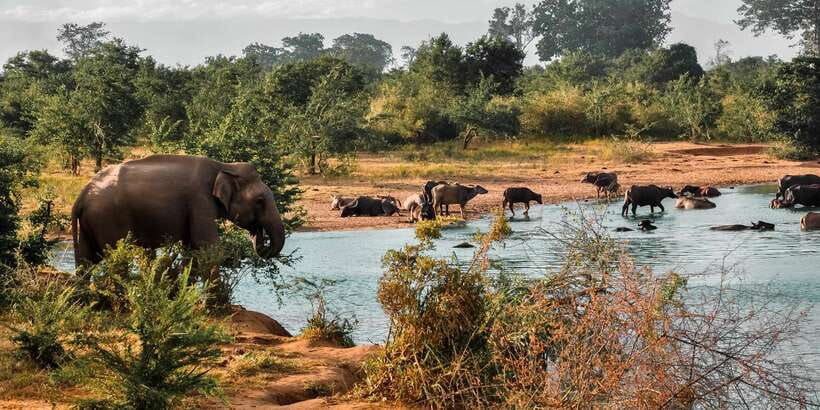
- Elephant herds in a calmer-feeling safari setup thanks to small private jeeps (max 6 passengers)
- Spotting talent from guides and trackers with sharp eyes, including birds and small wildlife
- A bird-friendly safari rhythm that includes looks for species like Sri Lankan Jungle Fowl and Green Pigeon
- Respect-first guiding, with drivers who try to avoid crowding other vehicles
- A practical, do-it-and-go experience: 3 hours of wildlife viewing from a 4×4 jeep
Udawalawa National Park: why this safari usually feels different
Udawalawa is famous for elephants, but what makes this safari worth your time is the mix of scale and focus. This park covers 30,821 hectares, and that size matters because you’re not just scanning one tight viewing zone. You’re driving and watching long enough to catch animals moving, not only posing.
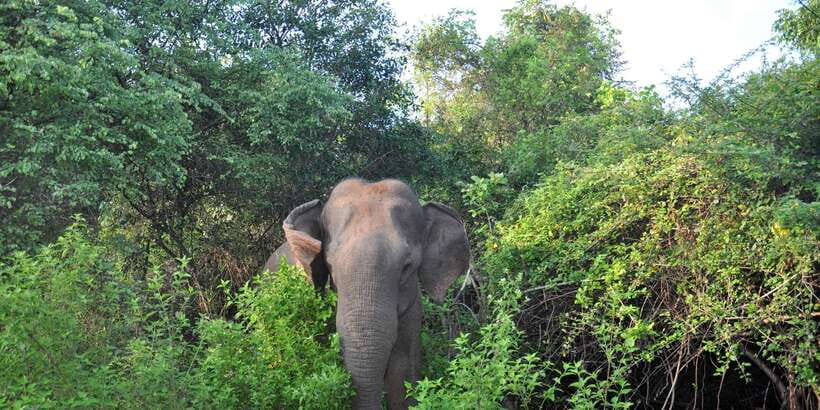
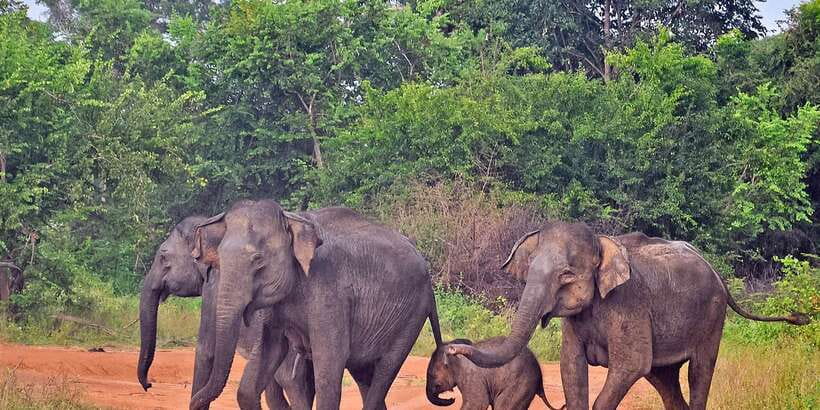
Elephants are the headline, of course. You should expect to see huge herds and also the occasional bull—big energy, big presence. But the safari isn’t only about elephant spotting. Your guide will keep watch for other mammals like water buffalo, wild boar, spotted deer, and jackal, and the birds can be surprisingly rewarding if you like feathered distractions.
Also, the best part is how guides work. In this safari setup, you can end up with guides like Ashan or Asanka who pay attention to what you ask for. One review-style example that matches how the experience is described: they’ll listen when you want to see animals but not get too close, and they’ll steer the ride that way.
You can also read our reviews of more tours and experiences in Udawalawa National Park.
The 4×4 jeep and the 3-hour timing that keeps it fun
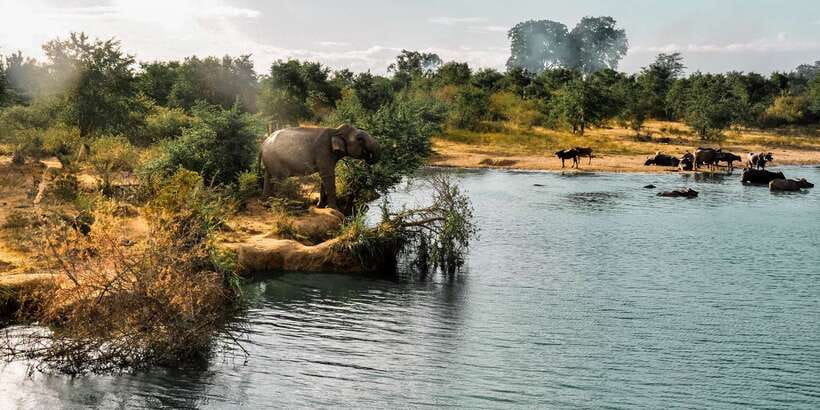
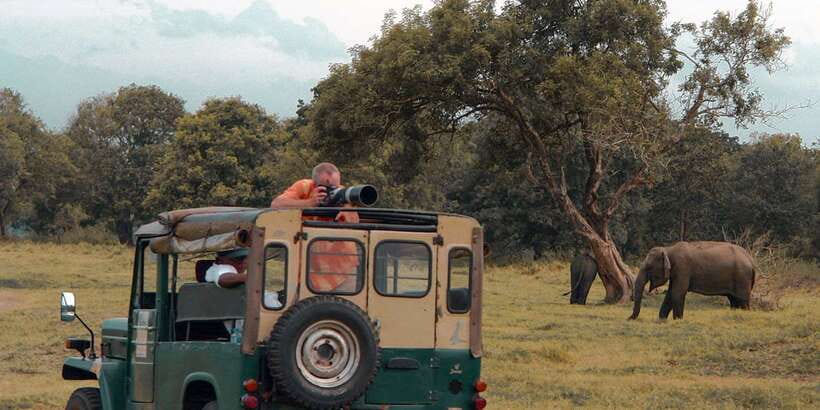
This is built around 3 hours of wildlife viewing in a 4×4 safari jeep. With a maximum of 6 passengers per jeep, you’re not crammed like a bus tour. That small group size helps in two ways: you can hear your guide’s calls and you can pivot your focus quickly when something appears.
Three hours also hits a sweet spot. Long enough to spot more than one “moment,” short enough that you don’t feel trapped in the heat. Udawalawa can be sunny, and you’ll be outside, watching. Plan for warm conditions even when the morning feels pleasant.
A practical note: you’ll typically start at a pickup point that depends on your option, and you’ll have two drop-off locations afterward (Udawalawa National Park and Udawalawa). If you’re connecting this safari to the rest of your day, treat it like a half-day commitment, not a full day excursion.
The elephant hunt: how the guide helps you actually see
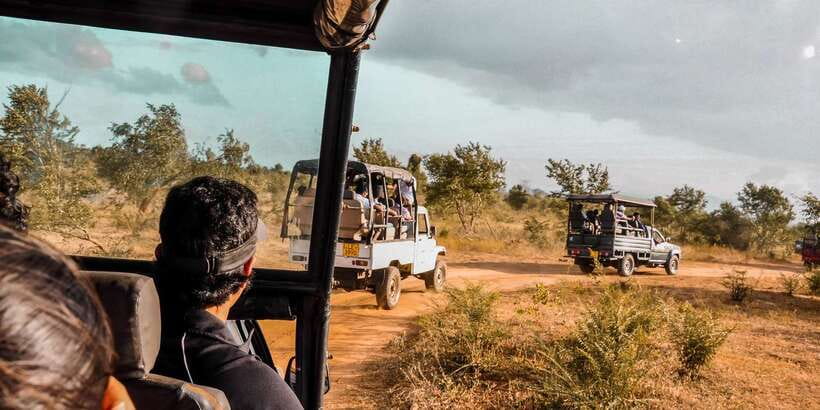
Elephants are not always right in front of you. If you come hoping for guaranteed close-up drama, you’ll be disappointed. What’s realistic here is smarter searching with a driver and tracker working together.
Here’s what I like about this safari model: you’re not just bouncing around. Guides are described as having strong “spotter” ability—eyes for movement, patterns, and small tells. That shows up in the kinds of sightings people report: multiple elephant families, bulls, and enough variety that you don’t feel like you’re watching the same scene repeated.
The best guides also use a respect-first approach. Several accounts highlight guides who kept distance from elephants and didn’t push for closeness. That approach matters because elephants react to pressure. When you’re not trying to force proximity, you often get better behavior—watching calmly, letting the animals decide the pace.
If birding is your thing, the guide’s elephant skills matter too. Animals and birds often share the same zones—water edges, open patches, and areas with insects. When the guide reads the land well, you’re not choosing between elephants and birds. You’re getting both.
Other wildlife you should expect beyond elephants
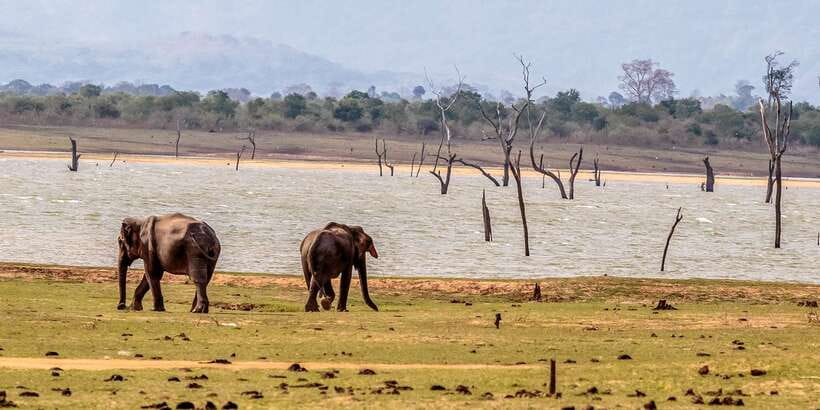
Udawalawa’s draw is elephants, but your guide will keep watch for a wider set of animals. Based on what’s provided, you should expect chances for:
- Water buffalo: often seen near quieter areas and water-adjacent zones
- Wild boar: best spotted when the jeep slows and the guide scans carefully
- Spotted deer: usually found with steady, patient searching rather than fast driving
- Jackal: can show up as a sudden silhouette or quick movement
- Crocodiles: you may spot them if the route lines up with appropriate waterways
You also might find smaller action: in some reported safaris, guides pointed out lizards, chameleons, and other small wildlife. That’s not just “bonus.” It changes the whole feel of the trip. A good guide turns the safari into a moving nature lesson, not only a tick-box list.
Bird-watching payoff: fowl, pigeons, and raptors
If you like birds, this is one of the reasons to choose Udawalawa. The park is described as a strong place for both endemic and migrated birds, and your guide may actively help you track them.
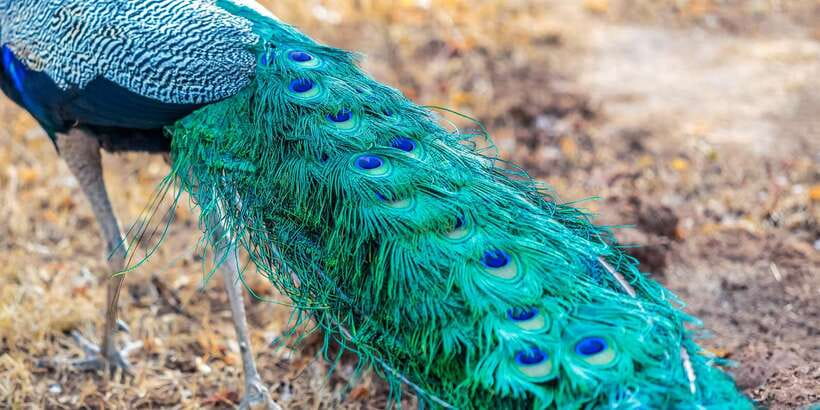
Among the birds you might see: Sri Lankan Jungle Fowl, Spur Fowl, and Green Pigeon. Those names matter because they’re not the generic ones you’ll see everywhere. Your guide can also point out larger, easier-to-notice birds like kingfishers and eagles, plus showy birds such as peacocks.
What makes the birding feel rewarding is the guide behavior. In reported experiences, guides take time to show you small birds and creatures instead of treating sightings as quick camera stops. One example style of approach: taking the extra minute to let you see the details, then deciding together when you’re ready to move on.
What each part of the ride feels like (and what to watch for)
Pickup and start: Your pickup is included if you’re within a 5 km radius of the Park Gate. The exact pickup location depends on your option, so it’s worth double-checking your start point before you go. If you’re staying a bit farther away, plan for a bit of extra travel time to the gate area.
Time in the park (main event): This is where the wildlife viewing happens. You’ll spend the full 3 hours here, and the guide’s job is to keep you in the right places for the animals you want to see. The ride works best when you’re patient and ready to stop and scan. When you see something, keep your posture calm and your head steady—wildlife shows up in quick flashes.
Drop-off afterward: You’ll have two drop-off options after the safari, including Udawalawa and the Park area. If you’re heading to another activity, give yourself a buffer. You’ll be outside and you’ll want a moment to cool down.
Price and value: is $25 a fair deal for 3 hours?
At $25 per person for a private safari experience, this is one of those prices that looks simple until you look closer. Here’s the value math:
- You’re getting a 4×4 jeep with maximum 6 passengers, plus an experienced driver and tracker.
- Water is included.
- There’s also free pickup/drop within 5 km of the Park Gate, which can remove a chunk of hassle.
The two costs that can shift your final total are:
1) Park entrance tickets, which are not included
2) Food, since there’s no breakfast, lunch, or dinner
So is it worth it? Usually, yes, if you care about seeing more than one type of animal and you value guide-driven spotting. The small-jeep format and the focus on animals and birds are the main reasons this feels like real value instead of just a ride.
If your goal is strictly a quick elephant photo and you don’t care about birds or smaller wildlife, you might feel shortchanged. But if you enjoy the full nature picture—elephants plus birds plus the tiny stuff—this is a strong deal.
Comfort, rules, and what to pack for Udawalawa sun
You’ll be in open air for part of the ride, watching and waiting. That means comfort matters.
Bring:
- Sunglasses
- Sun hat
- Sunscreen
You can also plan for dust and sun glare. Even when conditions are calm, the jeep ride and scanning take their toll. If you’re sensitive to heat, use sunscreen generously before you leave, not halfway through.
Rules to know:
- No smoking
- No drones
- No alcohol and drugs
These are basic safari ethics—and they help the animals and the people around you. Keep it clean and calm so you can actually enjoy the sightings.
A quick word on guide styles: why it changes the whole day
The elephant part gets the headlines, but the guide style is what makes or breaks the experience.
In reported experiences, guides like Asanka are praised for having an incredible eye for wildlife and birds, plus a calm, careful driving approach. Other examples include Darmasiri, described as experienced and kind, and Ruwan, who met people on time even with rain and still delivered a solid animal-and-bird day.
There’s also a theme you should care about: guides who try to reduce crowd pressure. Some reported safaris mention staying mostly away from other jeeps, which can improve both viewing and your comfort. You’ll still share the park with others, but a guide who manages space well can make your safari feel less stressful.
If you want, ask your guide early what you’re most interested in—elephants, birds, or a balance. If you prefer not getting too close, say so. A good guide will adjust the pace around your comfort.
Should you book Udawalawa National Park: Private Safari?
I’d book this if:
- You want real elephant viewing but also care about birds and other wildlife
- You prefer a small private jeep instead of a packed group
- You like safaris where the guide helps you spot animals and points out what you’re seeing, not just where to sit
I might skip it if:
- Your schedule allows only a very short stop and you’d rather do a different park with a stronger guaranteed density (Udawalawa’s strength is variety and elephant herds, but sightings always depend on conditions)
- You’re not interested in birds at all and want only the simplest, quickest elephant encounter
If you do book, come prepared with sun protection, accept that entrance tickets and meals are extra, and treat the safari like a patient game of eyes and timing. With the right guide energy, those 3 hours can feel like a full slice of Sri Lankan wilderness.
FAQ
How long is the Udawalawa National Park private safari?
The safari lasts 3 hours in the national park for wildlife viewing. Check availability for starting times.
Is this safari private, and how many people fit in the jeep?
Yes, it’s a private group experience. The safari jeep has a maximum of 6 passengers.
Does the tour include pickup and drop-off?
Yes. There is free pickup and drop-off to locations within a 5 km radius from the Park Gate.
Are national park entrance tickets included?
No. Entrance tickets to the National Park are not included.
What language is the host/guide available in?
The host/greeter and safari support are listed as English.
What should I bring, and what’s not allowed during the safari?
Bring sunglasses, a sun hat, and sunscreen. Smoking, drones, and alcohol and drugs are not allowed.