REVIEW · UDAWALAWA
Udawalawe: National park safari & Elephant Transit Home Tour
Book on GetYourGuide →Operated by Udawalawe Wild Safari Tours · Bookable on GetYourGuide
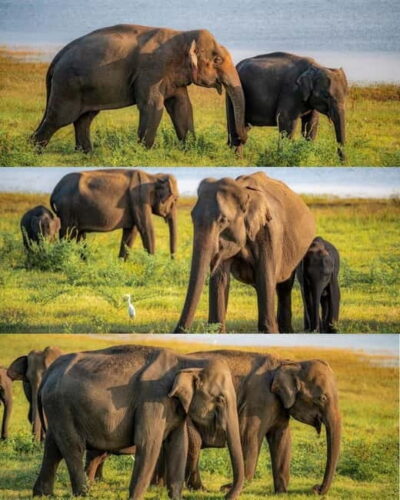
Elephants move through your day in Udawalawe. This tour pairs a 4×4 national park safari with a visit to the Elephant Transit Home for elephant-focused viewing and photo time.
I love the private jeep setup (max 6 people), because it keeps sighting time efficient and gives you room to shift position. I also like the guide format: a driver-guide with around 10 years of experience, with Gimhana standing out for calm, careful spotting and answering your questions. One possible drawback: the big must-dos (Udawalawe park entry and the Elephant Transit Home entrance) cost extra on the day, and the tour isn’t suitable for people with mobility impairments.
In This Review
- Key things I’d bookmark before you go
- Udawalawe’s elephant focus, and why the Transit Home matters
- 4×4 safari logistics: how the hours actually work
- Your guide in the driver’s seat: what makes this safari feel different
- In the park: where you’ll look for elephants, birds, and crocodiles
- Early vs afternoon timing (and why it affects the feel)
- Elephant Transit Home: your closer look after the safari
- Price and value: what $29 really buys you
- Who should book this safari (and who should think twice)
- Practical tips to get more out of your safari day
- Should you book Udawalawe safari with Elephant Transit Home?
- FAQ
- How long is the Udawalawe national park safari portion?
- What’s included in the price?
- Are Udawalawe National Park entry fees included?
- Is the Elephant Transit Home entrance fee included?
- Where do you get picked up?
- What language is the tour guide?
- How many passengers are in each jeep?
- Are drones allowed?
- Is the tour suitable for people with mobility impairments?
- What’s the cancellation policy?
Key things I’d bookmark before you go
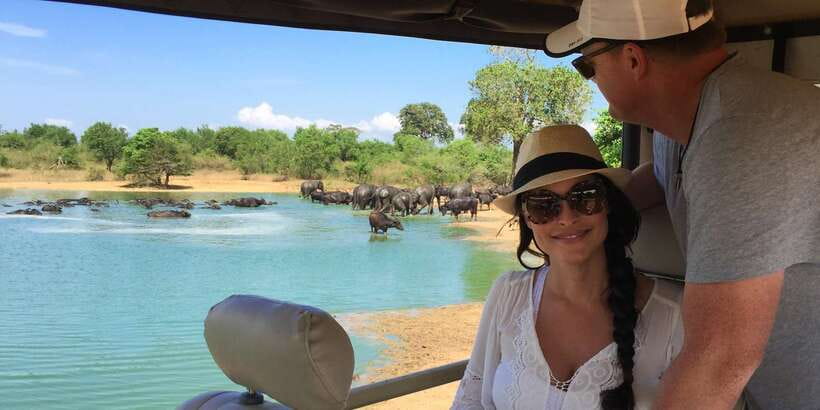
- 4×4 private jeep (max 6) makes it easier to get the best viewing angle without crowd chaos
- Gimhana-led, English-guided safari with lots of time for watching and photos, not just racing to the next stop
- Elephant Transit Home drop-off for a closer look after the safari drive
- Lots of wildlife variety beyond elephants: deer, crocodiles, jackals, lizards, and more
- Endemic bird chances such as Sri Lankan Jungle Fowl and Sri Lankan Spurfowl
- Morning departures can be a smart move when offered (a 6am start is popular when you want cooler conditions)
Udawalawe’s elephant focus, and why the Transit Home matters
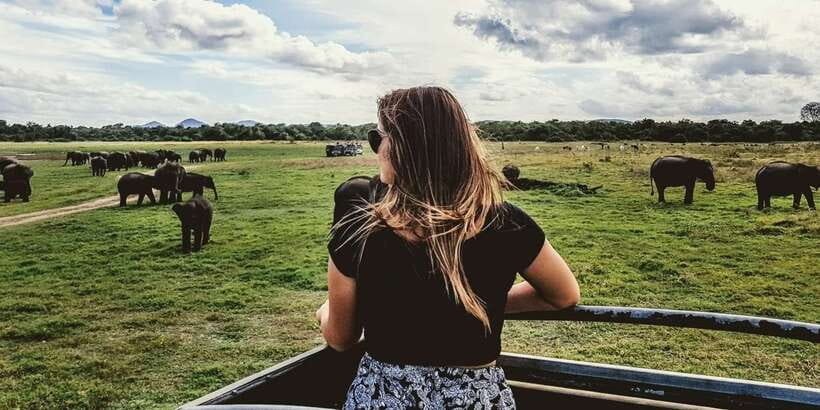
Udawalawe National Park sits on the boundary between Sabaragamuwa and Uva Provinces, and it was created in 1972 to protect the catchment area of the Udawalawe Reservoir. Translation: the park holds water and food, and that’s why wildlife stays active here.
This experience is interesting because it doesn’t treat elephants like a bonus. You start with a safari designed for sightings, and you finish at the Elephant Transit Home for a closer look at elephants right after you’ve been scanning the park. In practice, that sequencing matters: when you leave the jeep and go to the home, you’re already “trained” to notice body language, behavior, and family groups.
Also, Udawalawe is not just one animal, one moment. You’re in grasslands, forests, and wetlands during the safari drive, which is exactly how you catch variety across different habitats in the same day.
You can also read our reviews of more tours and experiences in Udawalawa.
4×4 safari logistics: how the hours actually work
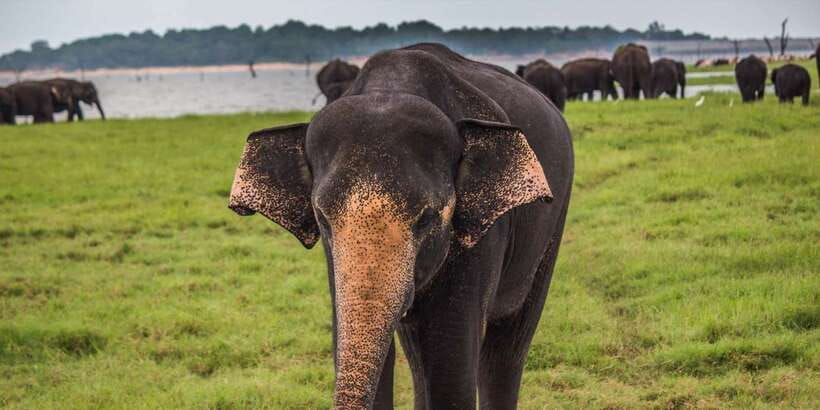
The tour is sold in a few different time blocks, typically 4 hours up to 10 hours, depending on the departure you choose and what’s available. For most people, the sweet spot is the middle: long enough to move around the park for different sightings, not so long that you feel like you’re stuck in the jeep.
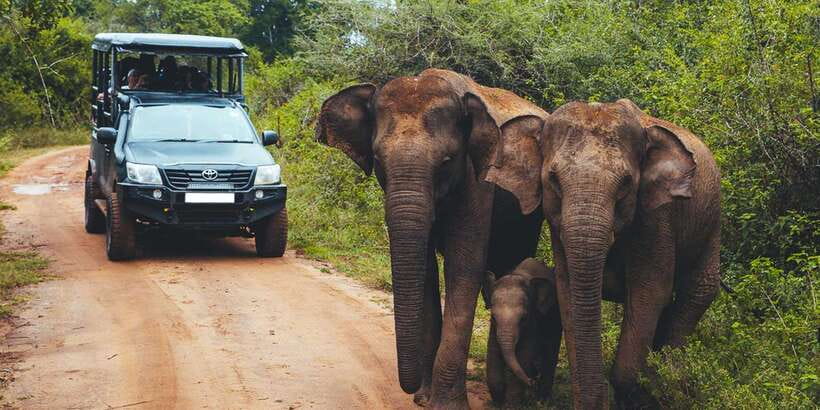
What makes the logistics feel manageable is the vehicle format. You get a private safari jeep with transportation included, and the jeep is limited to up to 6 passengers. Fewer people means easier communication, less jockeying for camera angles, and fewer bodies blocking each other’s view when something important pops up.
You’ll also have a clear start point. Pickup is available in the Udawalawe area or at the national park entrance. If you’re staying elsewhere, pickup may be possible for an additional charge, so it’s worth checking before you rely on a same-day pickup.
Duration details to keep in mind:
- Short options are great if you’re optimizing time and already have a base plan in the area.
- Longer options give more chances for elephant families, plus the chance to slow down for birds and reptiles when the light is right.
Your guide in the driver’s seat: what makes this safari feel different
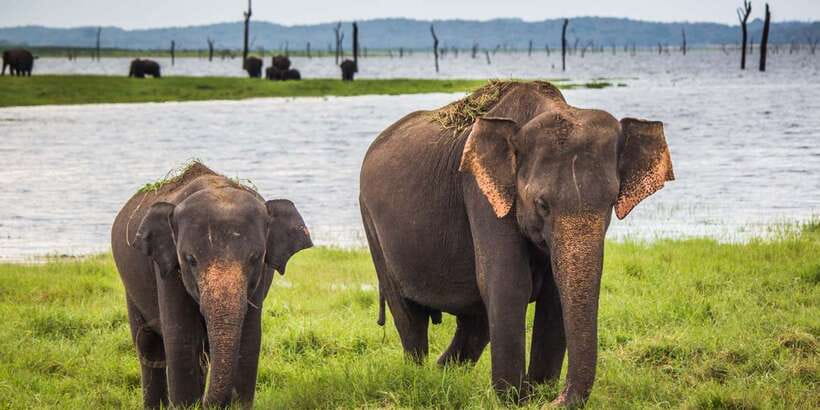
This is not a “guide recites facts and you hope for the best” setup. The tour uses a driver-guide model, and that matters because someone who drives and guides at the same time can adjust quickly when you see signs of wildlife.
The provided info highlights a guide/driver with about 10 years of experience, and the on-the-ground feedback around Gimhana is especially consistent: the spotting is careful, communication is clear in English, and the pace is flexible. If you want to stop longer for photos, you’re not rushed out of the moment.
A few practical things that often show up with this style:
- You don’t just stop at the loud places; you spend time where animals are likely to be.
- When you get a rare sighting, the jeep positioning is handled with enough patience to get usable photos.
- Questions are welcomed, not brushed off.
Safety also comes up in the way the safari is run. Male elephants can be unpredictable, and having a guide who’s paying attention to distance and behavior is part of why the experience feels smooth.
In the park: where you’ll look for elephants, birds, and crocodiles
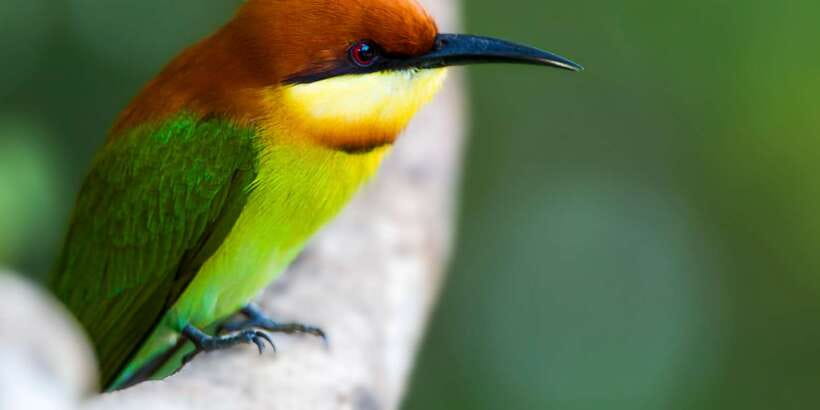
Udawalawe’s safari route is built around grasslands, forests, and wetlands. That means you’re not stuck searching one type of terrain all day. If elephants are using one area, you might catch other animals in another, and birds often tell you where life is concentrated.
Here’s what you can realistically expect to spot during the safari drive, based on the tour’s stated wildlife focus:
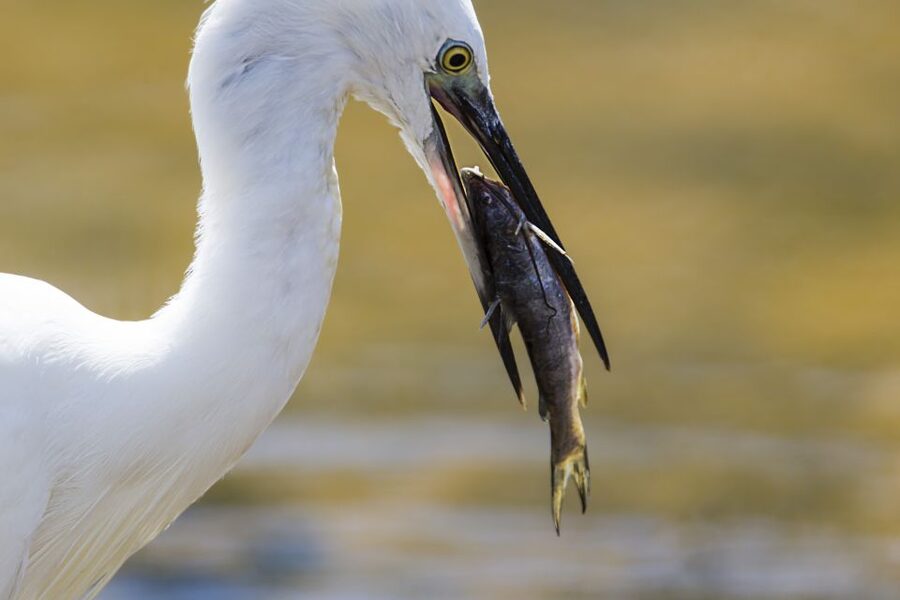
- Elephants (including a close-up style viewing experience)
- Leopards (not guaranteed, but listed as a possible sighting)
- Sambar deer
- Jungle cats
- Crocodiles
- Water buffalo
- Foxes, mongooses, jackals, wild boar
- Multiple bird species
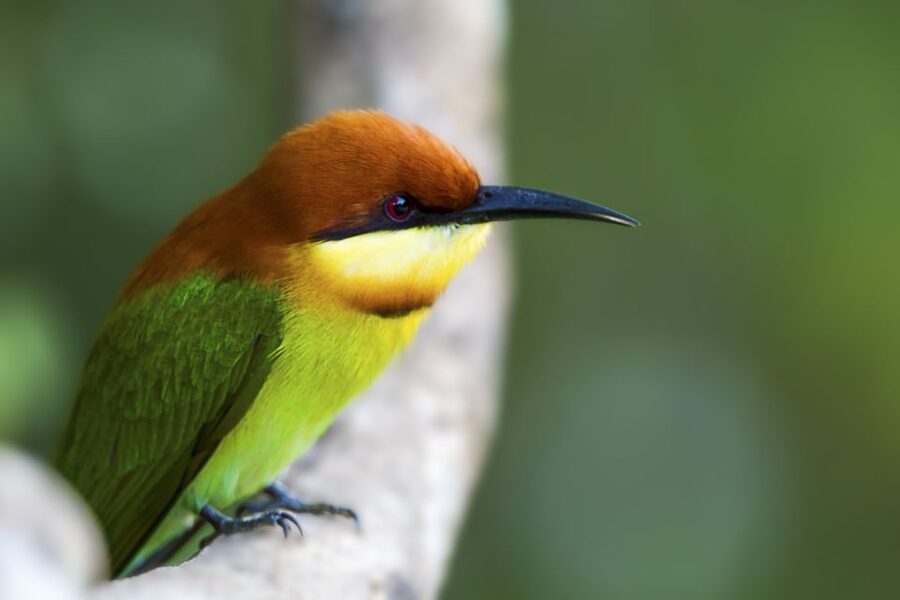
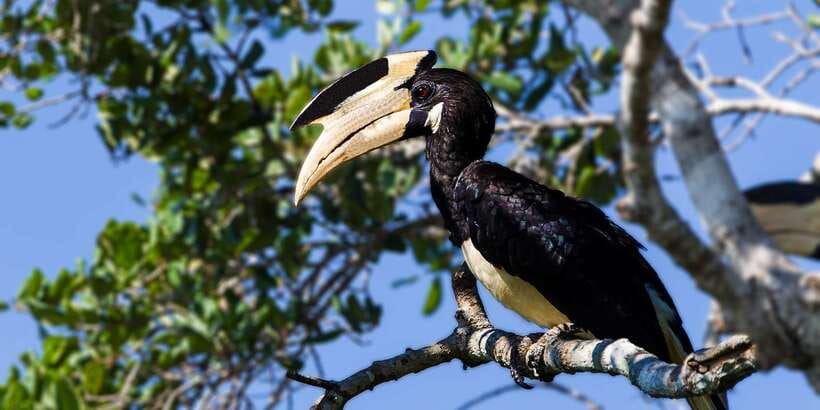
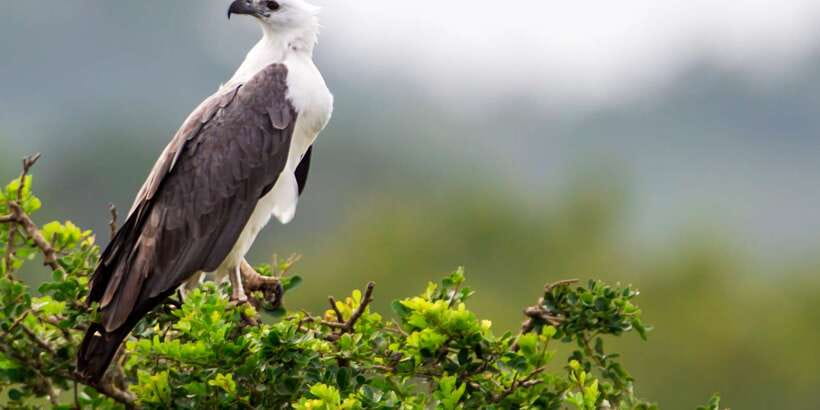
Birding is a real part of the value here. The park is described as a place with endemic species, and the tour specifically calls out birds you might see, such as the Sri Lankan Jungle fowl, Sri Lankan Spurfowl, and the Sri Lankan Wood shrike. Even if you’re not a “serious birder,” endemic birds add a sense of place. It’s not generic savanna wildlife; it’s Sri Lanka’s own.
One more detail that’s worth taking seriously: wildlife sightings include luck. But a good driver-guide can improve your odds by choosing the right times to move and the right spots to pause. In this safari style, you’re given time to watch, not just pointed and pushed along.
Early vs afternoon timing (and why it affects the feel)
Starting times depend on availability, but morning departures are offered. When a 6am start is available, it can be a strong choice: the air is often cooler, light can be better for photography, and the park can feel less crowded at key viewing areas.
If you prefer a slower pace, afternoon options are also available. The trade-off is that you may need extra patience to catch the best animal activity as temperatures shift.
Elephant Transit Home: your closer look after the safari
Dropping you at the Elephant Transit Home is one of the most memorable parts of this experience. Instead of ending the day back at your hotel immediately, the tour builds in time for a more focused elephant encounter.
The tour’s description is straightforward: take a closer look at wild elephants at the Elephant Transit Home. Since you’re coming straight from the park safari, you’ll likely notice more in how elephants move, group, and interact than you would if you arrived fresh.
A couple practical notes:
- Elephant Transit Home entrance fees are not included, so expect an extra payment at the site.
- The tour drop-off is at the transit home, so you’ll plan your next move from there rather than assuming it ends at your hotel.
If you’re traveling with kids, this stop often lands well because elephants feel “real” in a way that a distant sighting can’t match. If you’re an animal lover who wants meaning behind the day, it also gives your safari a purpose beyond watching wildlife through a window.
Price and value: what $29 really buys you
At about $29 per person, this tour sits in a budget-friendly zone for a national park safari with a private 4×4 format. The value isn’t just the price tag; it’s what’s included.
Included items:
- 4×4 private safari jeep
- Service of an experienced driver-guide (about 10 years)
- Jeep transportation in the park area (max 6 passengers)
- Pickup from Udawalawe area or the park entrance (other locations may cost extra)
- Drop-off at the Elephant Transit Home
What’s not included:
- Udawalawe National Park entry/admission
- Elephant Transit Home entrance fee
So the real “all-in” cost depends on those two gate fees. Still, the structure is strong: you’re paying for transport, guiding, and time in the park with a small group. For most people, that’s where the money goes anyway on safari days.
The other value factor is time quality. The best safari days don’t feel like you’re constantly driving; they feel like you’re given enough minutes to watch and react. This tour’s style, especially with guides like Gimhana, tends to prioritize that.
Who should book this safari (and who should think twice)
This experience fits well if:
- You want elephants as the centerpiece, not a side item
- You like wildlife variety, including birds and reptiles, not just mammals
- You appreciate a guide who speaks English and takes questions seriously
- You prefer a small jeep group (max 6) for easier viewing
It may be less suitable if:
- You need mobility-friendly access. The tour is stated as not suitable for people with mobility impairments.
- You’re expecting every listed animal to be guaranteed. Leopards and other harder-to-see species are possible, but not promised.
Families also often like the day structure: safari first, transit home second. It creates a natural arc, with the elephant focus growing rather than fading.
Practical tips to get more out of your safari day
You’ll get the best day if you come prepared to slow down a bit.
- Bring a camera with a strap and keep settings ready. When elephants or rare birds show up, you won’t want to fumble.
- Wear long pants and comfortable closed shoes. The park terrain and jeep transfers can be rough on sandals.
- Stay flexible. The guide’s job is to adjust when animals move or when the park’s conditions change.
- Ask what to watch for. With a good driver-guide like Gimhana, you can often get specific pointers that help you spot animals faster.
- Consider a morning start when available. Even when the safari is the same length, early departures can feel calmer and cooler.
Also, keep expectations realistic. You’re paying for time in the right habitat with a strong spotting approach, not a zoo guarantee.
Should you book Udawalawe safari with Elephant Transit Home?
If your priority list includes elephants, English-guided spotting, and a small-group private 4×4 day, this is an easy yes. The added Elephant Transit Home stop makes it feel like more than a standard park drive, and the guide-driven pace (with time to watch and photograph) is a big part of the appeal.
The main reason to hesitate is simple: gate fees for the park and the transit home aren’t included, so double-check your total budget before you commit. If you can cover that extra cost and you’re comfortable with a jeep safari format, this is one of the more satisfying ways to experience Udawalawe in a single outing.
FAQ
How long is the Udawalawe national park safari portion?
The experience duration is listed as 4 to 10 hours, depending on the option you choose and available starting times.
What’s included in the price?
Included are a 4×4 private safari jeep, transportation in the jeep (max 6 passengers), service of an experienced driver/guide (also your guide), and pickup from the Udawalawe area or from the national park entrance. Drop-off is at the Elephant Transit Home.
Are Udawalawe National Park entry fees included?
No. Udawalawe National Park entry/admission fees are not included.
Is the Elephant Transit Home entrance fee included?
No. The Elephant Transit Home entrance fee is not included.
Where do you get picked up?
Pickup is available from the Udawalawe area or at the Udawalawe National Park entrance. Pickup from hotels outside those areas may be possible for an additional charge.
What language is the tour guide?
The live tour guide is listed as English.
How many passengers are in each jeep?
The jeep is limited to a maximum of 6 passengers.
Are drones allowed?
No, drones are not allowed.
Is the tour suitable for people with mobility impairments?
No, it is not suitable for people with mobility impairments.
What’s the cancellation policy?
Free cancellation is available up to 24 hours in advance for a full refund.