REVIEW · UDAWALAWA
Udawalawa National Park Safari Tour with Experienced Guides
Book on GetYourGuide →Operated by Shehan Safari Jeep Tours · Bookable on GetYourGuide
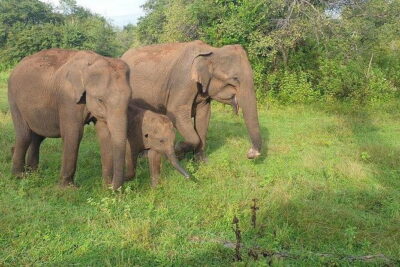
Elephants first, everything else follows. This Udawalawe National Park safari leans hard into one of Sri Lanka’s best elephant-viewing areas, with around 500 elephants in the park.
I really like the way the tour runs in a small jeep group (max 7) plus an English-speaking guide who helps you see more than you’d catch on your own. One watch-out: the park entrance and service fees (about 11,000 LKR / roughly $37) and food/drinks aren’t included in the $19 price.
In This Review
- The highlights that matter most
- Udawalawe in 3 Hours: why the timing works
- Getting to the park: pickup, jeep size, and what to expect
- Elephant viewing: the real reason people come to Udawalawe
- The other wildlife: what you can realistically hope to spot
- How guides improve your safari (Pathum, Koshala, Prasad, Paenum)
- Picnic lunch inside the park: good break, not just a formality
- Price and value: $19 is just part of the story
- Logistics you’ll want to plan for
- Who this safari fits best (and who should skip)
- The small drawback to keep in mind
- Should you book the Udawalawe safari with experienced guides?
- FAQ
- How many people are in each safari jeep?
- What animals can I see in Udawalawe National Park?
- Is the park entrance fee included in the $19 price?
- Is there lunch during the safari?
- Is the tour guide English-speaking?
- Can I cancel, and can I pay later?
The highlights that matter most
- Elephant-heavy viewing: Udawalawe is known for a thriving population of about 500 elephants.
- Spotting skills in action: guides like Pathum, Koshala, Prasad, and Paenum are praised for spotting animals early and from good positions.
- Quiet, careful animal viewing: I like that some drivers manage the jeep thoughtfully near wildlife to avoid startling them.
- Wildlife mix, not just elephants: expect chances at buffalo, deer (including barking deer), mongoose, sambar, and crocodiles.
- A true “park day” pause: there’s time for a picnic lunch in the park during the safari flow.
- Small-group comfort: max 7 passengers per jeep means you’re not lost in a big crowd.
Udawalawe in 3 Hours: why the timing works
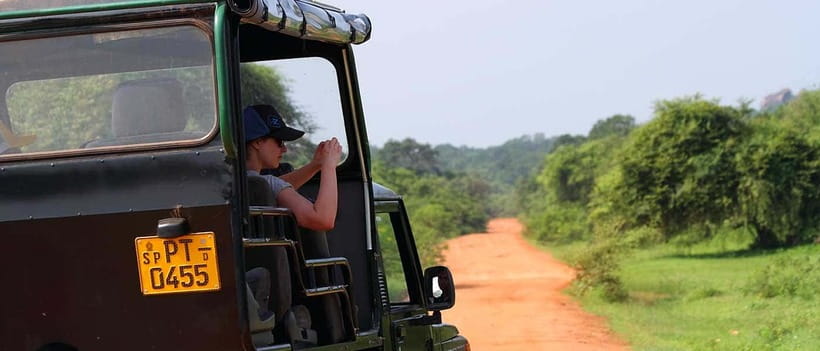
A 3-hour safari sounds short until you’re in the game. Udawalawe is big on paper (more than 230,000 hectares), but the tour is built around a focused viewing window where your guide can chase the best animal activity zones.
If your goal is “see elephants, then see more,” this format works well. You get enough time to track different herds and still catch other wildlife like crocodiles and deer without turning the day into a full production.
You can also read our reviews of more tours and experiences in Udawalawa.
Getting to the park: pickup, jeep size, and what to expect
Your experience starts with pickup from your hotel in the Udawalawe area (or a spot near the park entrance). From there, you head into the park by safari jeep, with a maximum of 7 passengers per jeep—small enough that you’ll actually hear explanations and adjust quickly when animals appear.
That small group size matters more than you might think. When elephants pop into view, you want the right angle and a quick response, not time wasted figuring out where everyone stands or where the guide is pointing.
Also, the tour is guided in English. In practice, this helps you understand what you’re seeing—things like animal behavior, where to look for movement in trees and shrubs, and how guides judge distance.
Elephant viewing: the real reason people come to Udawalawe
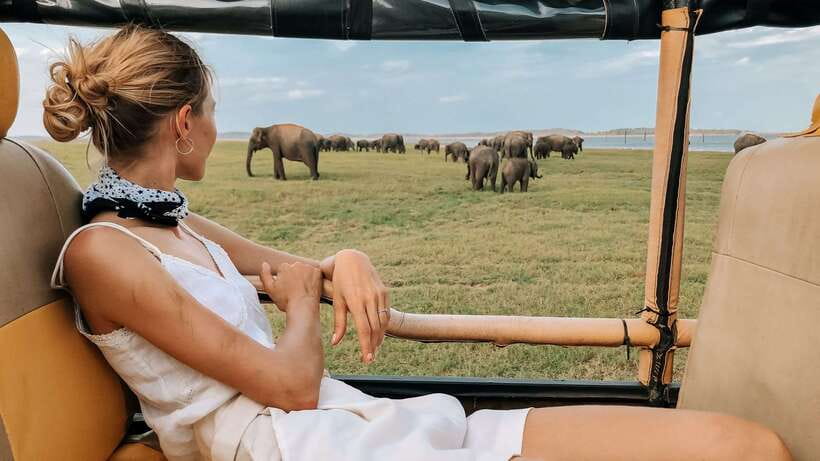
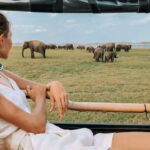
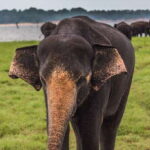
Udawalawe’s star power is its elephant population, and the park is famous for being one of the best places for gathering outside Africa. You’re not just looking at an occasional individual. The tour is structured around the idea that you’ll have multiple chances to see elephants in groups.
I love that the emphasis is on more than one encounter. In the field, elephants move between feeding and resting areas. With a skilled tracker, you’re more likely to catch different herds rather than “one lucky sighting and done.”
You might also notice how guides position the jeep. Some guides focus on seeing elephants from vantage points where they’re comfortable and the view is clear—so you get better photos and fewer distractions.
The other wildlife: what you can realistically hope to spot
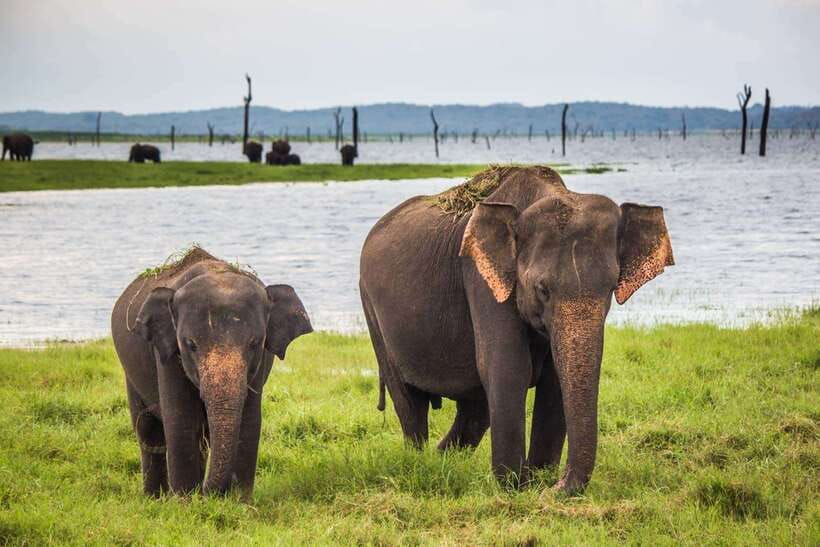
The park’s wildlife list is broad, and your guide’s job is to turn that list into sightings. Here’s what you can look for based on what the tour area supports and what’s commonly seen during safari time:
- Wild buffalo: often easier to spot near water and open feeding zones.
- Deer types, including spotted deer and barking deer: these tend to be smaller and can disappear quickly, so you’ll rely on the guide’s eye for movement.
- Sambar: another deer species that can show up when vegetation opens.
- Crocodiles: if the route brings you near water edges, this is one of the most exciting “sudden appearance” animals.
- Mongoose and wild boar: smaller animals, but guides usually scan for quick movement and signs.
- Snakes and butterflies (30 snake species and 50 butterfly species recorded): you won’t guarantee these on every trip, yet the park supports them, and good guides stay alert for smaller wildlife.
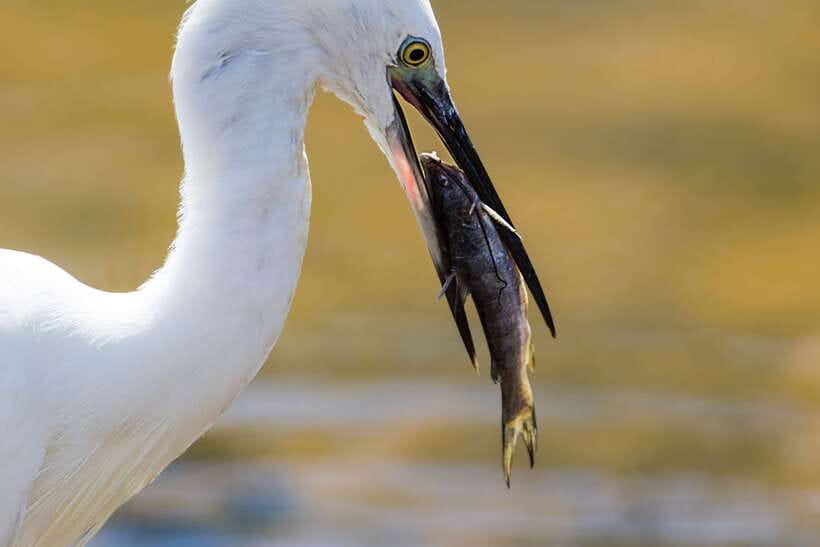
Bird life is also a big part of Udawalawe. The park includes many bird species, and it’s not unusual for a guide to call out raptors or brightly colored birds when they appear overhead or perched in trees.
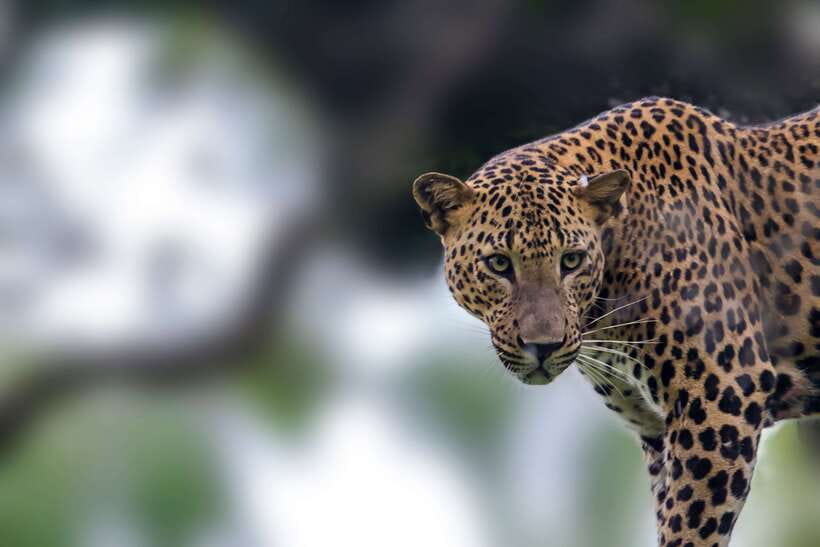
One honest note: the tour doesn’t promise every species. If you dream of a specific big-cat sighting, keep expectations flexible. Your best bet is to treat this safari as a high-probability elephant and “wildlife mix” outing, then enjoy the surprises.
How guides improve your safari (Pathum, Koshala, Prasad, Paenum)
A big part of the value here is the human element. Several guides and drivers connected with this tour earn strong praise for two things: spotting early and explaining clearly.
I’ve found that early spotting changes everything. If an elephant herd is visible in the distance, you can settle in, get a proper view, and watch behavior unfold. If you arrive late, the animal has already moved on and you’re left scrambling for angles.
Guides such as Pathum, Koshala, and Prasad are repeatedly described as having a strong eye—sometimes even spotting animals in the trees and helping with the best positioning for photos. Paenum is praised for careful driving and making sure there’s time to watch when animals appear.
There’s also an important viewing habit some drivers use: keeping the jeep quieter when animals are close. One detail that came through strongly is that some drivers turn the engine off around animals. You can’t control wildlife, but you can control how respectful the vehicle is. If you care about calm sightings, it’s worth asking your driver if they practice quiet engine time near wildlife.
Picnic lunch inside the park: good break, not just a formality
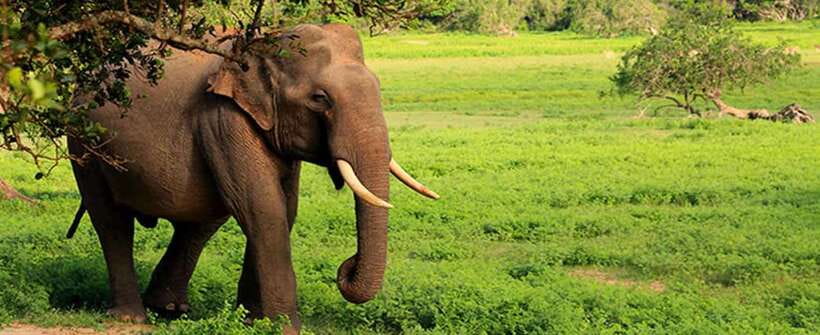
One of the nicer surprises in this tour setup is the time for a picnic lunch in the park. It turns the safari from “drive, stop, drive, stop” into a more relaxed half-day rhythm.
Practically, lunch time also serves a purpose: it’s when wildlife viewing sometimes slows and the herd patterns can shift. If you’re lucky, you might see animals close by while you eat. Even when you don’t, the break keeps you focused for the final stretch of the safari.
Keep in mind that food and drinks aren’t included in the tour package. So plan ahead and either pack what you want or budget for snacks and drinks separately.
Price and value: $19 is just part of the story
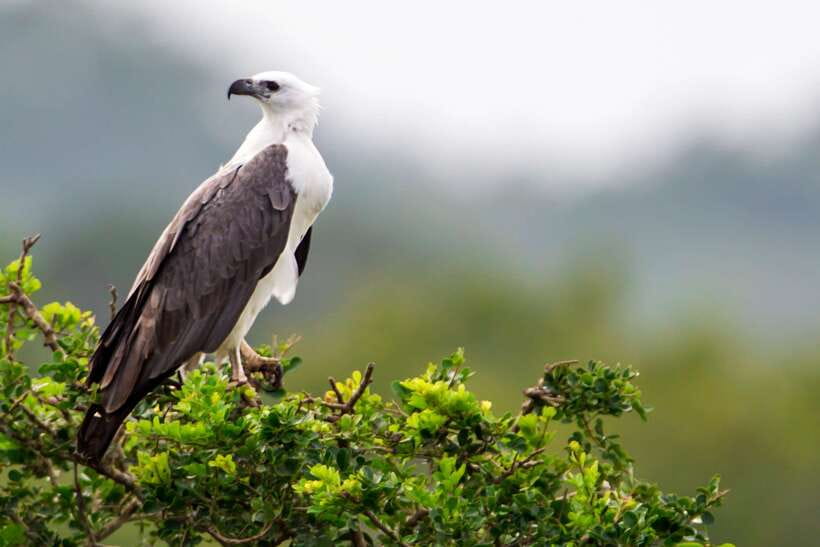
At $19 per person, this safari is tempting, especially when you consider what’s included: hotel pickup & drop in the Udawalawe area, transport in a safari jeep (max 7 passengers), and a guided 3-hour tour.
But you should price it correctly in your head. The park entrance & service fees are not included—listed at 11,000 Sri Lankan Rupees (about $37). Once you add that, your total spend climbs noticeably.
So is it still good value? In my view, yes—mainly because you’re paying for guided searching and jeep access. Without a driver and guide, your odds of seeing multiple elephants plus other wildlife drop a lot, especially in a large park.
If you’re traveling solo or as a couple, the small jeep group and shorter 3-hour format can feel efficient. You get a lot of animal time without losing an entire day to transit.
Logistics you’ll want to plan for
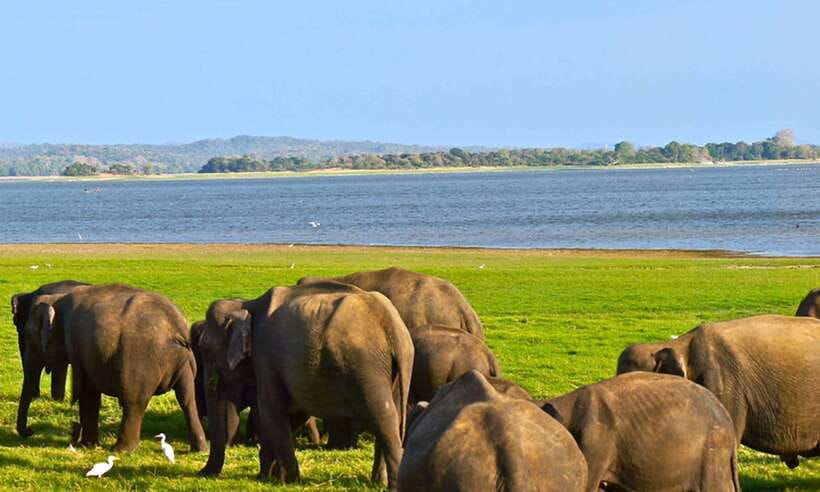
Here’s what I’d line up before you go:
- Entrance fee: budget for the 11,000 LKR park entrance & service fees (approx. $37).
- Food and drinks: the tour includes guided safari time and a picnic lunch stop, but not meals or drinks.
- Timing: the tour lasts 3 hours, and starting times depend on availability.
- Language: the guide is English, which helps you follow animal behavior rather than just seeing shapes in the bush.
Weather can also affect what you see in motion—if the light is poor or the animals move deeper, sightings can change. This is normal for wildlife watching. Your best move is to arrive ready to be flexible.
Who this safari fits best (and who should skip)
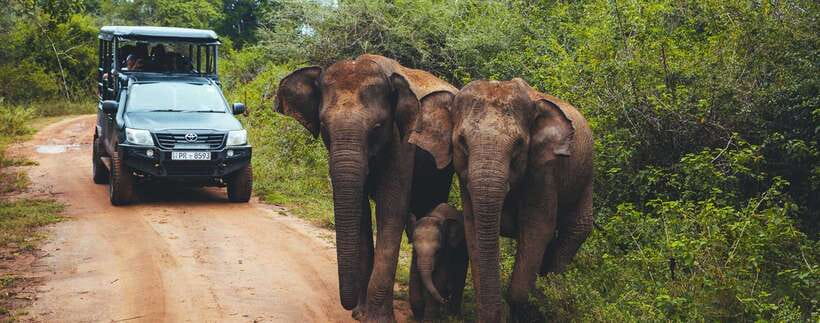
This tour is a strong fit if you want a focused safari with a higher chance of elephant sightings and you like learning while you watch.
It’s also a great option for:
- People who want a short, efficient wildlife outing
- Anyone who appreciates a guide who can spot animals early and explain what you’re looking at
- Groups who want a small jeep (max 7) rather than a bus-load experience
It’s not suitable for:
- Wheelchair users (not wheelchair accessible)
- Pregnant women
If you fall into either of those categories, you’ll need a different plan that matches accessibility and comfort needs.
The small drawback to keep in mind
For the most part, this safari experience is praised for its guides and the careful hunt for animals. Still, one practical consideration popped up: sometimes you might encounter a situation where someone other than the expected English guide joins the car. If that happens, it can affect what you learn and who’s truly leading the explanation.
My advice is simple: at pickup, confirm who your English guide will be and what role they’ll play during the safari. If you’re paying for guidance, clarity at the start saves stress later.
Should you book the Udawalawe safari with experienced guides?
If your top priority is elephants and you want a guided, high-probability wildlife outing without spending the whole day on the road, I think this safari is an easy yes. The structure works: small jeep, English guidance, multiple chances to spot elephants and other animals, and a picnic lunch break that keeps it from feeling rushed.
Book it especially if you care about good spotting and explanations—this tour is repeatedly associated with attentive guides and drivers like Pathum, Koshala, Prasad, and Paenum. The main reasons to hesitate are cost realism (entrance fees and food/drinks add up) and the fact that sightings aren’t guaranteed for every species.
FAQ
How many people are in each safari jeep?
Each jeep holds a maximum of 7 passengers, which keeps the safari more personal and helps you hear the guide as you move around the park.
What animals can I see in Udawalawe National Park?
Udawalawe is known for elephants (around 500 in the park). You may also see wild buffalo, spotted deer, barking deer, wild boar, sambar, hare, mongoose, crocodiles, and many birds. The park also has recorded species of snakes and butterflies.
Is the park entrance fee included in the $19 price?
No. The park entrance and service fees are not included. The listed fee is 11,000 Sri Lankan Rupees (approximately 37 USD).
Is there lunch during the safari?
Yes. There is time to enjoy a picnic lunch in the park during the safari. Food and drinks themselves are not included.
Is the tour guide English-speaking?
Yes. The live tour guide is listed as English.
Can I cancel, and can I pay later?
Yes. The tour offers free cancellation up to 24 hours in advance for a full refund. It also supports reserve now & pay later, so you can book without paying today.