REVIEW · UDAWALAWA
Udawalawe: National Park Safari & Elephant Transit Home Tour
Book on GetYourGuide →Operated by Ceylon Nature Tours · Bookable on GetYourGuide
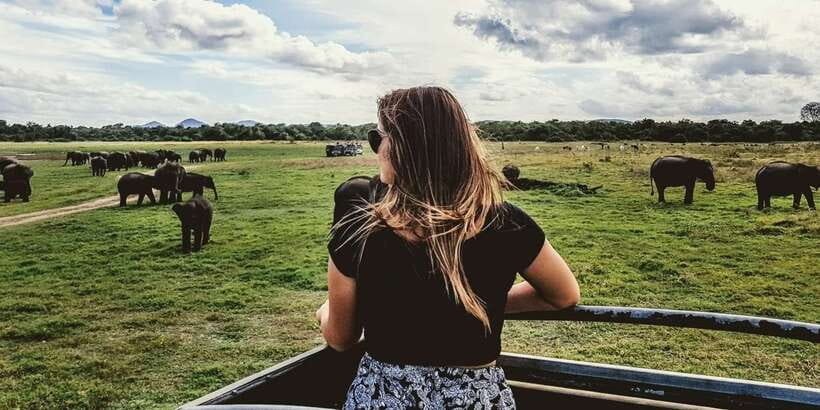
A wild day with wild elephants starts fast. This half-day 4X4 jeep safari turns Udawalawe National Park into a moving nature classroom, and the Elephant Transit Home feeding is the rare moment when you can see baby elephants up close. Two things I love: you’re out in the park in a proper vehicle, not a slow bus, and you get that focused elephant time at feeding hours. One thing to plan for: the tour price doesn’t include park and transit-home entrance fees.
I also like how the best guides work the map. Guides such as Pathum and Koshala (also Mahesh, Prasad, and Pantanam show up in guide names) are repeatedly praised for picking good spots, keeping a respectful distance, and not treating every sighting like a stamp-collecting exercise.
Key things to know before you go
- 4X4 jeep ride, small group size: transportation is in safari jeeps with a maximum of 7 passengers.
- Elephants plus real variety: you’re set up to look for more than one species, not just elephants.
- Elephant Transit Home during feeding: timing matters here, so reach it for feeding hours.
- Guides who manage crowd pressure: many guides focus on quieter routes and better viewing angles.
- Entrance fees are separate: budget extra for Udawalawe National Park and the Elephant Transit Home.
In This Review
- A 4-hour Udawalawe Safari That Fits Real Schedules
- Price and Logistics: What the $21 Actually Covers
- Getting Into the Park: Jeep Access and Why Small Groups Matter
- Wildlife Safari Time: Elephants, Crocodiles, and the Stuff You’ll Actually Remember
- Guide Skills Make or Break Your Sightings
- Elephant Transit Home at Feeding Time: The Real Emotional Anchor
- Beyond Elephants: How to Enjoy the Full Udawalawe Mix
- Practical Tips: How to Get the Most Out of a 4-hour Day
- Who This Tour Suits (and Who Might Want Something Different)
- Should You Book This Udawalawe Safari and Elephant Transit Home Tour?
- FAQ
- Is pickup included?
- How long is the tour?
- What’s included in the $21 price?
- What’s not included?
- Is there an English guide?
- How big is the jeep group?
- Is the Elephant Transit Home visit during feeding hours?
- Are there cancellation terms?
- Can I book and pay later?
A 4-hour Udawalawe Safari That Fits Real Schedules
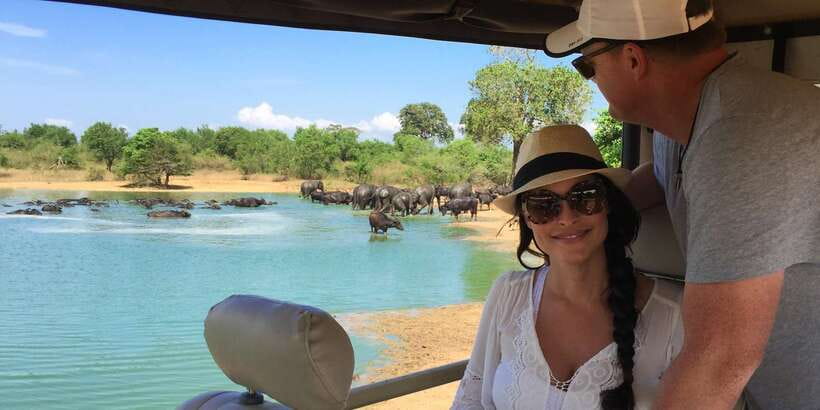
Udawalawe works well if you want big wildlife results without stealing your whole day. At 4 hours, the format is simple: hotel pick-up (from the Udawalawa area) or a meeting point at the park entrance, safari time inside the reserve, then elephant-orphan feeding time at the Elephant Transit Home, and back again.
This is a good choice when you’re using Udawalawe as a “wildlife anchor” on a longer Sri Lanka trip. You get the animals first, and you’re not stuck spending hours commuting or waiting around. The small-group setup (jeeps max out at 7) also helps your experience feel more personal than the typical big bus tour.
Price and Logistics: What the $21 Actually Covers
The headline price is $21 per person, and that’s the part that can feel a bit misleading at first—because entrance fees are not included.
What you do get for that price:
- A 4×4 jeep safari inside Udawalawe National Park
- An experienced driver/guide
- Hotel pickup and drop-off from the Udawalawa area (and a second pickup option if you’re starting at the park entrance)
- Safari transportation in a jeep (up to 7 passengers)
What you don’t get (so plan for it):
- Udawalawe National Park entrance fee
- Elephant Transit Home entrance fee
- Food or drinks
One recent booking example mentioned park entry costing Rs. 10,000 for two people on their jeep. Another mentioned the Elephant Transit Home feeding cost as 3600 LKR for 2 people. Treat those as examples, not a promise of the exact total you’ll pay, but they’re useful for budgeting your real-world spend.
Also, there’s an optional extra to keep in mind: if your hotel is outside the pickup areas, pickup may be available for an additional charge.
Bottom line: this tour is good value for the time and the jeep experience, as long as you budget for entrance fees and any small extras you choose to add.
You can also read our reviews of more tours and experiences in Udawalawa.

Getting Into the Park: Jeep Access and Why Small Groups Matter
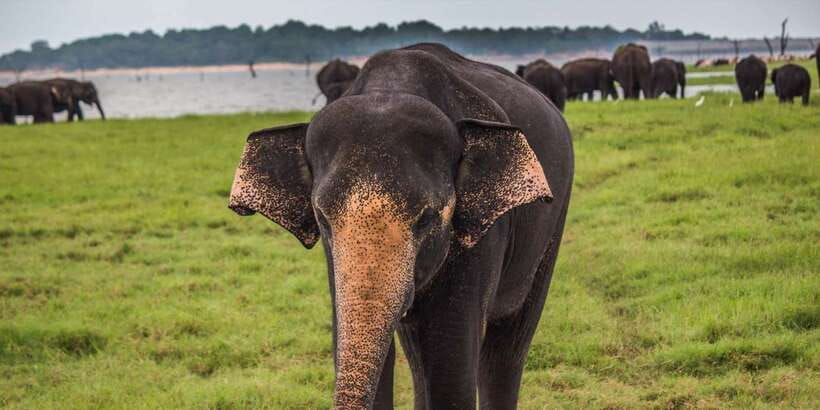
This safari starts by entering the reserve in a 4-wheel-drive jeep. That detail sounds routine until you’re on the ground and realize why it matters: jeeps give you the ability to move with the sightlines and the terrain you’re actually searching in. In Udawalawe, you’re not chasing a single attraction. You’re hunting conditions—water, cover, animal movement—and a 4×4 helps you respond fast.
The small group limit (up to 7 people) has two practical benefits:
- Your guide can adjust stops without the whole vehicle lineup feeling like a traffic jam.
- You can usually hear the guide and take in sightings without constant noise overhead.
And one more thing I’d take seriously: the safari’s success depends on early planning and animal timing. Many guides are very intentional about routes. That’s where the “who’s driving?” question becomes more than trivia.
Wildlife Safari Time: Elephants, Crocodiles, and the Stuff You’ll Actually Remember
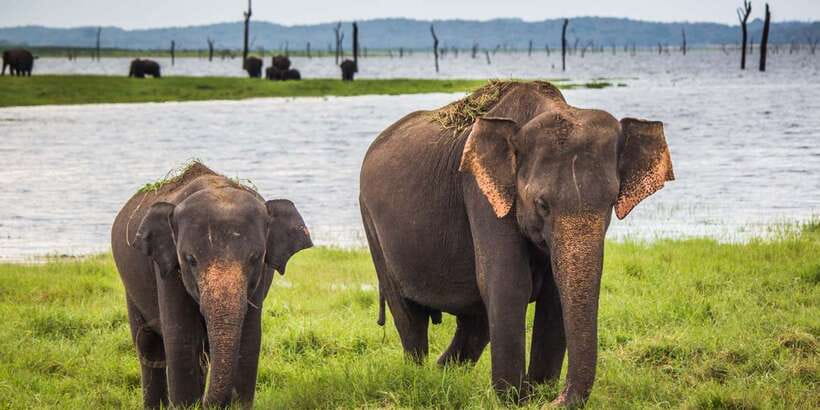
In Udawalawe, the elephant spotlight is real—but the fun is that you’re rarely only seeing one kind of animal.
Here’s what you can reasonably expect to look for during the safari:
- Wild elephants in the park
- Water buffalo and deer types
- Wild boar, hares, mongoose
- Crocodiles and other creatures around water
- Snakes (the park is listed as having 30 species)
- Butterflies (50 species are noted)
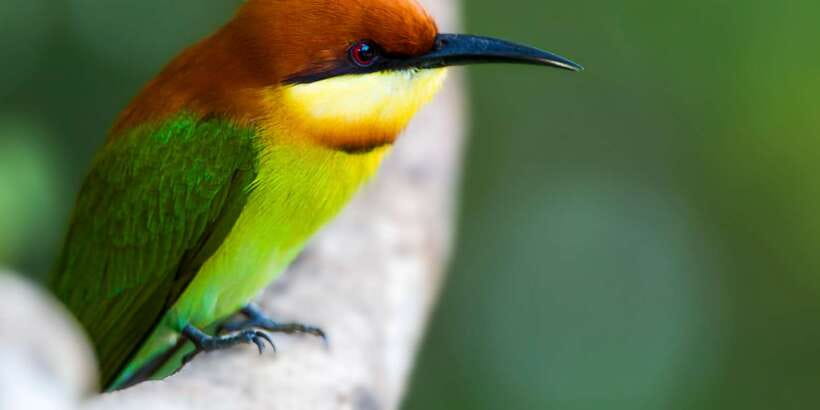
- Many birds
The best part is that Udawalawe doesn’t feel like a zoo walkthrough. It’s more like watching wildlife behavior in the open. You get time to stop, observe, and take photos—especially when your guide spots a likely hotspot.
From the experiences tied to this tour, elephants tend to be the main event, sometimes in small groups rather than one huge herd. You might also catch rare-for-the-day sightings like a leopard, though nothing is guaranteed. That unpredictability is part of the charm. You’re in nature, not in a theme park.
If you care about photography, aim to treat stops like short field sessions: breathe, watch first, then shoot. Elephants and crocodiles often reward patience more than rapid clicking.
Guide Skills Make or Break Your Sightings
I’d rather pay for a good guide than gamble on luck. With this tour, the guide quality shows up again and again in how people describe the experience.
A few traits that come up for guides such as Pathum and Koshala (and also names like Mahesh, Prasad, and Pantanam):
- They choose spots thoughtfully, not just the busiest roadside views
- They keep a respectful distance, especially around elephants
- They explain what you’re seeing as you see it (birds, elephants, and even snake spotting)
- They slow down when something is happening, instead of rushing to the next stop
You can even hear the practical difference in the way they drive. Some guides are described as working less crowded routes so you’re not always surrounded by other jeeps. That matters. If you want the animal’s behavior, not just the animal’s face, fewer cars helps.
One small detail that also matters: some guides are described as giving you time to quietly observe. In a 4-hour window, those minutes add up.
Elephant Transit Home at Feeding Time: The Real Emotional Anchor
If elephants are why you’re coming to Udawalawe, feeding hours at the Elephant Transit Home is the moment that tends to stick with people.
This stop is designed for a simple purpose:
- you meet the baby elephants during feeding hours
- you see many young elephants up close
- you understand how the reserve supports a large elephant population thanks to water sources
Two practical things make this stop work:
- It’s time-bound. If you miss feeding hours, you miss the point of the visit.
- You’re not just looking at an exhibit. You’re watching routine behavior.
From the experience descriptions tied to this tour, people often talk about feeding-time arrivals and feeling like the stop was truly special. There’s also a note that washroom facilities and small shops/artefacts can be available on-site, which is useful when you’re on a half-day schedule.
Also, look at this stop as an ethics-and-distance test for your own expectations. A respectful guide will help you see elephants without crowding or startling them. Guides described on this route are often praised specifically for doing this well.
Beyond Elephants: How to Enjoy the Full Udawalawe Mix
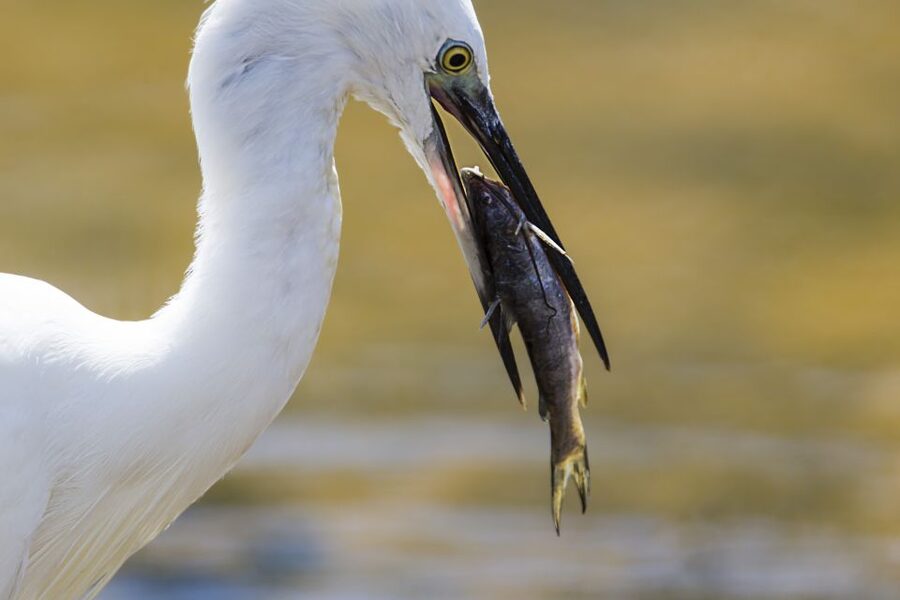
A safari like this can get elephant-obsessed fast, which is understandable. But the best way to get real value from Udawalawe is to treat every stop as a chance to spot something smaller.
Here’s what you might catch that makes the day feel complete:
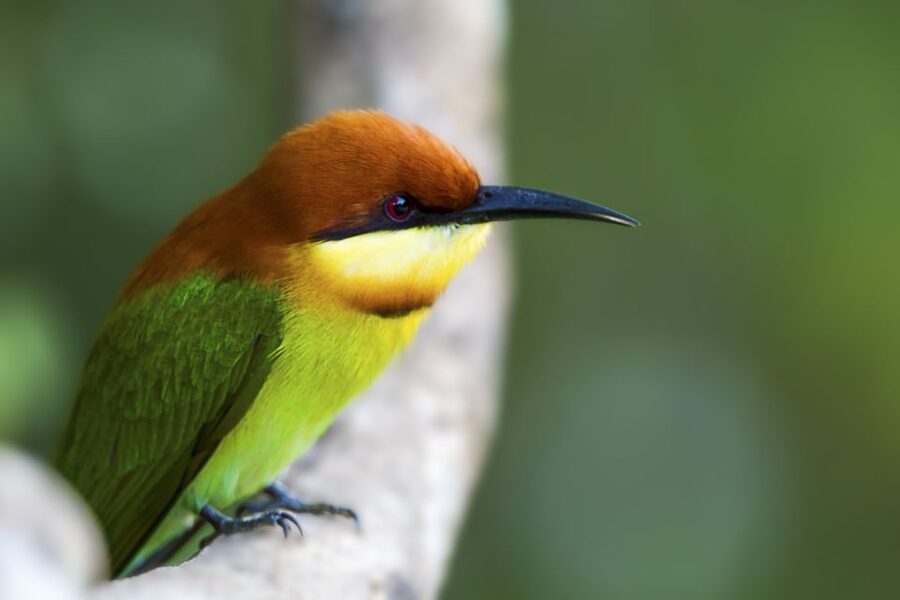
- Birds and peacocks/peahens
- Jackals (not always, but it’s listed as something you may see)
- Monitor lizards and iguana-type lizards
- Mongoose
- Crocodiles around water
- Less obvious mammals like spotted deer/barking deer and sambars
A helpful mindset: when elephants are quiet, switch your attention to movement. Watch the water line for crocodiles. Scan tree edges for birds. Then you’re not waiting for the big moment—you’re building your own wildlife story out of smaller ones.
Even when you don’t get the “rare” headline animal (like leopard sightings, which some people were lucky to see), you can still end the safari feeling like you saw a whole ecosystem doing its thing.
Practical Tips: How to Get the Most Out of a 4-hour Day
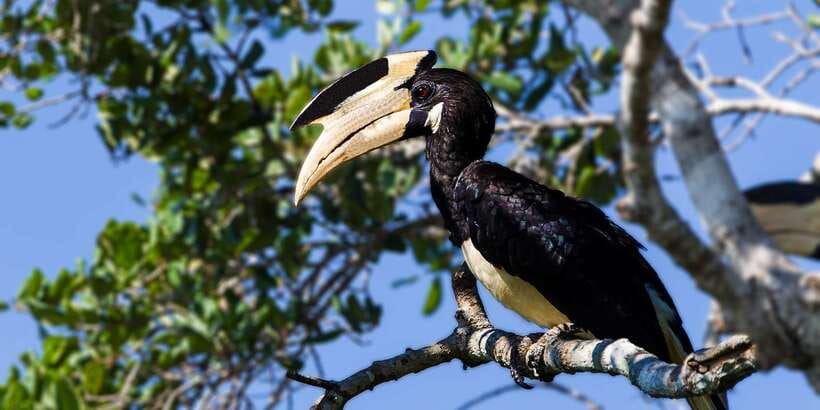
With only 4 hours total, you’re playing time-management chess. Here’s how to win.
Aim for an early start if you have a choice. Several experiences note that morning starts helped with spotting and made the day feel easier in warmer conditions. If your schedule options include early departure, take it.
Bring the right comfort basics. You’re in an open or semi-open safari vehicle for a stretch of time, and you’ll be sitting while you scan. Wear breathable clothes, and don’t forget sun protection. If you’re prone to motion sickness, consider that too.
Use the guide’s spotting approach. When someone points out elephants and then tells you how to read behavior—like signs of calm versus alert—that turns wildlife watching from guesswork into something you can actually learn.
Keep expectations realistic. Udawalawe is a living reserve. You might see lots of elephants, or you might see them in smaller groups rather than giant herds. Either way can still be a great safari if your guide is good at reading the terrain and choosing stops.
Plan your entrance-fee day budget. Since the tour price doesn’t include the national park and transit-home fees, add those costs before you commit your trip budget.
Who This Tour Suits (and Who Might Want Something Different)
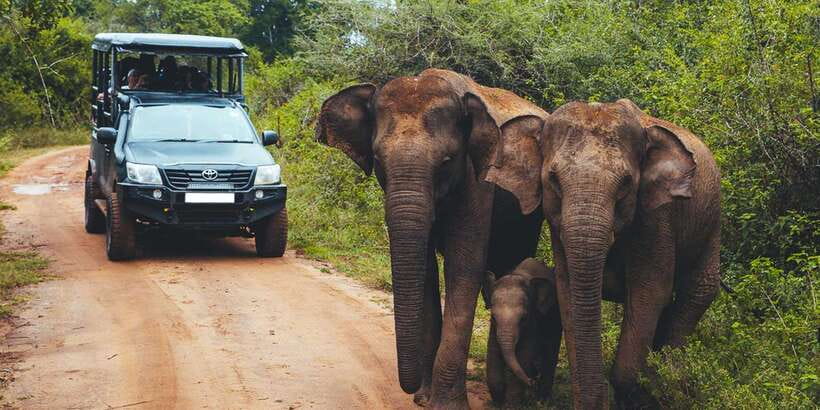
This is a strong match for:
- You want an elephant-focused safari without a full-day commitment
- You’re traveling with limited time between towns
- You enjoy being out on 4×4 and getting wildlife stops rather than museum-style experiences
- You care about respectful animal viewing and want a guide who slows down for observation
It may be less ideal if:
- You’re only interested in one guaranteed sighting. Wildlife viewing here is not a checkbox.
- You dislike paying separate entrance fees after booking.
- You want long, slow birding or a deeper educational program that runs beyond half a day.
If your main goal is wildlife plus feeding-time elephants, Udawalawe is a very reasonable place to spend 4 hours.
Should You Book This Udawalawe Safari and Elephant Transit Home Tour?
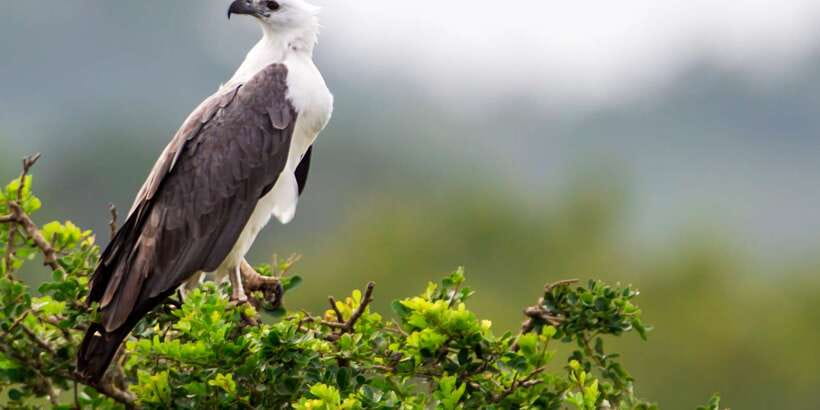
Yes, if you go in smart. Book it when you want a time-efficient Udawalawe National Park safari plus the Elephant Transit Home feeding hours stop. The tour’s value comes from the jeep ride with a small group and the chance to see young elephants during feeding time, not just from the word safari.
Before you book, do two quick checks:
- Budget for the park entrance fee and the Elephant Transit Home entrance fee, since those aren’t included in the $21 price.
- If you can choose your departure timing, pick the early slot. It tends to make the whole search easier.
If you want a half-day wildlife experience that’s practical, emotionally memorable, and very grounded in real animal behavior, this one makes sense.
FAQ
Is pickup included?
Yes. Pickup is free from the Udawalawa area, and there’s also pickup available at the Udawalawe National Park entrance.
How long is the tour?
The duration is 4 hours.
What’s included in the $21 price?
You get a 4×4 jeep safari, an experienced driver/guide, and the transportation in a safari jeep (up to 7 passengers). Food or drinks are not included.
What’s not included?
Udawalawe National Park entrance fees and Elephant Transit Home entrance fees are not included.
Is there an English guide?
Yes. The tour includes a live tour guide in English.
How big is the jeep group?
The safari jeep has a maximum of 7 passengers.
Is the Elephant Transit Home visit during feeding hours?
Yes. The stop is made during feeding hours so you can see the baby elephants during that time.
Are there cancellation terms?
Free cancellation is offered up to 24 hours in advance for a full refund.
Can I book and pay later?
Yes. The option says reserve now & pay later, so you can keep plans flexible.