
REVIEW · NAPLES
Vesuvius National Park Skip-The-Line Ticket and Audio Guide
Book on GetYourGuide →Operated by Around Vesuvio · Bookable on GetYourGuide
Vesuvius feels close when logistics behave. This skip-the-line ticket and built-in digital audio guide make it much simpler to get from the gate to the crater on your own pace. The big drawback is that the ticket handoff is WhatsApp-based and sometimes last-minute, which can add stress if you want everything perfectly timed.
I like that the whole outing is designed around time in the park: 3–6 hours to walk up, take in the views, and hike back down. You’ll aim for the crater area for big scenery over Naples, with the islands of Capri, Ischia, and Procida often showing on clear days.
One more thing to know before you book: you’re not paying for a person to shepherd you there, and the trip isn’t set up for mobility limitations. If you’re comfortable using your phone for QR steps and audio, it’s a good fit.
In This Review
- Key Takeaways
- What the Skip-The-Line Ticket Actually Gets You at the Gate
- Audio Guide: Helpful Stories, With a Backup Mindset
- The Crater Hike: Timing, Terrain, and Photo Spots
- Volcanic Park Ecology: What You Actually Notice as You Walk
- Getting There Without a Transfer: The Part You Should Plan
- Group Size and Pace: A Small-Group Trip You Control
- Price and Value: Is $29 Worth It for Vesuvius?
- Who Should Book This, and Who Might Want a Different Option
- Should You Book the Vesuvius Skip-The-Line Ticket and Audio Guide?
- FAQ
- How do I get my Vesuvius entry ticket and audio guide link?
- What languages are available for the digital audio guide?
- How long is the experience?
- Is a guide provided with this ticket?
- Is transfer included from Naples or the parking area?
- Is this suitable for people with mobility impairments?
Key Takeaways
- WhatsApp ticket delivery: You’ll message the provider after 8:00 AM on the day of your visit for your entry ticket and the audio link.
- Skip-the-line entry: The ticket is meant to reduce waiting at the gate.
- Audio guide in 6 languages: English, Italian, French, Spanish, German, Portuguese, focused on eruption history and what you’re seeing.
- Crater hike with a variable pace: Expect a self-guided uphill and downhill walk; one person reported about 25 minutes up and 17 down.
- Bring the right basics: Comfortable shoes, sun hat, and no big bags—this park is not for heavy luggage.
- Expect occasional tech hiccups: Some audio experiences have been smooth, and some have been glitchy or turned off.
What the Skip-The-Line Ticket Actually Gets You at the Gate

This ticket is built for one main goal: getting you into Vesuvius without getting stuck in the slowest part of the process. You start at the National Park gate, and your entry is tied to a digital ticket you’ll receive from the provider.
Here’s the part that matters most: you need to contact the activity provider on WhatsApp after 8:00 AM on the day you go. They send your entry ticket and the link to use the digital audio guide. In the real world, that can feel easy on a smooth morning. But one booking experience described receiving the ticket only about 15 minutes before the scheduled time, and it threw off their plan. So if you’re the type who hates uncertainty, plan buffer time.
At the entrance, you’ll likely handle a QR-code step on your phone. One review noted that the QR-code login worked through the entrance Wi‑Fi, and that internet reception elsewhere wasn’t reliable. That’s a strong hint to charge your phone, keep battery saving off, and have headphones ready before you arrive.
Finally, meeting point details can change by option. The best move is to treat the “meet point may vary” line as a real instruction: find the exact spot named in your confirmation, not a generic location.
You can also read our reviews of more tours and experiences in Naples.



Audio Guide: Helpful Stories, With a Backup Mindset
The audio guide is the second half of the value. You’re not just walking—you’re listening to explanations tied to what Vesuvius is showing you as you go. The guide is available in English, Italian, French, Spanish, German, and Portuguese.
The content focuses on the eruption that destroyed Pompeii and Herculaneum in AD 79, plus the park’s volcanic geology. You’ll hear about lava flows, volcanic rocks, and ash deposits—basically, the story written into the ground. It also covers the living side of the volcano: Mediterranean scrub and pine forests, plants adapted to volcanic soil (like broom, chestnut, and oak), and wildlife such as birds, small mammals, reptiles, and insects.
In practical terms, that means you can walk at your own speed and still feel like you understand what you’re seeing. That’s a big deal on Vesuvius, because you’re both exercising and trying to make sense of a unique environment.
One caution: audio quality isn’t guaranteed. One experience complained that the German voice sounded very unpleasant and that the guide stopped during the climb. Another mentioned the audio guide not working and then giving up during the ascent. If your goal is a perfectly narrated trek, I’d go in with a backup mindset: keep an ear free in case you need to pause, and be ready to ask for help on-site if something fails. It doesn’t mean the audio guide is always broken—it means you should treat it as helpful, not infallible.
A small but real tip from one booking: they recommended ear protection (earbands or a hat with coverage) because weather and fog can make it feel colder up high. That costs nothing and can save the day.
The Crater Hike: Timing, Terrain, and Photo Spots
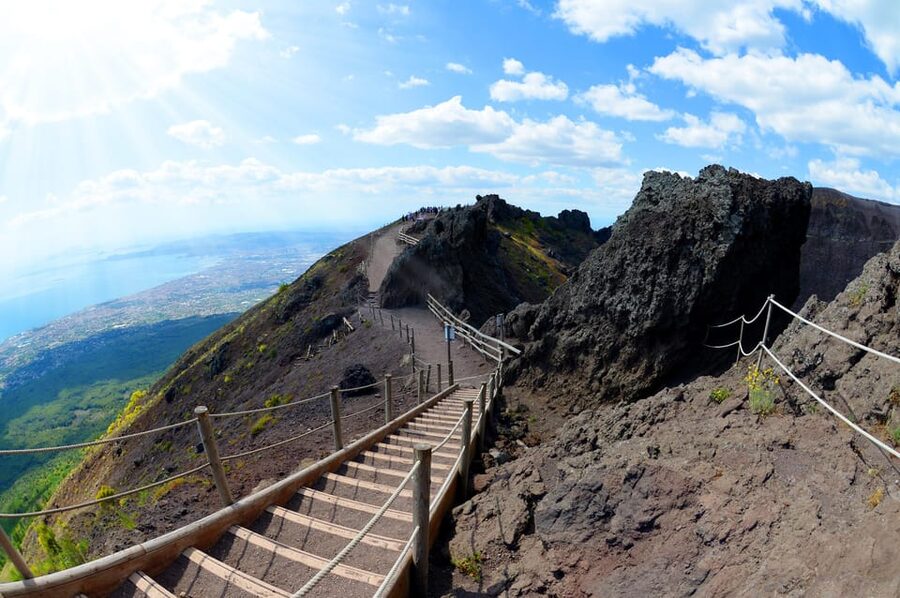
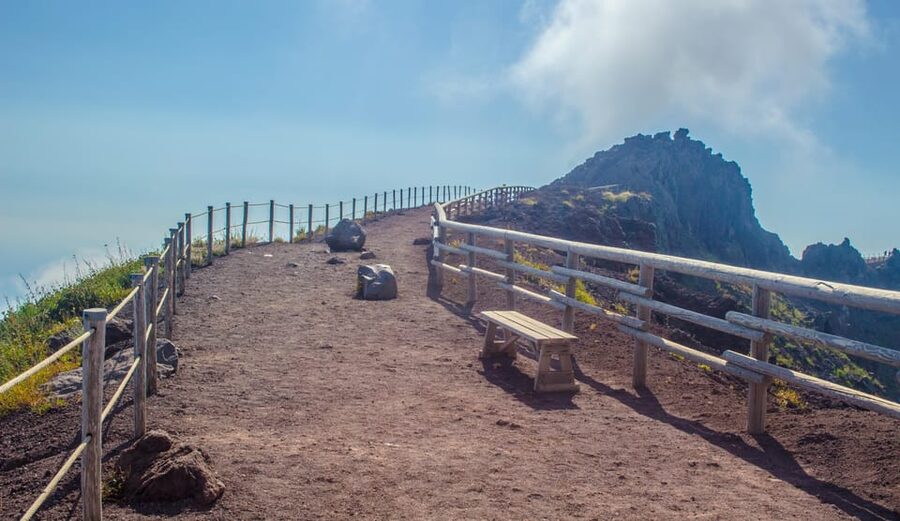
This is an active outing. You walk from the gate into the park and head toward the crater area for dramatic views. The duration is listed as 3–6 hours, which fits a steady pace plus time for photos and breaks.
Timing varies by weather and crowd flow, but one review offered useful numbers: about 25 minutes walking up and about 17 minutes walking down. Consider that as a reference point, not a promise. If it’s hot, windy, or foggy, your pace will change.
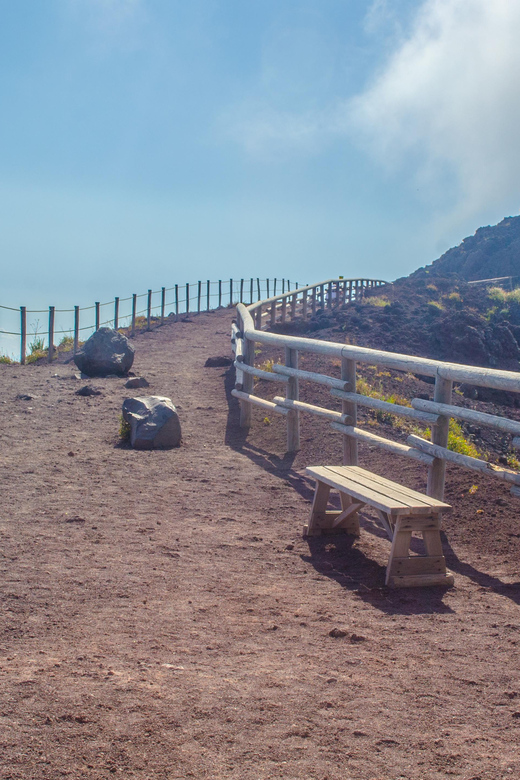
What you should expect underfoot: volcanic ground can be uneven, and the route up to the crater asks for real footing. That’s why the basics are so emphasized: comfortable shoes and clothes you don’t mind getting dusty.
Once you reach the crater zone, the reward is the view—especially over Naples. Depending on conditions, you may see the Bay of Naples with the islands of Capri, Ischia, and Procida. This is the moment to slow down. Don’t just grab photos while walking. Pause long enough to look past your phone screen. On a clear day, the scale makes the eruption story feel real.
You can also take photos looking back toward Naples and toward UNESCO-listed Pompeii from above. Just remember: visibility depends on weather. If fog rolls in, your “best viewpoint” may be about the idea of the crater rather than a crisp panorama.
Volcanic Park Ecology: What You Actually Notice as You Walk
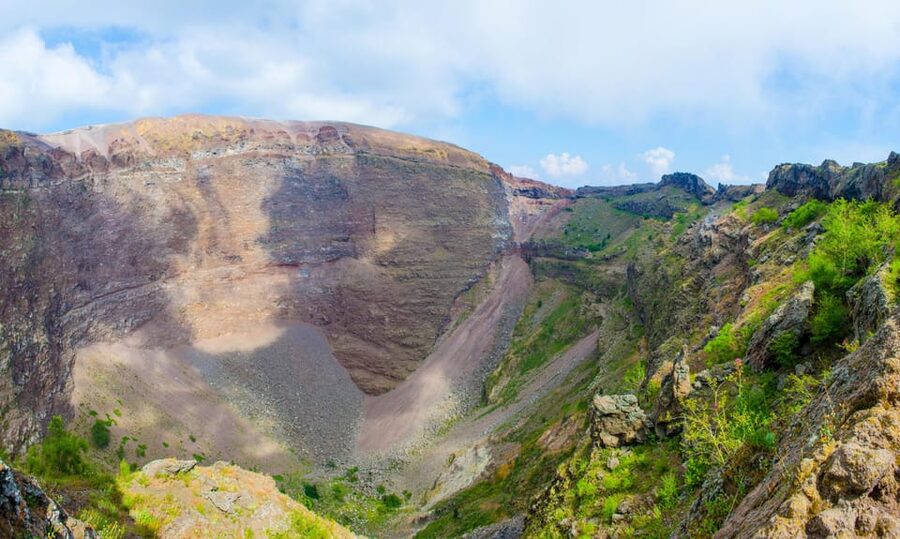
This ticket isn’t only about the volcano as a rock. It’s also about the living system that grows around it.
The audio guide portion points out a range of plant life and habitat types, from Mediterranean scrub to pine forests. The volcanic soil supports plants adapted to the conditions there—examples mentioned include broom, chestnut, and oak trees. As you walk, that translates into noticing that the park doesn’t look like a single “theme.” It can shift as you gain elevation and move through different parts of the park.
If you like natural history, this is where the audio helps most. The stories turn “I’m walking in a dry rocky area” into “I’m seeing how the ecosystem is shaped by the volcano.”
The wildlife section is also a nice touch because it makes your eyes move. Birds, small mammals, reptiles, and insects are part of the environment, but they’re easy to ignore if you’re focused only on the crater. With the audio playing, you’ll get prompted to look for movement and small details, not only big views.
One more practical benefit: when the path narrows and you’re breathing hard, a guided audio track can help you stay focused and keep going. It’s not a replacement for a person, but it can make the trek feel less like a random hike and more like a planned experience.
Getting There Without a Transfer: The Part You Should Plan

This experience does not include transfers. That line matters, because Vesuvius logistics can be confusing if you arrive without a clear plan for the last mile.
Meeting point can vary, and you might need to figure out your own way to where you’ll start. One review mentioned a taxi transfer from a parking area to the entrance, described as organized and relatively affordable (about €3 each way). Another person mentioned getting on a bus to a closer point before the walk up.
So what does that mean for you? It means you shouldn’t assume one universal “how it works.” Your safest approach is to:
- confirm the exact meeting point in advance
- arrive early enough to handle finding it
- have a simple budget for local transport if you end up needing it
Also, the park has a luggage rule: no luggage or large bags. If you’re carrying anything bulky, you’ll want to rethink what you bring so the hike feels easy instead of annoying.
If you hate stress, arrive with fewer moving parts. This is a self-guided setup. Your job is to make the start smooth.


Group Size and Pace: A Small-Group Trip You Control
This is described as a small-group option. That usually means less waiting and fewer people to coordinate with than the big-bus style tours.
But the real pace control comes from the lack of a person guide. You’re using the audio track and following the route at your own rhythm. That’s great if you like walking slowly when the view is good. It’s also fine if you prefer brisk movement and shorter stops.
One booking experience described a bus ride up to a turning point, then climbing on their own to the crater and heading back down to where the bus would be at a stated time. That kind of rhythm can be reassuring: you’re not stuck wondering when you’ll return.
The key is to keep an eye on timing and be ready to move when the plan says move. On a volcano, one lost check-in can mean wasting energy trying to catch up.
If weather is rough—fog or mist can happen—pace matters more than pride. In one experience, fog affected the mood, even though the hike still happened smoothly (with time estimates around 25 minutes up and 17 down). On bad visibility days, shorten your photo stops and focus on the crater moment when you can see it.
Price and Value: Is $29 Worth It for Vesuvius?

At about $29 per person, the value depends on what you need from the experience.
You’re paying for three things:
- Skip-the-line entry
- a digital audio guide in multiple languages
- a small-group setup (not a solo random day)
If you’re an independent traveler who can handle a phone-based ticket flow, this is a sensible deal. Skip-the-line is the big one—at Vesuvius, waiting can eat your limited time fast. The audio guide is the next advantage because it turns a hike into an explanation of geology, plants, and volcanic ecology.
But if you’re the kind of traveler who needs everything scripted—ticket at the exact time, audio that never glitches, zero reliance on QR or Wi‑Fi—this may feel too risky. The experiences show there can be delays in ticket delivery via WhatsApp and some audio guide failures. In that case, the “value” calculation tilts toward a more human-led tour.
My practical way to decide: if you can stay calm when tech is imperfect, you’ll likely enjoy the simplicity. If you want a guaranteed narrator and zero uncertainty, you’ll probably be happier with a guide-inclusive option.
Who Should Book This, and Who Might Want a Different Option

This works best for active travelers who:
- want to hike to the crater at their own pace
- enjoy learning through audio rather than a live guide
- can manage WhatsApp communications in the morning
- are comfortable with a phone-based QR and Wi‑Fi check at the gate
It’s not a fit if you have mobility impairments, since it’s not suitable for that.
If you’re traveling with lots of luggage, reconsider. The no large bags rule can derail convenience fast.
Also, if you’re sensitive to cold or weather changes, bring the basics. One small review detail—ear protection—suggests that conditions can feel sharper up top, even when you thought you’d dressed for the city temperature.
Should You Book the Vesuvius Skip-The-Line Ticket and Audio Guide?
I’d book it if you want a mostly self-paced Vesuvius climb with skip-the-line entry and a story-based audio track. It’s especially good when you’re flexible about the start and ready to handle a QR/phone check at the gate.
I’d think twice if you hate WhatsApp coordination, dislike digital-only audio formats, or strongly prefer a live person explaining things the whole way. In those cases, the $29 price tag can start to feel less like savings and more like risk.
FAQ
How do I get my Vesuvius entry ticket and audio guide link?
You need to contact the activity provider on WhatsApp after 8:00 AM on the day of your experience. They will send the entry tickets and the link to use the digital audio guide.
What languages are available for the digital audio guide?
The digital audio guide is available in English, Italian, French, Spanish, German, and Portuguese.
How long is the experience?
The duration is listed as 3 to 6 hours, depending on the starting time and how your hike goes.
Is a guide provided with this ticket?
No guide (person) is included. The experience includes the skip-the-line ticket and a digital audio guide.
Is transfer included from Naples or the parking area?
No transfer is included. You’ll handle getting to the meeting point and access route based on the option you book.
Is this suitable for people with mobility impairments?
No. The experience is not suitable for people with mobility impairments.