REVIEW · HAMBANTOTA
Udawalawa National Park & Orphanage Visit from Hambantota Port
Book on Viator →Operated by Shehan Safari · Bookable on Viator
Udawalawe gives you that classic Sri Lanka wildlife day.
From Hambantota Port, you’ll head into the largest animal reserve in Sri Lanka for a safari-style ride, then add a quick, meaningful visit to the Elephant Transit Home.
I especially like two things: the way the safari is set up for you to actually spot animals, and the convenience of port pickup and drop-off built into the experience. The park is a big draw, but the structure of the day makes it easier to use your limited time well.
One caution before you book: entrance fees are not included, and there’s at least one past report of a driver not showing up at the port (that person said they weren’t charged). It’s rare, but it’s worth planning with a little patience and keeping confirmation details handy.
In This Review
- Key things to know before you go
- Udawalawe Safari Timing From Hambantota Port
- The 4×4 Jeep Ride and Guide-Spotting Power
- Stop 1: Udawalawe National Park, Why It Exists
- Stop 2: Elephant Transit Home (ETH) and the Orphan Calf Mission
- Price and Value: What the $60 Really Covers
- Comfort, Group Size, and the Real Day-to-Day Feel
- What You Can Expect to See (and How to Make It Better)
- Who Should Book This Udawalawe Port Safari
- Should You Book This Tour?
- FAQ
- What time is the tour?
- How long is the experience?
- Is it private?
- What’s included in the $60 price?
- What are the entrance fees?
- Is there a ticket you can use on your phone?
- What if your plans change?
- How many people are there in each jeep?
Key things to know before you go

- Morning or afternoon departures help you choose the timing that fits your day at sea or on the mainland
- Private tour for your party with a dedicated driver/guide means you’re not stuck “waiting on the group”
- Safari Jeep (max 7 passengers) keeps the ride comfortable on bumpy park roads
- Udawalawe entrance and ETH entry are separate, so your day has a second payment step
- Elephants and other wildlife are the point, and the guide is there to help you find them faster
Udawalawe Safari Timing From Hambantota Port
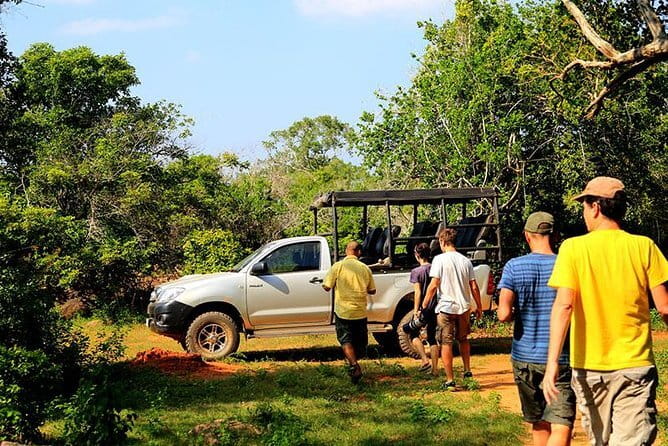
This is a focused 5 to 7 hour outing designed for people who want wildlife without turning it into a full-day marathon. You can choose either a morning or afternoon departure, which is handy if you’re working around a cruise schedule, a tight itinerary, or simply a preference for cooler or warmer hours.
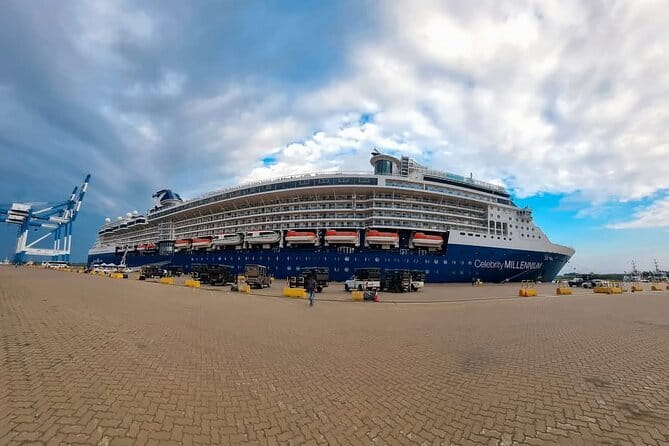
You’re also starting at a specific place: Hambantota Port. That matters because it removes a lot of “how do we get there” stress. The included port pickup and drop-off means you’re not negotiating local transport while trying to get your head around park timing.
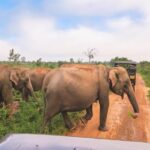
Inside the park, the day runs safari-style in a 4×4 vehicle. You’ll have a private driver/guide, so the plan isn’t just drive and hope. The guide’s job is to help you spot animals and point out wildlife you might otherwise miss at first glance.
One more timing note: the visit includes two stops, with the Elephant Transit Home (ETH) lasting about 30 minutes. So the lion’s share of your time is for Udawalawe itself. That’s a good ratio if you want animals first and learning second.
You can also read our reviews of more tours and experiences in Hambantota.
The 4×4 Jeep Ride and Guide-Spotting Power
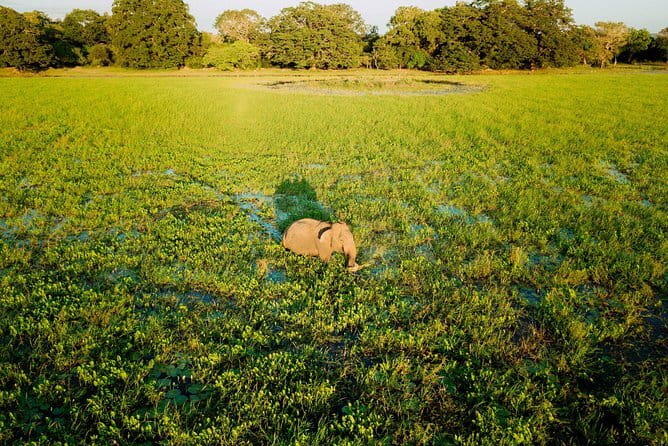
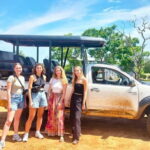
The tour is built around a safari Jeep setup (maximum of 7 passengers per jeep), which is a big deal for comfort and visibility. If you’ve sat in a crowded vehicle on a long day, you already know why: you end up squeezed, you can’t shift position easily, and your view can get blocked. Here, the smaller vehicle load makes it easier to follow the guide’s calls and turn your attention fast when something appears.
The other key ingredient is the driver/guide. Udawalawe is large, and wildlife isn’t lined up like a theme park. A good guide changes your odds, because they help you read the landscape and recognize signs. The format is “point out wildlife,” not “just drive around.”
Based on feedback patterns from people who’ve done this kind of safari day, the most satisfying moments are usually the quick flashes: an elephant sighting that turns into a longer look, or the surprise smaller animals that only show themselves briefly. With the guide doing the spotting work, you’re more likely to get those “wait, did we just see that?” moments.
What you should do to make it work: keep your phone/camera ready, but also keep your eyes up. You’ll see more if you treat it like a watch-and-learn day, not a constant recording day.
Stop 1: Udawalawe National Park, Why It Exists
Udawalawe National Park is not just scenery. It’s a protected sanctuary built partly because people and water projects changed animal life around the Walawe River. The park was created to support wild animals displaced by the construction of the Udawalawe Reservoir, and it also protects the reservoir catchment. That practical purpose is part of what makes the place feel serious and functional, not just scenic.
The park sits on the boundary of Sabaragamuwa and Uva provinces. It covers 30,821 hectares and was established on 30 June 1972. Before it became a national park, the area was used for chena farming (shifting cultivation), and farmers were gradually removed after the park was declared.
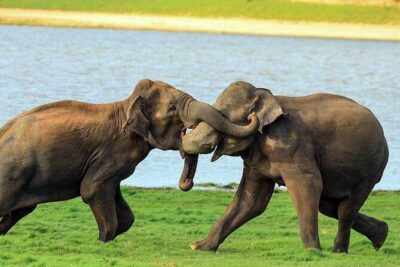
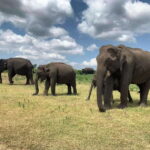
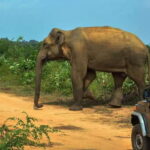
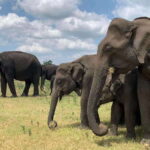
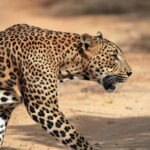
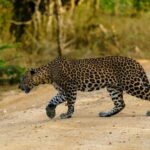
Why you care as a visitor: this park is shaped by real habitat needs. That helps explain why you can find a mix of wildlife species here, from big animals like elephants and leopards to smaller creatures like mongooses and bandicoots. The tour description also flags those ranges, so the day isn’t built around only one animal.
This stop includes park admission as a separate ticket cost. Admission is not included in the $60 tour price, so you’ll want to budget for that on top. The upside is that Udawalawe is the main event, so your money goes directly into the conservation system that keeps this reserve running.
If you’re sensitive to heat or long drives, know that Udawalawe is a safari environment, not an air-conditioned showroom. Bring a hat, sunscreen, and plan to stay hydrated. You’ll be happier when you stop thinking about comfort and start focusing on what you’re seeing.
Stop 2: Elephant Transit Home (ETH) and the Orphan Calf Mission

After the safari, your day shifts from spotting wildlife in the wild to understanding what happens when elephants don’t make it back on their own.
The Elephant Transit Home (ETH) is within Udawalawe National Park and was established in 1995 by the Sri Lanka Department of Wildlife Conservation. Its primary objective is to rehabilitate orphaned elephant calves and prepare them for eventual release back into the wild.
This is a short stop at about 30 minutes, so it’s not a long classroom visit. But it’s still a valuable contrast: you get to see the “wildlife today” side, then you learn about the “wildlife tomorrow” work being done nearby.
The tour description doesn’t list specific activities, so I’d treat ETH like a focused visit where you’ll learn the mission and see the rehab facility in operation, rather than expecting a hands-on experience. Admission to ETH is also separate, so it’s another line item you should expect to pay.
The best part for me in this kind of stop is mental context. When you’re later looking at elephants on safari, you’re not just seeing animals. You understand that some of them are part of an ecosystem with human impact behind it—and that there’s a system trying to fix what can be fixed.
Price and Value: What the $60 Really Covers
Let’s talk money in a way that helps you decide, not just shock you with totals.
The tour price is $60 per person and includes:
- Driver/guide
- Port pickup and drop-off
- Safari Jeep transportation (max 7 passengers)
What’s not included:
- Udawalawe National Park entrance fee: $45 per person
- Elephant Transit Home (ETH) admission: $7 per person
So if you pay both entrance fees, you’re looking at about $112 total per person for the full experience.
Is that good value? For most people doing this from Hambantota Port, I’d say yes, because you’re paying for time and logistics as much as you’re paying for driving. Getting a safari Jeep to the park, with a guide focused on spotting wildlife, costs real money even when you plan independently. And since your pick-up and drop-off are handled, you avoid the common headache of coordination.
Where you might feel less happy is if you think you’re getting a cheap all-in wildlife day. This isn’t an all-inclusive package. It’s a transport-and-guiding bundle, plus separate conservation-site fees.
Another small value point: the schedule fits a half-day window. That can be a big deal on ports, because you’re not losing an entire day to travel.
Comfort, Group Size, and the Real Day-to-Day Feel
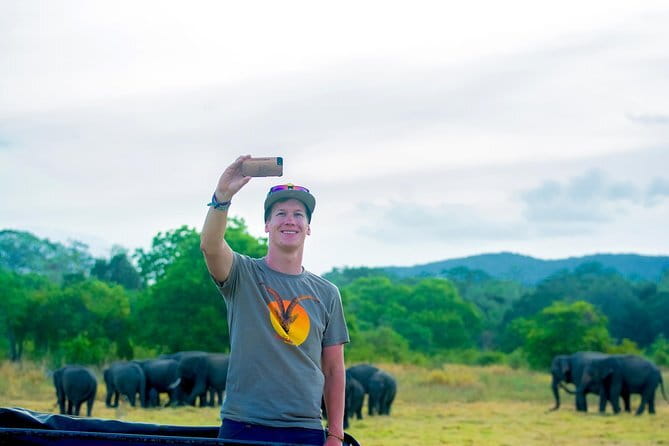
Even though it’s described as a private tour for your party, you’ll still be in a safari Jeep that holds up to 7 passengers. Practically, that usually feels like “a small group day,” not “a herd.” It also makes it easier to hear your guide and keep track of what they’re pointing out.
The wider operation allows a maximum of 99 travelers overall for the activity, which means multiple jeeps could be out at once depending on scheduling. You may not feel crowded, but you should expect that Udawalawe is a busy reserve and you’ll share the environment with other safari vehicles.
Now, one more reality check. A rare but important concern came up from someone who said the driver didn’t show at the port at the designated time, and they weren’t charged. That’s not enough for me to say never book—but it is enough for me to recommend you stay organized:
- Have your confirmation details accessible
- Double-check timing before the departure window
- If you’re on a cruise, factor in a buffer for any tender or port timing changes
When things are smooth, the day is excellent. When things aren’t, the port time pressure makes it more stressful than it needs to be.
What You Can Expect to See (and How to Make It Better)
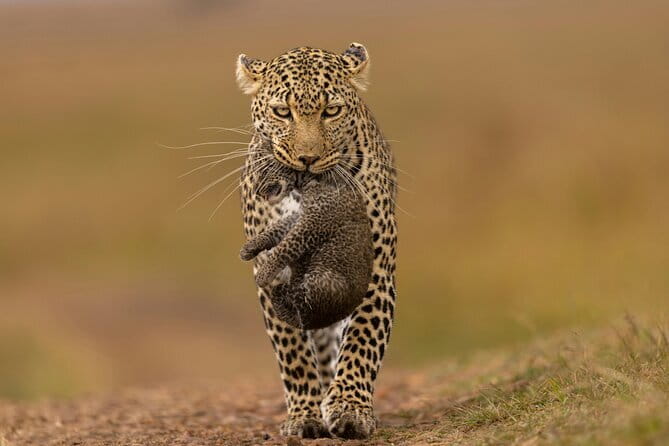
Udawalawe is famous for elephants, and the tour description also sets expectations for a wider wildlife mix: leopards, mongooses, bandicoots, and more. That range is the right approach. In a safari, the most rewarding moments often come from variety, not from forcing one species expectation.
Your guide’s spotting help matters most when wildlife is distant or partially hidden. So the best “strategy” is patience and quick reactions. When the Jeep stops, don’t rush to reposition your camera like you’re in a photo studio. Look first, then capture the moment.
Also, don’t judge the day by the first sightings. Many safaris feel slow at the start and then click into place. Choosing morning or afternoon also affects how comfortable you’ll feel—especially if you’re sensitive to heat.
For planning, remember that you’ll be paying separate park and ETH admission fees on top of the tour cost. Bring the appropriate payment method if you can, or plan to have cash ready.
And if you want the most satisfying experience, keep your expectations grounded: this is wildlife viewing in a natural reserve, not a guaranteed “you will see leopard up close” promise.
Who Should Book This Udawalawe Port Safari
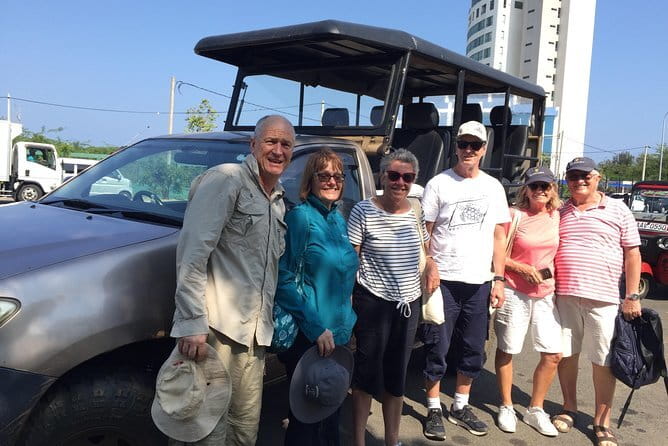
I think this tour is a great match if:
- You’re arriving via Hambantota Port and want a safari day without arranging separate transport
- You want a 4×4 safari with a guide focused on spotting wildlife
- You like the idea of pairing animals in the wild with a short visit to a rehab mission
- You prefer a half-day format (about 5–7 hours) over a longer day trip
You might rethink it if:
- You’re trying to stay strictly within the $60 base price, since entrance fees add a significant amount
- You’re someone who needs ultra-reliable, zero-surprise logistics and can’t handle the occasional hiccup that sometimes happens with any port pickup service
- You don’t like safari-style travel comfort and would rather do a more controlled, slow sightseeing day
In short: this is for people who want wildlife first and context second, delivered in a practical port-friendly window.
Should You Book This Tour?
Yes, I’d book it if you want the most direct path from Hambantota Port to Udawalawe, with a guide-led safari ride and a meaningful ETH stop. The value is strongest when you treat it as a transport-and-guiding service plus separate conservation-site fees.
My one “book smart” tip: go in prepared for the extra entrance costs and keep confirmation details close on port day. If you do that, you’ll spend more time watching elephants and less time worrying about logistics.
If you want a Sri Lanka wildlife experience that fits a real schedule, this one checks the boxes.
FAQ
What time is the tour?
You can choose either a morning or an afternoon departure.
How long is the experience?
It takes about 5 to 7 hours.
Is it private?
Yes. It’s described as a private tour for just you and your party, with a private driver/guide.
What’s included in the $60 price?
The price includes the driver/guide, port pickup and drop-off, and transportation in a safari jeep (up to 7 passengers per jeep).
What are the entrance fees?
Udawalawe National Park entrance is $45 per person, and Elephant Transit Home (ETH) admission is $7 per person. These are not included in the $60 tour price.
Is there a ticket you can use on your phone?
The tour features include a mobile ticket.
What if your plans change?
You can cancel for a full refund if you cancel at least 24 hours before the experience’s start time.
How many people are there in each jeep?
Each safari jeep has a maximum of 7 passengers.