REVIEW · TENERIFE
Tenerife. Stargazing at the Teide National Park
Book on GetYourGuide →Operated by Astroguide Tenerife · Bookable on GetYourGuide
First time you see the sky this close, you’ll remember it. This Teide National Park stargazing session pairs a high-end telescope with an unhurried guide-led sky lesson, from constellations to the stories people told long before we had spacecraft.
I especially like the small-group feel and the way Roberto (the Starlight tour guide) keeps things calm instead of rushing. I also love the hands-on setup: telescope views plus astronomical binoculars, with laser-style explanations that make what you’re looking at click fast.
One thing to plan for: it’s outdoors and it can get cold at this altitude. Bring real warm layers, because you’ll want to stay comfortable while you watch the sky for the long moments that are actually the fun part.
In This Review
- Key highlights worth your time
- Teide National Park at night: why the sky feels different here
- Meeting at Ermita de las Nieves and timing it right
- The 2-hour flow: what happens from start to finish
- Getting oriented before you crank up the view
- Laser-guided explanations that connect to what you’re seeing
- Telescope and binocular time that doesn’t feel rushed
- Closing with photographs
- Roberto’s style: mythology and science without the ego
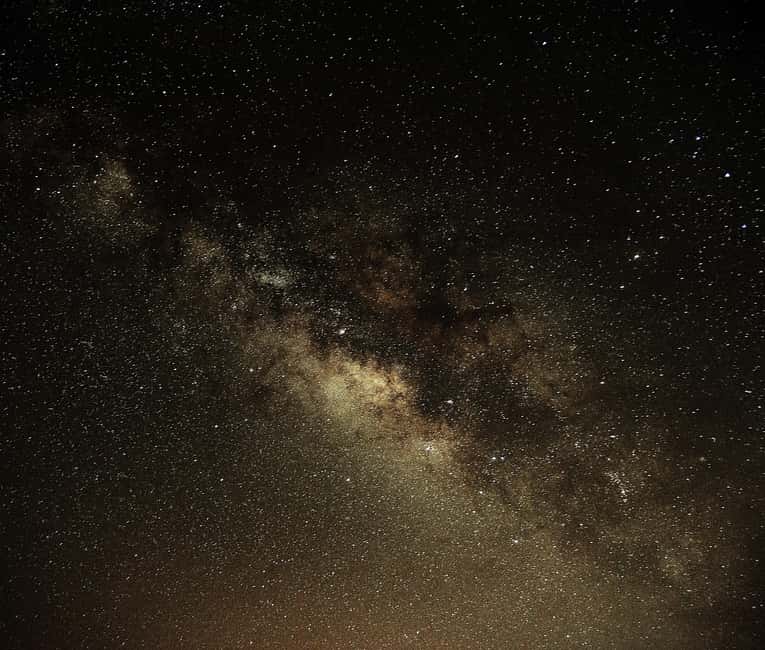
- What you might see: planets, constellations, and the surprises
- The photos: a small bonus that actually helps
- Price and value: is $40 a fair deal for Teide?
- Who this stargazing tour fits best
- What to bring: the cold is the real challenge
- Quick practical tips so you enjoy the whole show
- Should you book this Teide stargazing experience?
- FAQ
- Where is the meeting point for the stargazing tour?
- What time does the tour start?
- How long is the stargazing experience?
- How much does the tour cost?
- What’s included in the tour?
- What’s not included?
- What languages are available?
- Is the tour wheelchair accessible?
- What should I bring?
- Is this tour suitable for babies?
Key highlights worth your time
- Small group, slow pace so you can ask questions and actually see what matters
- High-end telescope + astronomical binoculars for both close-up detail and wider sky views
- Starlight-accredited guide with a story-first way of teaching the firmament
- History, science, and mythology tied to constellations and key stars
- Free photos so you leave with keepsakes, not just memories
- Cold-night support reported by many guests (water, chocolate, and even extra warm layers)
Teide National Park at night: why the sky feels different here
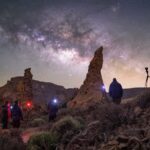
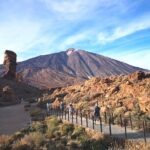
Teide National Park is the kind of place where stargazing stops being a novelty and starts feeling like a real event. The air is usually clear, the darkness is strong, and the stars pop in a way that makes you instinctively look up again and again.
What I like about this experience is that it doesn’t treat the night sky like a blur of random dots. Instead, you learn how to read it. You’ll start from basics—where things sit in the sky—then build up to recognizable constellations and the most important stars. That simple shift changes everything: you’re not just watching, you’re understanding.
You’re also in a spot ranked among the best in the world for stargazing, so you’re not paying for a mediocre sky view. The setting does its job. The tour just helps you notice what your eyes might miss on their own.
You can also read our reviews of more tours and experiences in Tenerife.
Meeting at Ermita de las Nieves and timing it right
You meet the guide next to the Ermita de las Nieves in Teide National Park. The session begins 40 minutes after sunset, and the whole experience runs about 2 hours.
That timing matters. If you arrive too early, the sky can still be bright enough to wash out faint objects. If you arrive too late, you lose some of that steady ramp from twilight to full darkness. Starting 40 minutes after sunset is a practical sweet spot for most skies.
A lot depends on weather, too. This kind of astronomy experience is “weather-dependent” in the real-world sense: clouds or haze can blunt what you see. The good news is the tour’s structure is built for the night itself—slow, focused observing rather than a rushed checklist.
If you’re driving, it’s helpful to know that parking is reported as available in the area, so you may have an easier time than you’d expect for an off-the-beaten-track meeting point.
The 2-hour flow: what happens from start to finish
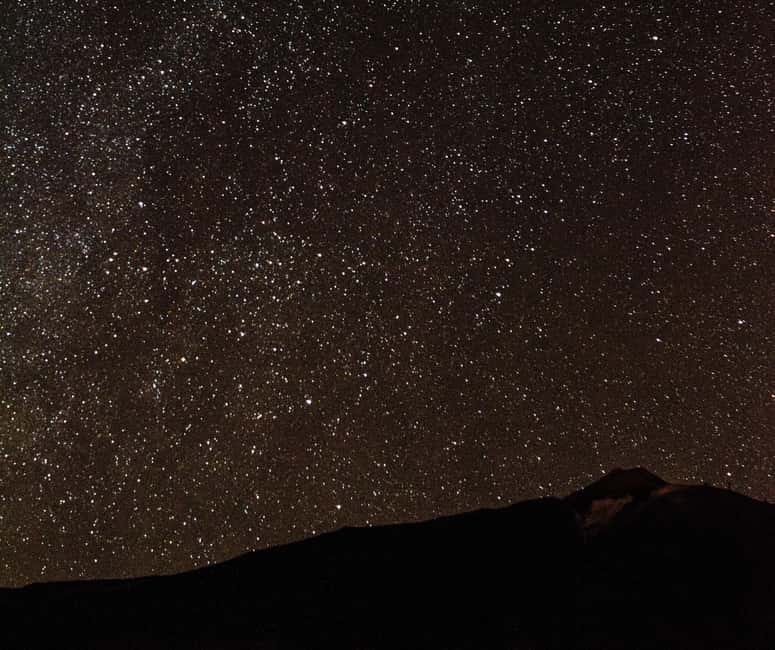
This is a true observational experience, not a lecture that happens while you’re waiting. The format is designed around using your eyes first, then enhancing what you see with the telescope and astronomical binoculars.
Here’s how the evening typically feels, step by step:
Getting oriented before you crank up the view
Right from the start, you’ll learn about how the sky works—especially the movements of the celestial sphere. That might sound heavy, but it’s usually explained in a way you can follow. You’re basically learning how the sky “slides” across the night, which helps you understand why something is visible when it is.
Then you’ll move into locating constellations and key stars. This is the part that makes later telescope time feel like an actual guided discovery, not just a look-through moment.
Laser-guided explanations that connect to what you’re seeing
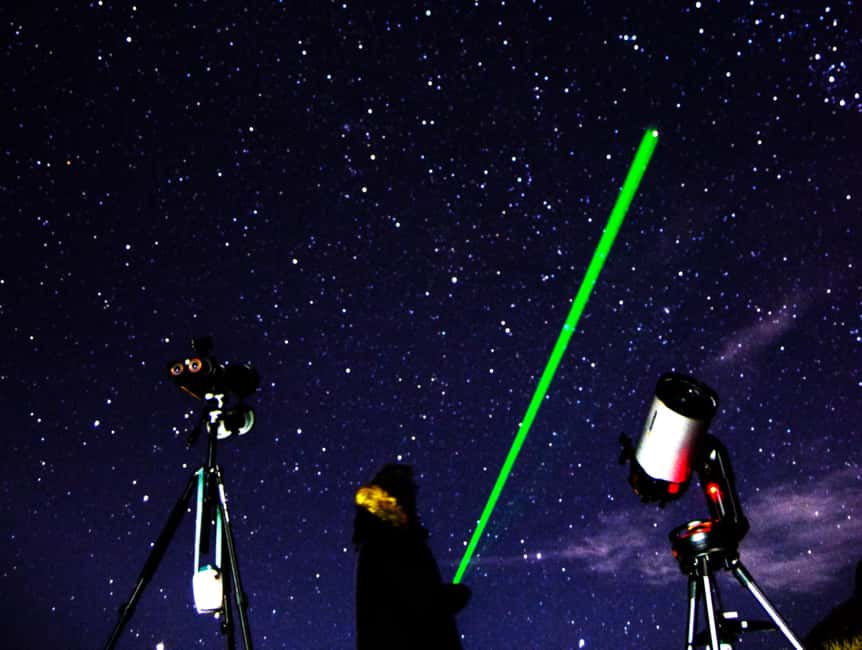
The tour includes explanations with laser technology. In practice, this helps you connect the story to the sky: a point in the dark becomes a named star, then that star becomes part of a shape you can trace with your eyes.

Telescope and binocular time that doesn’t feel rushed
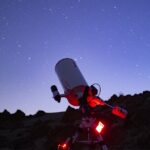
With high-end equipment in play, you should expect you’ll get time at the telescope, not just one quick look. You’ll also use astronomical binoculars as a companion tool, which is great if you want a wider view while saving the telescope for the moments that benefit from stronger detail.
The best stargazing nights are the ones where you can keep looking—watching something, then re-looking after a new piece of information lands. This tour’s calm pace is built for that.
Closing with photographs
At the end, you’ll get free photographs of the experience. It’s a nice touch because stargazing is hard to photograph well with a phone, and it’s easy to forget to capture the moment while you’re busy staring.
Roberto’s style: mythology and science without the ego
Roberto is the name you’ll hear again and again. The overall impression from the experience is that he’s both professional and genuinely passionate, and that he tells stories in a way that feels easy to follow—even if you don’t know the difference between a planet and a constellation when you arrive.
The tour blends three layers:
- History of the sky people watched
- Mythology tied to what constellations meant to earlier cultures
- Science that explains how the objects move, why they look the way they do, and how to identify what you’re looking at
I like this mix because it respects both sides of stargazing. One side is wonder. The other side is understanding. You get both, and you don’t feel talked down to.
Because the guide is Starlight-accredited, you also get the sense that the instruction is structured and respectful of astronomy education standards. You’re not just there to be entertained. You’re there to learn in a way that sticks.
And since it’s a small group, it stays interactive. You can ask questions, you can point at something you’re confused about, and the guide can tailor answers without the whole night getting derailed.
What you might see: planets, constellations, and the surprises
Your exact view depends on the night sky conditions, but the experience is set up for a classic Teide stargazing result: learning the big names and then enhancing your view with equipment.
Based on what guests describe, you may see:
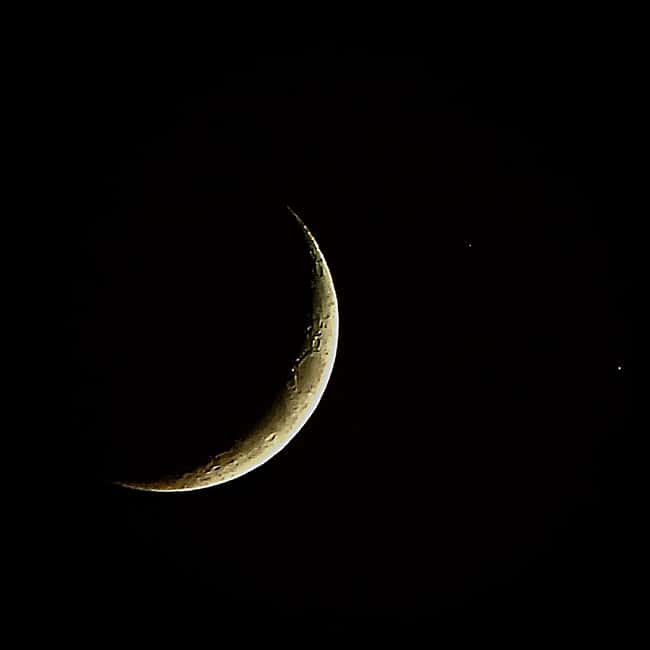
- Visible planets through the telescope
- Constellations and key stars once you know where to look
- Sometimes shooting stars during the observing period
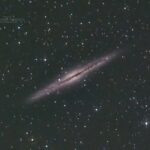
- Occasionally other deep-sky targets like galaxies, when conditions allow
Even when the night is quiet, the tour still delivers because you’re learning the “map.” You’ll be better at spotting patterns and understanding what changes over the hours after sunset.
One more practical note: stargazing is slow by nature. The goal isn’t constant action. The goal is good attention. If you’re the type who likes calm, patient experiences, you’ll get a lot more out of this than the person hunting for quick thrills.
The photos: a small bonus that actually helps
Free photos sound like a throwaway perk until you realize how hard night-sky photography is for most people. A phone usually can’t capture the faint detail you’re seeing through the telescope, and even if it does, it often looks nothing like the real view.
This tour includes free photographs of the experience at the end. That means you can focus on the sky during the session while still leaving with something you can share later.
If you care about having a nice souvenir without fuss, this matters.
Price and value: is $40 a fair deal for Teide?
At $40 per person for a 2-hour stargazing session, the value comes from three things working together:
First, you’re paying for high-end observing equipment (telescope plus binoculars), not just a guide with a casual pointer. Second, the guide-led format adds context—history, mythology, constellations, and the movements of the celestial sphere—so the time doesn’t feel like wasted waiting. Third, you get free photos, plus the tour is in a small group, so you’re not fighting for attention.
You don’t get everything in the price. Transfers and food/drink are not included. But that can be a good thing. It keeps the tour focused on the night itself.
If you’re the kind of traveler who wants a guided astronomy experience rather than DIYing in the dark, this price is reasonable for what you receive: equipment, expertise, time, and small touches that help you stay comfortable.
Who this stargazing tour fits best
This is ideal for you if:
- You want to see the night sky at Teide with guidance, not just wander around.
- You enjoy learning while you do something (constellations, star positions, how the sky shifts).
- You like small groups where questions are welcome and telescope time isn’t chaotic.
It’s also a good option if you’re traveling with teens, since the pace is unhurried and the explanations can work for a range of ages. One reported benefit: families appreciated that there’s no meal built into the plan, keeping the focus on stargazing.
If you’re expecting a party vibe, this isn’t that. This is for people who can enjoy quiet wonder for a couple of hours.
What to bring: the cold is the real challenge
The tour notes are simple: bring weather-appropriate clothing. In practice, plan for cold. Even if the day in Tenerife feels pleasant, stargazing at altitude can turn chilly fast.
I’d pack:
- Warm layers you’ll actually wear for a full observing session
- Something wind-resistant if it’s breezy
- Gloves you can tolerate while handling gear (if provided or if you need them)
- A hat that covers your ears
Several guests mention water and chocolate to help you stay comfortable, and some also report extra warm layers like fleece jumpers and jackets. Still, don’t count on the extra layer. Bring your own warmth and you’ll have an easier time enjoying the night.
Quick practical tips so you enjoy the whole show
- Arrive prepared for darkness. You’ll want your layers ready before the observing really begins.
- Keep your expectations flexible. The sky changes nightly, and clouds can affect what you can see.
- Ask questions when something clicks. In small groups, it’s the easiest time to get clarity.
- Give your eyes time. Even with a telescope, your own sight improves as the night darkens.
Should you book this Teide stargazing experience?
If you want Teide stargazing with structure—equipment, a calm small-group pace, and a guide who connects the sky to both stories and science—yes, I’d book it. The strong point here is not just the telescope. It’s the way the tour helps you read the sky while you’re looking at it, which turns a pretty night into a night you remember with understanding.
Book it especially if you care about the experience being unhurried, and you’d rather learn from a real guide than guess your way through constellations in the dark.
If you hate cold nights or you’re looking for a rushed, sightseeing-style tour, then you might want to choose something warmer and faster. But if you’re open to patience and wonder, this is a solid value at $40.
FAQ
Where is the meeting point for the stargazing tour?
You meet the guide next to the Ermita de las Nieves in Teide National Park.
What time does the tour start?
The activity starts 40 minutes after sunset. Exact start times vary, so you should check availability.
How long is the stargazing experience?
It lasts about 2 hours.
How much does the tour cost?
The price listed is $40 per person.
What’s included in the tour?
The tour includes a telescope, astronomical binoculars, explanations with laser technology, and free photographs of the experience.
What’s not included?
Transfer, food, and drink are not included.
What languages are available?
The live tour guide offers English and Spanish.
Is the tour wheelchair accessible?
Yes, it is wheelchair accessible.
What should I bring?
Bring weather-appropriate clothing, since you’ll be outside at night.
Is this tour suitable for babies?
It is not suitable for babies under 1 year.