REVIEW · ESTES PARK
Private Three Hour Afternoon Custom Tour of Rocky Mountain National Park
Book on Viator →Operated by Tour Estes Park · Bookable on Viator
Rocky Mountain National Park can feel like chaos fast. This private 3-hour afternoon plan keeps you moving smart, with wildlife spotting tips and a guide who connects the dots between animals, plants, geology, and local history. I like that you can start with a chat and get a custom itinerary for your group, and I also love the way the route adapts with quick stops for photos and short walks. One watch-out: at this altitude, you’ll want to plan for conditions (especially in winter), and you may wish you had water along since one review specifically called that out.
In This Review
- Highlights: what makes this RMNP tour work
- Key takeaways before you go
- 1: Estes Park pickup to RMNP entry, minus the day-planning headache
- 2: Your guide Bruce and the kind of learning you actually remember
- 3: Wildlife spotting game plan: moose, elk, deer, and more
- 4: What happens during the first phase in Estes Valley
- 5: Rocky Mountain National Park stops that make the 3 hours feel full
- 6: Winter vs. summer routes: Bear Lake or Trail Ridge Road
- 7: The value of private transport and flexible stops
- 8: Price, park pass, and where the real savings show up
- 9: What to bring for a comfortable, altitude-smart afternoon
- 10: Who this tour is best for (and who should skip it)
- Booking advice: how to get the most out of your custom itinerary
- Should you book this private 3-hour RMNP tour?
- FAQ
- Where does the tour start?
- What time does the tour run?
- Is this tour private?
- Is pickup included?
- Do I need a National Park pass?
- Is the national park reservation included?
- Does the route change by season?
- What if the weather is poor?
- Is the tour conducted in English?
Highlights: what makes this RMNP tour work
If you want the park without the stress of timing entry and parking, this tour is built for that. You’re not squeezed into a big group, and you’re not spending precious daylight trying to guess where moose or elk might show up.
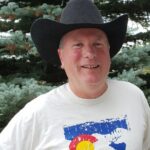
I especially like how the guide, Bruce, brings more than just talk. One couple noted he had photos, maps, and historical books, which is a big deal when you’re trying to understand what you’re looking at—beyond the view itself. And because it’s private, you can linger on a lookout point or take a short hike if you feel good that day.
The biggest consideration is value: this is $132.80 per person, and while it includes major costs like fees, taxes, and transportation, it still doesn’t include the park pass. If you’re traveling on a tight budget and you’re comfortable self-navigating RMNP, you’ll want to weigh that.
Key takeaways before you go
- Private time with Bruce: only your group, with a guide who can shape the pace to your interests
- Wildlife focus: you’ll get practical guidance for spotting moose, elk, deer, and more
- Reservation included, park pass extra: the timing hurdle is reduced, but you still need the $15 pass
- Season-driven route choices: winter centers on Bear Lake area; summer targets Trail Ridge Road
- Stops you can actually use: lookouts, brief walks, and photo breaks rather than drive-through touring
- A flexible plan in real conditions: route adjustments are made when weather or road conditions change
You can also read our reviews of more tours and experiences in Estes Park.
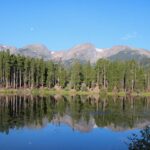
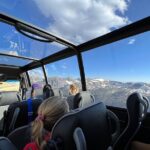
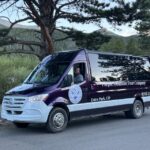
1: Estes Park pickup to RMNP entry, minus the day-planning headache
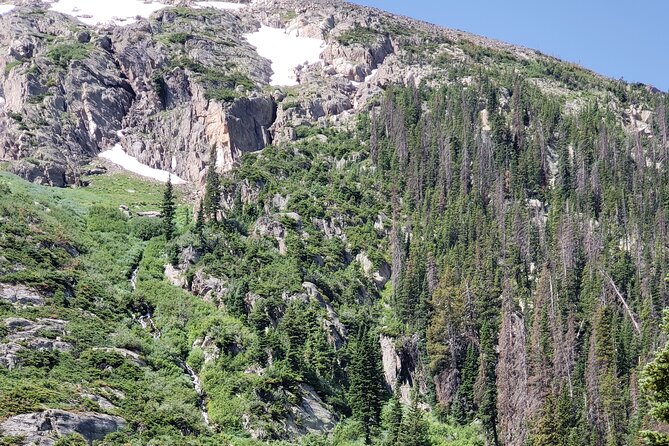
This tour is designed to start in a way that makes your afternoon feel effortless. You can meet Bruce either at your lodging in Estes Park or at the Estes Park Visitor Center at 500 Big Thompson Ave, and you’ll head into Rocky Mountain National Park from there.
The value here is not just “transportation.” It’s what transportation buys you in RMNP: fewer decisions. You don’t have to stress about which lot to use, how long you’ll hunt for parking, or whether you’re aiming for the right area at the right time of day.
You’ll also get a few short stops in the Estes Valley before you enter the national park proper. The goal is to help you get oriented and start spotting wildlife early, before crowds and visitor traffic get intense. In winter, those early stops matter even more because conditions can shape what’s accessible later.
2: Your guide Bruce and the kind of learning you actually remember
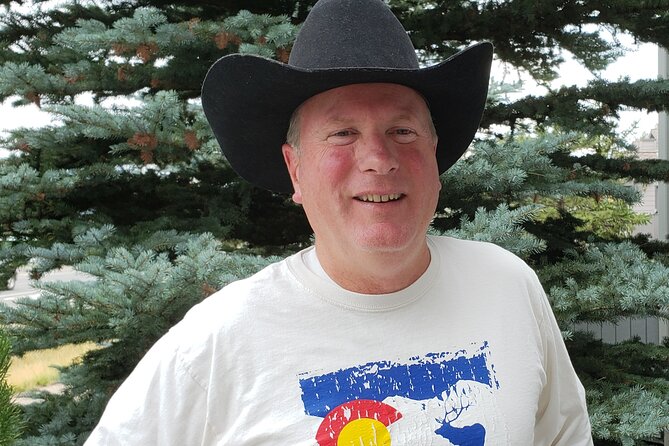
The standout theme across the experience is the guide himself. Multiple groups described Bruce as a teacher in how he keeps people engaged while still staying practical. One review even called out that he kept the energy up during the full 3 hours, which is no small task at high altitude when everyone’s attention span is shrinking.
What I like about this style is that it doesn’t feel like a lecture. Bruce uses visuals—photos, maps, and historical materials—to explain how the park changed and how the ecosystems work. That can transform a “pretty view” into something you can name and understand: what you’re seeing, why it’s there, and how wildlife uses it.
There’s also a real flexibility in how he handles pace. One couple said he’d encourage short hikes and that he’d drop them off on small trail sections, then pick them up when they were done. That means you’re not forced into a rigid “walk here, stand there” routine. If your group wants to move slowly and soak in the scenery, you can.
One more practical point: if you’re coming from out of state, ask questions early. Bruce will ask where you’ve been and what you like, and then he can adjust the route to better match your interests—whether that’s wildlife chances, views, or history and geology.
3: Wildlife spotting game plan: moose, elk, deer, and more
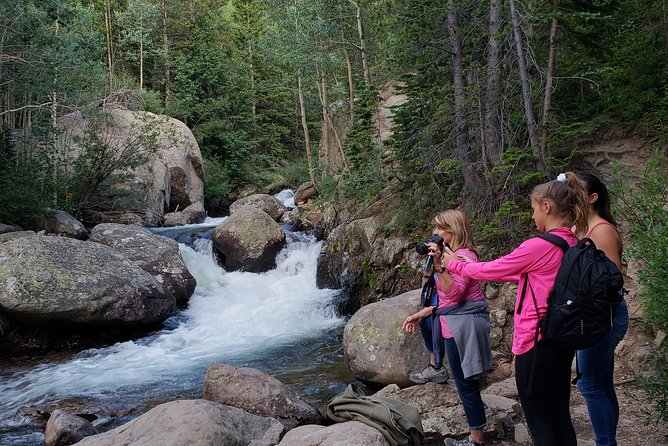
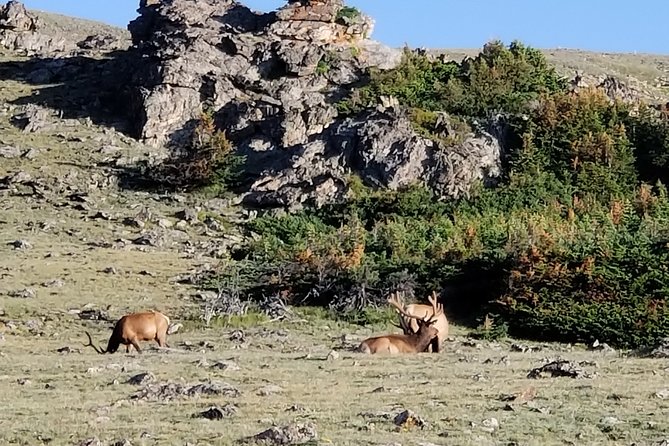
This tour is explicitly built around wildlife spotting: moose, elk, deer, and other animals. The guide’s job is to increase your odds and help you understand what you’re looking at. That’s where a local guide beats a do-it-yourself approach.
In the field, wildlife spotting is less about “finding” and more about timing, patience, and reading the environment. You’ll be stopping at places where you can actually watch: pullouts and lookouts that let you scan with less effort and fewer distractions.
Also, wildlife sightings tend to cluster around habitat and movement patterns, not just random luck. A key benefit of having Bruce with you is that he can frame those patterns in plain language—so you’re not only waiting, you’re learning while you wait.
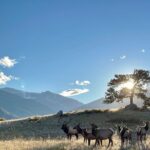
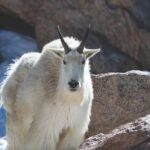
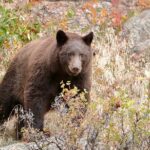
From the experience outcomes shared, you might get lucky with a lineup that includes elk, mule deer, and moose, plus occasional surprises like big horn sheep and wild turkey. Even when you don’t see a moose on cue, you’ll still come away with better instincts for where to look and how to interpret what you spot.
4: What happens during the first phase in Estes Valley
Before you jump fully into RMNP, you’ll make short stops around Estes Valley. This isn’t filler. It’s a quick way to:
- warm up your eyes for wildlife and terrain
- get small history context
- find a rhythm for the afternoon
Those early stops can be helpful if you’re not familiar with the area. They also create a calmer start than going straight into the park and trying to “solve RMNP” on your first hour.
If you like photography, this is also a smart phase: you can practice your camera settings and get comfortable with the light and views, then carry that into the bigger scenic areas once you’re in RMNP.
5: Rocky Mountain National Park stops that make the 3 hours feel full
This is an “afternoon hits the best spots” kind of tour. You’re not trying to cover every corner of RMNP in 3 hours. Instead, you get guided access to the areas that make sense for the time of year and for wildlife and viewpoints.
Expect a mix of:
- short viewing stops for scanning and photos
- brief walks when conditions allow
- time for the guide to explain what’s happening in the ecosystems you’re moving through
A recurring theme from the experience description is that you’ll take short hikes as the time allows. That matters because RMNP isn’t just about looking from the road—you’ll get chances to step out and feel the altitude and the vegetation up close.
A practical drawback to keep in mind: altitude makes everything slightly harder. Even a short walk can feel longer than it should, especially if you’re new to Colorado elevation. Plan for a relaxed pace, and don’t be shy about telling the guide you want fewer steps and more viewing time.
6: Winter vs. summer routes: Bear Lake or Trail Ridge Road
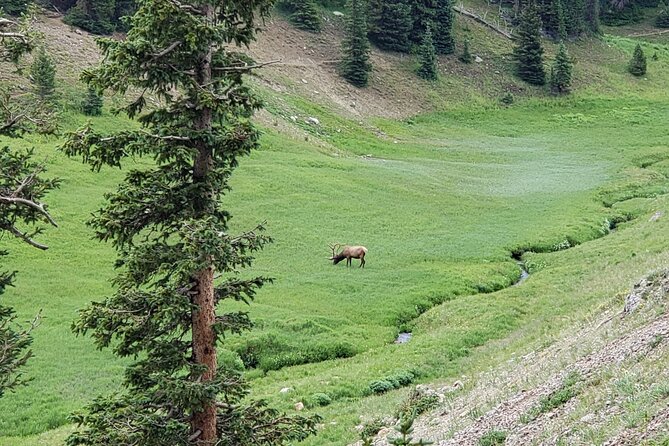
One of the best things about this tour is that it has seasonal logic built in. The destination changes depending on when you go, so you’re not wasting time on areas that aren’t realistic in that season.
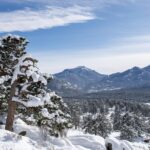
In winter, the focus can be Bear Lake for snowy scenery, with the possibility of a short snowshoe walk depending on what the day allows. Snow changes everything in RMNP: visibility, footing, and access. It also tends to thin out crowds, which can make wildlife sightings and quiet photo moments more achievable.
In summer, the big draw is Trail Ridge Road, the highest continuous road in the US. This is where you get big-elevation views fast. It’s also where weather can switch quickly, so your guide needs to manage conditions and keep the route sensible.
No matter the season, you’ll still get plenty of stops for wildlife viewing and photography. The key is that the guide chooses the route that fits the season’s reality, not just what’s popular on a map.
7: The value of private transport and flexible stops
One of the strongest “why” behind private touring is simple: you can adjust without losing the day. With a group tour, your schedule is locked to the slowest decision and the rigid time blocks. With a private tour, you’re more free to:
- linger where wildlife is active
- take a short walk if everyone feels good
- skip a stop if weather or road conditions don’t cooperate
Air-conditioned vehicle support helps too, especially in summer when you might be stepping in and out of the car repeatedly. And because pickup is offered from your lodging, you’re not spending your afternoon wrestling logistics before you even reach the park.
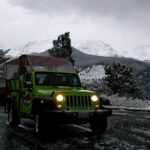
In one review, a suggestion was to clarify that the vehicle is an SUV, since it blended into the scenery of other jeep-style tours at the start point. That’s not a deal-breaker, but it’s useful to know: expect a normal park-tour SUV feel—comfortable, private, and designed for driving and short pullouts rather than a rugged expedition.
8: Price, park pass, and where the real savings show up
The price is $132.80 per person for about 3 hours. That can feel steep until you break down what’s included.
What’s included:
- all fees and taxes
- air-conditioned vehicle and private transportation
- national park reservation support
What’s not included:
- the National Park Pass, listed at $15.00 per person
Here’s how I think about value: this tour reduces stress and time wasted on logistics. In RMNP, that can be the difference between a good afternoon and a frustrating one where you spend half the day trying to sort out access, timing, and parking.
If you’re already planning to visit RMNP on your own and you have everything lined up, you might not “need” a guide. But if your goal is wildlife spotting plus understanding what you’re seeing, the added cost can start to look reasonable—because the guide is helping you make the most of the limited time you have.
Also, this tour is booked about 45 days in advance on average, which is another signal that the timing matters. If you want a specific afternoon slot, plan ahead.
9: What to bring for a comfortable, altitude-smart afternoon
The tour is short, but conditions in RMNP can still surprise you. A few practical prep tips will make a noticeable difference:
- Bring water. One review specifically suggested having water available in the vehicle. Even if that’s not guaranteed, you’ll feel better with your own.
- Dress in layers. Altitude + weather shifts are real, and you’ll be stepping outside for views and walks.
- In winter, plan for winter traction. One review mentioned tips for wearing spikes and hikes in snowy areas, and that aligns with what you should prepare for in RMNP snow conditions.
- Wear shoes that can handle short walks. Even if you’re not planning a long hike, you’ll likely step onto uneven ground.
If you’re traveling with kids, this kind of guided narration tends to work well. One family specifically mentioned the kids enjoyed Bruce’s vibe, which makes sense—short stops plus clear explanations plus wildlife potential is a good combo for younger attention spans.
10: Who this tour is best for (and who should skip it)
This is best for you if:
- you want a private RMNP experience with your own pace
- wildlife spotting matters to you more than checking off every scenic viewpoint
- you’d rather pay for expertise than spend energy figuring out the park alone
- you’re visiting for the first time and want context quickly
It may be less ideal if:
- you’re on a strict budget and you’re comfortable handling park logistics yourself
- you only want a self-guided drive and you don’t care about explanations or wildlife strategy
- you’re expecting the longest hike possible (this is built for viewing and short trail sections)
If you’re the type who wants to ask questions and adjust plans mid-afternoon based on what you see, you’ll likely love how this tour flows.
Booking advice: how to get the most out of your custom itinerary
This is a custom tour in practice, not just a marketing phrase. The best move is to chat with Bruce before the tour so your afternoon matches what you care about most.
A smart way to approach that conversation:
- tell him what wildlife you most want to see (moose, elk, deer)
- mention whether your group is up for short walks
- ask about the season-specific route choices, since winter and summer use different anchors (Bear Lake vs. Trail Ridge Road)
- share any photography goals, since the tour includes plenty of stops for photos
One bonus from the experience outcomes: Bruce can make recommendations for the rest of your drive through the mountains. That’s useful when you only have limited time and you’d like a smoother route out.
Should you book this private 3-hour RMNP tour?
If you want RMNP done the smart way—wildlife odds, better stops, and real explanations—this tour is a strong buy. I like that it’s private, that the day is paced for viewing and short walks, and that reservation support is included so you’re not fighting timed-entry complexity.
The main reasons you might hesitate are cost and the park pass add-on. But if you’re valuing convenience and guidance, the price starts to make sense quickly. It’s also a good first RMNP move: you’ll learn enough to enjoy a future self-guided visit even more.
My simple call: book it if this is your first time in Rocky Mountain National Park or if wildlife is the priority. Skip it if you’re confident you’ll be satisfied with a basic drive and you don’t want to pay for guidance and interpretation.
FAQ
Where does the tour start?
You’ll meet in Estes Park either at your lodging or at the Estes Park Visitor Center at 500 Big Thompson Ave.
What time does the tour run?
The start time listed is 1:00 pm, and it lasts about 3 hours.
Is this tour private?
Yes. It’s private, and only your group will participate.
Is pickup included?
Yes, pickup is offered from your lodging in Estes Park.
Do I need a National Park pass?
Yes. A National Park Pass is not included and costs $15.00 per person.
Is the national park reservation included?
Yes. The tour includes a national park reservation.
Does the route change by season?
Yes. In winter the destination can be Bear Lake, and a short snowshoe walk may be possible. In summer the destination includes Trail Ridge Road.
What if the weather is poor?
This experience requires good weather. If it’s canceled due to poor weather, you’ll be offered a different date or a full refund.
Is the tour conducted in English?
Yes, it’s offered in English.