REVIEW · ESTES PARK
Estes Park: Rocky Mountain National Park Safari Tour
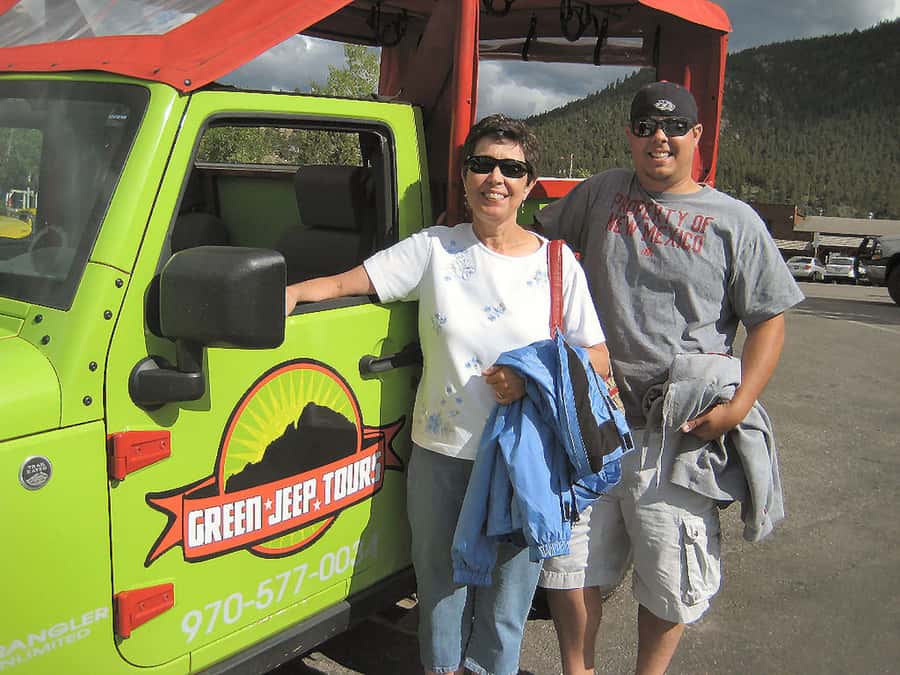
Book on GetYourGuide →Operated by Green Jeep Tours LLC · Bookable on GetYourGuide
Wildlife spotting hits different at 12,000 feet. This Rocky Mountain National Park safari tour is built for big scenery, smart stops, and a guide who knows where to look.
I like two things most: the small group size (10 max), which makes it easier to pull over for photos and adjust when the action happens. I also really value the guide-led storytelling and wildlife searching you’ll get from folks like Dan, Sam, Craig, Pete, and Julie, who focused on park history, geology, and where animals tend to show up.
One consideration: this tour is not suitable for wheelchair users, and the experience involves getting in and out of the vehicle and riding roads that can feel steep and busy with stops.
In This Review
- Key Points to Know Before You Go
- Estes Park at 7,500 Feet: Why This Start Matters
- Lowland Meadows, Aspen Groves, and River Views Without the Headaches
- Trail Ridge Road to the High Tundra: Big Views, Realistic Expectations
- Waterfall Stop and Wildlife Viewing: How the Safari Style Works
- Old Fall River Road Over the Continental Divide When It’s Open
- The 3-Hour Timing: What You’ll See and What You Won’t
- Gear, Altitude, and Comfort Tips That Actually Help
- Price and Value: Is $130 for This Safari Worth It?
- Who This Tour Fits Best in Real Life
- Should You Book This Estes Park Rocky Mountain National Park Safari Tour?
- FAQ
- FAQ
- How long is the Estes Park Rocky Mountain National Park safari tour?
- Where does the tour start?
- What elevations do you reach during the tour?
- Are national park entrance fees included?
- Do you visit Trail Ridge Road and Old Fall River Road?
- Does the tour include wildlife viewing?
- Is there a waterfall stop?
- What should I bring?
- What group size is this tour?
- Is it wheelchair accessible, and is cancellation free?
Key Points to Know Before You Go
- Trail Ridge Road high point with tundra scenery above 12,000 feet
- Old Fall River Road over the Continental Divide when it’s open
- Wildlife viewing focused stops, including chances for elk, moose, and small mammals like pikas
- Guide narration that turns the drive into a lesson, often with lots of park history
- Small group of 10, which makes photo pull-offs less rushed
- Short walks may happen when you stop for viewpoints and waterfall time
Estes Park at 7,500 Feet: Why This Start Matters
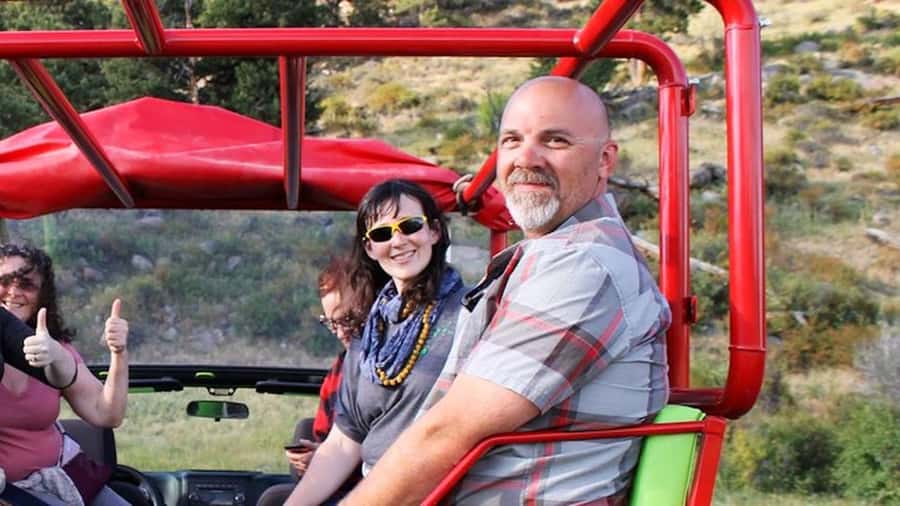
The tour kicks off in historic downtown Estes Park, right around 7,500 feet above sea level. That matters because RMNP feels like two different worlds in a short distance: cool mountain air at the start, then the higher tundra zone up top.
Even if you’re not a hiking person, you’ll still experience the altitude shift the way the park intends you to. You’ll move through lowland meadows and aspen groves before climbing toward higher elevations. That means the scenery changes in layers, not in one long, repetitive drive.
I also like the “you don’t have to plan” style. You show up, your guide handles the route, and you get a running commentary as the park landscape (literally) changes. It’s a good fit if you want to see the park without spending your energy on parking, timing, and map puzzles.
You can also read our reviews of more tours and experiences in Estes Park.
Lowland Meadows, Aspen Groves, and River Views Without the Headaches
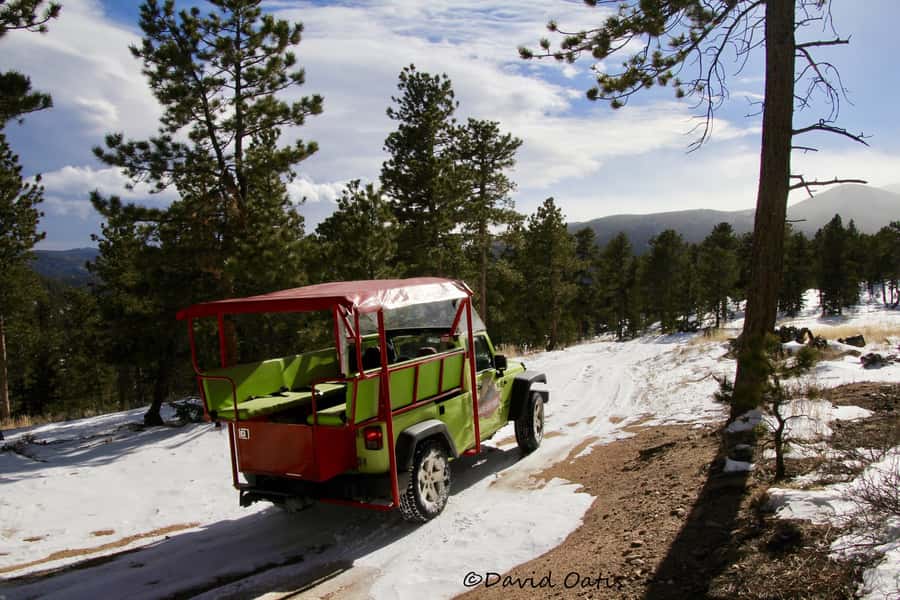
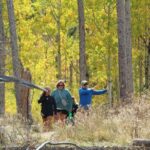
A big part of the appeal here is the sequence: meadows → aspen groves → rivers. These are the areas where you can often spot movement and hear the park before you even see it clearly. And aspen season has its own magic in RMNP, especially when the light hits the trunks and the park feels bright but still cool.
The rivers and swift-flowing waterways add a different kind of beauty than the dramatic overlooks. You get places where you can pause, look for wildlife at the edges, and also appreciate how water shapes the valley.
There’s also a practical angle. The lower parts of the route tend to be easier to absorb while you’re still adjusting to altitude. By the time you’re heading higher, you’re warmed up visually and mentally, and the big summit views won’t feel like whiplash.
If you’re traveling with family, this portion is the “everyone can enjoy it” part. It’s scenic and readable, and it gives you time to settle in before the higher, more dramatic driving.
Trail Ridge Road to the High Tundra: Big Views, Realistic Expectations
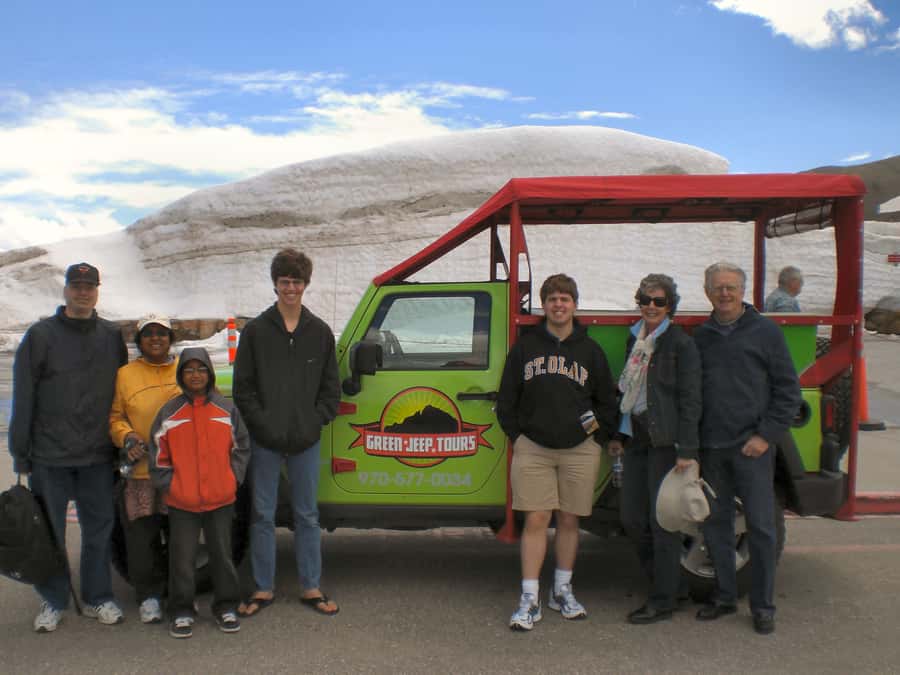
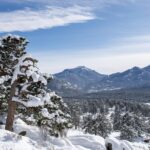
The tour reaches the highest part of Trail Ridge Road, and you’ll get stops that take you up toward the tundra zone above 12,000 feet. This is the RMNP section people talk about for a reason: the air feels sharper, the views feel wider, and the vegetation thins out in a way that makes the mountains look even taller.
Here’s the realistic part I’d tell you up front. At higher elevations, weather can change quickly, and visibility can affect what you can see. The tour is designed to make the most of the drive time with narration and planned stops, but it can’t control clouds or wind.
Still, the payoff is strong. Multiple guide-led pauses along the way let you slow down at viewpoints instead of just passing them. And when the group is small, you’re more likely to get pulled off for the exact angle you want for photos.
If you want a “top of the world” moment without trying to drive Trail Ridge Road yourself, this is a strong way to do it. You’re basically buying time and access: your guide handles the roads, you handle the looking.
Waterfall Stop and Wildlife Viewing: How the Safari Style Works
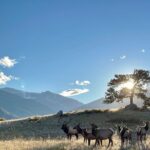
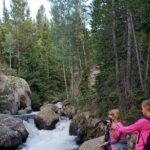
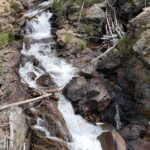
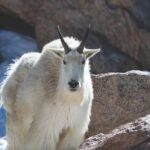
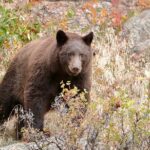
This tour isn’t just about driving to overlooks. It’s structured for wildlife chances, with stops for wildlife viewing and a waterfall stop along the way.
What I really like about the “safari” approach is that your guide uses the vehicle to reposition fast when something might be worth a closer look. In the feedback, guides like Sam and Pete were praised for being determined to find animals, even when the timing wasn’t perfect. That kind of effort matters because wildlife in RMNP is not scheduled like a museum exhibit.
The guides also tend to explain what you’re looking at. That could be behavior (where animals feed), habitat (what vegetation attracts which species), or basic park history that ties the scenery together. Several guides were described as history-and-nature teachers in one, like Craig with non-stop stories or Julie with enthusiasm about climate impacts and vegetation.
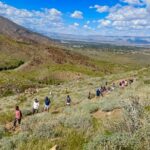
One more practical note: you might do a short walk at certain stops, especially around waterfall areas. Reviews mention short hikes that were worth it, so wear hiking shoes and expect to step out for photo and viewpoint time.
Old Fall River Road Over the Continental Divide When It’s Open
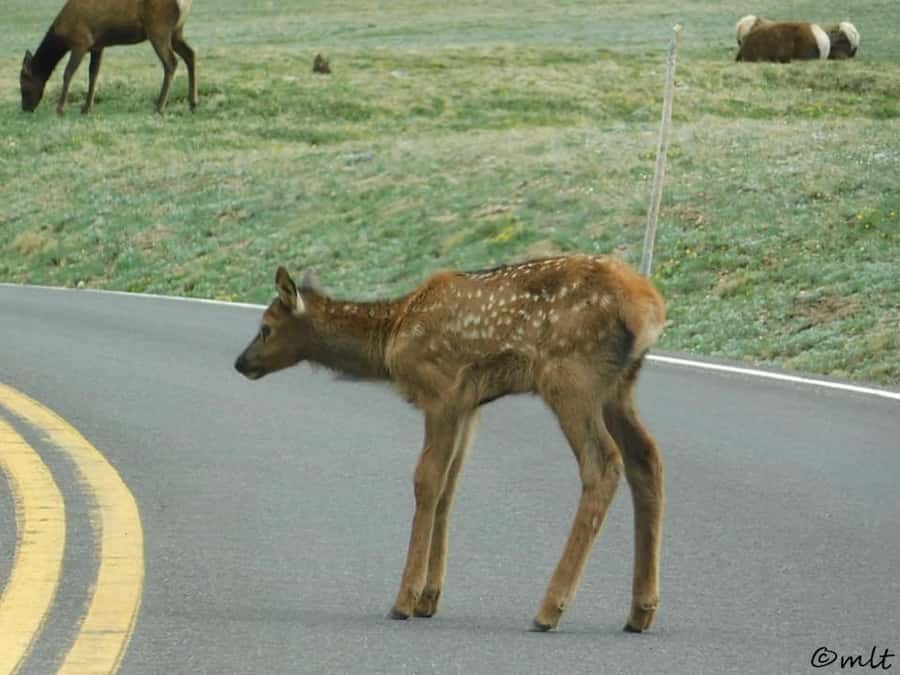
One of the most distinctive elements is going to Old Fall River Road, described as the oldest road over the Continental Divide. It’s also a historic one-way road that the tour includes when it’s open.
This section gives you variety that you don’t always get on a straight “park drive” day. Instead of only stacking scenic pull-offs, Old Fall River Road adds a sense of route history: the road itself is a living artifact of how people once crossed this part of the Rockies.
When it’s open, it’s also a bonus because you’re adding an extra style of experience: a different grade, different views, and a different rhythm to the ride. If it’s not open, you’ll still get plenty of other stops, but this specific highlight depends on conditions.
I like that the tour openly frames this as an “when open” stop. That’s honest. Mountain roads have their own rules, and the best tour operators adjust rather than pretending everything will always be available.

The 3-Hour Timing: What You’ll See and What You Won’t
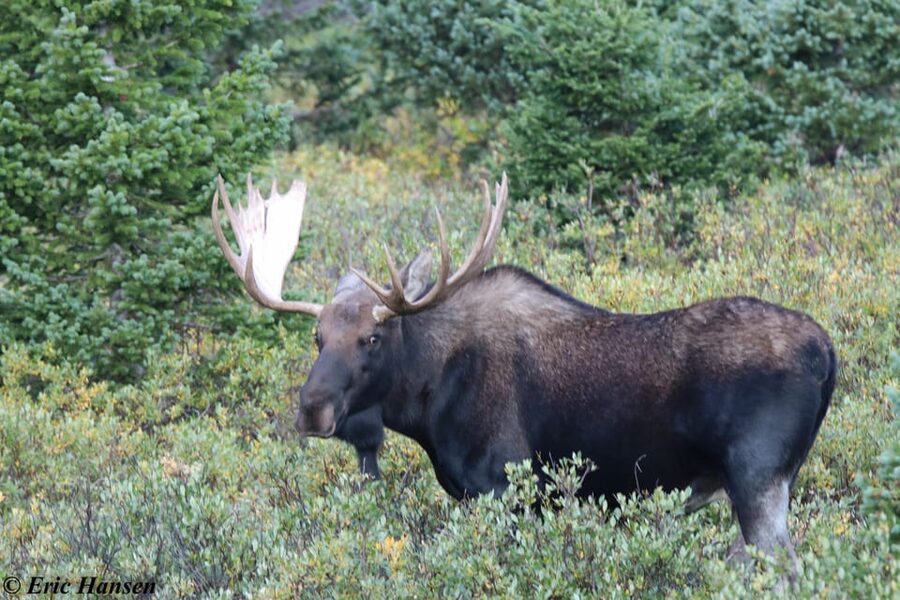
At 3 hours, you’re not trying to “do RMNP.” You’re doing the smart version of RMNP: the parts that give you the biggest visual range and the best chance to see wildlife, without requiring long hikes or full-day navigation.
That timing also helps you plan the rest of your day in Estes Park. You can pair it with a meal downtown, a short walk in town, or another park stop without exhausting yourself. If you’ve got limited time in the area, this tour is a strong way to get a first-timer orientation fast.
What you might not get with 3 hours is deep backcountry access or long, strenuous trails. The tour focuses on driving and viewpoints plus short stop walks when it fits. So if your dream RMNP day is multi-hour hikes, you’ll need to complement this with a separate plan.
That said, for most people, the point is value-per-hour: you spend your time where the park gives you the most payoff—meadows, aspens, river edges, high tundra, and major historic roads—while your guide handles the hard parts.
Gear, Altitude, and Comfort Tips That Actually Help
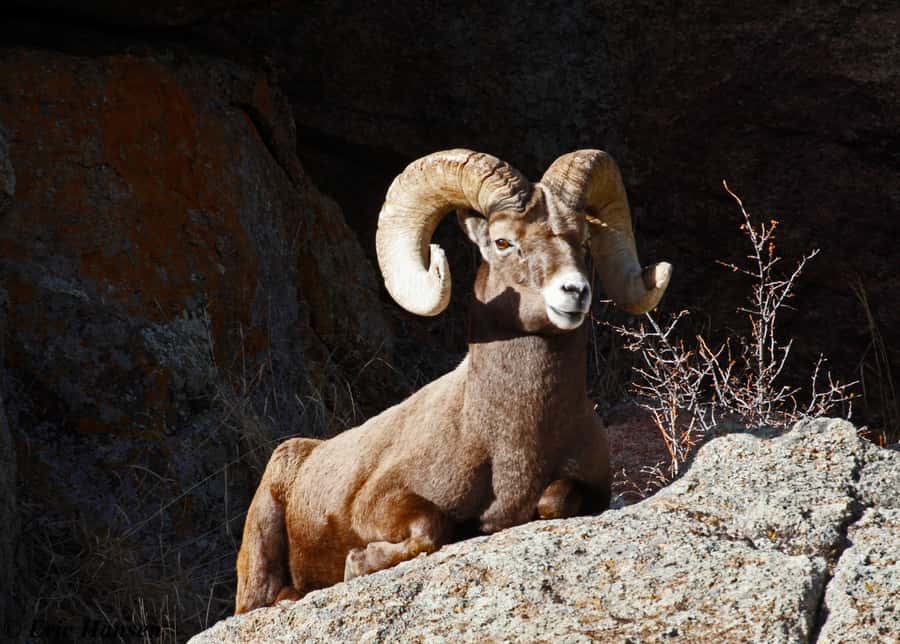
Your pack list is short and smart: sunglasses, sun hat, camera, hiking shoes, water, and weather-appropriate clothing. Don’t overthink it, but do follow it. High country sun can sneak up on you, and elevation means you may feel it even before you notice anything else.
Comfort matters on this tour. The roads can be steep and winding, and you’ll also be stepping out for viewpoints. Hiking shoes beat sandals here. Water keeps you steady at altitude and helps when you’re waiting for a wildlife moment.
Also, consider how you’ll handle getting in and out of the vehicle. The tour isn’t suitable for wheelchair users, and some riders with mobility challenges specifically appreciated extra care with seating and comfort. If you’re unsure about your comfort level, it’s worth thinking about steps/entry before you book.
And if you’re sensitive to wind or temperature swings, dress in layers. Above treeline, conditions can shift fast, and you’ll feel it more than in town.
Price and Value: Is $130 for This Safari Worth It?
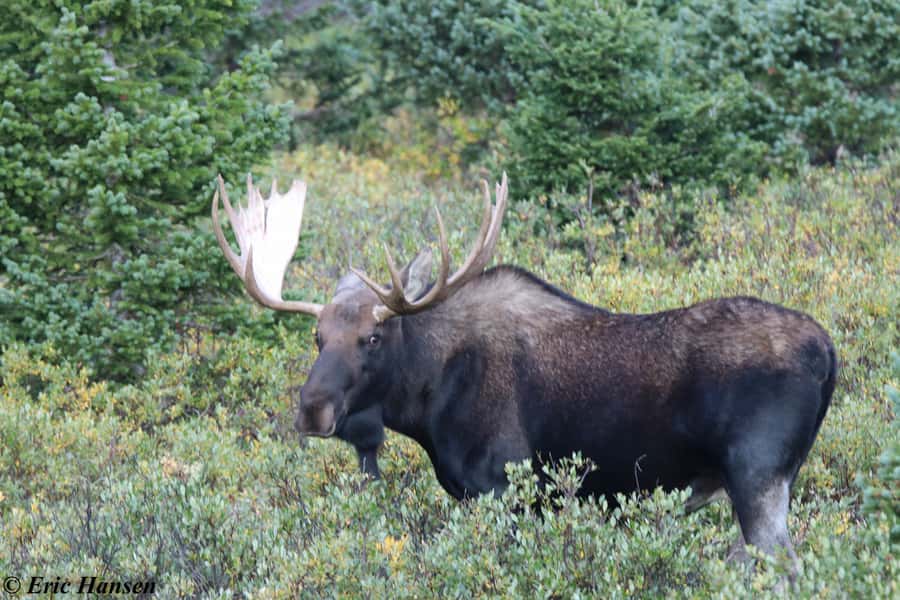
At $130 per person for a 3-hour experience, the price has to earn its keep. Here’s what helps it make sense.
First, your ticket includes national park entrance fees plus taxes and fees. That removes one big “hidden cost” from the planning.
Second, you’re paying for route knowledge and saved effort. Trail Ridge Road and Old Fall River Road are not the kind of drives you want to learn on the fly—especially if you’re not used to mountain roads. Your guide does the driving, handles pull-offs, and adds narration so you get more than just a pretty drive.
Third, you’re buying the small-group advantage. Limited to 10 participants, you get a calmer experience and more practical photo timing. That’s not just comfort; it’s how you actually get usable wildlife and view shots without everyone trying to squeeze at the same time.
If you’re visiting RMNP for the first time, want guided context, and don’t want to manage multiple stops and parking on your own, $130 can feel like a fair trade. If you already have a car plan and you love driving steep roads solo, then you might spend less by self-driving—but you’d be giving up the guide narration and the structured stops for wildlife.
Who This Tour Fits Best in Real Life
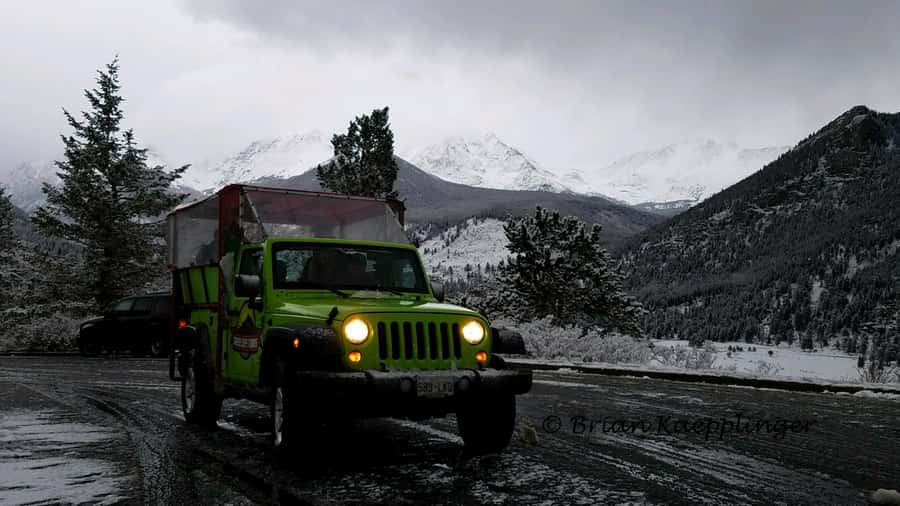
This is a great match if you want RMNP in a guided, efficient format. It’s also a good fit for people who want to see the park without long hikes, and for families who want a “wow” day without turning it into a marathon.
The guide style seems to matter a lot. In the feedback, guides were praised for being friendly, focused on safety, and genuinely trying to locate wildlife. If you care about learning while you look, this tour is built for you.
It’s also a decent choice if your group includes older travelers. Multiple comments noted comfort and support on steep roads, including extra care for mobility needs. The small group helps here too because it’s easier for the guide to adapt when someone needs a little extra time.
One group to think about carefully: anyone using a wheelchair. This tour isn’t suitable.
If you’re an all-day hiker who wants solitude and trail time, you may prefer a hike-first plan instead. But if you want a top-to-bottom park introduction with the best driving highlights, you’ll likely enjoy the structure.
Should You Book This Estes Park Rocky Mountain National Park Safari Tour?
Book it if you want a fast, guided hit of RMNP that covers lowlands, high country, and historic roads, with wildlife-focused stops and narration from experienced guides. I’d especially recommend it if you’re short on time, don’t want to drive Trail Ridge Road yourself, or you want the park explained as you go.
Skip or reconsider if your main goal is long hikes, or if mobility needs require wheelchair access. Since the experience involves vehicle entry and stops on mountain roads, it’s better to choose something that matches your physical comfort level.
If you’re deciding between self-driving and guided, I’d lean guided for value. This tour bundles park entry costs, packs in major viewpoints, and turns the ride into something you can talk about later, not just something you passed through.
FAQ
FAQ
How long is the Estes Park Rocky Mountain National Park safari tour?
It lasts 3 hours.
Where does the tour start?
The tour starts in historic downtown Estes Park.
What elevations do you reach during the tour?
You start at about 7,500 feet and go up to areas above 12,000 feet.
Are national park entrance fees included?
Yes. National Park entrance fees are included, along with taxes and fees.
Do you visit Trail Ridge Road and Old Fall River Road?
Yes. The tour includes going to the highest part of Trail Ridge Road and it goes to Old Fall River Road when it is open.
Does the tour include wildlife viewing?
Yes. The tour includes wildlife viewing stops along the way.
Is there a waterfall stop?
Yes. The route includes a stop at a waterfall.
What should I bring?
Bring sunglasses, a sun hat, a camera, hiking shoes, water, and weather-appropriate clothing.
What group size is this tour?
It’s a small group limited to 10 participants.
Is it wheelchair accessible, and is cancellation free?
It is not suitable for wheelchair users. You also get free cancellation up to 24 hours in advance for a full refund.