REVIEW · TENERIFE
Polestar SELF-DRIVE Sunset Stars Tour in Teide National Park
Book on Viator →Operated by Stargazing Tenerife · Bookable on Viator
A sunset that turns into stargazing, no transfer needed. This Polestar Self-Drive night outing strings together Teide viewpoints and guided astronomy so you don’t have to “figure it out” on your own.
I love the cava toast at Mirador de los Poleos, with west-facing views over Tenerife’s western islands. I also love the computerized telescope setup, plus a laser guide to help you spot Moon features, planets, and far-off objects even if you’re new to stargazing.
One consideration: it gets cold at elevation, and if the Moon is bright, you’ll see fewer faint stars. Still, you can usually make it worth it by dressing warm and enjoying the Moon as a target.
In This Review
- Key Points You Should Know Before You Go
- Sunset at Mirador de los Poleos: Cava, Volcanic Color, and a Real Photo Mission
- Following the Light Up Into Teide National Park: Why the Route Is Part of the Point
- Mount Samara and the Start of the Real Stargazing Setup
- What You Actually See Through the Telescope (Moon, Planets, and Far-Off Targets)
- The Self-Drive Advantage: Freedom, but Still a Guided Flow
- Drinks Included: Why the Cava Is More Than a Perk
- Price and Value: What $48 Buys You in Teide’s Night Sky
- What to Pack: The Cold Is Part of the Adventure
- Weather, Full Moon, and How the Night Can Change
- Should You Book the Polestar Sunset Stars Tour in Teide?
- FAQ
- Where is the tour meeting point?
- Where does the tour end?
- How long is the Polestar Self-Drive Sunset Stars Tour?
- Is the tour offered in English?
- What’s included in the ticket price?
- Is dinner included?
- Do I need good weather for the tour to run?
- Is there a mobile ticket?
Key Points You Should Know Before You Go
- Mirador de los Poleos is the sunset stage, with a cava glass in-hand before you head higher.
- Large computerized telescopes plus a laser guide make viewing easier than pointing your phone and hoping.
- The team gives practical photography advice so you don’t just watch, you learn how to shoot.
- Your final stargazing spot can change based on weather conditions, since clear skies matter.
- Drinks are included: one glass of cava (or a non-alcoholic option).
Sunset at Mirador de los Poleos: Cava, Volcanic Color, and a Real Photo Mission
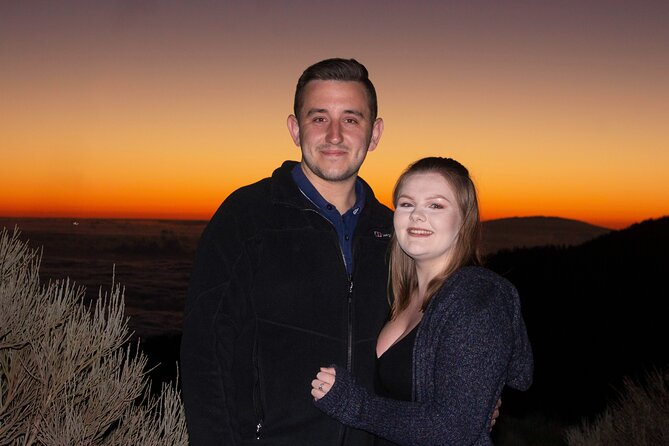
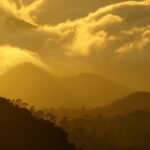
I like tours that have a built-in rhythm, and this one does. First, you meet at Mirador de los Poleos (Santiago del Teide) at a west-facing lookout. That matters because sunsets here don’t just “happen”—they’re framed. You’re positioned to catch the sun dropping, then to watch the view shift as the sky changes.
The cava moment is simple, but it sets the tone. You get a glass of Spanish sparkling wine (or a non-alcoholic drink), then the guide helps you focus on what to notice as the light drains away. If conditions are good, you often see dramatic color changes around Mount Teide. One of the nicest parts is that you’re not stuck inside a dark room waiting for stargazing. You get a clear transition from golden light to night sky.
From a photographer’s angle, this is the useful part: you’re at a place where you can test compositions in daylight. You can frame the islands in the background, then switch to night-sky settings once the team starts talking about targets and timing. The guides specifically aim for the best photography moments in the park, so you’re not just guessing about exposure and focus.
One more detail that makes this feel authentic: Mirador de los Poleos isn’t just scenic. It’s tied to the volcanic story of Tenerife. The tour references the first recorded volcanic eruption noted in Christopher Columbus’s 1492 ship log, which gives the place a sharper sense of place and time.
You can also read our reviews of more tours and experiences in Tenerife.
Following the Light Up Into Teide National Park: Why the Route Is Part of the Point
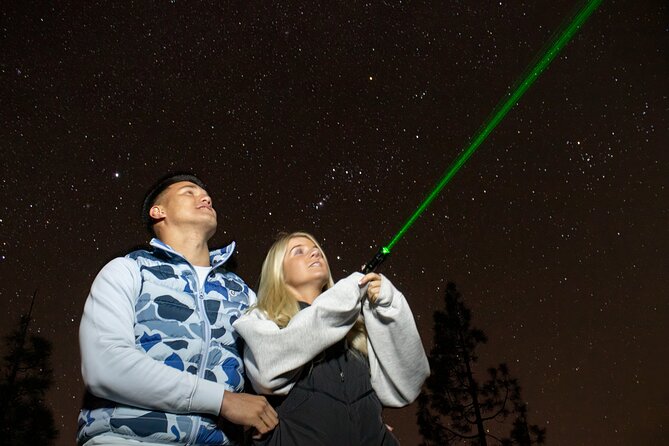
After sunset, you move upward into Teide National Park. The tour follows the flow of the evening: watch the sun go down at the initial viewpoint, then shift locations once the sky darkens. That approach helps because stargazing gets better as you get darker skies and stable viewing conditions.
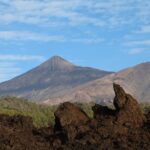
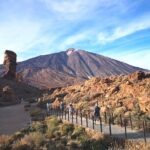
Teide National Park is famous for its volcanic terrain, but for this tour, it’s also about timing and access. You’re guided to look at volcanic features linked to the park’s known eruption history, including the last recorded eruption in 1909. Even if you’ve been to Teide before, the focus here is different: it’s not a daytime walk, it’s an evening “how to see the sky and the mountain together” plan.
At the same time, be ready for the practical reality of popular lookouts. One recurring theme is that Mirador de los Poleos can feel crowded because multiple tours meet in the same general area. That doesn’t ruin the experience, but it does mean you might spend a few minutes navigating space before you settle in for the sunset.
Once you’re past the first stage, the tour sets you up for the next one: a viewpoint near Mount Samara (and, in some cases, additional adjustments depending on weather). The idea is to keep you in the best direction for what you’ll see next, including how clouds catch color and how other islands can pop into view when the air is clear.
Mount Samara and the Start of the Real Stargazing Setup
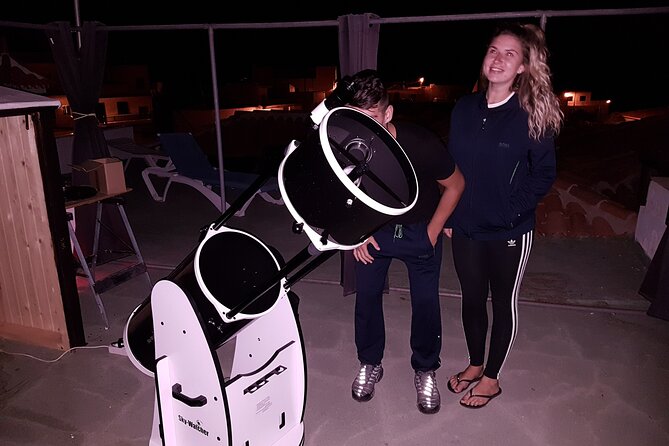
The evening’s second phase centers on the lookout near Mount Samara. This is where the tour shifts from “sunset viewing” to “astronomy viewing.” In practical terms, that means you’ll be looking up more often and listening for cues about what the telescope is targeting.
The view here can include islands like El Hierro when conditions allow, plus the way clouds reflect remaining light. If the sky turns partly cloudy, it can change the show. Sometimes clouds are annoying. Sometimes they’re the canvas that makes the moonrise and sky targets look more dramatic.
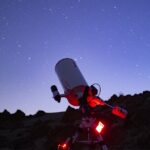
Then comes the telescope moment. You’re set up with a large computerized telescope and a laser guide to stars. The guide uses that system so you can understand what you’re seeing, instead of just waiting for a “spot the planet” moment. That’s a big deal if you don’t already know the sky well.
You’ll also hear explanations about what you’re seeing. Guides are described as friendly and passionate, with clear talk for beginners. Some groups emphasize that the telescope isn’t limited to the Moon; it’s used to view galaxies, nebulae, planets, and star clusters. That means the tour can feel like a guided “tour of the sky,” not just one object at a time.
What You Actually See Through the Telescope (Moon, Planets, and Far-Off Targets)
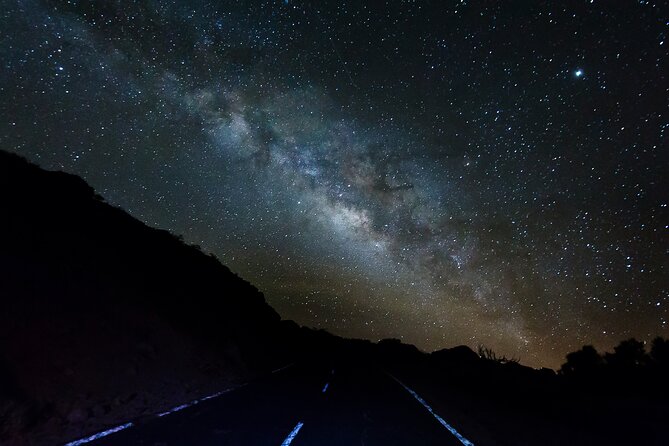
This is a stargazing tour, so your eyes will be the main event. But the telescope changes what’s possible. One of the best parts of this experience is that you’re not restricted to a single “quick look.” The tour’s pace gives you time to follow the guide’s objects and explanations as the sky darkens.
Expect the Moon to be a major target. With a large telescope, the Moon stops being a simple bright disk. It becomes a surface with visible detail, and you’ll also experience the Moon’s timing as the night progresses. One review mentioned a full moon night, which made faint stars harder to spot, but it also made the Moon itself more impressive, including the way it rises over the mountain.
Then you might see planets and bright targets depending on the night. Reviews mention seeing Mars in the telescope, and there’s also a mention of Venus (even as a fun astronomy topic). If you’re lucky with the timing, you get a mix of familiar and surprising objects.
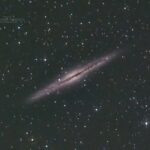
The tour also aims at deep-sky targets like galaxies, nebulae, and star clusters. You don’t need to recognize these objects ahead of time. The value here is that the guide connects what you’re looking at to something you can understand, and the laser guide helps you orient yourself before the telescope shows the details.
And if you care about astrophotography, the tour’s focus on photography advice matters. It’s not just “look up.” You get direction on where and how to shoot in the park’s conditions, which can be a big difference between casual photos and images that actually show the sky.
The Self-Drive Advantage: Freedom, but Still a Guided Flow
The name includes Self-Drive, and that shapes how the night feels. You’re responsible for getting yourself to the meeting point. After that, you follow the tour’s guidance as the group moves between viewpoints.
That can be a benefit if you want control over your schedule and you don’t want to rely on pickup vans across Tenerife. It also helps you get there when it’s convenient for you, as long as you arrive on time for the sunset stage.
Still, there’s a trade-off. Because this is a guided astronomy setup, you’re not walking entirely on your own. You’ll follow instructions, be directed toward the telescopes, and move to the next viewing point as the plan unfolds. One person felt the self-drive element left them on the outside looking in, mostly because the experience still has a guided rhythm.
In my view, that’s the heart of choosing this kind of tour. If you want full independence, it won’t feel like that. If you want independence in logistics but structure in the sky, this is exactly the sweet spot.
Drinks Included: Why the Cava Is More Than a Perk
It’s easy to dismiss included drinks as a throwaway detail. Here, the cava works better than you might expect. It’s timed to sunset at Mirador de los Poleos, which means it’s part of the transition from day to night.
That matters because you’ll be standing outside and watching the light change. A warm cup would be comforting in colder climates, but sparkling wine still does the job socially: it makes the wait feel like part of the event instead of “just standing there while the guide sets up.”
You also get a non-alcoholic alternative, so it’s easy to participate fully regardless of preferences.
Price and Value: What $48 Buys You in Teide’s Night Sky
At $48.01 per person, this is priced for something that’s basically two experiences in one: sunset viewing and guided stargazing. You’re not paying just for telescope access. You’re paying for the expertise, the staging, and the fact that the telescope is used actively with a guide pointing out what matters.
There’s also a value angle in what’s not included. No dinner is served. That keeps the cost lower, and it also means you can plan your own food before or after without forcing the tour to handle meals. If you’re already eating in Tenerife, this price likely feels fair.
The group size is capped at a maximum of 45. That usually keeps things from becoming chaotic, while still having a lively atmosphere. And since you get admission to the stargazing setup (telescope included), you’re getting practical use of what you paid for—not just a meet-and-mingle night.
The biggest “value variable” is weather. This tour requires good weather to run well, and if conditions aren’t right, the plan may change. When the skies cooperate, this price looks like a bargain. When the sky is hazy, no guide can fully make up for it—though you’ll still get a guided night out.
What to Pack: The Cold Is Part of the Adventure
Dress for cold first, fashion second. Teide nights can be freezing because the elevation and open-air viewing amplify chill fast.
One review specifically calls out how freezing it was and reminds you to dress warmly. Another notes that warm jackets can be available for borrowing, but I’d still plan as if you won’t find one in your size or it won’t match your style.
Pack the basics:
- Warm layers you can add quickly
- Gloves or something to keep your hands from going numb
- A hat or something that covers your ears
- Closed shoes with grip (outdoor points can be uneven)
You’ll also want patience. Stargazing rewards quiet attention, and the cold tends to make time feel longer. The tour’s structure helps because you’ll have ongoing explanations, telescope viewing turns, and guidance on what to watch next.
Weather, Full Moon, and How the Night Can Change
This experience depends on the sky. The tour requires good weather, and the stargazing location can vary depending on what the conditions look like on the night. That means your “exact” viewpoint may shift, but the intent stays the same: get you to the best workable spot for viewing.
The Moon phase matters too. A full moon night can reduce the number of faint stars you’ll see, but it also gives you a show with the Moon itself. In other words, a bright Moon isn’t automatically a disappointment. It’s just a different kind of target.
If you’re the type who wants maximum Milky Way visibility, aim for nights when you expect darker skies. If you’re okay with planets and Moon detail, you can enjoy plenty even with brighter moonlight.
Should You Book the Polestar Sunset Stars Tour in Teide?
Book it if you want an evening plan that’s both scenic and educational. You get sunset with a cava toast, then guided stargazing with a large computerized telescope and a laser guide. It’s in English only, and it’s designed for people who want structure without turning the night into a lecture.
I’d skip (or at least set expectations) if you want complete independence from start to finish. Self-drive logistics still come with a guided flow, moving between viewpoints and following the setup as the night progresses. Also, if you hate cold nights, you’ll need to commit to warmth.
If your priority is Teide plus stars with real guidance and practical photography tips, this is a strong pick. When weather cooperates, it’s the kind of Tenerife night you’ll remember long after the sun is gone.
FAQ
Where is the tour meeting point?
You start at Mirador de los Poleos, 38690 Santiago del Teide, Santa Cruz de Tenerife, Spain.
Where does the tour end?
The tour ends at Mirador de Samara, 38688 Guía de Isora, Santa Cruz de Tenerife, Spain.
How long is the Polestar Self-Drive Sunset Stars Tour?
It lasts about 2 hours 30 minutes.
Is the tour offered in English?
Yes. The tour is English only.
What’s included in the ticket price?
The ticket includes the telescope and drinks, with a glass of cava (or a non-alcoholic drink).
Is dinner included?
No. There is no food served and no dinner.
Do I need good weather for the tour to run?
Yes. The tour requires good weather. If it’s canceled due to poor weather, you’ll be offered a different date or a full refund.
Is there a mobile ticket?
Yes. A mobile ticket is provided. Confirmation is received at booking time.