REVIEW · CHIANG MAI
Pa Pong Piang Rice Terraces & Doi Inthanon National Park
Book on GetYourGuide →Operated by CHIANGMAI SIAM TRAVEL LTD.,PART. · Bookable on GetYourGuide
Rice terraces meet cold mountain air. I love the Pa Pong Piang rice terraces at their lushest and the Wachiratharn Waterfall stop for the cool reset. One catch: this tour is best value when you go during peak rice season (roughly July to mid-October), because outside that window the paddies shift color and the wow factor changes.
You’ll get a private-group day with hotel pickup in Chiang Mai, an English-speaking guide, lunch, and park entrance included, all wrapped into one long mountain drive. It’s a full 570 minutes on the move, and it’s not wheelchair-friendly.
In This Review
- Key things to know before you go
- Chiang Mai to Doi Inthanon in one long day
- Pa Pong Piang rice terraces: timing is everything
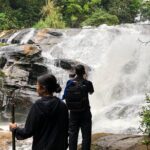
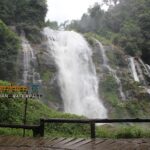
- Wachiratharn Waterfall: a cool-weather reward
- White Karen hill tribes and Ban Mae Klang Luang coffee
- Lunch inside the park and a 25-minute Ang Ga trail walk
- King and Queen’s pagodas: viewpoints plus gardens
- Thailand’s highest peak: what “2,565 meters” means in real life
- Logistics and comfort: why this tour feels full
- Price and value: is $147 fair for what you get?
- Guides make the day: Bird and Austin’s strengths
- Who this tour is best for
- Should you book this Pa Pong Piang and Doi Inthanon day?
- FAQ
- How long is the tour?
- What are the top stops on the itinerary?
- Is lunch included?
- What is the best time to see the rice terraces green?
- Is the terrace rice field at Ban Mae Klang Luang guaranteed to look the same year-round?
- What should I bring for this tour?
- Do you visit Thailand’s highest point?
- Where does pickup happen in Chiang Mai?
- Is the tour wheelchair accessible?
Key things to know before you go
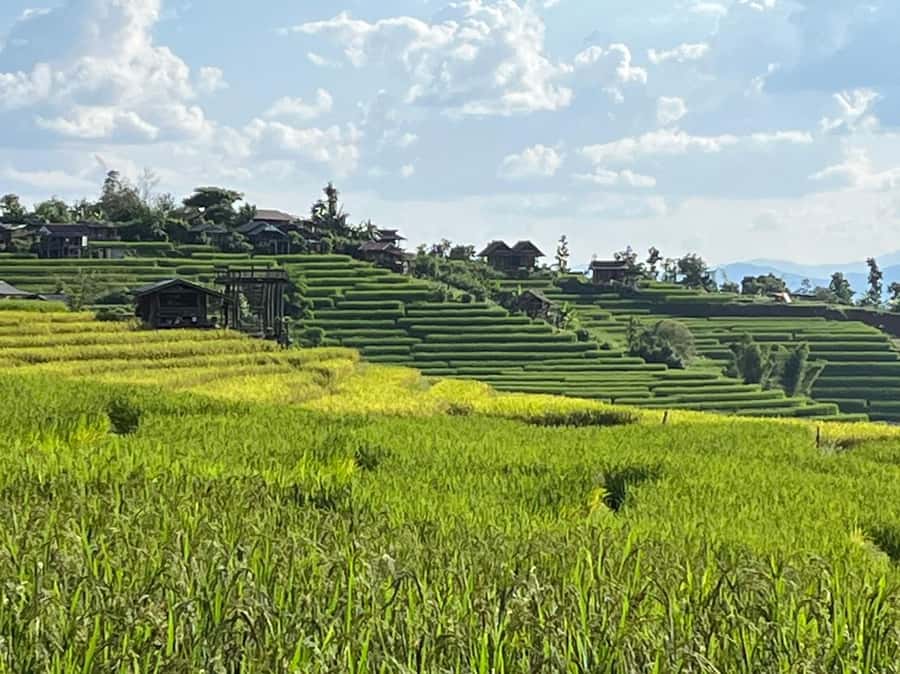
- Pa Pong Piang looks its best in July to mid-October, when the rice is at full length and deep green
- Wachiratharn Waterfall is a real highlight inside Doi Inthanon’s wetter, cooler mountain zone
- White Karen hill tribe time plus terrace fields near Ban Mae Klang Luang, with locally grown coffee
- You’ll walk the Ang Ga trail for about 25 minutes for forest views (bring shoes that can handle uneven ground)
- King and Queen’s pagodas give you big viewpoints and pleasant gardens at high elevation
- Thailand’s highest point is included (2,565 meters), so expect humidity and cold up top
Chiang Mai to Doi Inthanon in one long day
This is the kind of day trip that changes your pace. You start in Chiang Mai, then you spend the day in Doi Inthanon National Park, where the weather swings cooler and damper as you climb. The best part of doing it as a guided, private-group tour is that you don’t spend your time figuring out timing and routes between several separate sights.
Pickup is from your Chiang Mai hotel by private air-conditioned car, and it’s built for convenience: you’re picked up within about 5 km of downtown. If you’re farther out, you’ll pay extra for transport. The total duration is 570 minutes, which is roughly 9.5 hours, so plan on a full day rather than a quick look-and-leave.
You can also read our reviews of more tours and experiences in Chiang Mai.
Pa Pong Piang rice terraces: timing is everything
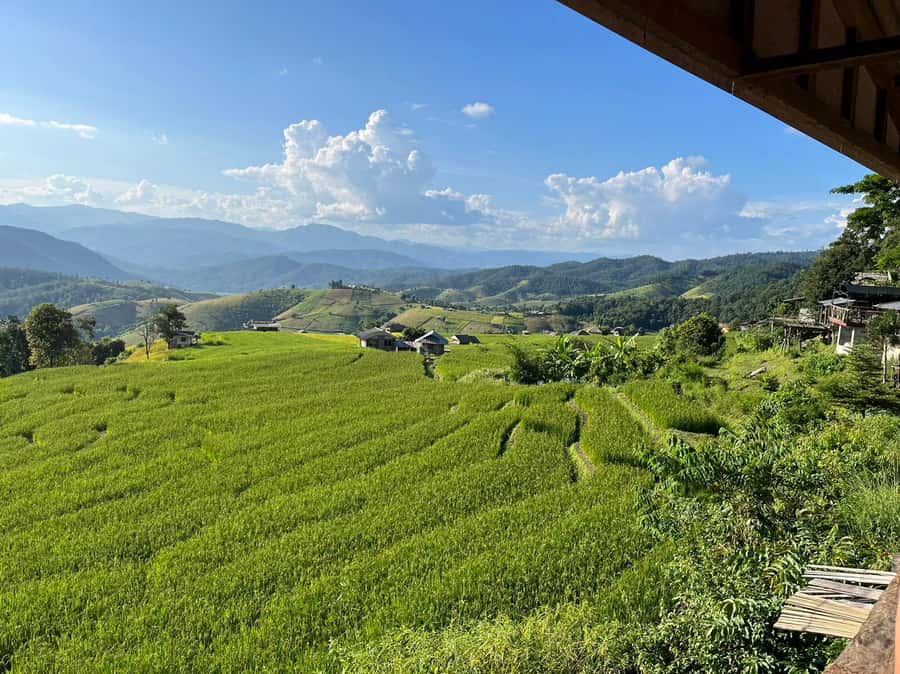
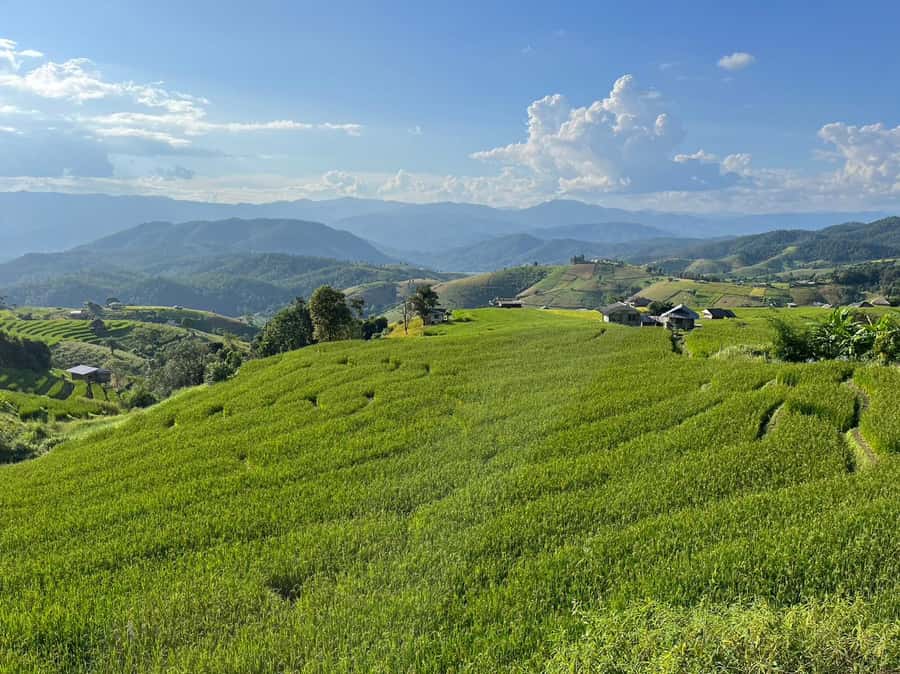
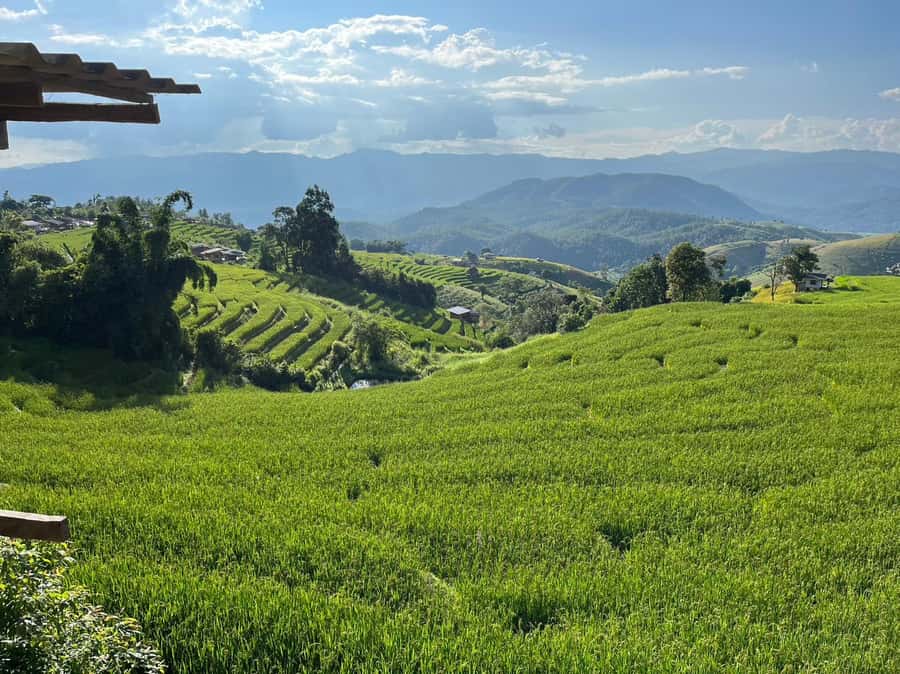
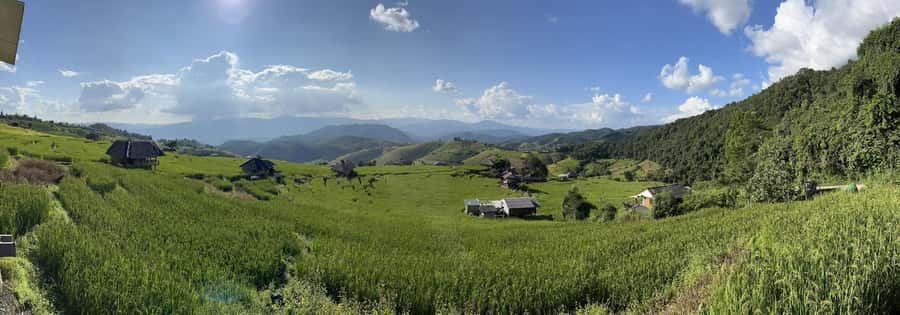
Pa Pong Piang is the headline for a reason. This area is widely seen as some of the most beautiful rice terraces in Thailand, and the tour is structured around getting you there at a meaningful moment in the rice cycle.
Here’s what you’re aiming for:
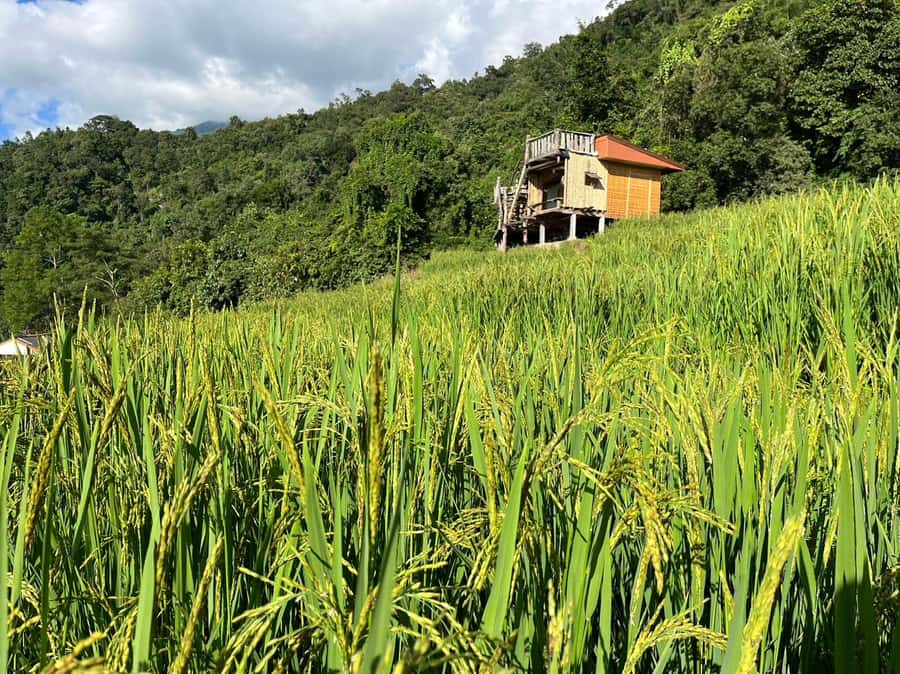
- During the rice season (typically early or mid-July through late October, with early November also possible), the plants grow long and turn fully green.
- After mid-October, the paddies shift toward a yellow-golden look.
- Harvest is generally in November.
If you care most about that full-green, lush look, plan your dates around July to mid-October. If your schedule pushes you later into the season, the terraces can still be stunning, but the mood changes from fresh green to golden fields, and that affects the photos and the overall feel of the day.
Practical tip: bring comfortable shoes and long pants even if it’s warm at the start of the day. The terrain around terraces can be uneven, and you’ll also be switching environments as you go deeper into the park.
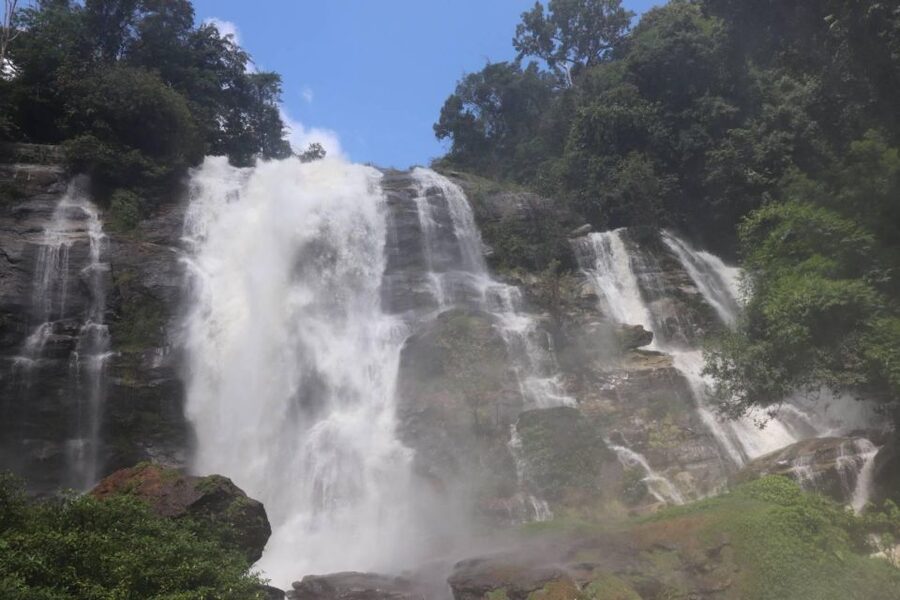
Wachiratharn Waterfall: a cool-weather reward
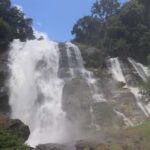
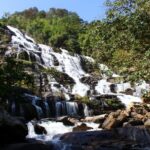
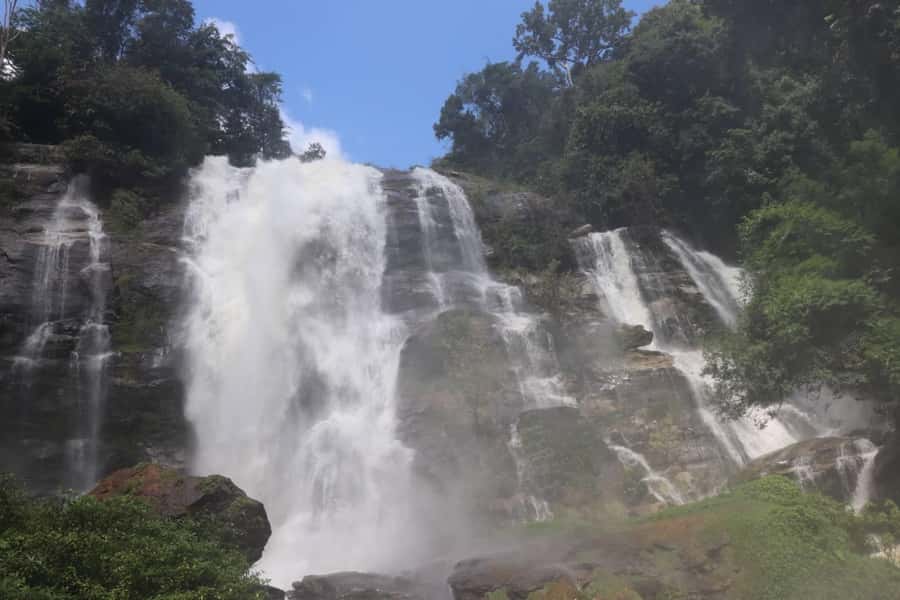
From rice terraces to a waterfall may sound like a simple swap on paper, but it works well here. The waterfall stop gives you a break from walking fields and trading scenery for moving water. It’s also where the park’s mountain weather starts to feel real—high humidity and cold conditions in the higher areas are part of the Doi Inthanon experience.
What I like about this stop for your day plan: it gives variety without adding complicated logistics. You’re not hopping between far-away independent attractions. It’s just built into the route, with your guide handling the timing and transitions.
Also, if you’re the type who hates squeezing in too many stops, this is a nice balance. You’re getting a major nature sight, but you’re not turning the day into an endless checklist.
White Karen hill tribes and Ban Mae Klang Luang coffee
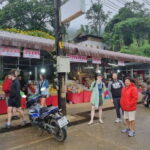
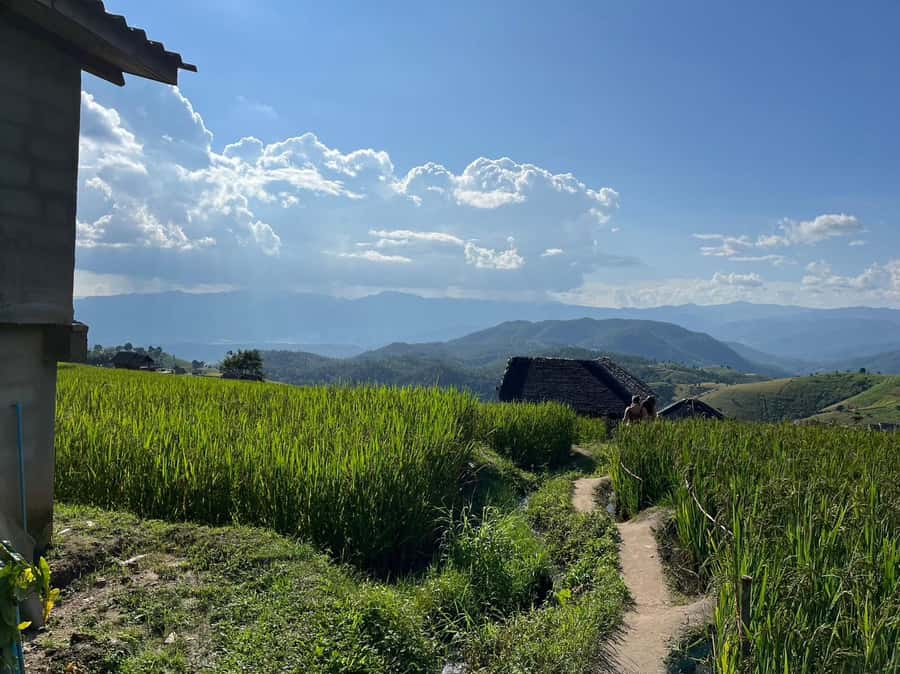
One of the most human parts of this tour is the visit connected to the White Karen hill tribes and the terrace rice fields at Ban Mae Klang Luang. You’re not just viewing scenery from a distance—you’re spending time where rice, culture, and daily life meet.
You’ll also have a cup of freshly ground, locally grown coffee. That’s the sort of detail that makes the day feel more grounded, not just scenic. One more useful detail: the terrace rice fields you see here depend on the season. So if you’re going during peak growth, you may see the fields in that full lush phase; if you’re later, the paddies can look different.
If you want a respectful, low-pressure cultural stop, this works because it’s brief and integrated into the day rather than a separate half-day detour.
Lunch inside the park and a 25-minute Ang Ga trail walk
After you settle into the higher parts of the park, lunch comes while you’re still in the Doi Inthanon zone. The included lunch is helpful because it prevents that common day-trip problem: you arrive hungry, but everything takes longer than planned.
Then comes a walk that’s short enough to be doable for most people but long enough to matter: the Ang Ga trail walk is about 25 minutes. This is where you get the feel of the park as forest, not just viewpoints. The goal here isn’t a huge hike—it’s a quick circuit for lush green forest area scenery.
Because the park can be cool and humid, I’d dress like it’s temperature-changing weather. A jacket is listed for a reason, and you’ll feel it during the walk if you’re only dressed for Chiang Mai heat.



King and Queen’s pagodas: viewpoints plus gardens
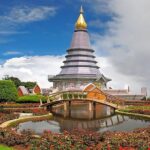
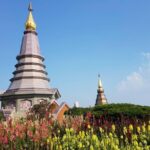
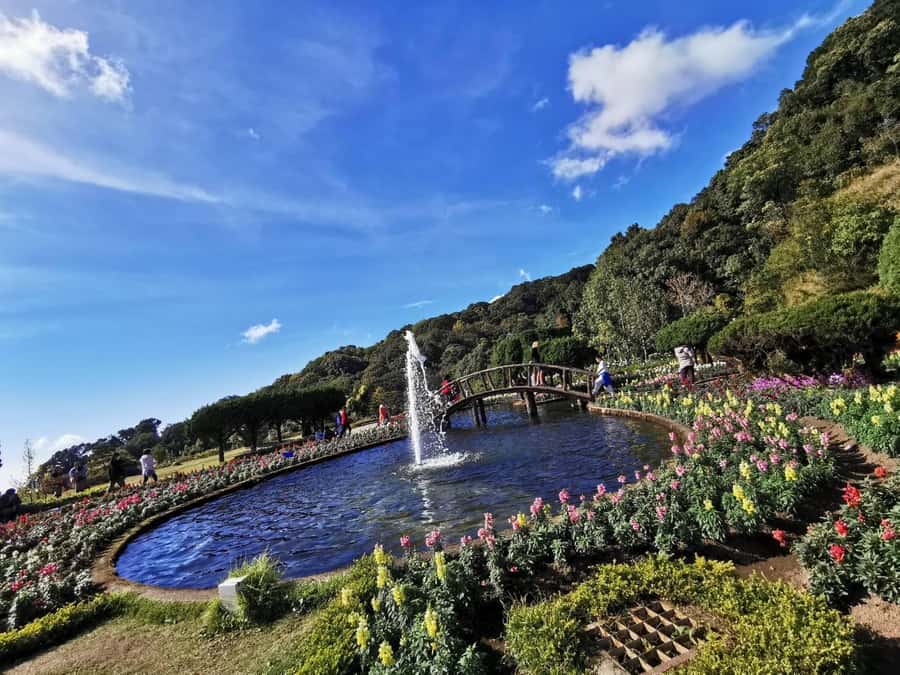
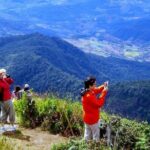
The King and Queen’s pagodas are a satisfying stop because they combine two things that don’t always show up together: strong views and pleasant gardens. At this elevation, the scenery opens up, and the pagodas become more than just buildings—you get that broad, airy feeling that only comes from being high in the mountains.
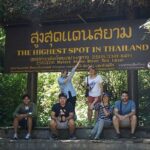
This is also one of the moments where Doi Inthanon’s altitude becomes part of the experience. The tour includes the highest point of Thailand at 2,565 meters above sea level. That number isn’t just trivia. It helps explain why the air feels different and why the cold can sneak up on you even if you started warm.
You’ll likely spend time looking around, taking photos, and letting the day slow down for a minute. If your trip includes lots of temples around Chiang Mai, this is the change of flavor you need: mountain temples with big sky and garden calm.
Thailand’s highest peak: what “2,565 meters” means in real life
This part of the itinerary is brief, but the effect can be strong. Going to the highest point of Thailand inside the national park ties the whole day together. You’re not just visiting one attraction after another—you’re stacking them into a theme: rice life down in the valleys, then a climb into cool mountain weather.
Expect high humidity and cold weather all year round in the high areas. That’s an unusual combo for many visitors. So even if your trip is in a warm month, plan for a jacket and long pants. If you’re sensitive to cold, bring something warmer than you think you’ll need.
Also, this stop pairs well with the pagodas. Even if you’re not chasing a summit photo, the viewpoints are what you’ll remember when you look back at your day.
Logistics and comfort: why this tour feels full
This tour is designed for comfort and flow, but it’s still a long day. 570 minutes means you’ll spend hours moving between mountain roads, terraces, and park viewpoints. That’s not a flaw, but it helps you set expectations.
What you can control:
- Wear shoes you trust on uneven ground.
- Bring a jacket, because the park’s cold and humid feel can show up fast at altitude.
- Plan on a pace that includes short walks, not a long strenuous hike.
What you should know:
- It’s not suitable for wheelchair users, so choose another option if mobility is a concern.
- Flexible hours are mentioned, which is useful if weather or traffic affects timing, but it also means you should keep your schedule open.
If you’re expecting a relaxed, half-day stroll, you might feel the schedule is packed. If you want a one-day “best-of” day, this hits that goal.
Price and value: is $147 fair for what you get?
At $147 per person, this is not a budget throw-together. But the value is there if you add up what’s included versus what you’d otherwise have to arrange yourself.
What you get built in:
- Hotel pickup and drop-off by private air-conditioned car
- Entrance fees
- Lunch
- Drinking water
- English-speaking guide
- Accident insurance
The guide factor is important because you’re hitting multiple sites that make more sense with context: rice seasons, hill tribe communities, park viewpoints, and the logic of the day’s order. Also, private car transport removes a lot of stress on a day where you’re moving in and out of high elevation.
The honest drawback is timing. One review flagged that the quality-to-price can feel high outside the best period for seeing the rice terraces at their peak. That matches the seasonal reality: July to mid-October is when you’re most likely to catch the rice at full green growth. If you book later, you may still see beautiful scenery, but you’re paying for a seasonal experience that changes.
Guides make the day: Bird and Austin’s strengths
A tour can have a great route and still feel average without a guide. Here, that’s not the weak link. The feedback around guides is strong, especially for two names: Bird and Austin.
Bird shows up in reviews as professional, friendly, and very attentive to guest needs, with strong English. Austin gets praise for being knowledgeable about the local area and park, and for focusing on what people care about while still leaving room to explore on your own.
Even without a specific guide name, this matters for you: when someone can explain what you’re looking at—rice timing, how the park works, what to notice at pagodas—you enjoy the day more. You’re not just transporting between stops. You’re getting a story behind the scenery.
Who this tour is best for
This experience fits best if you want:
- A single day combining rice terraces, waterfall nature, and mountain viewpoints
- Help planning a day that’s temperature- and season-dependent
- Short walks plus sightseeing, not a full-on hike day
It’s a great match for first-time Chiang Mai visitors who want Doi Inthanon highlights without worrying about transport. It can also work for photographers, especially if you’re traveling during July–mid October for the green rice look.
It may be less ideal if:
- You’re visiting at a time when the rice terraces are past their peak green period and you mainly want that specific look
- You need wheelchair accessibility (the tour isn’t set up for it)
- You prefer very short days or minimal walking
Should you book this Pa Pong Piang and Doi Inthanon day?
I’d book it if your dates line up with rice season timing, especially July through mid-October, because that’s when Pa Pong Piang is at its most dramatic. You’re also getting a well-balanced mix: terraces, a major waterfall, a cultural hill tribe stop with coffee, and viewpoints near Thailand’s highest point—all in one organized day.
If your schedule lands you after mid-October, go ahead but adjust expectations: you may get yellow-golden fields instead of deep green. In that case, the tour becomes more about the mountain park experience, pagodas, and waterfall than about the peak rice look.
One last practical nudge: pack for cool mountain weather even if Chiang Mai feels warm when you leave your hotel. A jacket and long pants make the day feel much easier at altitude.
FAQ
How long is the tour?
The duration is 570 minutes, which is about 9.5 hours.
What are the top stops on the itinerary?
You’ll visit Pa Pong Piang rice terraces, Doi Inthanon National Park, Wachiratharn Waterfall, the White Karen hill tribes area at Ban Mae Klang Luang, and the King and Queen’s pagodas, including the highest point of Thailand.
Is lunch included?
Yes. Lunch is included in the tour price.
What is the best time to see the rice terraces green?
The rice plants reach full length and deep greenness during July to mid-October. The rice turns yellow-golden after that and is generally harvested in November.
Is the terrace rice field at Ban Mae Klang Luang guaranteed to look the same year-round?
No. The terrace rice field you see there depends on the season.
What should I bring for this tour?
Bring comfortable shoes, a jacket, and long pants.
Do you visit Thailand’s highest point?
Yes. The highest spot in the park is 2,565 meters above sea level.
Where does pickup happen in Chiang Mai?
Pickup is included for hotels in Chiang Mai downtown within a radius of 5 kilometers. If your location is farther than 5 kilometers from downtown, you pay extra for transportation.
Is the tour wheelchair accessible?
No. It is not suitable for wheelchair users.