REVIEW · MARAHAU
3 Day Unguided Kayaking starting in the Abel Tasman National Park New Zealand
Book on Viator →Operated by Abel Tasman Kayaks · Bookable on Viator
Abel Tasman by kayak is pure freedom. I love the long, no-nonsense safety briefing and the chance to paddle the coast at your own speed from Mārahau.
One real consideration: this is unguided, and you’ll be responsible for your own decisions, plus you need to bring (or arrange) your camping gear.
In This Review
- Key things that make this 3-day Abel Tasman kayak rental work
- Freedom kayaking in Abel Tasman: what you’re really buying
- Check-in at 8:15 and the safety briefing that sets the tone
- The Mārahau to Onetahuti Bay start: making day one efficient
- Day-by-day rhythm: how three days feels on the water
- Day 1: launch, settle in, and choose your pace
- Day 2: explore longer stretches and slow down when it counts
- Day 3: wrap-up by 4:00pm and finish without panic
- What’s included: the rental kit you’ll actually use
- Camping pass included, but bring your own gear (or hire it)
- Gear capacity and storage: how much can you really bring?
- Price and value: what $225.89 covers (and what it doesn’t)
- Who this trip is best for (and who should skip it)
- Weather matters here: practical planning for wind, rain, and changing conditions
- Should you book this Abel Tasman 3-day kayak rental?
- FAQ
- Where is the meeting point and what time does day one start?
- How do I handle getting to Mārahau from Nelson or Motueka?
- Is this kayaking guided?
- Is a water taxi included, and where does it take you?
- What kayaking gear is included in the rental?
- Is a national park camping pass included, and do I get camping equipment?
- Can I book if I’m traveling solo?
- What happens if the trip is canceled due to weather?
- Are service animals allowed?
Key things that make this 3-day Abel Tasman kayak rental work
- Safety briefing that goes beyond a quick rundown: weather, hazards, and self-rescue get covered before you head out.
- Water-taxi start to Onetahuti Bay: you don’t waste your first day fighting logistics.
- Camping pass included: you get the national park camp permission, but you still need your own camping setup.
- Good storage for longer days: the kayaks can hold a lot more gear than first-timers expect.
- Beach time is built into the rhythm: swim, sunbathe, or picnic whenever conditions and timing allow.
- Two-person minimum: no solo hire, so plan as a pair (or larger group).
Freedom kayaking in Abel Tasman: what you’re really buying
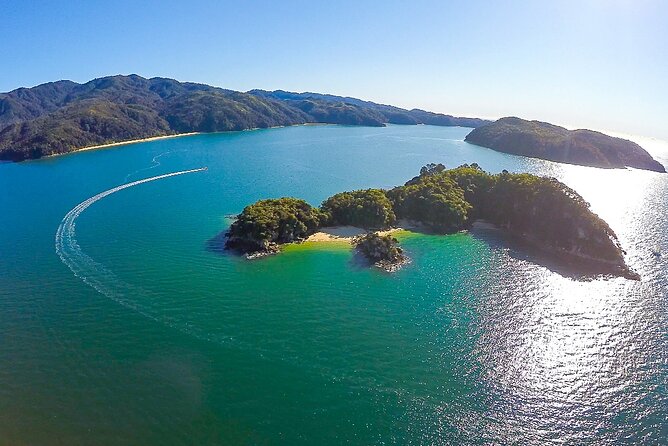
This isn’t a guided tour with a strict pace. You’re renting kayaks for three days in Abel Tasman National Park, then using a mix of your own timing and the safety guidance you get at the start. That matters, because Abel Tasman rewards small choices: where you stop, how long you hang out on a beach, and whether you paddle early or late.
The value here is that you’re not paying for a guide’s seat on the water. Instead, your money goes into the essentials: the right rental kit, a structured safety start, and the park access tools like the camp pass. It’s a good match for active people who can comfortably manage themselves outdoors.
Check-in at 8:15 and the safety briefing that sets the tone
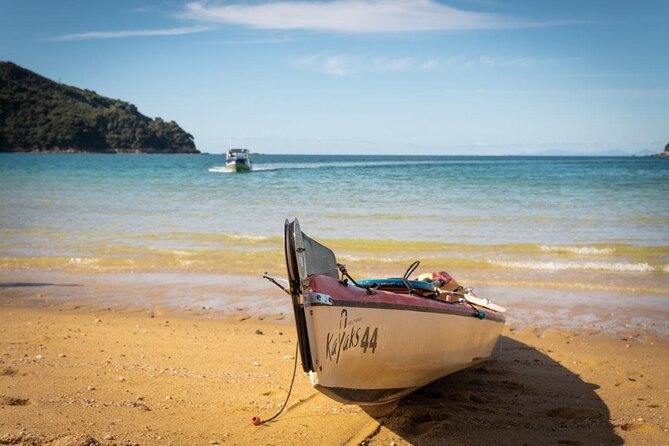
You meet at 273 Sandy Bay–Mārahau Road in Mārahau. Check-in starts at 8:15am, and you begin with a rental briefing focused on safety, local conditions, hazards, and self rescue. This is the part that makes unguided kayaking feel less scary.
A long safety discussion is one of the most praised parts of this experience, and it’s easy to see why. If you’re new to paddling, having the rules and emergency basics explained clearly before you launch helps you get your bearings fast. Even if you’re experienced, it’s a smart reminder that conditions on the coast can change quickly.
You’ll also be briefed with practical info like what to watch for, and you’ll be given safety gear and navigation help (more on that below). The goal is simple: you should leave feeling prepared, not rushed.
The Mārahau to Onetahuti Bay start: making day one efficient
Your setup includes a water taxi transfer from Mārahau to Onetahuti Bay. That’s a big deal because it changes your first day from “travel and struggle” into “paddle and explore.”
Once you arrive at Onetahuti Bay, you paddle south at your own speed. This is where the Abel Tasman style shines: you can aim for the beaches and coves that match your energy level, then stop when you feel like it. If you want a slower first day to settle in, you can. If you’re feeling good and want more time on the water, you can push a bit.
Day-by-day rhythm: how three days feels on the water
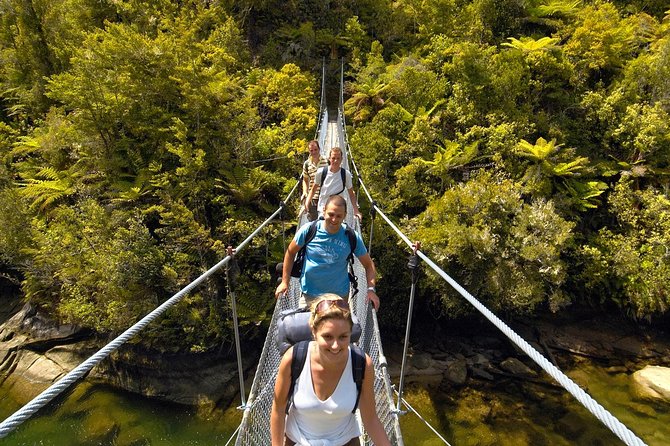
Day 1: launch, settle in, and choose your pace
Day 1 is all about getting your rhythm. You’ll have your safety briefing first, then you start paddling after the transfer to Onetahuti Bay. From there, your plan is what you make: beach stops for swimming, sunbathing, or a picnic, plus time to scout where you want to camp.
If you’re new to kayaking, I like that the day structure supports a careful start. Even if you feel nervous at first, you’re not thrown into a chaos scenario. You’re moving through a process that starts with safety and ends with you making small navigation decisions yourself.
Day 2: explore longer stretches and slow down when it counts
Day 2 is your full exploration day. You spend the day kayaking in Abel Tasman National Park at your own pace, which means you can trade distance for time on the water, or time for distance.
This is also the day where your stop choices matter most. Abel Tasman is at its best when you’re not sprinting between points. A quick swim, a longer lunch break, or a slow paddle section with calm water can turn a “good day” into a memorable one.
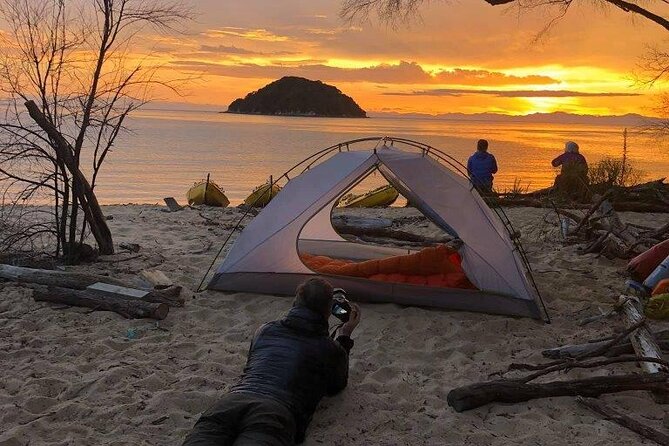
The camping pass is included, so you can plan your overnight in the national park without needing to sort out that permission on your own. Still, you’ll want your camping gear ready, because it’s not included in the base price.
Day 3: wrap-up by 4:00pm and finish without panic
On day 3, you return to Abel Tasman Kayaks’ base by 4:00pm, and the activity ends back at the meeting point in Mārahau. That end time is helpful because it gives you a real finish line to plan around.
Just as important: your last day can feel a lot less stressful when you know you’re not expected to paddle for hours into the evening. You’ll have time to pack up and get ready to be done, rather than scrambling because the clock feels unknown.
Also, there are showers available at the end, which is a practical win after salt water, wind, and sandy landings.
What’s included: the rental kit you’ll actually use
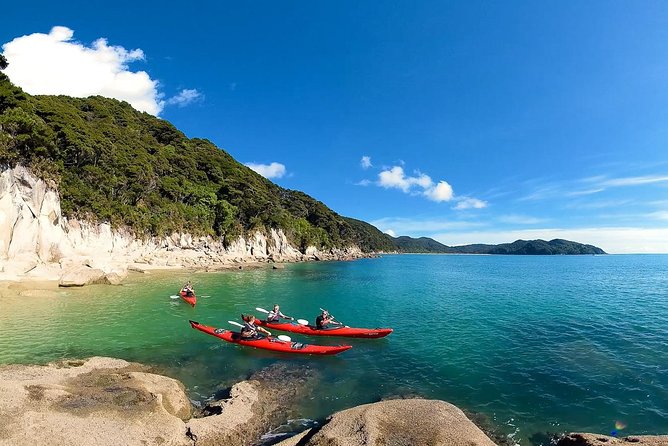
This experience includes a solid set of water and safety gear, so you’re not showing up needing to buy everything yourself. The kit includes:
- Buoyancy vest (life jacket)
- Spray skirt
- Paddle jacket
- Paddle
- Safety emergency flares
- Waterproof map
- Water pump
- Spare paddle
- Camp pass
Two notes I think you should pay attention to:
- The spray skirt and buoyancy vest aren’t optional “nice-to-haves.” They’re there because coastal paddling has real water conditions, and this kit is meant to help you manage it.
- A spare paddle and emergency flares are exactly the kind of boring details that make you feel calmer out on the water.
You’ll also get a waterproof map. Don’t treat it like a decoration. Use it to plan beach stops and pacing, especially if the coast feels different than you expected from shore.
Camping pass included, but bring your own gear (or hire it)
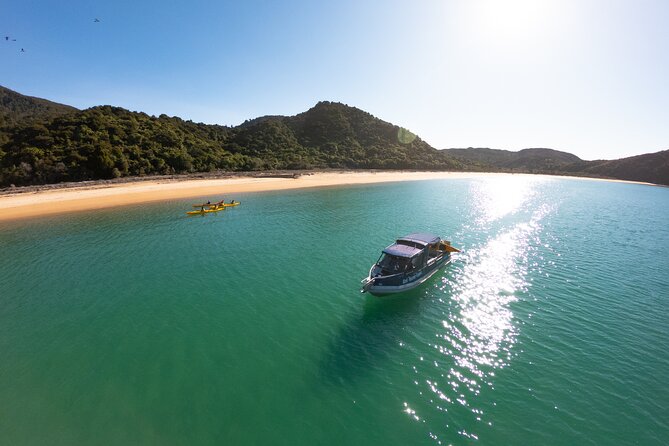
You get a national park camp pass included. That’s valuable because it covers your eligibility to camp in the park. But camping equipment is not included, so you need to pack your sleep system and basics.
If you don’t want to travel with heavy camping gear, camping sets and individual items can be hired by contacting the office. So you have options, but you should plan ahead instead of assuming you can sort it out at the last minute.
For me, this is the biggest “make or break” part of deciding whether the trip fits you. If you already camp comfortably, this adds up. If you hate camping logistics, you’ll want to budget time to hire what you need.
Gear capacity and storage: how much can you really bring?
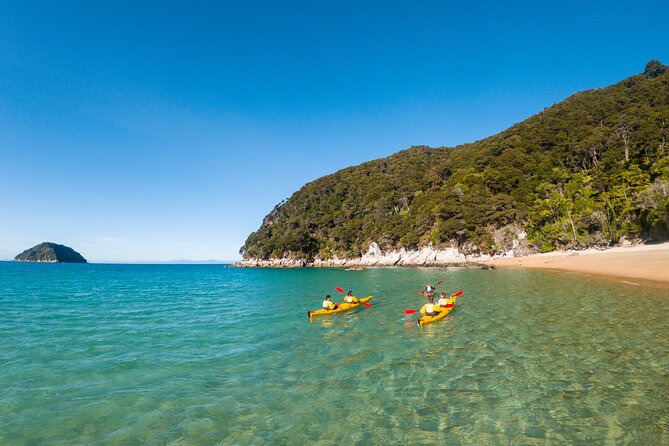
The kayaks can carry a surprising amount of stuff, roughly two large packs worth of storage (about 380 litres). That means you can realistically pack for three days without living out of a single tiny bag.
Still, storage capacity only helps if you pack smart. Use dry bags, keep heavier items stable, and don’t overstuff until you’ve tested how your load sits in the kayak. If you’re nervous about your first trip, practice packing at home so you aren’t wrestling with gear decisions on the morning you launch.
Price and value: what $225.89 covers (and what it doesn’t)
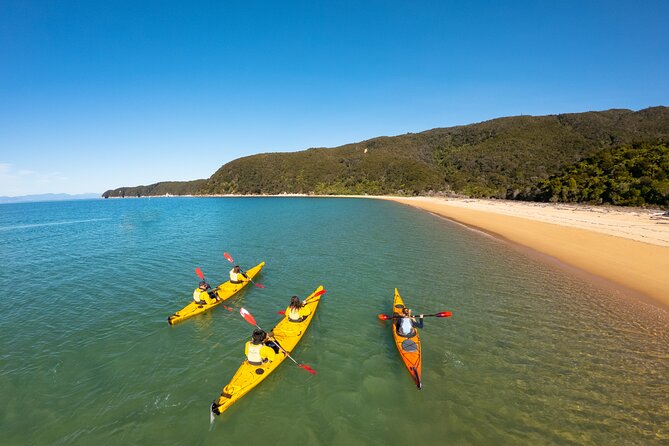
The price is $225.89 per person for about three days, and it includes the rental gear plus the camp pass, along with the safety and briefing setup. For an Abel Tasman adventure, that can be good value because it removes major costs like your kayak equipment and park camping permission.
But there are two items you must plan separately:
- Return transport from Nelson or Motueka is not included. You need to make your own way to Mārahau, or book transport separately.
- Camping gear is not included, though hiring options are available.
Also, the rental has a two-person minimum, so solo travelers will need to pair up. If you’re sharing the cost with someone else, the math gets much easier.
Who this trip is best for (and who should skip it)
This is ideal if you:
- Want the Abel Tasman coastline at your own pace
- Are comfortable outdoors and can follow safety instructions closely
- Prefer freedom over a fixed guided schedule
- Are okay handling your own camping setup (or hiring it)
It’s less ideal if you:
- Want someone leading your route and making decisions for you
- Don’t have camping gear and don’t have time to arrange a hire
- Need a solo option (this one requires a minimum group size of 2)
Weather matters here: practical planning for wind, rain, and changing conditions
This activity requires good weather. If conditions are poor, it can be canceled, and you’ll be offered a different date or a full refund. That’s reassuring, but it also means you should watch your forecast and be mentally ready for plan changes.
Even with safety systems in place, kayaking on the coast is still a water-based activity with real risks like hypothermia, heat stroke, sea sickness, drowning, and property damage. The provider mitigates risk through preparation, safety equipment, and guidance, but you’re personally responsible for decisions during your paddling days.
My practical advice: pack layers, keep your essentials protected, and don’t treat your plan like a guarantee. In a place like Abel Tasman, flexible pacing is part of the skill.
Should you book this Abel Tasman 3-day kayak rental?
Book it if you want independence with real structure: you get safety training and the gear you need, then you make the day yours. The inclusion of the camp pass is also a smart value lever, especially if you’re the type who actually uses the freedom to stop, swim, and picnic.
Skip or consider another option if you need a guided route, you’re traveling solo, or camping gear logistics feel like a hassle. Unguided is freeing, but it’s not babysitting.
If you’re prepared—mentally and with your kit—this is a strong way to experience Abel Tasman without feeling scheduled to death.
FAQ
Where is the meeting point and what time does day one start?
You meet at 273 Sandy Bay–Mārahau Road, Mārahau 7197. Check-in and briefing start at 8:15am.
How do I handle getting to Mārahau from Nelson or Motueka?
Return transport from Nelson or Motueka isn’t included. You’ll need to make your own way to Mārahau or book transport separately.
Is this kayaking guided?
No. It’s an unguided kayak rental, so you paddle at your own speed after the briefing and transfer.
Is a water taxi included, and where does it take you?
Yes. Your start includes a water taxi transfer from Mārahau to Onetahuti Bay.
What kayaking gear is included in the rental?
The included gear includes a buoyancy vest, spray skirt, paddle jacket, paddle, safety emergency flares, a waterproof map, a water pump, and a spare paddle.
Is a national park camping pass included, and do I get camping equipment?
A national park camping pass is included. Camping equipment is not included, though sets and individual items can be hired through the office.
Can I book if I’m traveling solo?
No. There’s a two-person minimum requirement, and solo hires aren’t available.
What happens if the trip is canceled due to weather?
If it’s canceled due to poor weather, you’ll be offered a different date or a full refund.
Are service animals allowed?
Yes, service animals are allowed.