REVIEW · JACKSON WYOMING
Jackson: Grand Teton National Park Stargazing Experience
Book on GetYourGuide →Operated by Wyoming Stargazing · Bookable on GetYourGuide
Dark skies make Jackson Hole feel cosmic. This 4-hour stargazing outing uses one of the darkest spots near Grand Teton National Park plus expert-led astronomy chats so the sky turns from pretty to understandable, fast. I also like that the program is built for minimal light pollution, which helps fainter objects show up better. One real consideration: nights can drop below 40°F, so warm layers are not optional.
What impressed me most is the time on the equipment. You get 2 full hours of telescope time with virtually no waiting, so you can spend longer on what you’re seeing (instead of rushing the line). The other thing you’ll feel is how hands-on it is with tools like an iPad sky app, plus guided pointing. The one drawback to plan around is that observing through the telescopes involves using a ladder, so it may not work for everyone.
In This Review
- Key highlights
- Why Grand Teton Stargazing Feels Different Around Jackson Hole
- What the 4-Hour Schedule Looks Like (Pickup, Drive, Telescope, Return)
- The Drive to a Dark Spot: Why 30–60 Minutes Changes Everything
- Telescope Time That Actually Feels Unhurried
- StarWalk on the iPad: Turning Stars Into a Map
- What You Can See: Planets, the Milky Way, and Surprise Visitors
- Private vs Group Programs: Choose Your Comfort Level
- Price and Value: Is $175 Worth It?
- What to Bring (and How to Not Freeze Your Stars Off)
- Who This Tour Is Best For
- Should You Book This Jackson Hole Stargazing Session?
- FAQ
- How long is the Jackson: Grand Teton National Park Stargazing Experience?
- What stargazing time do we get on the telescopes?
- Is hotel pickup included, and where does it happen?
- What time do pickups usually happen?
- What should I bring for the tour?
- Is a night sky photo package included?
- When is the group stargazing option available?
Key highlights
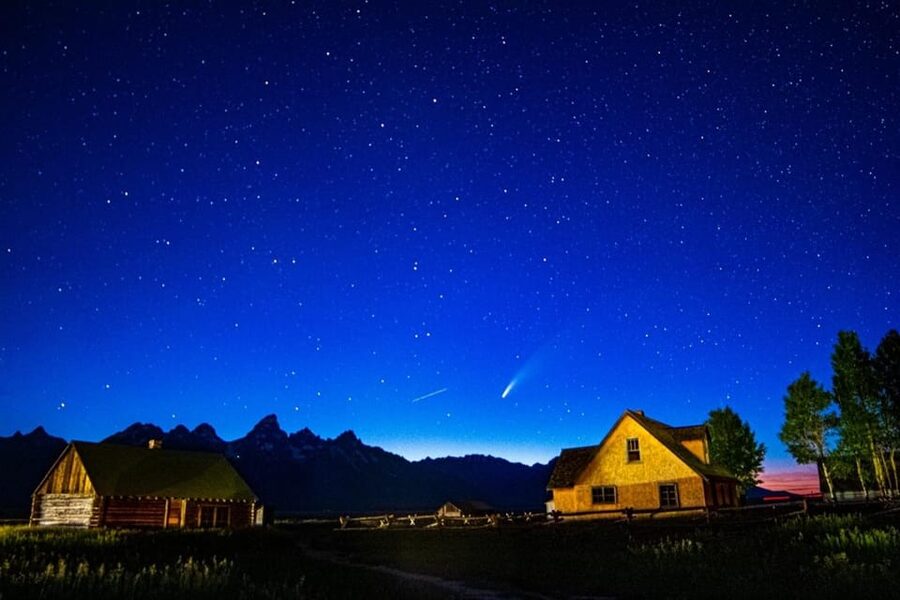
- Dark-sky planning near Grand Teton for clearer views with less light spill
- 2 hours at the telescope with a setup designed to cut down waiting
- StarWalk app on an iPad to match what you see to what’s up there
- Laser-style guidance that helps you find constellations, planets, and targets quickly
- Cold-weather comfort kit with blankets, bottled water, and snacks included
- Private option year-round when you want more direct attention and flexibility
Why Grand Teton Stargazing Feels Different Around Jackson Hole
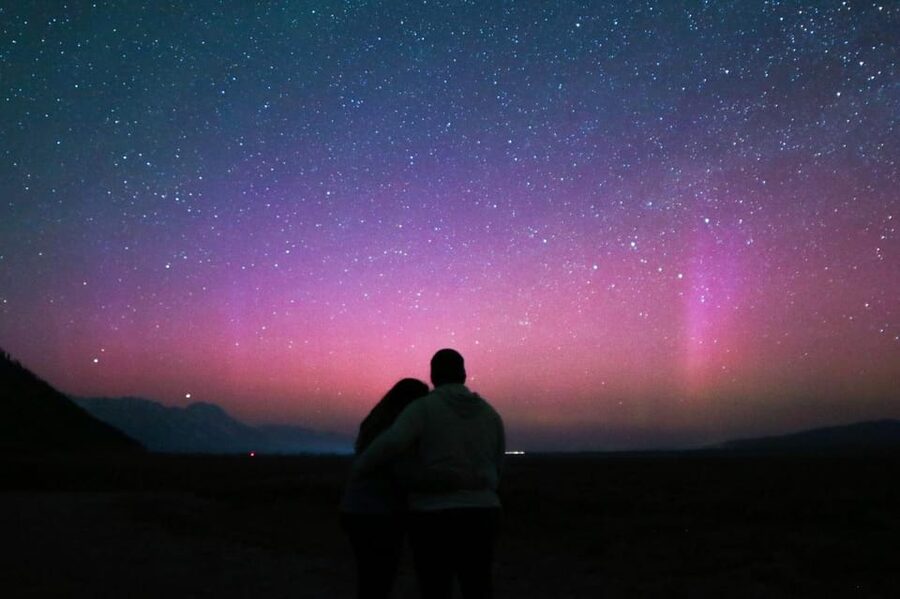
Jackson Hole looks rugged and gorgeous in daylight. At night, it turns into something else—quiet, dark, and packed with stars you can actually trace out with help. This experience leans hard into that advantage by taking you from town into very dark conditions, where the sky isn’t washed out.
I like that the focus isn’t just on spotting bright things. The program is built around making you understand what you’re looking at, from planets and the Moon to nebulae and distant galaxies. That “okay, I get it now” feeling is a big part of the value here, especially if you’re coming as a beginner.
Also, the timing matters. The pickup window runs from 7:30 pm to 9:30 pm depending on season and the number of pickups. That flexibility helps the team choose conditions that are best for stargazing rather than just meeting a fixed clock.
You can also read our reviews of more tours and experiences in Jackson Wyoming.

What the 4-Hour Schedule Looks Like (Pickup, Drive, Telescope, Return)
You start with a pickup from your lodging area in the Jackson Hole valley. For private sessions, they can pick you up almost anywhere in the valley, and they’ll call you the afternoon of your program to confirm the location and pickup time. For group sessions, pickups are only offered within the city limits of the Town of Jackson.
Next comes the drive to the remote dark-sky area. You’ll spend 30–60 minutes getting to your viewing location and 30–60 minutes back, so the total 4 hours includes both travel and star time—not just “time under the telescope.”
Once you arrive, your evening isn’t a rush. The program is designed so there’s virtually no wait time at the scopes, meaning you can rotate through targets more smoothly. You’ll also get expert talks during the night, with time structured around what’s best to view that evening.
Finally, you head back before midnight gets too painful (especially when you’re dressed for it). The included bottled water, snacks, and blankets help keep the ride home from feeling like a cold afterthought.
The Drive to a Dark Spot: Why 30–60 Minutes Changes Everything
In places with lots of streetlights, stargazing can feel like hunting for a needle in a bright haystack. Here, the whole point of the drive is to escape that problem. By the time you’re in the darkest area they use, the sky has room to breathe.
That’s why the travel time is a feature, not a pause button. If you only stargaze near town, you can still see stars, but the fainter stuff—like nebulae and distant galaxy targets—has a harder time competing with skyglow. This program is clearly built around reducing that light pollution so more objects can be shown.
You’ll also be traveling in twilight, which gives you time to get your footing before it turns fully dark. It’s easier to get comfortable, settle onto a camping chair, and figure out your gear before the first telescope views start.
Telescope Time That Actually Feels Unhurried
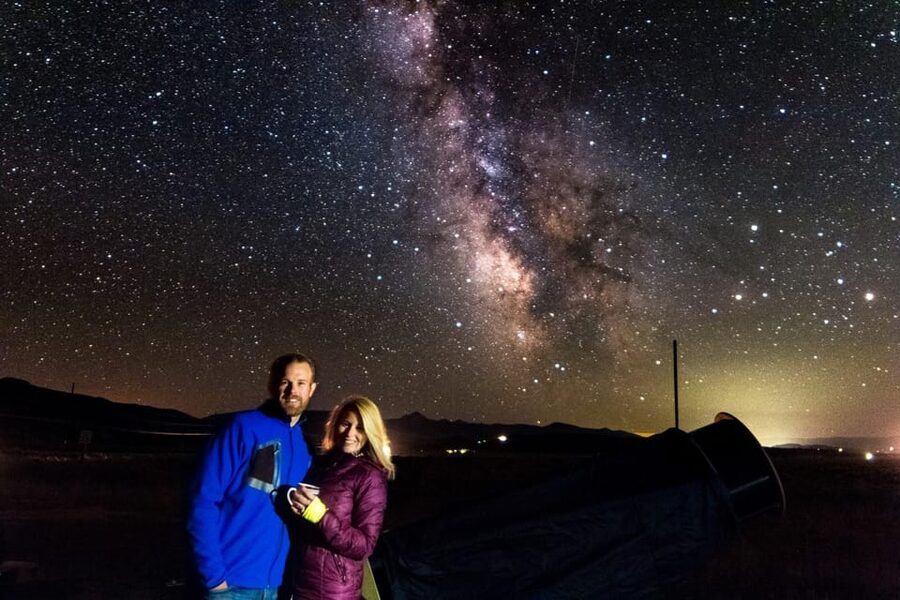
The headline is two full hours of telescope time shared with your group. In plain terms: you get enough time to notice details, compare views, and ask questions without feeling like you’re on a strict stopwatch.
You can expect the guides to show you major sky targets. That typically includes planets, stars, nebulae, and galaxies. In practical terms, you might spend time on the Moon—craters and surface detail are a common wow moment—and also on brighter planets when they’re visible.
The equipment setup is the other big reason this works. The guides use a setup designed to keep viewing transitions quick, so you’re not stuck waiting while someone else looks around. One detail I’m glad they call out: ladder use is part of observing through the larger telescopes. If anyone in your party has mobility limits or preferences here, you should tell the operator in advance so they can plan alternative arrangements.
If you’re a camera person, you should know there’s no official night-sky photo package included. Still, you can take your own shots—some evenings include opportunities like capturing the Moon through the telescope with your camera settings. Just don’t expect a packaged, guided photo service.
StarWalk on the iPad: Turning Stars Into a Map
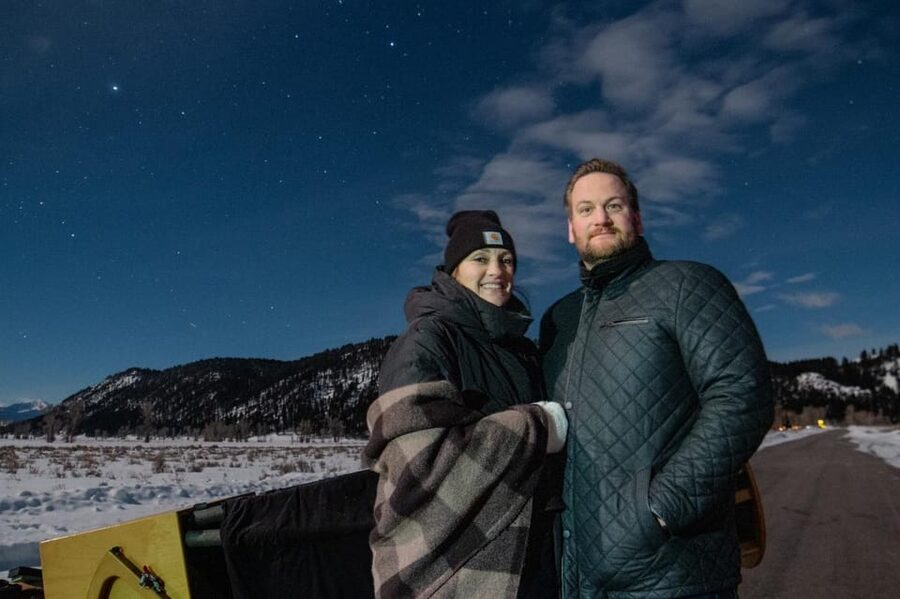
Telescopes show the “wow” part. The iPad and StarWalk app help you connect that wow to the real sky. You’ll have access to an iPad loaded with the StarWalk app, which lets you explore what’s overhead and match star patterns to actual locations.
This is especially helpful if you’ve ever looked up and felt lost. The app gives you a way to follow along while the guide points. In real-world stargazing, that turns the experience from random viewing into a guided tour of the universe.
Guides may also use a pointing laser to help you find targets like constellations, stars, and planets. That combination—laser pointing plus the app map—means you can get your bearings fast, even if you don’t know the names of things at the start of the evening.
If you’re traveling with kids or friends who want to feel included, this is a big plus. People aren’t just standing around—they’re actively learning where to look next.

What You Can See: Planets, the Milky Way, and Surprise Visitors
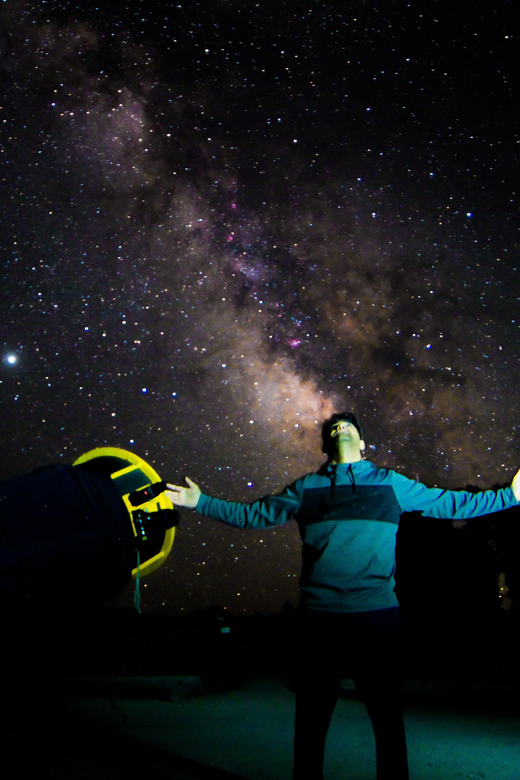
Stargazing is weather-dependent, so no operator can promise the same objects every night. But the program is designed to maximize what’s visible during your session in a dark-sky setting.
Clear skies can bring out dramatic views of the Milky Way. You may also see shooting stars, and you might spot comets or satellites depending on timing and conditions. The Moon is often a strong closer-to-home target when it’s up, and it can look surprisingly detailed when observed through a telescope.
For planets, Saturn is a common fan favorite because you can often catch its ring structure when conditions allow. Even when you don’t know what you’re looking for, the guides help you interpret what you see so it stops being just a blur of light.
A good stargazing night is partly about the planned targets and partly about the moments that happen while you’re waiting for the next object to rise or focus. The “virtually no wait time” style of pacing helps here, because you get more chances to catch those spontaneous moments without feeling stuck in line.
Private vs Group Programs: Choose Your Comfort Level
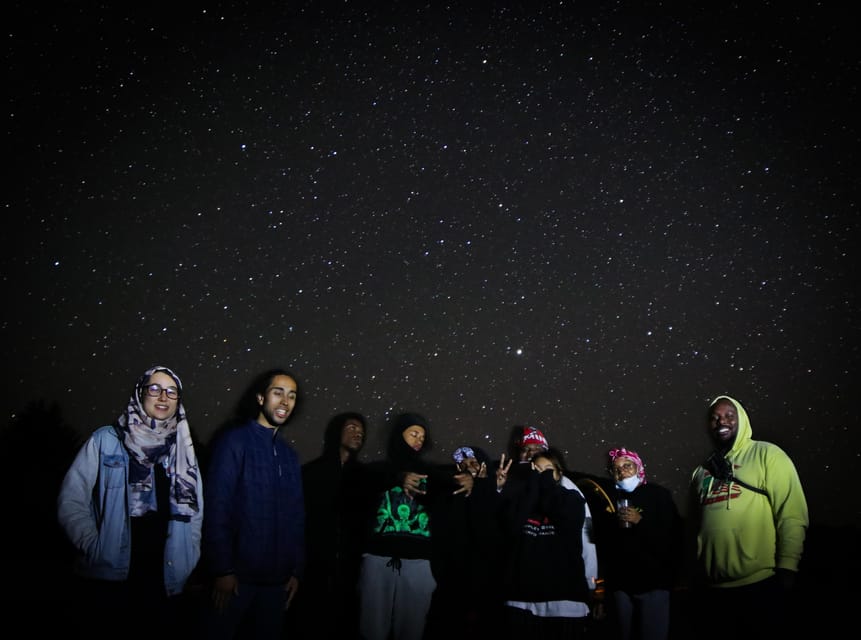
This experience offers both private and group stargazing sessions, and the differences affect how the night feels.
Private stargazing runs year-round. The big advantage is attention: your group gets direct focus from the stargazing leaders, whether it’s family, friends, or a small party that wants a calmer pace. It’s also the best fit if you have specific needs, questions, or timing constraints.
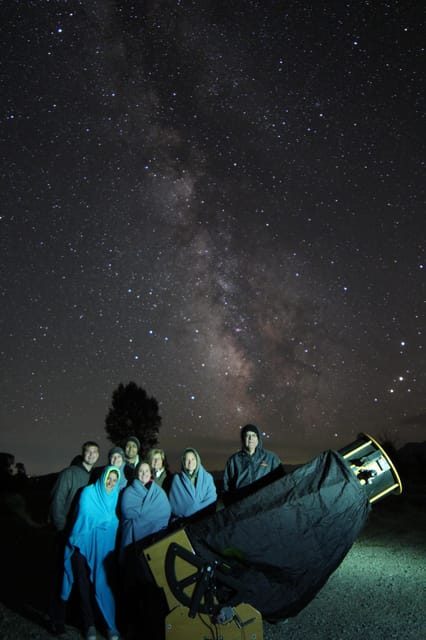
Group stargazing is offered only June through September. These are small-group events, with a 2-person minimum required to run the program, and groups can combine up to 13 people with expert stargazing leaders. Pickup for group programs is limited to the city limits of the Town of Jackson, which can matter if you’re staying outside town.
If you’re deciding based on value, both options have strengths. Group sessions can be a great deal if you want a social night out. Private sessions often feel more efficient because the guides can spend more time on what your group wants to see rather than moving through everyone’s viewing queue.
Price and Value: Is $175 Worth It?
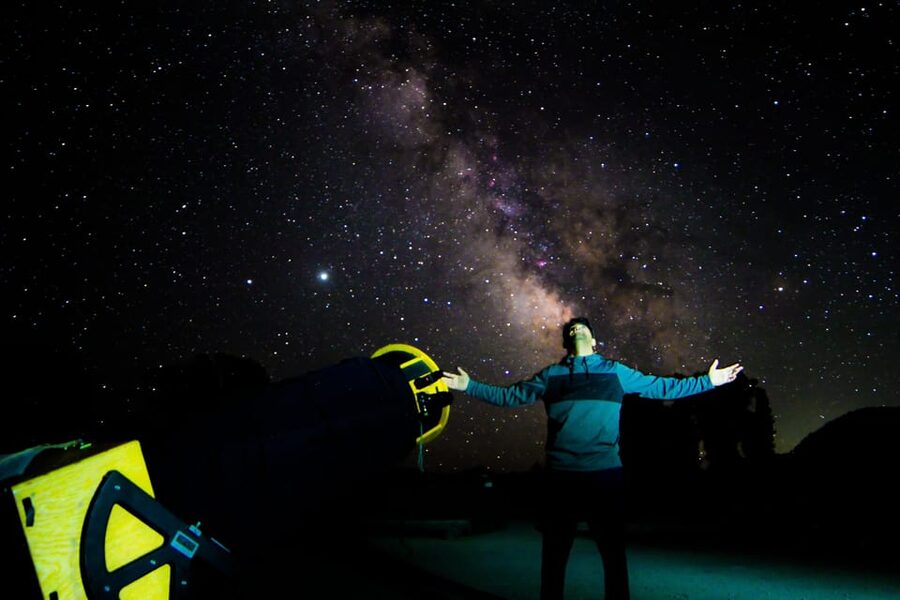
At $175 per person for a 4-hour experience, you’re not paying for a quick roadside look. You’re paying for dark-sky logistics, skilled guidance, and a chunk of guaranteed telescope time.
Here’s what justifies the price from a practical point of view:
- You get two hours on telescopes, not a token stop.
- You’re driven to a remote, darker location where stargazing quality changes noticeably.
- The guides include the “translation layer,” explaining what you’re seeing rather than handing you a telescope and hoping.
- You get comfort extras—camping chairs, blankets, water, and snacks—so the night stays pleasant even when temperatures drop.
You should compare this to DIY stargazing, where you might spend hours driving, setting up your own gear, and still end up guessing what you’re seeing. Even if you’re an astronomy enthusiast, the guide help and telescope time can save you a lot of trial and error.
The only “cost” side is the effort you’ll make to dress correctly and stay warm. If you show up underdressed, the night can feel longer and less fun. But when you dress right, this is one of those experiences where the price starts to feel fair.
What to Bring (and How to Not Freeze Your Stars Off)
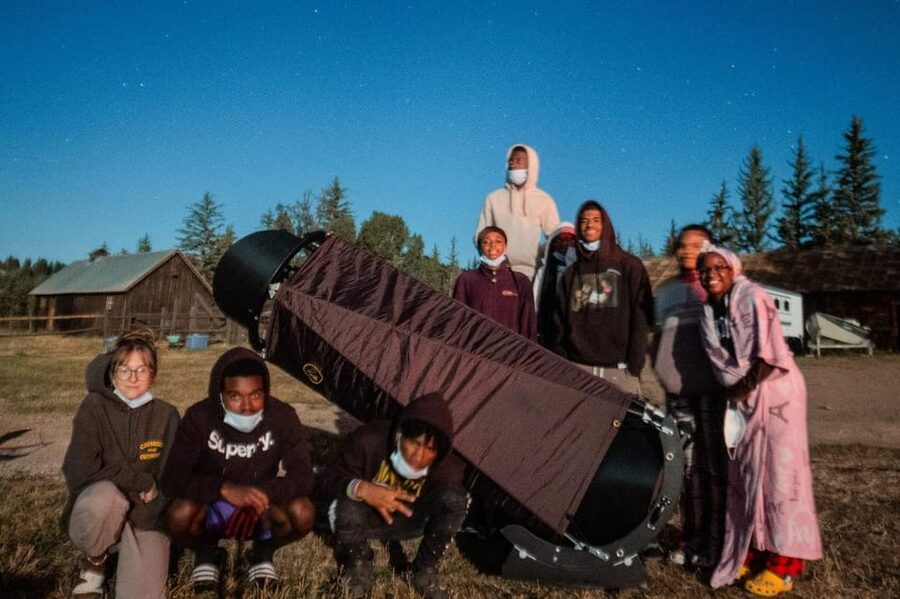
The biggest tip is obvious but worth repeating: dress in layers. Daytime can trick you in Jackson Hole, but night temperatures often drop below 40°F. Long pants, warm shoes with substantial soles, and a hat are smart in summer. In winter, plan on ski-style warmth.
Bring warm clothing even if you think you can tough it out. Comfort affects patience, and patience affects how much you actually enjoy the sky you came to see.
Also be ready for the telescope viewing setup. Since observing involves ladder use, consider whether anyone in your party will be comfortable. If that’s an issue, tell the operator in advance so they can arrange alternative viewing.
Once you’re there, you’re not on your own. You’ll have a camping chair and blanket included, plus bottled water and snacks. Still, layering gives you control—so you don’t rely only on blankets.
Who This Tour Is Best For
This experience is a strong match if you want:
- A guided stargazing night with real explanations
- Enough telescope time to actually see details
- A calm, comfortable outing with blankets, snacks, and water
- A private setting year-round if you want a more tailored vibe
It’s also a good pick for families and mixed groups, because the program is structured for all ages and includes tools that make the sky easier to follow. Even if you’re not into astronomy, the combination of expert talks and visual targets tends to keep people engaged.
If your party includes someone with mobility constraints, double-check the telescope ladder aspect before you go. The operator can sometimes make alternative arrangements, but you need to communicate that ahead of time.
Should You Book This Jackson Hole Stargazing Session?
If your goal is real stargazing—Moon details, planets, and a guided path through constellations—this is a book-worthy option. The value comes from the time on telescopes, the dark-sky location strategy, and the fact that the leaders don’t just point—they explain.
I’d skip it only if you strongly dislike cold weather or you know your group can’t handle ladder-based telescope viewing. Otherwise, plan for layers, keep your expectations weather-aware, and let the night be part lesson, part wonder.
You’ll leave with more than star photos. You’ll leave with a better map of what you just saw, and a clearer sense of your place in a huge universe—Cosmic SOUP included, in the best way.
FAQ
How long is the Jackson: Grand Teton National Park Stargazing Experience?
It lasts 4 hours total, including pickup, the drive, telescope time, and the return.
What stargazing time do we get on the telescopes?
You’ll have 2 full hours of telescope time shared with your group.
Is hotel pickup included, and where does it happen?
Yes. Pickup is included from anywhere in the valley of Jackson Hole for private sessions. For group programs, pickup is only offered within the city limits of the Town of Jackson.
What time do pickups usually happen?
Pickups occur between 7:30 pm and 9:30 pm, depending on the season and how many pickups are scheduled that evening.
What should I bring for the tour?
Bring warm clothing and dress in layers, since night temperatures can drop below 40°F. Long pants, warm shoes, and a hat are recommended in summer, and ski attire is advised in winter.
Is a night sky photo package included?
No. A Night Sky Photo Package is not included.
When is the group stargazing option available?
Group stargazing programs run June through September. Private stargazing programs are available year-round.