REVIEW · BANGKOK
Khao Yai National Park: Waterfalls – Heaw narok & Heaw Suwat
Book on GetYourGuide →Operated by Planet Blue Co., lLtd. · Bookable on GetYourGuide
Two waterfalls, one long, rewarding nature day. This Bangkok-to-Khao Yai trip is built around Haew Narok and Haew Suwat, plus a few smart pauses to photograph, rest, and learn what makes Khao Yai tick. I like that you’re not left to figure it out alone: hotel pickup, an English-speaking guide, and a driver who keeps the long route from feeling exhausting.
I also love the start with the Nakhon Nayok fresh market. It’s more than a quick photo stop; you’ll get a feel for everyday Thai ingredients and snack culture, then sit down to a included set lunch with real menu choices like chicken galangal soup or basil chicken, plus fruit and bottled water.
One key consideration: waterfall flow can be very low or even completely dry until May, so your photos (and your shoes) may look different than peak-season mist. If you’re going for the full-on spray-and-magic experience, your best bet is the rainy season (June–October).
In This Review
- Key Highlights You’ll Feel
- Morning Start: 6:30 AM Pickup and a Calm Ride Out of Bangkok
- Nakhon Nayok Fresh Market: Snack Proof of Thai Flavor
- Heading Into Khao Yai: UNESCO Setting and Jungle Footing
- Haew Narok Waterfall: 150-Meter, 3-Tier Views (and Dry-Season Reality)
- Haew Suwat Waterfall: The Beach-Famous Falls You Can’t Swim In
- Snacks, Cold Towels, and Your Set Lunch Break
- Khao Yai Visitor Centre: Learn Just Enough to Look Smarter
- KM. 30 Viewpoint: Early Birds, Quiet Moments, and Park Atmosphere
- Transport, Guide, and the Little Things That Make the Day Work
- Price and Value: Why $189 Can Be Fair (or Not)
- Who This Tour Fits Best (and Who Should Skip It)
- Should You Book This Khao Yai Waterfalls Day Trip?
- FAQ
- What waterfalls will I visit?
- When do hotel pickups happen and how long is the trip?
- Is swimming allowed at the waterfalls?
- What’s included for lunch and drinks?
- Can you make vegetarian or vegan meals?
- What if the waterfalls have low water?
- What should I bring for the day?
Key Highlights You’ll Feel
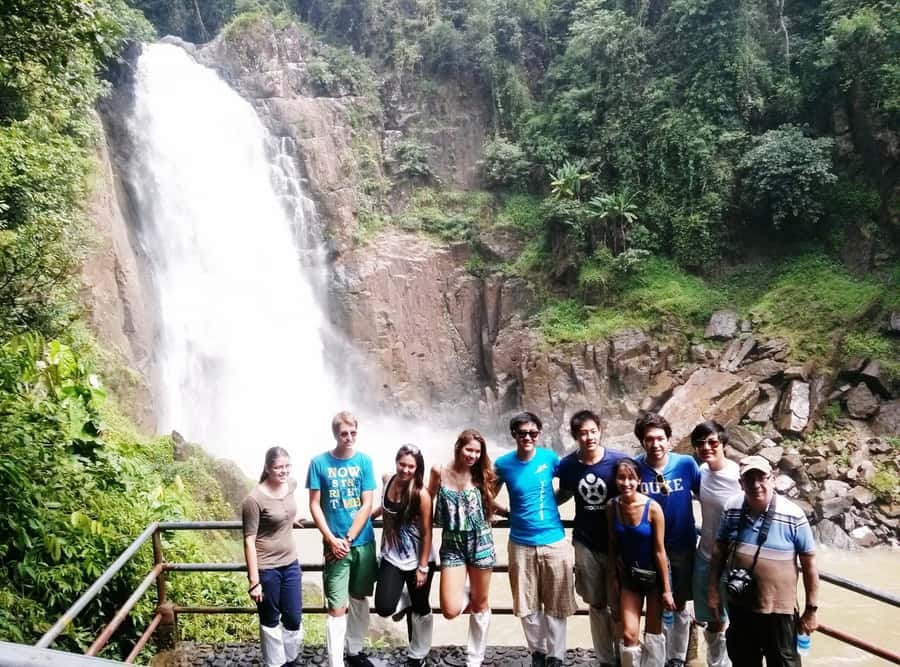
- Haew Narok’s 150-meter, 3-tier cascade: Khao Yai’s biggest waterfall, framed for viewing and a hike into the area.
- Haew Suwat’s shaded resting zones: big rocks and tree cover to slow down, even though swimming isn’t allowed.
- Nakhon Nayok market sensory stop: snack time (think Khanom Krok) plus a window into how Thais build everyday meals.
- Lunch that fits your diet: included set lunch with 3–4 menu options, and vegetarian/vegan requests can be prepared.
- Cooling extras for a long day: bottled water plus cold towels during the journey and at lunch.
- Early-morning wildlife watching potential: you may spot monkeys, gibbons, hornbills, and other signs as you move through the park.
Morning Start: 6:30 AM Pickup and a Calm Ride Out of Bangkok
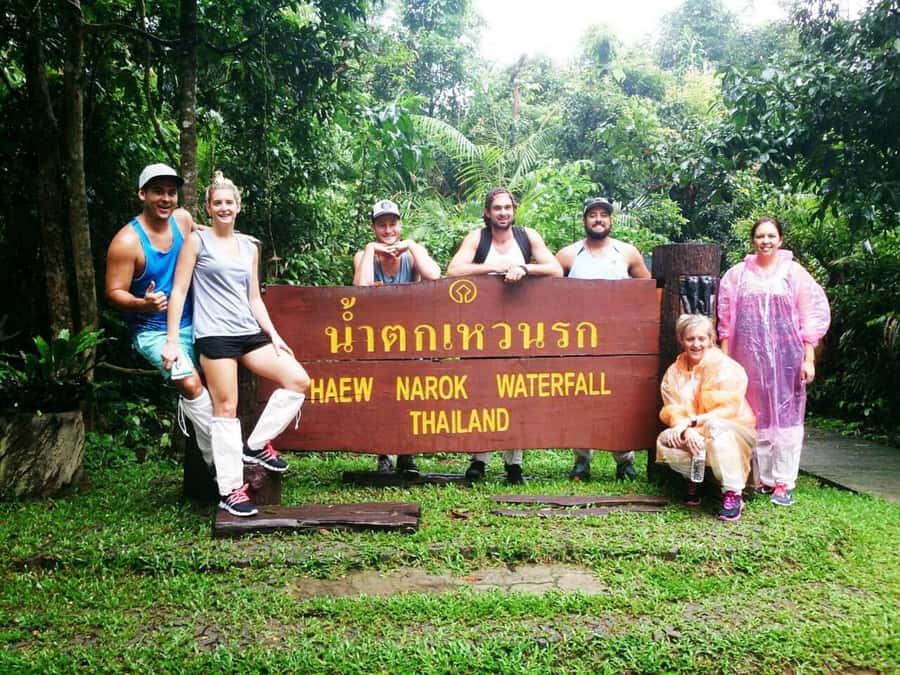
This trip leaves early, with pickup after breakfast around 6:30 a.m. You’ll meet at your hotel lobby (plan on being ready about 10 minutes early), and then you’re off by comfortable minivan or car. For a day trip, this is the difference between stress and momentum: you spend less time wrestling traffic and more time actually outside.
The route matters because Khao Yai is far enough that timing is everything. You’re starting while the day is still fresh, which helps for the hike and for enjoying the viewpoints without being baked.
Even if your morning is a bit groggy, the setup is traveler-friendly: you’ll have an English-speaking guide on hand, plus insurance coverage and entrance fees included. That’s helpful when you just want your day to work.
You can also read our reviews of more tours and experiences in Bangkok.


Nakhon Nayok Fresh Market: Snack Proof of Thai Flavor
Before the national-park trails, you’ll stop at the Nakhon Nayok fresh market. It’s a lively start, the kind of place where you see ingredients in motion instead of in neat supermarket rows.
What I like about this stop is that it’s practical. You’ll also get a chance to try local snacks like Khanom Krok (coconut rice pancakes). You’re not doing a deep foodie lecture, but you’re getting a real sense of flavors that you’ll recognize later when your guide talks about Thai cooking basics.
This is also a useful moment to get your head in the right space. You’re about to spend hours in humid air, then at waterfalls. A quick snack and water before you walk helps more than you’d think.
Heading Into Khao Yai: UNESCO Setting and Jungle Footing

Khao Yai is a UNESCO World Heritage Site, and the day has a good rhythm: move, stop, look longer than you normally would. The guide keeps you oriented, and the transport keeps you comfortable between the main stops.
Expect some hiking at Haew Narok, with shoes that grip and clothing that can handle getting a little warm. There’s no time for dawdling, but it also doesn’t feel like a forced march. You’re there to see the falls and spend time in the park environment.
One more thing: Khao Yai’s weather can change the pace. If it’s rainy season, you’ll want the rain gear provided, plus anti-leech socks. If it’s dry season, you’ll still get humidity and sun, so sunscreen and a hat matter.
Haew Narok Waterfall: 150-Meter, 3-Tier Views (and Dry-Season Reality)
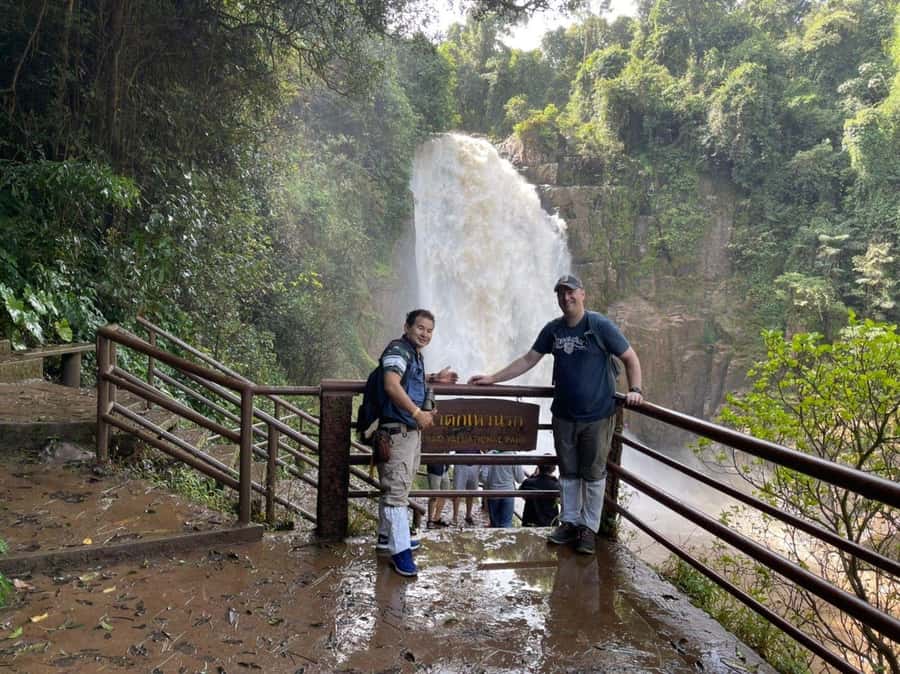
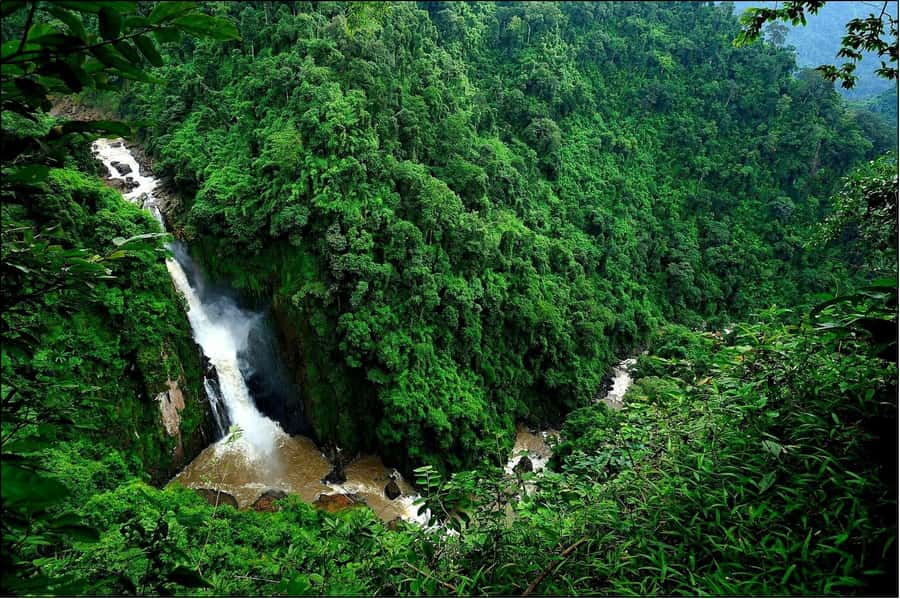
Haew Narok is the headline waterfall, and the numbers are impressive: a 150-meter waterfall with a 3-tier cascade. In rainy months, it can be powerful enough that you’ll feel mist in the air. That’s when your clothes may get lightly damp, and you’ll understand why this place is so beloved.
But here’s the honest part you should plan around: water flow at Haew Narok may be low or completely dry until May. That doesn’t mean the day is a waste. Even with reduced flow, the waterfall area still gives you views of the park’s scale, plus you’ll get the hike experience and the chance to see how Khao Yai changes by season.
What’s smart about this stop is that you’re not just aiming at one angle. You’ll have time at scenic areas for photos and viewpoints, and you’ll also do a hike that puts you closer to the waterfall zone. That turns it from a “look, snap, leave” moment into an actual nature stop.
Also note: this trip is a hike + waterfall day. So if you’re hoping for a totally flat walk, keep expectations flexible. Solid sports shoes are key.
Haew Suwat Waterfall: The Beach-Famous Falls You Can’t Swim In
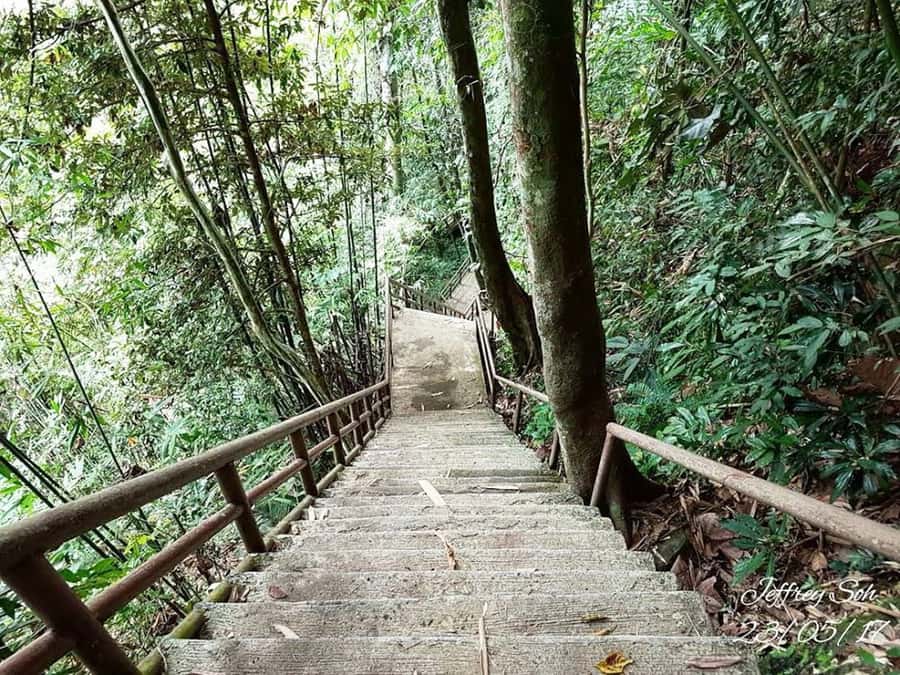
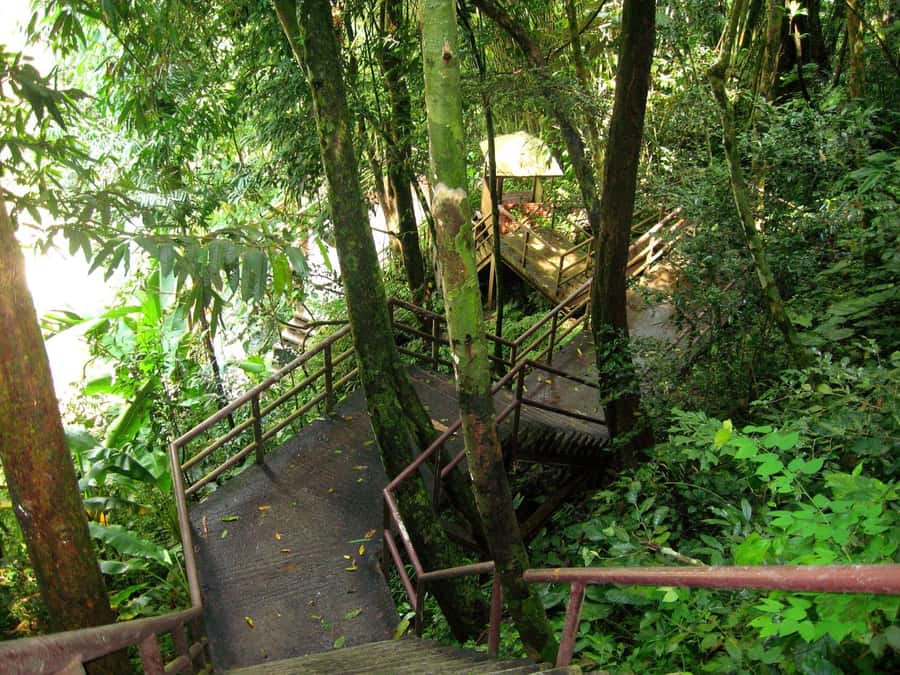
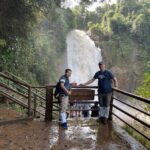
After Haew Narok, you’ll move to Haew Suwat. This is the waterfall people often connect to the film The Beach, and it’s easy to see why. The scene has that classic combination of big rocks, green shade, and a fall that makes the air feel cooler.
The best part here is how relaxed the experience can feel. You’ll find shady spots under trees to sit, plus large rocks where you can sprawl for a bit and let the sounds settle. It’s one of those places where you stop rushing, even if you started the day in “tour mode.”
Important practical note: swimming is not allowed. That’s consistent with safety rules for the waterfall area and also means you should bring your expectations accordingly. You can still enjoy the spray and the setting, but you’re not turning it into a beach day.
And season again matters. If the water is low, you may get more of a trickle than the full visual wall. The park still feels special, but your photos will likely look different than those peak-season, misty images.


Snacks, Cold Towels, and Your Set Lunch Break
Some day trips try to cram everything into one long stretch of hunger and dust. This one is better organized. You’ll have lunch at a local restaurant with drinking water included, plus cold towels during the journey and as part of the included package.
Lunch is a set meal with menu options. You might choose from items such as chicken galangal soup, minced pork or chicken with basil, and dishes like stuffed omelet or stir-fried chicken with cashew nuts. There are also options for vegetarian or vegan meals if you request them when booking.
I like the way this handles variety without making you hunt for your own restaurant. You get a clear, included meal and you’re still able to match your appetite and dietary needs to what’s offered.
And the timing helps. You’re far enough into the day that a real break matters, but not so late that you’ll end up tired and cranky for the ride back.
Khao Yai Visitor Centre: Learn Just Enough to Look Smarter
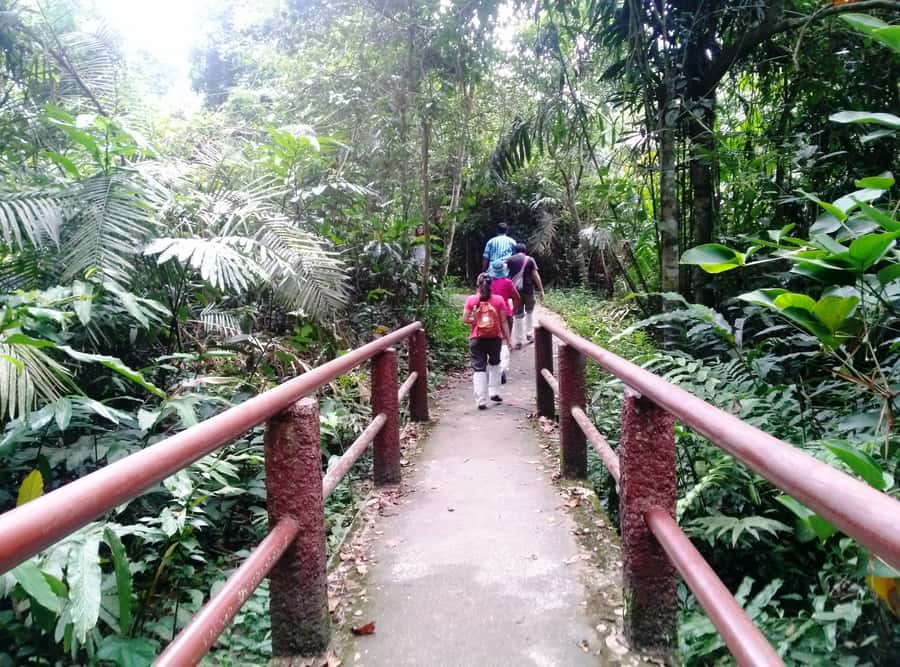
After lunch, you’ll visit the Khao Yai National Park Visitor Centre at the park headquarters. This isn’t a full museum slog. It’s more like a checkpoint where you can connect what you’re seeing in the park with quick background facts.
For me, this kind of stop is valuable because it changes the way you watch the forest. Instead of just thinking about waterfalls, you start thinking about habitats, animals, and why certain trails and areas matter.
If you like learning on the move, this is a good balance: enough context to make the scenery feel less random, without stealing your whole day.
KM. 30 Viewpoint: Early Birds, Quiet Moments, and Park Atmosphere
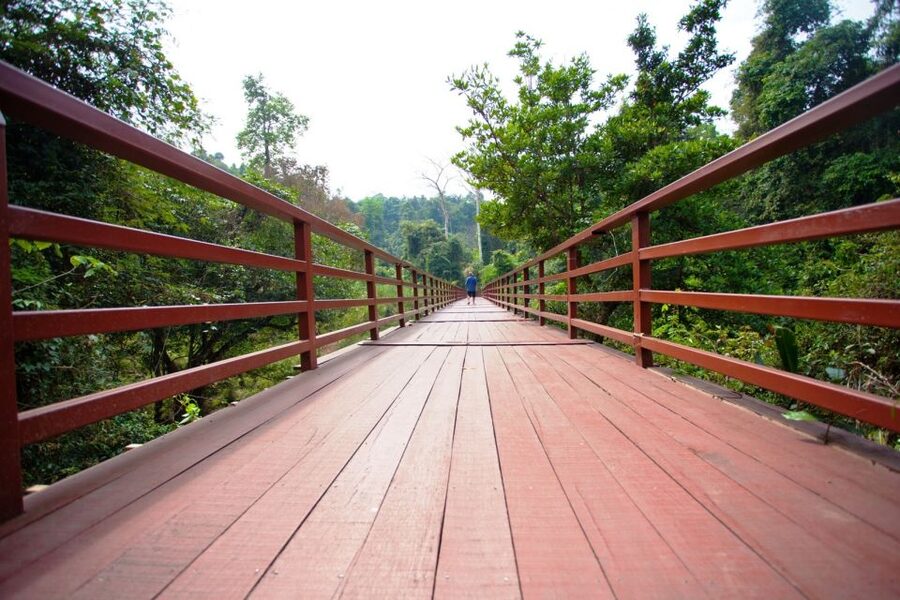
Your final stop is at the KM. 30 viewpoint on Thanarat Road. This is a great place for slow looking. On some mornings, you might run into Thai birdwatchers with binoculars, arriving early to spot species in the area—hornbills are mentioned as commonly seen.
Even if you don’t spot anything rare, this viewpoint gives you a different angle on the park. You’re not in the waterfall zone anymore. You’re watching the park from the edge of the road, which is often when you notice birds and movement that you miss while trekking.
It’s also a nice decompression after the hike. By now, your legs have done their job. You can stand, breathe, and let your photos cool down from the excitement stage.
Transport, Guide, and the Little Things That Make the Day Work
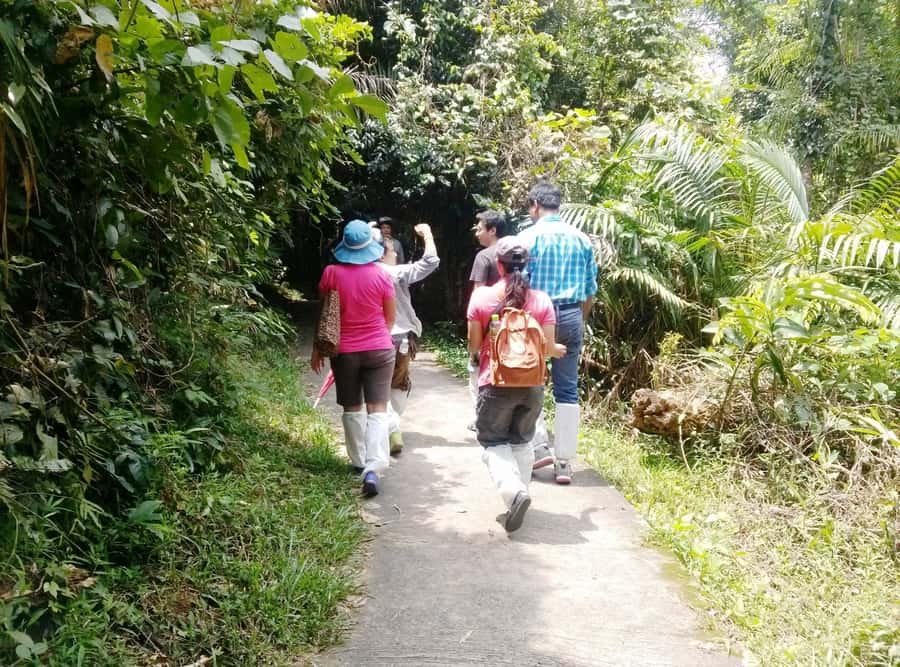
For long day trips, the “small stuff” decides whether you enjoy the trip or just tolerate it. Here, you get a guide plus transportation that helps keep the pace reasonable.
Past departures have highlighted guides such as Peter (or Preecha) and Bond, praised for English and for managing the details during the day. The consistent theme is that the guide doesn’t just point and talk; they help you find good spots, keep you on track, and make sure you’re fed and hydrated.
The driver also gets credit for making the drive comfortable. That matters on this route because you’ll spend real time in the vehicle. A spacious, clean ride helps you arrive more relaxed, not worn out.
And the included items are worth calling out: 3 bottles of water (one at lunch and two during the journey) and three refreshing towels per person. When you’re dealing with heat and walking, those cooling moments feel like real value, not fluff.
Price and Value: Why $189 Can Be Fair (or Not)
At $189 per person, this isn’t a “cheap bus ride” kind of outing. But for a Bangkok-to-Khao Yai day trip, it can be good value if you compare what’s included.
You’re getting:
- Hotel pickup and drop-off (from multiple central Bangkok areas)
- National park entrance fees
- An English-speaking guide
- Transport by comfortable vehicle
- Insurance coverage on your travel date
- A set lunch with drink and fruit
- Water bottles and cold towels
- Rain gear and anti-leech socks during rainy season
- Admission and all the bits that typically add up when you book separately
If you were to plan this yourself, you’d likely pay similarly once you include transport, park tickets, and the time cost of making connections. The guide also helps you make the most of limited daylight in a 10–12 hour window.
Where value can slip is simple: if you’re traveling in dry months, waterfalls may be low or absent. You’ll still see the park and hike, but your “waterfall expectations” need to adjust.
Who This Tour Fits Best (and Who Should Skip It)
This is a solid choice if you want a full day outdoors without planning logistics. You’ll do a hike, see two waterfall areas, eat a real meal, and end at a viewpoint for calmer viewing. It’s also a good fit for couples and solo travelers who want a guided day but still want time to stop and take in scenery.
However, it’s not suitable for everyone. The tour isn’t recommended for pregnant women, people with back problems or heart problems, wheelchair users, or babies under 1 year. If you’re managing a mobility limitation or stamina limits, you’ll want to think carefully about the hike and uneven terrain.
Should You Book This Khao Yai Waterfalls Day Trip?
Book it if you’re going during the rainy season (June–October) or you’re happy to view waterfalls as part of a bigger park day rather than a guaranteed mist show. I’d especially recommend it if you like structured guiding—market stop, waterfall stops, a visitor centre, and a viewpoint—so your time doesn’t get swallowed by decision-making.
Skip or reschedule if your dates are set in the dry season and you’re traveling specifically for maximum water flow. The operator notes that Haew Narok and Haew Suwat may be low or dry until May, which can turn the waterfalls into more of a “waterfall area” visit than the full experience.
If you’re flexible on expectations and you want a well-run Bangkok day trip with real inclusions—water, towels, lunch, and an English guide—this one is a strong candidate.
FAQ
What waterfalls will I visit?
You’ll visit Haew Narok and Haew Suwat Waterfalls in Khao Yai National Park, with Haew Narok described as the largest waterfall in the park and Haew Suwat known for its famous scenery.
When do hotel pickups happen and how long is the trip?
Hotel pickup is after breakfast at about 6:30 a.m., and the full experience lasts around 10 to 12 hours, returning to Bangkok at about 6:30 p.m.
Is swimming allowed at the waterfalls?
No. Swimming is not allowed at the waterfalls on this tour.
What’s included for lunch and drinks?
Lunch is a set Thai meal at a local restaurant with 3–4 menu options (including choices like chicken galangal soup, basil chicken, stuffed omelet, or stir-fried chicken with cashew nuts). Drinking water is included, and you’ll also have bottles of water provided.
Can you make vegetarian or vegan meals?
Yes. If you choose vegetarian or vegan and inform the provider at booking time, they can prepare vegetarian/vegan meals for you.
What if the waterfalls have low water?
Water flow at Haew Narok and Haew Suwat may be very low or completely dry from now until May. The best chance for strong waterfall flow is the rainy season (June–October).
What should I bring for the day?
Bring items like sunglasses, sunscreen, a hat, comfortable clothes and sports shoes (no open-toed shoes or slippers), and personal medication. A charged smartphone, power bank, and hand sanitizer or tissues are also recommended.