REVIEW · BANGKOK
Discover UNESCO World Heritage Sites – Ayutthaya to Khao Yai National Park
Book on Viator →Operated by Planet Blue Co., lLtd. · Bookable on Viator
Two UNESCO stops, one smooth day. This private outing strings together Ayutthaya’s temple ruins and Khao Yai’s waterfall with a simple Bangkok start. I especially like the hotel pickup and drop-off convenience, but the day starts early and runs close to 10 hours.
The other big win for me is the private guide attention. In the group of guides I’ve seen linked to this kind of tour, names like Mr. Peter (Preecha) and Mr. Bond come up often, and the pattern is consistent: clear context, pacing that matches your group, and help with the little on-site etiquette so you’re not guessing.
One consideration: you’ll do temple walking plus a short nature trek to Haew Narok, so if you have mobility limits, this is less of a sit-and-watch day than you might expect. Also, religious sites require specific dress rules, so plan ahead.
Key things I’d plan for
- Four-plus Ayutthaya temples in one morning: Wat Yai Chaya Mongkol, Wat Mahathat, Wat Phra Si Sanphet, and Wiharn Phra Mongkhon Bophit
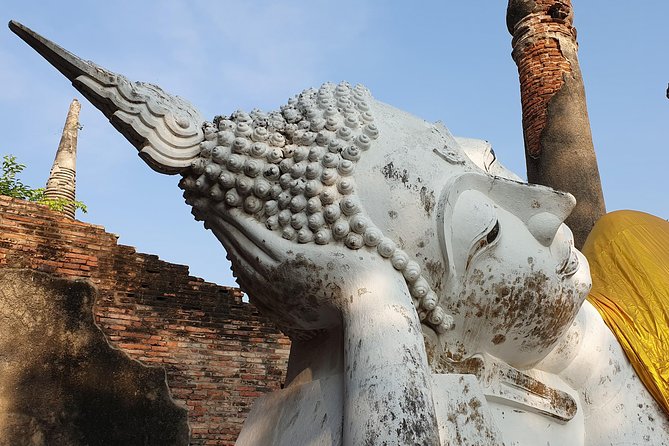
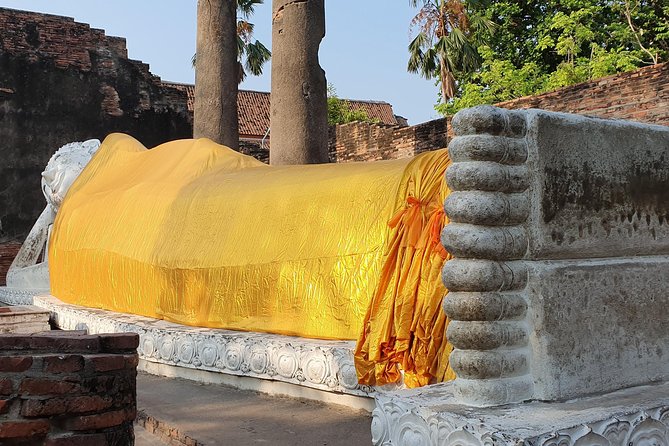
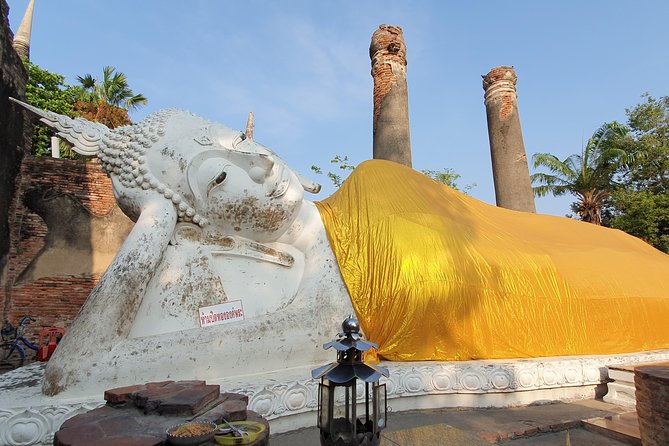
- Reclining Buddha at Wat Yai Chaya Mongkol: a striking 42-meter-long white Buddha
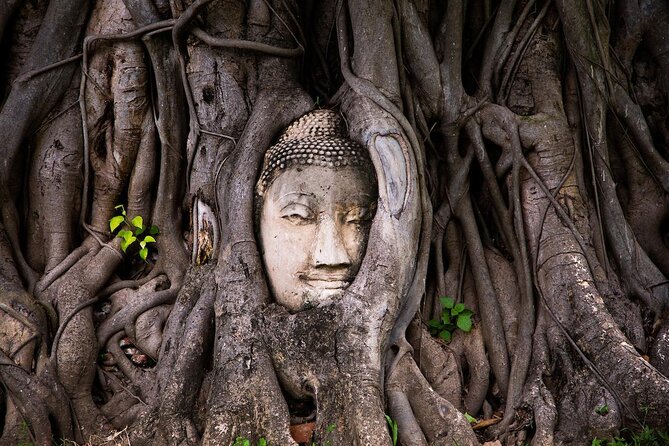
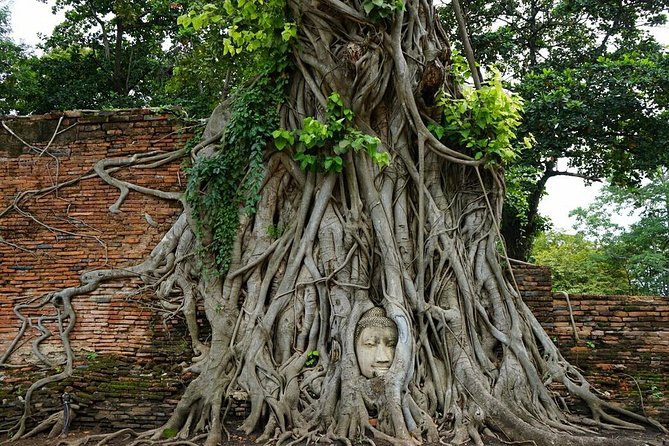
- Wat Mahathat selfie etiquette: the sacred Buddha head in a tree area is holy—sit on your knees for photos
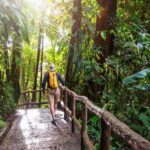
- Haew Narok Waterfall walk: about a 1 km walk from the main road, plus a safe trail down the cliff area
- Rain-season practicality: you get raincoats and anti-leech socks when conditions call for it
- Comfort breaks built in: water, refreshing towels, and a Visitor Center stop at Khao Yai keep the day from feeling nonstop
In This Review
- Why Ayutthaya and Khao Yai Make a Smart 10-Hour Combo
- Ayutthaya Morning: From the Reclining Buddha to the Buddha-Head Tree
- Stop 1: Wat Yai Chaya Mongkol
- Stop 2: Wat Mahathat
- Royal Temple Highlights: Wat Phra Si Sanphet and the Giant Buddha at Wiharn Phra Mongkhon Bophit
- Stop 3: Wat Phra Si Sanphet
- Stop 4: Wiharn Phra Mongkhon Bophit
- The Khao Yai Shift: Getting to Haew Narok and the Park Visitor Center
- Stop 5: Enter Khao Yai National Park and head to Haew Narok
- Stop 6: Haew Narok Waterfall time
- Stop 7: Visitor Center stop
- The Day’s Pace: Start Time, Dress Rules, and How to Stay Comfortable
- Early start, long day
- What to wear at temples
- Footwear and mobility reality
- Weather matters
- Price and Value for a Private UNESCO Combo from Bangkok
- Lunch, Extras, and the Small Stuff That Makes It Feel Easy
- Who Should Book This (and Who Might Want a Different Plan)
- Should You Book This UNESCO Day Trip?
- FAQ
- What time does the tour start in Bangkok?
- Is hotel pickup and drop-off included?
- What should I wear for the temple sites?
- Is lunch included, and can I request vegetarian?
- Does the tour provide rain gear for Khao Yai?
- What happens if the weather is bad?
Why Ayutthaya and Khao Yai Make a Smart 10-Hour Combo
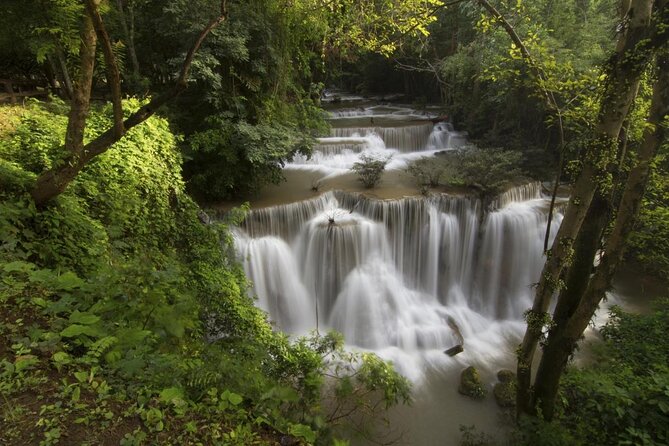
If you’re in Bangkok and want more than one flavor of Thailand in a day, this combo works. You get a morning shaped by Ayutthaya’s UNESCO temple world—big Buddha imagery, royal-era monuments, and classic ruin silhouettes—then you shift to Khao Yai National Park for nature and a real waterfall moment.
I like that the itinerary isn’t just “see a thing and move on.” The flow is structured: multiple temples are grouped by geography so your guide can give context without constantly backtracking, then Khao Yai is handled in a way that keeps you walking (but not marathon-walking). That matters because your comfort depends on how efficiently the day is stitched together.
The value angle here is simple: two UNESCO sites, one private guide, and one set of logistics. For many Bangkok day trips, you end up juggling different tickets, different meeting points, and unclear pacing. This one focuses on doing the heavy lifting—pickup, transport, and key site fees—so you can spend your energy on seeing.
Ayutthaya Morning: From the Reclining Buddha to the Buddha-Head Tree
Your start is early: the tour begins at 6:30 am and is about 10 hours total. That’s not just tradition. Early departure helps you hit Ayutthaya with steadier light and fewer crowds, and it gives you time to take your photos without rushing through every stop like you’re on a conveyor belt.
You can also read our reviews of more tours and experiences in Bangkok.

Stop 1: Wat Yai Chaya Mongkol
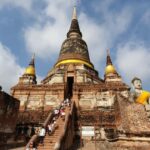
You begin at Wat Yai Chaya Mongkol for the famous reclining white Buddha. The head-to-toe scale is the point here: it’s listed as a 42-meter-long reclining Buddha image, so even if you’ve seen Buddha images before, this one lands differently because it’s hard to ignore the proportions.
This is a relatively short stop (about 30 minutes). That’s a good length: enough time to soak in the view, take a few angles, and then move on before you feel temple-edited fatigue.
Stop 2: Wat Mahathat
Next up is Wat Mahathat, where you’ll look for the iconic tree grown around a Buddha head. It’s a surreal sight: nature and sacred art literally intertwined. It’s also one of those places where people treat the space like a photo backdrop, even though it’s still a holy part of the site.
Here’s the practical etiquette detail that can save you from awkward moments: for photos, sit on your knees to show respect. Your guide will help you understand where you should pause and how to position yourself. That small instruction makes the whole stop feel smoother and more respectful.
Wat Mahathat’s admission is included, and the stop is again about 30 minutes. Think of this morning block as a strong “Ayutthaya sampler,” but with enough time at each place to really notice the details.
Royal Temple Highlights: Wat Phra Si Sanphet and the Giant Buddha at Wiharn Phra Mongkhon Bophit
After two high-impact stops, Ayutthaya shifts into royal-palace territory. This is where the scale of the architecture and Buddha imagery feels tied to old power and old ceremony.
Stop 3: Wat Phra Si Sanphet
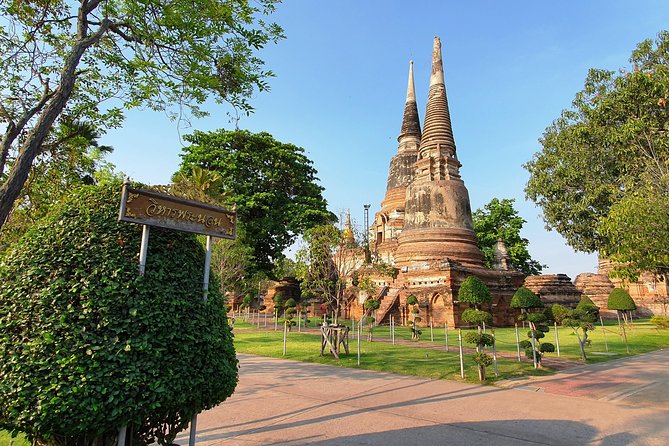
At Wat Phra Si Sanphet, you’re stepping into the largest temple area in Ayutthaya. What stands out here is the famous row of restored chedis within the grounds of the former royal palace.
This isn’t just an aesthetic stop. Your guide can explain the temple’s role and why the restoration work matters, especially as Ayutthaya’s monuments were shaped by history and later rebuilding. The stop runs about 45 minutes, which feels like the right length for slow-looking: you can walk the grounds, find the best sightlines, and take photos without feeling rushed.
Stop 4: Wiharn Phra Mongkhon Bophit
Finally in Ayutthaya, you’ll visit Wiharn Phra Mongkhon Bophit, home to one of the biggest Buddha images in Thailand. The measurements given are impressive: a 9.55-meter lap and a 12.45-meter height.
The stop is shorter (about 15 minutes), but it’s the kind of place where a quick visit still works. When something is this large, you don’t need an hour to get the point. You do want enough time to look up, absorb the scale, and then step back to see how the image fits into its surrounding space.
At these temple stops, admission fees for the listed sites are included, which helps you avoid the common day-trip hassle of paying one-off fees at multiple windows.
The Khao Yai Shift: Getting to Haew Narok and the Park Visitor Center
Once you leave Ayutthaya, the day changes rhythm. Temples ask for slower attention—lines, materials, symbolism. Khao Yai asks for movement and breathing room.
Stop 5: Enter Khao Yai National Park and head to Haew Narok
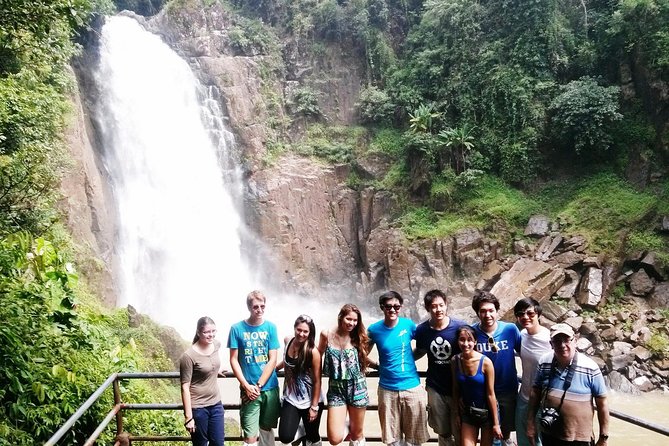
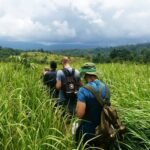
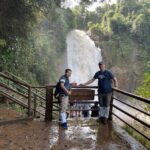
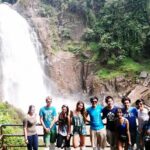
You enter Khao Yai National Park, another UNESCO World Heritage site, then go to Haew Narok Waterfall. From the main road, the walk is about 1 kilometer to reach the waterfall viewpoint.
The itinerary notes a safe trail down toward the cliff area later, so I’d treat this as a “comfortable hiking” type of walk, not a city stroll. You’re moving through a natural setting, so bring your best patience for uneven ground and be ready to go at a cautious pace.
This part of the outing is listed as about 3 hours, giving you time to reach the waterfall, pause for viewpoints, and take in the area without feeling like you’re trapped in a tight schedule.
Stop 6: Haew Narok Waterfall time
Then you spend focused time at the waterfall itself. The stop is about 1 hour, including time on the safe trail down the cliff area for the best angles.
If it’s rainy season, this is also where the included gear becomes genuinely useful. The tour provides raincoats and anti-leech socks during the rainy season, plus bottled water and refreshing towels. That’s a rare “real life” inclusion for a day trip to a forest park. It’s not glamorous, but it’s the difference between feeling okay and feeling miserable.
Stop 7: Visitor Center stop
After the waterfall time, you head to the Visitor Center for about 15 minutes. This is short, but it helps connect what you saw to the park’s story—so the trip feels less like random walking and more like a guided understanding of Khao Yai’s place in Thailand’s natural conservation.
The Day’s Pace: Start Time, Dress Rules, and How to Stay Comfortable
This is one of those days where planning your body matters as much as planning your photos.
Early start, long day
The tour starts at 6:30 am and runs about 10 hours. That means you’ll want breakfast handled before pickup, not after. You’ll be moving between sites across the morning and then into the park area. The upside is that you get a big hit of sightseeing without having to spend extra nights.
What to wear at temples
Temple dress rules are strict enough to affect what you pack. The tour specifies: shoulders and knees must be covered. T-shirts are permitted, but no short, culottes, or 3/4 pants. No flip flops, slippers, or open-toed shoes. Jeans are allowed, and women can wear ankle-length trousers.
Also keep in mind what they flag: no figure-hugging clothes, no exercise wear/sportswear like tracksuits or leggings, and no see-through clothing. It’s not about style; it’s about being allowed inside and being comfortable while walking.
Footwear and mobility reality
You’ll be on foot for temple grounds and the walk to Haew Narok. The guide and route are set up for most travelers, and the tour says most travelers can participate, but you still need decent shoes and a willingness to walk. If you’re dealing with painful knee or ankle issues, consider this carefully.
Weather matters
The tour requires good weather. If conditions are poor enough to cancel, you’ll be offered a different date or a full refund. That’s important because parks can change quickly—rain can affect trails and safety.
Price and Value for a Private UNESCO Combo from Bangkok
At $223.74 per person for a private, UNESCO-focused day, you’re paying for three things: logistics, time, and guide attention.
First, you’re not sorting out transport and multiple site admissions on your own. The temple fees for the listed Ayutthaya sites and Khao Yai National Park are included, and you also get complimentary bottled water and refreshing towels (3 bottles and 3 towels per person). That’s small but real value on a long day.
Second, you’re buying a structure that tries to protect your time. A 6:30 am start sounds early, but it’s designed to make a full day of sites actually workable. You also get pickup and drop-off at selected hotels across areas like Chidlom–Ploenchit, Siam/Silom, Sukhumvit (Soi 1–33), Chinatown, and Khao San Road. If you’re staying in one of those areas, the convenience can be worth a lot.
Third, the tour is private for your group, which is where guides can earn their keep. In past experiences with this type of setup, the best guides don’t just recite facts—they help you behave correctly at sacred sites and see what matters. The name recognition in the guides attached to this tour—Mr. Peter and Mr. Bond—fits that pattern: you’ll get pacing help, site interpretation, and attention to practical needs.
Is it expensive? For a private UNESCO day from Bangkok, it’s in the “serious value” zone, not the budget zone. But if you compare it to piecing together transport, separate tickets, and a guide you hire for only part of the day, this tends to come out more efficient.
Lunch, Extras, and the Small Stuff That Makes It Feel Easy
This day trip includes a traditional Thai lunch at a local restaurant with bottled water. Soft drinks are not included, and alcoholic drinks aren’t included either, though you can purchase them.
If you eat vegetarian, you can request a vegetarian option when booking. Dietary handling is a real quality indicator on long days, and this tour is set up for it. You’ll also want to know what you’re avoiding: if you have allergies, inform the operator, since the tour asks you to provide restrictions ahead of time.
Other helpful touches: you get mobile ticket, and the tour mentions group discounts. You may still be in a private setup for your own group, but the pricing can be more favorable when the organizer can price the day efficiently.
Who Should Book This (and Who Might Want a Different Plan)
This tour makes the most sense if you want a single day that covers both historic UNESCO ruins (Ayutthaya) and nature UNESCO (Khao Yai) without you having to design the schedule.
You’ll probably love it if:
- You enjoy temples but also want a nature break later
- You prefer a guide who helps with etiquette and site meaning
- You want a smooth Bangkok pickup experience rather than navigating on your own
You might think twice if:
- You dislike early mornings and long days
- You have limited mobility or struggle on uneven trails
- You can’t follow the temple dress rules (because shoulders and knees must be covered, and footwear can’t be open-toed)
Should You Book This UNESCO Day Trip?
If your goal is a high-impact UNESCO day from Bangkok—Ayutthaya temples in the morning, Khao Yai waterfall walking in the afternoon—this is a solid choice. The combination is efficient, the inclusions are genuinely helpful for a long day (water, towels, rain-season gear), and the private setup means you’re not stuck with a rigid crowd rhythm.
I’d book it if you can handle the early start, you’re ready for moderate walking, and you’ll dress appropriately for temples. If that all sounds manageable, you’ll get the best kind of travel day: one that feels organized, respectful, and memorable for both history and the natural view at Haew Narok.
FAQ
What time does the tour start in Bangkok?
The tour start time is 6:30 am, and it returns to the meeting point at the end of the activity.
Is hotel pickup and drop-off included?
Yes. Hotel pick-up and drop-off are included for selected hotels, including areas like Chidlom–Ploenchit, Chinatown, Khao San Road, Pratunam, Sathorn, Siam, Silom, and Sukhumvit Soi 1–33.
What should I wear for the temple sites?
You need shoulders and knees covered. T-shirts are allowed, but avoid short pants/cullottes/3/4 pants. Wear shoes that are not flip flops or open-toed; the tour asks for covered, closed footwear.
Is lunch included, and can I request vegetarian?
Yes. Lunch is included at a local restaurant, with bottled water. A vegetarian option is available if you advise the operator when booking.
Does the tour provide rain gear for Khao Yai?
During the rainy season, the tour provides raincoats and anti-leech socks, along with complimentary bottled water and refreshing towels.
What happens if the weather is bad?
The experience requires good weather. If it’s canceled due to poor weather, you’ll be offered a different date or a full refund.