REVIEW · BANGKOK
From Bangkok: Khao Yai National Park Small-Group Day Trip
Book on GetYourGuide →Operated by TripGuru Thailand · Bookable on GetYourGuide
Khao Yai beats a Bangkok layover fast. This day trip is built for nature time: a ranger-guided walk in the park, chances to spot wildlife from viewpoints, and two classic waterfall stops. I especially like that you’re not just driving past sights—you hike the Nong Phak Chi area with a guide who knows where to look.
My second favorite part is the pacing and variety. You get a real countryside reset: waterfall photos at Haew Suwat, a calm break at Lam Ta Khong where deer hang around year-round, then the bigger payoff at Haew Narok. One consideration: the day is long, and the trails can be uneven or slick, so it’s not ideal if you hate walking or you need full mobility support.
In This Review
- Key things to know before you go
- Leaving Bangkok: the BTS National Stadium meeting point and pickup reality
- Khao Yai National Park on the Nong Phak Chi Trail: viewpoint wildlife and real hiking time
- Lunch inside the park: where to eat, what to expect, and how to refuel
- Haew Suwat Waterfall: a quick jungle stop with big-photo potential
- Lam Ta Khong Campground: deer roaming year-round and the calm break you need
- Haew Narok Waterfall: three tiers, the park’s tallest cascade, and the short trek
- Group pace, comfort level, and what fitness really means here
- Value check for around $46: what you’re really paying for
- Responsible, GSTC-certified touring: why it changes the experience
- Should you book this Khao Yai day trip from Bangkok?
- FAQ
- Where is the meeting point for the Khao Yai small-group day trip?
- Is hotel pickup available?
- How long is the day trip and what time frame does it cover?
- What hiking and nature areas will we visit in Khao Yai?
- Which waterfalls are included?
- Are you allowed to swim at the waterfalls?
- When might the waterfalls have no water flow?
- What should I bring for the hike?
Key things to know before you go
- Early pickup and a long drive: you’re leaving Bangkok before most people are fully awake.
- Ranger-led hiking: the Nong Phak Chi route is guided, with viewpoint time built in.
- Waterfalls depend on the season: April to May can mean little to no water flow at Haew Suwat and Haew Narok.
- Deer at Lam Ta Khong: it’s a surprisingly gentle stop compared with the waterfall hikes.
- Bring insect gear and proper shoes: repellent and good footwear matter on the trails.
- English guide + park ranger guide: you’re not guessing what you’re seeing.
Leaving Bangkok: the BTS National Stadium meeting point and pickup reality
Your day starts with a clear meeting plan. If you choose the meeting point option, you meet your guide at National Stadium BTS Station, Exit 2 (2nd floor). Your guide will be holding a TripGuru sign, and you’ll want to be there about 10 minutes early.
If you prefer pickup, hotel pickup is offered, but only from hotels or registered accommodations (not random road pickups, and not just anywhere near malls). This matters because Thailand traffic can be chaotic; the tour is set up to keep the logistics safe and predictable, which also helps the schedule.
The drive to Khao Yai is roughly 3 hours, so mentally pack for a day trip that feels like a full outing. You’ll be back in Bangkok in the early evening—long, but not sleep-depriving-long.
You can also read our reviews of more tours and experiences in Bangkok.



Khao Yai National Park on the Nong Phak Chi Trail: viewpoint wildlife and real hiking time

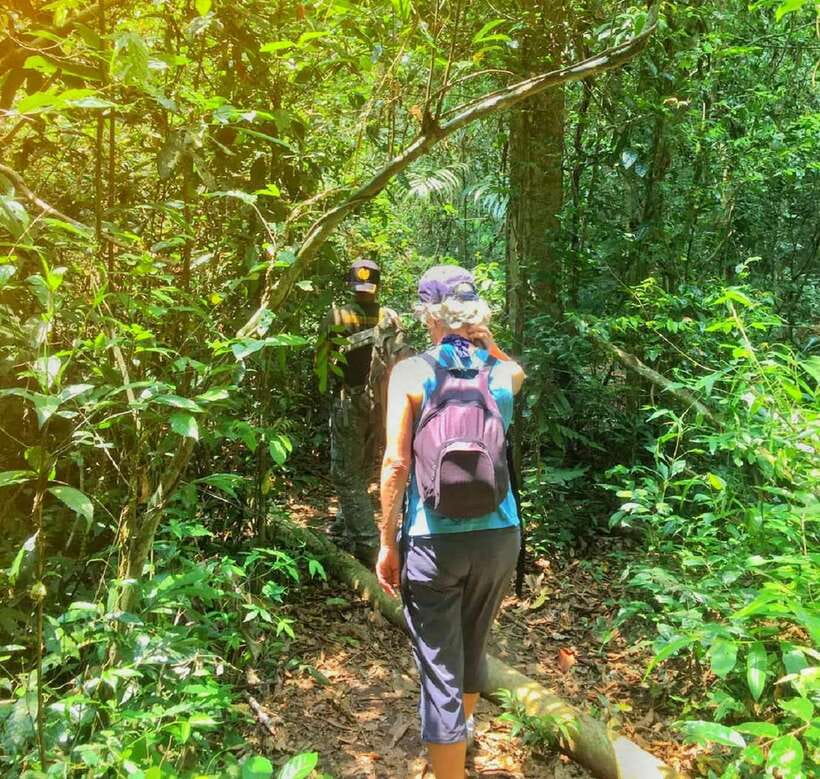
Once you arrive, you head into Khao Yai with guidance rather than a free-for-all. The route centers on the KM 33 – Nong Phak Chi Trail, with a hike that’s about an hour. You’ll move through a mix of forest and grassland, which is exactly what you want in a place like this. Different habitats mean different animals (and different bird calls) are more likely.
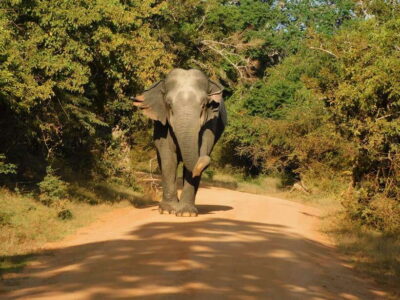
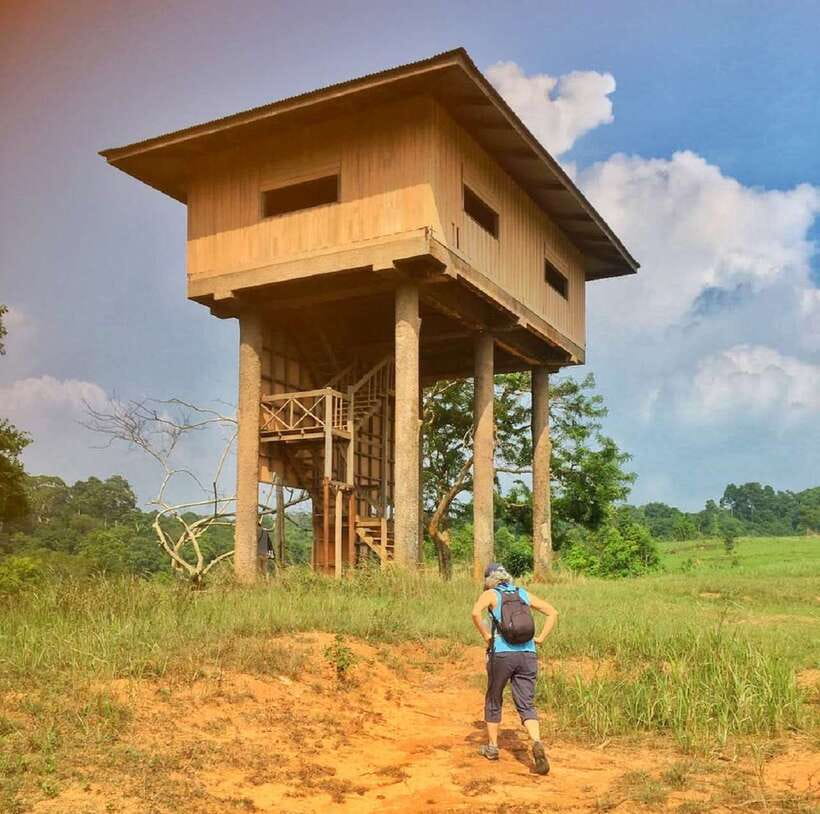
The stop at the Nong Phak Chi Observation Tower is one of the smartest parts of the morning. Higher viewpoints can help you spot movement that you’d miss at ground level—especially birds like hornbills and the general “something’s happening” factor of wildlife areas. You might also see monkeys, and there’s always a chance of larger animals like elephants, though wildlife is never a guarantee.
What I like about having a park ranger guide is that they’ll put the sightings into context. Even if you don’t get the big moment every minute, you’ll understand why that patch of forest matters and what to watch for as the light shifts.
Practical note: this is hiking in a tropical park. Wear footwear that grips well. If it’s rained recently, trails can get slippery, and you don’t want to discover that halfway through your best photo moment.
Lunch inside the park: where to eat, what to expect, and how to refuel
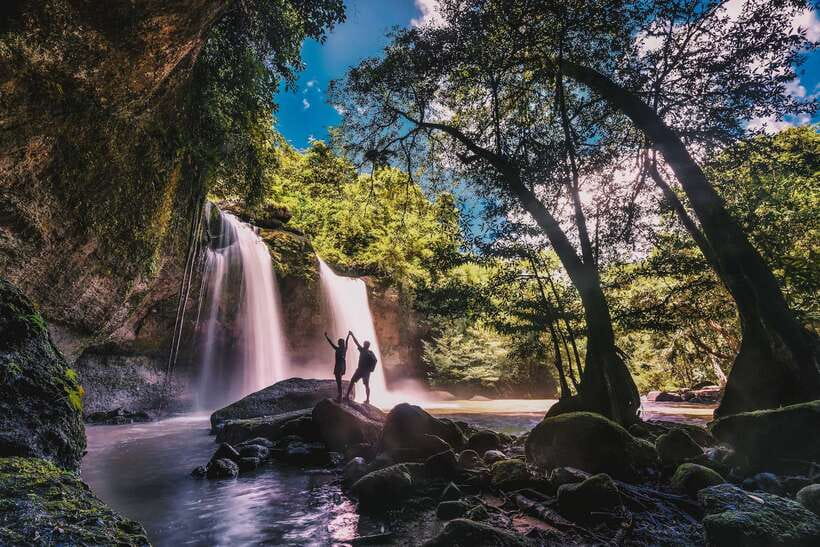
After your hike, you get a lunch stop at a local spot inside the area (listed as a park canteen/local restaurant stop). Lunch is about an hour.
Meals are not included in the price, so you’ll pay for your own food and drinks. The upside: you’re not stuck with a set menu that might miss your tastes. The downside: it can feel “basic” depending on what’s available that day, so don’t expect restaurant-level variety.
My advice: eat early in the hour so you don’t rush later, and bring cash if you can. Also, use lunch time to top off water and sunscreen. This is one of those trips where the sun can sneak up on you between shaded stretches.
Haew Suwat Waterfall: a quick jungle stop with big-photo potential

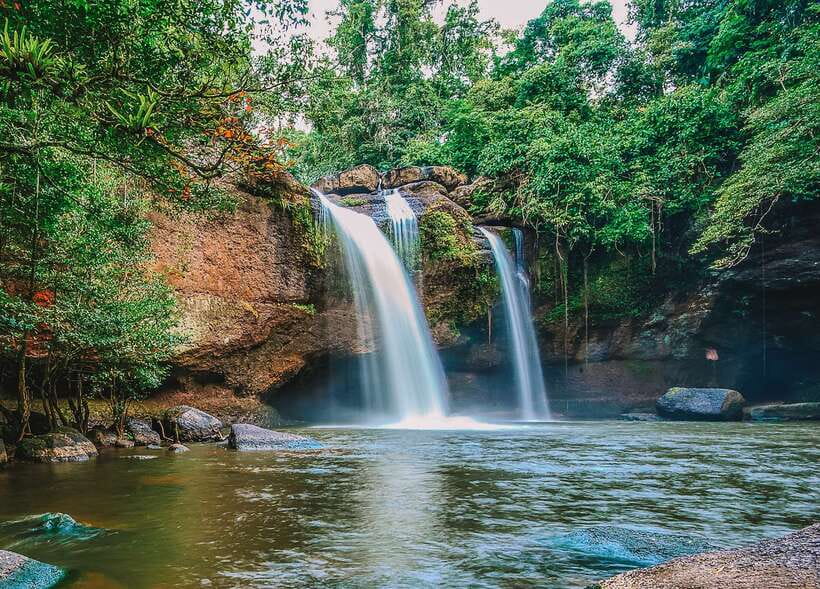
Next comes Haew Suwat Waterfall. This stop is shorter (around 30 minutes), and it’s built for seeing the waterfall, getting photos, and moving on.
Two important realities:
- No swimming is allowed in the national park waterfalls.
- April to May is dry-season territory. Haew Suwat and Haew Narok may have little or no water flow then, which changes the whole vibe.
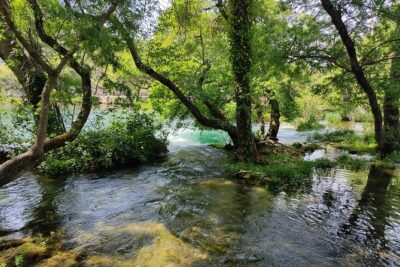
If you’re visiting outside the dry season, you’ll likely catch that classic “rushing cascades” look with jungle vines and rocks framing the scene. If you’re going in late spring (especially April-May), keep expectations realistic. Waterfalls are still beautiful even with less flow, but you’re going for a nature walk and atmosphere more than a dramatic spray.
I’d also plan your photos like a pro: find your spot, shoot quickly, and don’t block the path for others. Waterfall areas can get crowded, and you’ll feel better if you treat it like a shared viewing point.
Lam Ta Khong Campground: deer roaming year-round and the calm break you need
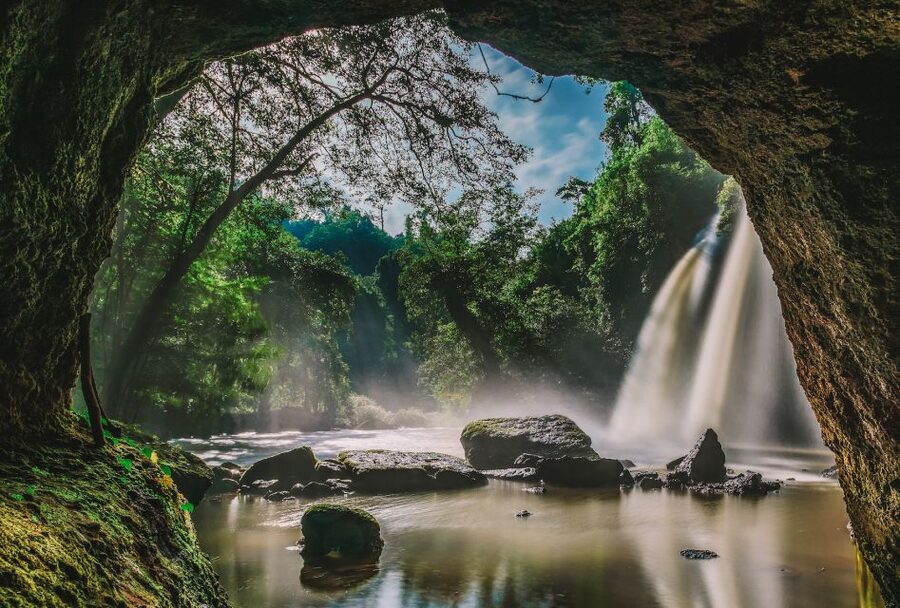
After the waterfall, the tour slows down with a stop at Lam Ta Khong Campground (also listed as Lamtakong Campsite). This is about 30 minutes, and it’s surprisingly sweet.
The big detail here is that deer roam freely year-round. That makes this a different kind of wildlife encounter—less about chasing views and more about watching animals at a relaxed pace.
This is also a good moment to reset your legs before the final hike. You’ll be outdoors, so keep applying repellent if you’re prone to bites, and don’t skip socks/foot protection if the ground looks damp.



Haew Narok Waterfall: three tiers, the park’s tallest cascade, and the short trek
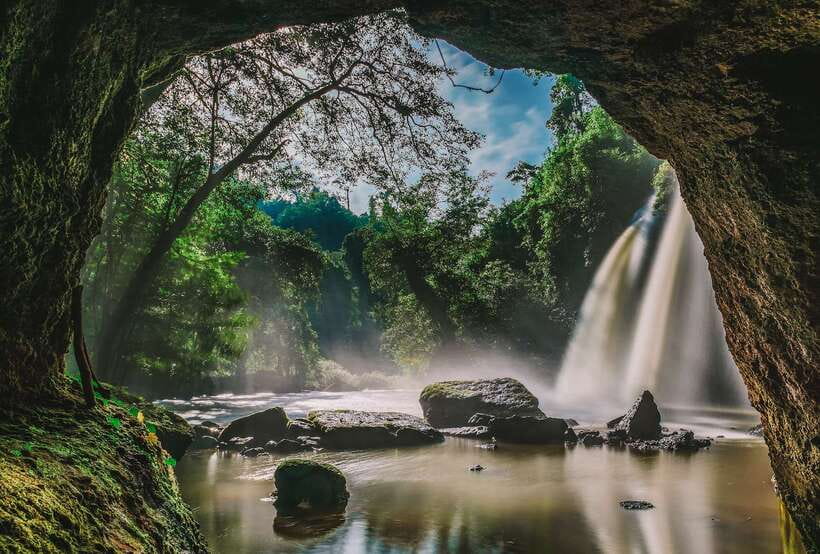
The final major nature hit is Haew Narok Waterfall. It’s described as the tallest waterfall in Khao Yai and it’s three-tiered, which is why it often feels more impressive than the earlier cascade.
You’ll have about one hour for this stop, including the short trek to reach the viewing area. The route is guided, which helps for two reasons: you avoid wrong turns, and you get tips on where to stand for photos.
Like Haew Suwat, Haew Narok is not available during April to May due to dry-season conditions. If you’re traveling in the wet season, you’re more likely to get the roar-and-spray effect. In the drier months, treat this as a “massive nature structure” moment rather than a wall of water.
And again: no swimming. Think viewing, photos, and walking—not a dip.
Group pace, comfort level, and what fitness really means here
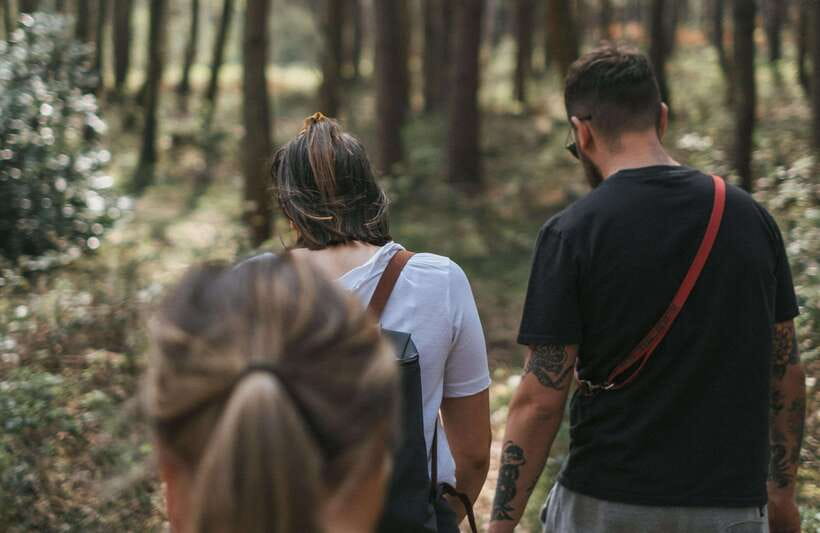
This is an active day. There’s hiking on trails, a nature walk, and treks to reach waterfall areas. You should be comfortable with uneven ground and walking in heat.
The tour is not suitable for:
- pregnant women
- people with back problems
- people with mobility impairments
If you fit none of those categories, you still need to take the physical side seriously. In rainy periods, trails can be muddy and slick. One small tip that comes up from guides on this style of trip: wear socks and keep them protected, so insects and leeches aren’t as much of a surprise. In practice, that means good socks and footwear, plus consistent repellent.
Also pack for insects even if it looks dry. Apply repellent before the hike and reapply as needed. Bring clothing that covers arms and legs, because your best defense is fabric plus repellent—not wishful thinking.
Value check for around $46: what you’re really paying for
At about $46 per person, this trip isn’t expensive compared with the hassle of trying to do Khao Yai solo from Bangkok. The value comes from the structure:
What you get:
- guided experience with a tour guide
- a professional park ranger guide
- air-conditioned vehicle
- entrance fees to Khao Yai National Park when that option is selected
- hotel pickup/drop-off for private tours, or pickup-only for small groups (when selected)
- a glass bottle of drinking water
- insurance
What you pay separately:
- meals and other drinks
- personal expenses
For many people, the biggest hidden cost of doing Khao Yai yourself is transport + timing + finding the right trail. This tour bundles those pressures into a single organized day. You spend your energy on walking, spotting wildlife, and enjoying waterfalls—not on negotiating routes.
My honest read: it’s a strong value if you want guided hiking and your main goal is nature time with less planning stress.
Responsible, GSTC-certified touring: why it changes the experience
Khao Yai is a protected area, and this tour is GSTC-certified, which matters because it signals a focus on responsible operations and lower-impact travel choices.
In real life, that shows up as:
- guided route planning (less wandering off-trail)
- ranger involvement
- an emphasis on respectful wildlife viewing
It also tends to improve the overall vibe. You feel like you’re in hands that understand how to do this without turning the forest into a theme park.
Should you book this Khao Yai day trip from Bangkok?
Book it if:
- you want a straightforward way to reach Khao Yai from Bangkok
- you’re comfortable with a full day that includes hiking and treks
- you care about wildlife spotting from viewpoints like Nong Phak Chi
- you want both waterfalls (as long as it’s not April–May dry season)
Skip or rethink it if:
- you’re going in April or May expecting dramatic waterfall flow
- you have mobility limitations or back issues
- you’re not into getting your shoes muddy and dealing with insects outdoors
If you do book, prepare well. Wear proper hiking shoes, bring insect repellent, and use your early hike time wisely—morning is when you’ll feel the most like you’ve escaped the city.
One more small note: the guides on this trip are often praised for being warm and attentive (names you may hear include Surina and Angie), so your day is likely to feel well managed—not rushed and chaotic. If you’re aiming for a nature reset without renting a car, this is an excellent choice.
FAQ
Where is the meeting point for the Khao Yai small-group day trip?
You meet your guide at National Stadium BTS Station, Exit 2 (2nd floor). Your guide will be holding a TripGuru sign, and you should arrive about 10 minutes early.
Is hotel pickup available?
Yes, pickup is optional. For small-group tours, hotel pickup is offered when selected, and it’s only from hotels or registered accommodations (not roadsides or shopping malls). For private tours, hotel pickup and drop-off are included.
How long is the day trip and what time frame does it cover?
The duration is about 11 hours, including travel time. You leave Bangkok and drive for roughly 3 hours to reach the park, then return in the early evening.
What hiking and nature areas will we visit in Khao Yai?
You’ll visit Khao Yai National Park and hike the KM 33 – Nong Phak Chi Nature Trail. You also get time at the Nong Phak Chi Observation Tower to help with wildlife spotting.
Which waterfalls are included?
You visit Haew Suwat Waterfall and Haew Narok Waterfall. Haew Narok is described as the tallest waterfall in the park and is three-tiered.
Are you allowed to swim at the waterfalls?
No. Swimming is prohibited in the national park waterfalls.
When might the waterfalls have no water flow?
Haew Suwat Waterfall and Haew Narok Waterfall are not available during April to May because there’s no water flow in the dry season.
What should I bring for the hike?
Bring comfortable or hiking-appropriate shoes, sunglasses, a hat, sunscreen, insect repellent, cash, and a camera. Light clothing that covers your arms and legs is recommended.