REVIEW · EL CALAFATE
Full-day excursion to Torres del Paine National Park
Book on GetYourGuide →Operated by Gray Line Argentina · Bookable on GetYourGuide
A full day in Patagonia can feel like a movie set. This Torres del Paine excursion strings together the best-bang-for-time views, from Lake Sarmiento and the Paine River falls to Cuernos del Paine viewpoints, plus a guided walk that’s friendly for different fitness levels. You’ll also get a guide who explains what you’re seeing—flora, fauna, and history—so the scenery has context, not just photos.
One thing to plan for: it’s a 16-hour, long-distance day with lots of gravel-road driving and customs steps, so comfort and endurance matter.
Key points to know before you go
- Big photo stops across Chile and Argentina: Lake Sarmiento, Cuernos del Paine, Laguna Amarga, and more in one day.
- A hike with an achievable pace: Salto Grande to Mirador de los Cuernos del Paine is about 1.5 hours and described as low difficulty.
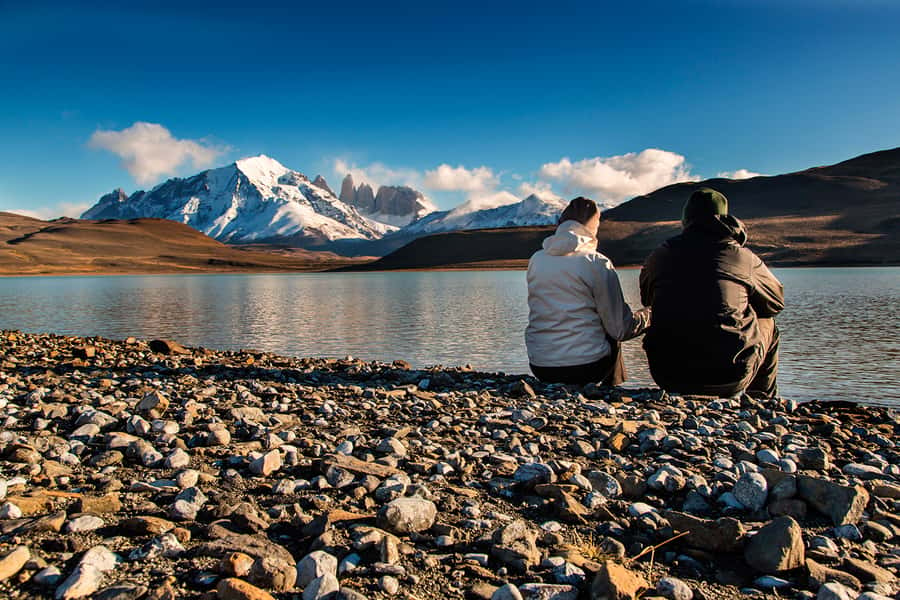
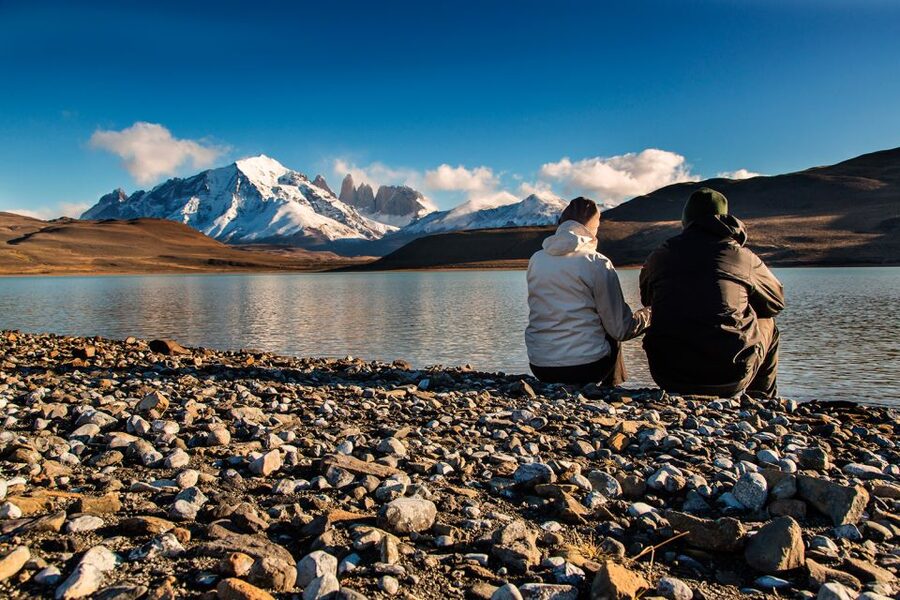
- Pehoé Lake’s dramatic angles: you’ll get prime views of Cuernos del Paine and the French Valley area.
- Border logistics are baked in: you cross at Cancha Carrera and handle customs with a local guide.
- Entrance fee is not included: bring Chilean pesos, and expect to pay at the park.
- Seat space can be tight on long days: one verified booking described a much larger group than advertised, which can affect comfort.
In This Review
- A Border-Heavy Start: Pickup, Cancha Carrera, and the 540 km grind
- Lake Sarmiento to Laguna Amarga: the drive stops you’ll remember
- Salto Grande to Cuernos Mirador: the hike built for different fitness levels
- Pehoé Lake and the French Valley: your big payoff after the walk
- Price and logistics: $263 value, plus the one cost you must plan for
- What the guides actually do on this kind of day
- Who should book this and who should skip it
- Should you book Gray Line Argentina’s full-day Torres del Paine excursion?
- FAQ
- Is the Torres del Paine National Park entrance fee included?
- What’s included in the $263 per person price?
- How long is the excursion?
- Do I need a passport?
- Is this tour wheelchair accessible?
- Is there a lot of walking?
A Border-Heavy Start: Pickup, Cancha Carrera, and the 540 km grind
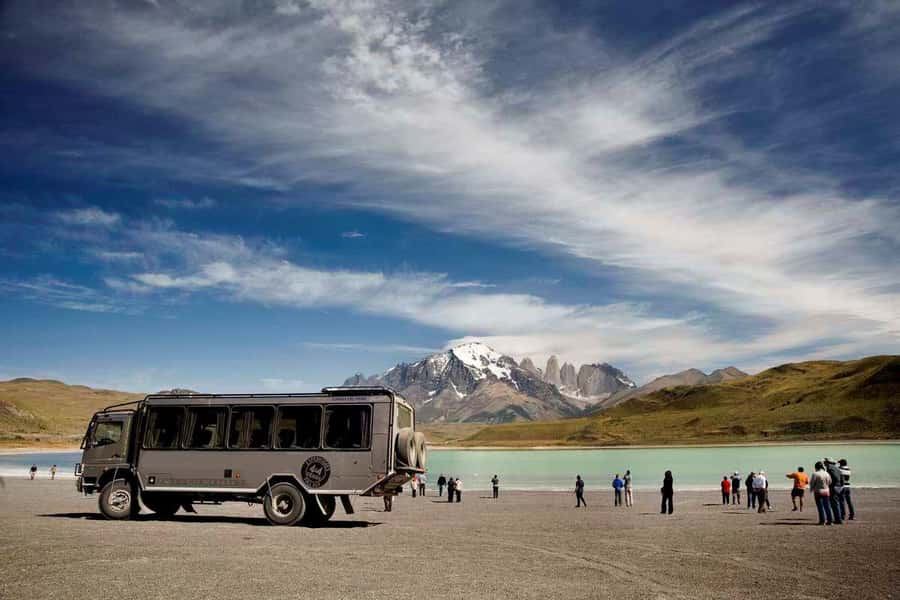
This tour starts early because it has to. You’re picked up from your El Calafate hotel, then you head out on a picturesque gravel road that leads to the Cancha Carrera border crossing. After customs and immigration, you’re officially on the Chile side and the day really starts.
The big number to keep in your head is 540 km round trip. That distance is why the itinerary feels like a sequence of “quick, important stops.” It’s also why Patagonia tours like this often run on time differently than city sightseeing: you’re dealing with border processing and long stretches of uneven road.
There’s also a document reality check. You’ll need your passport (an original document, not a copy). You also must present your travel assistance insurance before departure. If you’re thinking you’ll just show a photo of your passport or scramble last minute, don’t. Border days in Patagonia are not the place for improvising.
One more logistics note that matters for convenience: pickup is included, but not every hotel is on the route. If your hotel isn’t covered, you’ll be told where to meet instead. It’s worth confirming early so you don’t end up standing around in the cold wondering where the van is.
Lake Sarmiento to Laguna Amarga: the drive stops you’ll remember
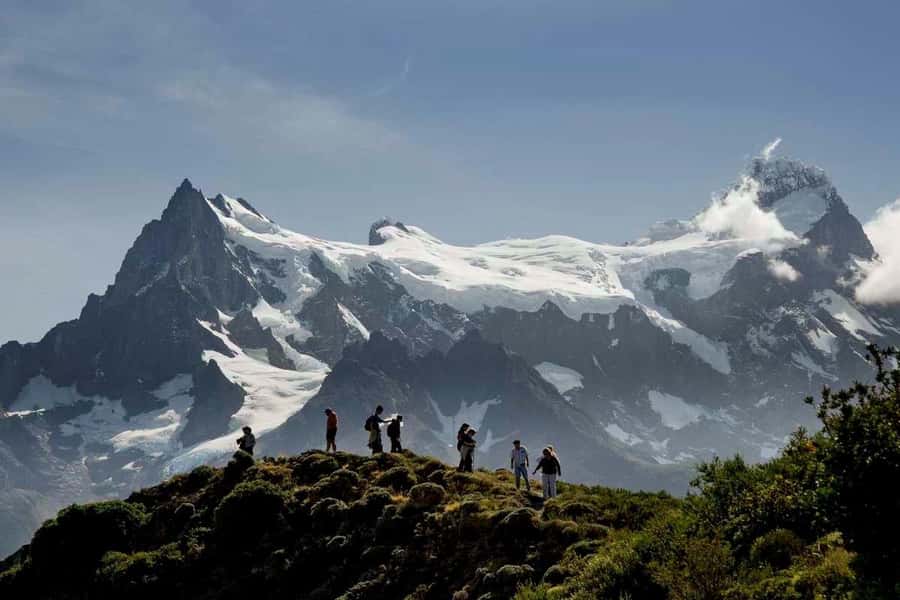
Even before you get into the park, the drive is doing real work. The plan includes several viewpoints where the scenery shifts from lake-and-mountains to river power to sharp, iconic peaks.
Here are the stops that make the day feel like more than just transport:
- Mirador del Lago Sarmiento de Gamboa: your first look at that wide, Southern Patagonia water-and-sky feeling.
- Falls of the Paine River: one of those moments where the landscape sounds louder than it looks.
- Upper viewpoint of Cerro Almirante Nieto: a high vantage that helps you understand the mountain layout.
- Cuernos del Paine viewpoint stops: you’ll see why these horns are the name-brand of the region.
- Laguna Amarga: a lakeside viewpoint where the color-and-contrast effect can feel postcard-like.
On a day like this, I like that the itinerary doesn’t only rely on one “main” view. The scenery is layered: you get water views, then dramatic peaks, then those lake-and-mountain combinations that give you a better mental map of where things sit.
If weather is moody, a good guide makes a difference. One guide named Matias is specifically noted for handling unpredictable weather by adjusting the order of stops to help you catch the views before fog moves in. Even if your day is clear, that kind of flexibility usually means fewer missed-photo moments.
You can also read our reviews of more tours and experiences in El Calafate.
Salto Grande to Cuernos Mirador: the hike built for different fitness levels
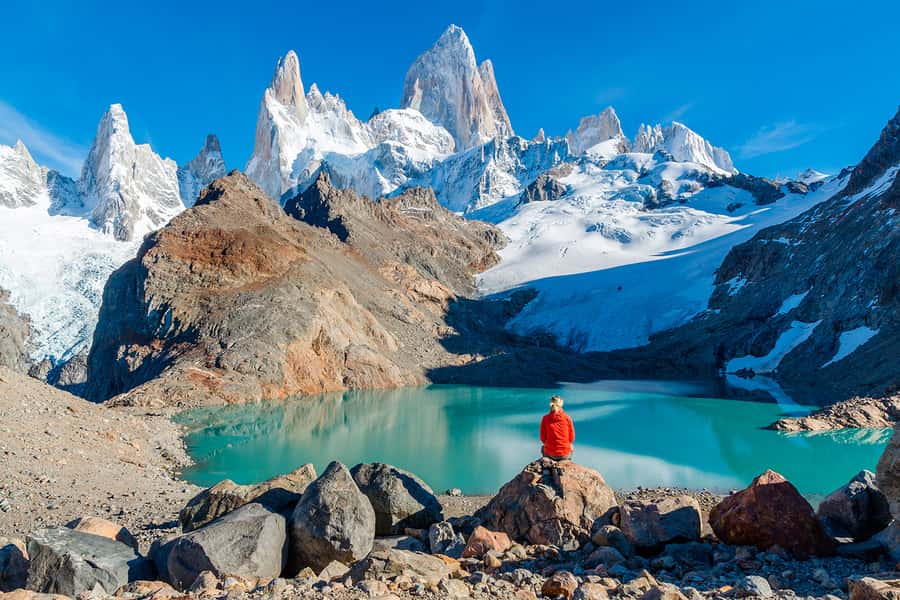
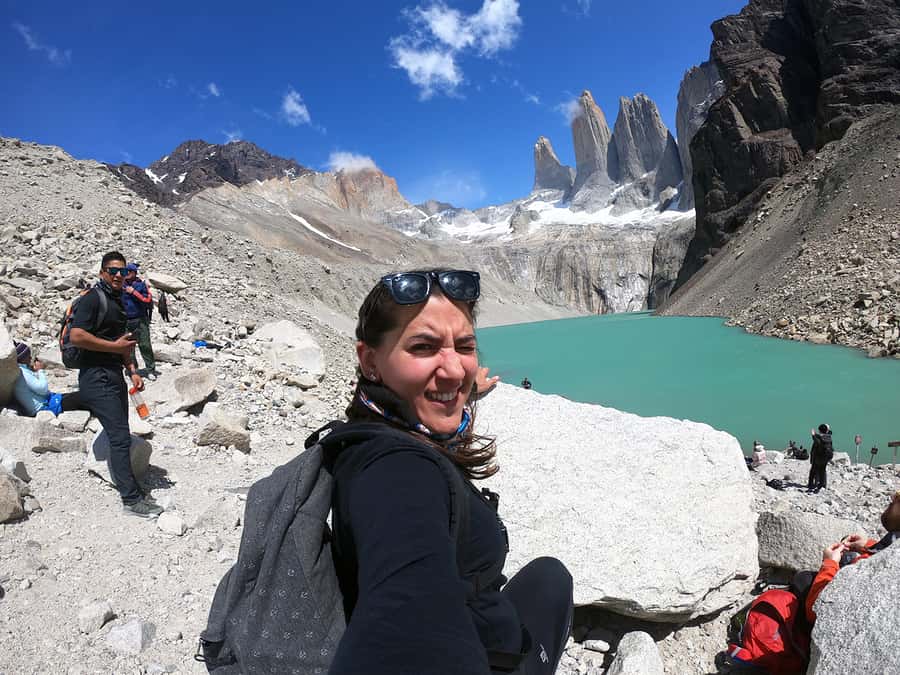
Once you’re in the park, the tour shifts from “look from the bus” to “walk and earn the view.” The hike starts at Salto Grande and takes you about 1 hour and 30 minutes to the Mirador de los Cuernos del Paine, on the shores of Nordenskjold Lake.
What matters for planning is the effort level. This is described as low difficulty and intended to work for all levels, but you should still be in good shape. You’re not doing technical climbing, but it’s a real walk in Patagonia conditions—wind, uneven ground, and rapid temperature changes can turn an easy trail into a tougher one.
I also like that the route supports the day’s pacing. The walk isn’t so long that you arrive at the key viewpoints exhausted. Instead, it gives you the sense of being “inside” the scenery rather than just watching it roll by.
Quick practical tip: wear shoes that handle gravel and moisture. Bring layers, because Patagonia weather can change fast, and you’ll be outside for multiple stretches. And because you’ll be doing several walks throughout the day, you’ll appreciate not having to worry about foot pain halfway through.
Pehoé Lake and the French Valley: your big payoff after the walk
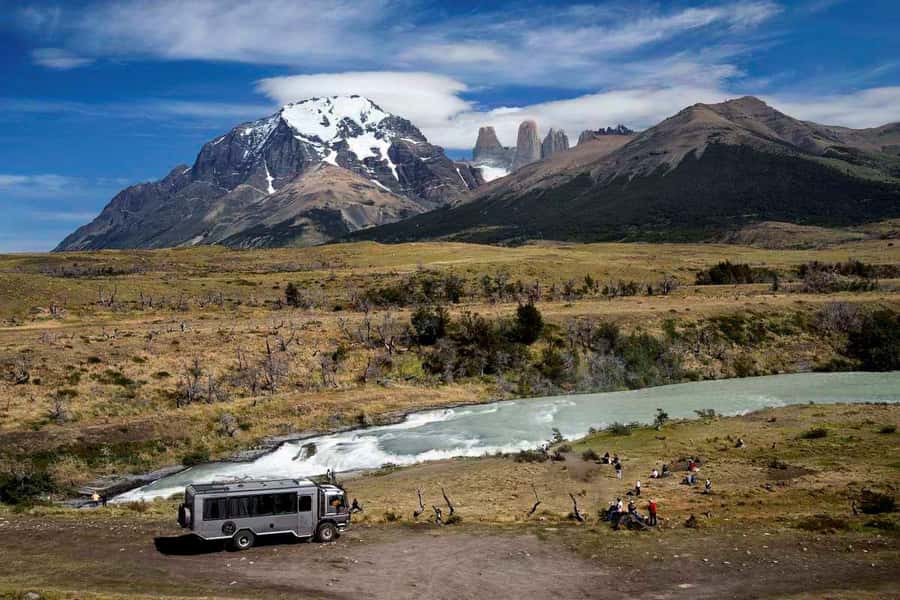
After the hike, the tour doesn’t just park you back on the bus and send you home. It takes you to Lake Pehoé, where the views of Cuernos del Paine are said to be among the best. There’s also a stop where you’ll see the French Valley area.
This is the part of the day that feels like a breather. The walking section gives your legs a job; Pehoé Lake gives your eyes time to settle on the geometry of the mountains and the way light sits on the water.
Why this matters: Cuernos del Paine is one of those subjects that can look different from different angles. If all your time were limited to one viewing point, you might only get one version of the iconic view. By adding Pehoé Lake and the French Valley perspective, the tour increases your chance of leaving with more than one unforgettable image.
And because this is a full-day excursion—around 16 hours total—you’ll likely get the emotional arc of the day: early excitement, mid-day physical effort, then a calmer payoff where you can actually breathe and take it in.
Price and logistics: $263 value, plus the one cost you must plan for
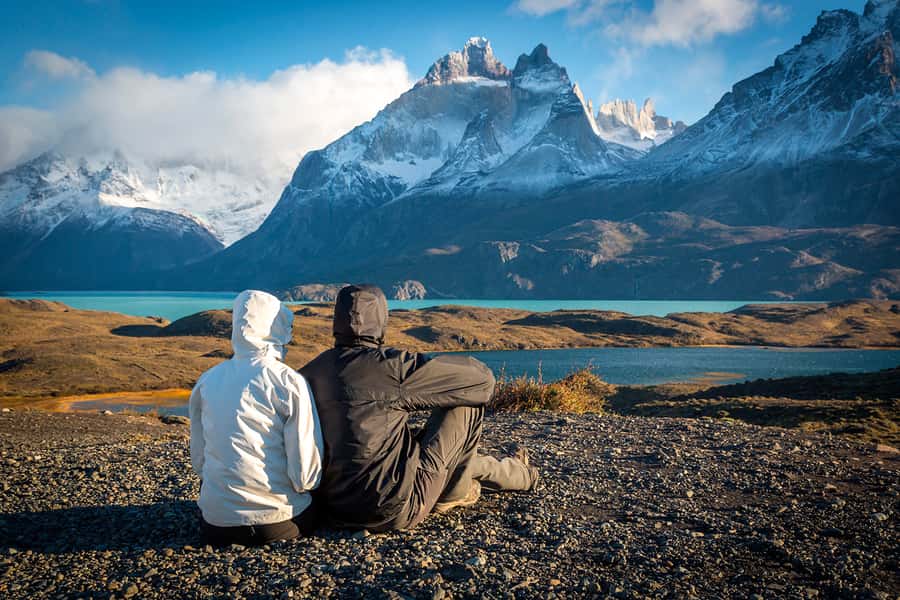
At $263 per person, you’re paying for more than a bus ride. Included in the price are:
- Round-trip transportation from El Calafate hotels
- An English and Spanish-speaking guide
- A box lunch
That’s meaningful value in this region. In Southern Patagonia, crossing borders, managing long drives, and timing park access is not trivial. This tour bundles that hard part.
But there’s one major “read the fine print” cost:
- The entrance fee to Torres del Paine National Park is not included.
- You’re told to exchange money in El Calafate before the tour starts, because only Chilean pesos are accepted for the park access.
This is the kind of miss that can turn into stress fast. If you plan to pay on the spot with whatever currency you have in your pocket, you’ll be scrambling. Do yourself a favor and handle the exchange ahead of time.
Group size and comfort can also affect how much value you feel. The itinerary relies on travel time and long sitting. One verified booking described a situation where the group was much larger than a small-group expectation, and the bus felt cramped for many hours. So if you’re sensitive to seat comfort, it’s worth asking what the vehicle size looks like for your departure.
What the guides actually do on this kind of day
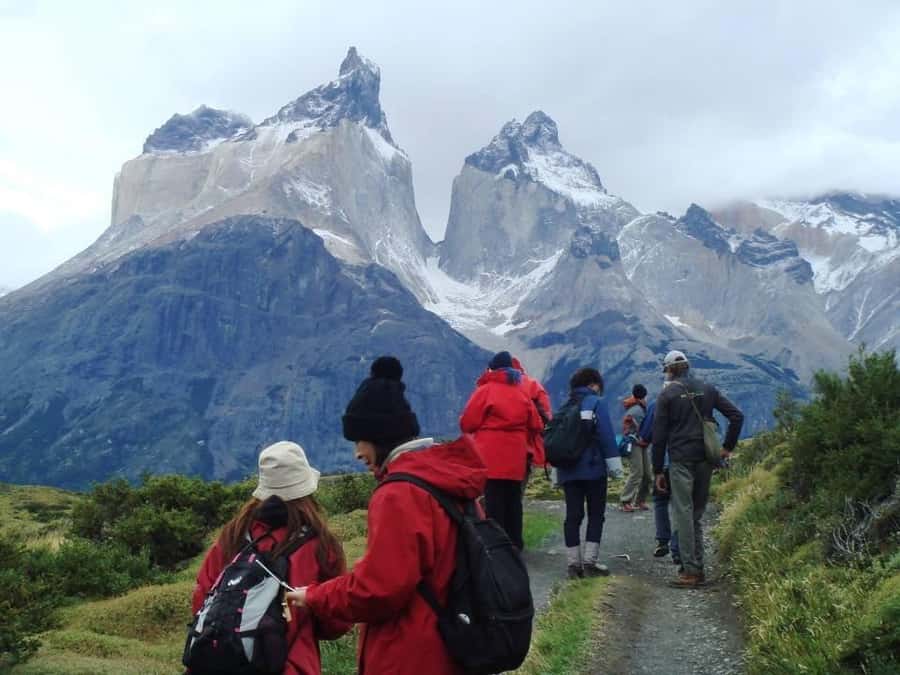
This isn’t just a “stand here, take a photo” tour. The guide role is part of the value. The day includes education on:
- Flora and fauna you can spot or infer from the environment
- History tied to the region
- Explanations that help you connect the viewpoint names to real geography
Language support is also practical. You’ll have a guide who speaks English and Spanish, which is a big deal on long days when you want more than basic commentary.
And again, the weather-flexibility piece matters. When conditions change, the guide’s ability to adjust the order of viewpoints can keep your best shots from slipping away.
Who should book this and who should skip it
This is a great choice if you want a single, high-impact day that covers multiple Torres del Paine icons without needing to plan transport, border timing, or multi-day lodging.
It’s also a good fit if you’re:
- Comfortable with long travel hours
- Physically able for a hike around 1.5 hours, plus additional walking throughout the day
- Interested in both natural scenery and short, guided context about the ecosystem
However, I’d skip it if you have any red flags listed for the tour:
- Pregnancy
- Heart problems
- Neck or spine problems
- Any significant risk illness
- Reduced motor skills
- Small children (the long day, gravel roads, and walking time make this a rough match)
Accessibility is also important: the park doesn’t provide access for wheelchairs or people with reduced mobility, so this isn’t a good option for mobility limitations.
If you’re on the fence because of health or comfort concerns, think about the full format: border crossings, long sitting, gravel roads, and cold/wind exposure outdoors.
Should you book Gray Line Argentina’s full-day Torres del Paine excursion?
If you have limited time in El Calafate and you want Torres del Paine without turning your trip into a logistics project, this is a solid pick. The itinerary hits major viewpoints—Lake Sarmiento, Paine River falls, Cuernos del Paine viewpoints, Laguna Amarga—and it includes a hike to a true viewpoint on Nordenskjold Lake, plus Pehoé Lake and French Valley perspectives. That’s a lot of “core hits” stuffed into one day.
Just don’t ignore the practical gotchas:
- Plan for 16 hours and 540 km of travel.
- Bring a passport and have your travel assistance insurance ready.
- Exchange to Chilean pesos in El Calafate because the park entrance fee isn’t included and only pesos are accepted.
- If you’re picky about bus comfort, ask about group/vehicle size ahead of time.
When these details are handled, the day makes sense. You get a guided, full-day taste of Patagonia’s most famous terrain—plus enough walking to feel the place, not just watch it.
FAQ
Is the Torres del Paine National Park entrance fee included?
No. The park entrance fee is not included, and you should exchange money in El Calafate before the tour starts because only Chilean pesos are accepted.
What’s included in the $263 per person price?
The price includes round-trip transportation from El Calafate hotel pickup, a box lunch, and an English and Spanish-speaking guide.
How long is the excursion?
It runs about 16 hours.
Do I need a passport?
Yes. You must present your original passport (not a photocopy). Also, you need to present your travel assistance insurance before departure.
Is this tour wheelchair accessible?
No. There is no access for wheelchairs or people with reduced mobility, and the park itself does not offer that kind of access.
Is there a lot of walking?
There are several walks. The longest one is about 1 hour and a half, and it’s recommended that you be in good physical condition.