Forty thousand years is closer than you think. This day trip from Miri takes you from river boat to cave paintings and the famous remains linked to Borneo’s earliest humans, all with a guide who puts the story into plain words. It’s a rare mix of easy-to-follow touring and real, physical time-warp—limestone, darkness, and details you can actually look at.
I especially like the guided focus inside Gua Niah: you’re not just shown objects, you get the context for what archaeologists found—like a young Homo sapiens skull display, stone/bone/iron tools, and the human figure and boat cave drawings. I also like the pacing of the day: pickup, then a drive, then the boat-and-walk approach that makes the caves feel like a destination, not a quick stop.
One thing to consider: this is a lot of walking, and some parts are dark and slippery. Transport can also be a bit uncomfortable for the ride in and out, so if you’re sensitive to rough roads, pack accordingly and take it slow.
In This Review
- Key things that make this trip worth your time
- Niah Caves: what you’re really going to see
- The 8:30 am start: getting from Miri to the park with minimal hassle
- The river boat and the forest walk: why the approach matters
- Entering Gua Niah: skulls, tools, and the cave’s human timeline
- Cave paintings at Niah: boats and human figures up close
- Guide quality: Allen and Sazali, and what good guiding looks like
- Lunch and timing: how to make an 8-hour day feel manageable
- Transport and footwear: the two things that can make or break your comfort
- Price and value from Miri: what you’re paying for
- Who should book this Niah day trip (and who might skip it)
- Should you book this Niah Caves day trip from Miri?
- FAQ
- What time does the tour start in Miri?
- How long is the Niah National Park day trip?
- What’s included in the price?
- Are drinks included with lunch?
- Is hotel pickup included for every hotel in Miri?
- Do I need moderate physical fitness?
- Are camera fees included?
- What happens if the tour can’t run due to weather?
Key things that make this trip worth your time
- Small group size (max 10): easier questions and less rushing around the cave.
- Boat ride + forest approach: you build the day physically, so the caves hit harder.
- Gua Niah stops are guided: skull, tools, and coffin death-ship finds are explained with care.
- Cave paintings are a highlight: boats and human figures you’ll understand better with a guide’s notes.
- Lunch at a park cafe: included so you’re not hunting food mid-exploration.
- Bring a flashlight: even with guidance, having your own helps in darker cave areas.
Niah Caves: what you’re really going to see
Niah National Park is about more than a “cool cave day.” The core reason people come is archaeological: the area is tied to some of the oldest evidence of human presence in Borneo, including a display connected to a young Homo sapiens skull reportedly dating back about 40,000 years. That single detail changes how you look at everything else inside.
The caves also matter because of what’s preserved in limestone. Over time, caves can hold evidence extremely well. On this tour, you’ll stand where archaeologists have found tools made from stone, bone, and iron, plus artifacts that help explain how people lived over huge spans of time. You also get a look at cave drawings—boats and human figures—that connect daily life to the site’s long timeline.
And yes, you’ll see living cave life too. The caves are full of animals like bats and swiftlets, and the forest approach around the park includes limestone vegetation. Wildlife is not guaranteed, but the setting makes it feel like you’re moving through a real ecosystem, not just walking from photo spot to photo spot.
The 8:30 am start: getting from Miri to the park with minimal hassle
The day starts at 8:30 am in Miri, with hotel pickup included for selected hotels. After pickup, you’ll drive to Niah National Park—plan on about 90 minutes of travel time. You’ll then register at the park HQ before continuing onward.
This is one of the biggest practical wins of a packaged day trip. You’re not worrying about how to get there, where to park, or how to time the river crossing and walking. It’s also one less headache if you don’t want to build a DIY route around transportation schedules.
Still, keep expectations realistic: the included ride can be a little uncomfortable. If you’re prone to back aches, bring something supportive (or at least dress for comfort) and plan to move gently when you stop. It’s worth it, but it’s not a luxury transfer.
The river boat and the forest walk: why the approach matters
Once you’ve reached the park, you’ll go by boat across the Niah river. After that, the day continues with a walk toward the cave entrance. Expect roughly an hour of hiking/walking, including a plank-walk style stretch toward the Great Cave area.
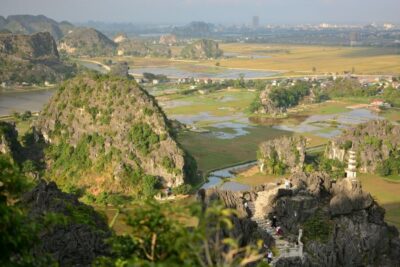
This part matters more than you might think. The boat ride gives you a first sense of the park’s geography—limestone, water, and forest all in the same frame. Then the walk slows you down. You’re less likely to feel like you’re rushing through “the tourist part” because you’re physically moving through the setting.
You’ll also get a natural moment to learn about what limestone habitats look like. Plants connected to limestone topography are part of the story here, and the guide’s explanations help you notice what you’d otherwise walk past—like the types of vegetation that grow around the entrances and along the route. Wildlife sightings are not guaranteed, but birds and small animals are possible, especially when weather is kind.
Entering Gua Niah: skulls, tools, and the cave’s human timeline
The main event is Gua Niah (The Great Cave area). This is where you’ll spend real time learning and looking. The guide brings the finds into focus—especially the display of a young Homo sapiens skull and associated evidence.
Inside, you’ll also see tools made from stone, bone and iron. That set of materials gives you something concrete to connect with real life: what people used, how they may have hunted or worked, and how the site functioned over long periods. You’ll also learn about wooden coffin “death-ships.” These are the kind of objects that sound dramatic until a guide explains how they fit the culture and burial practices linked to the cave.
The time span is a mind-bender. You’ll hear that evidence in the caves stretches from around 40,000 BC to about 1400 AD, which means the cave wasn’t a one-time stop—it was used across ages. Even if you only remember a few key numbers, you’ll feel the scale of time in your bones.
Cave paintings at Niah: boats and human figures up close
The cave paintings are a key reason many people rate this trip highly. You’ll see the Niah cave drawings, including boats and human figures. Up close, paintings can be subtle—sometimes less “obvious art” and more “important markings” that need explanation to really read.
That’s where the guide becomes crucial. The best tours aren’t about speed; they’re about interpretation. A good guide shows you where to look, how to connect the drawings to the human presence in the caves, and why archaeologists find these images meaningful.
One practical note: don’t expect every painting to look like a modern wall mural. Lighting, distance, and cave conditions matter. If you want your photos to come out, plan on using your own device settings carefully—and having a flashlight helps you see details where the cave lighting may not show everything clearly.
If you’re the type who likes “objects plus story,” this is the part that will click.
Guide quality: Allen and Sazali, and what good guiding looks like
This tour shines when the guide turns facts into something you can picture. In particular, guides like Allen and Sazali come up for being friendly, attentive, and clear. When a guide is on form, you stop treating the caves like a checklist and start experiencing them as a place where people lived, traveled, and left behind evidence.
A good guiding style here looks like:
- pointing out specific items without rushing
- explaining what the finds mean in everyday terms
- giving you time to look, then tying it back to the bigger timeline
It’s also why this tour works well for first-timers. You don’t need a background in archaeology to understand what you’re seeing. The guide’s job is to make the site readable.
Lunch and timing: how to make an 8-hour day feel manageable
This is roughly an 8-hour day trip. After your time in the cave, you’ll stop for included lunch at a park cafe. That’s a welcome relief because you’re working up an appetite on the walk and in the cave’s cooler air.
Beverages are not included, so if you know you’ll want a drink during the day, plan ahead. I find it helps to pace water intake with the walking segments, especially if the day is humid.
Timing-wise, the itinerary is built around a sequence: drive → registration → boat crossing → walk to the cave entrance → guided exploration → lunch → return to Miri. If you get impatient at long travel days, keep reminding yourself that the “in-between” parts are part of the experience. The caves don’t feel like a random stop; they feel like a destination reached with intention.
Transport and footwear: the two things that can make or break your comfort
Two practical issues show up in real-world feedback: getting in and out, and what the cave footing feels like.
For transport, the ride to Niah and back can be on vehicles that are not what you’d call smooth or roomy. If you’re sensitive to back pain, you’ll feel it more on the return ride when you’re tired. Wear supportive shoes, take breaks when you can, and don’t assume the van ride will be comfortable.
For footwear, this is a walking-heavy day, with dark areas and surfaces that can be slick. The tour is recommended for people with moderate physical fitness, and comfort matters. Bring comfortable walking shoes with grip. And yes—based on strong practical advice tied to the cave itself—bring a flashlight so you can see what you want to see, even if cave lighting is limited.
Price and value from Miri: what you’re paying for
At $90.65 per person, this is not a budget-only outing. But it’s also not just paying for entry to a cave. You’re paying for:
- professional guiding during the cave and interpretation parts
- boat ride across the river
- hotel pickup and drop-off (selected hotels)
- an included lunch
- a planned day sequence so you don’t need to figure out logistics
Admission tickets are listed as free for the main stops, which helps the value equation. The price is really about convenience plus interpretation. If you’re traveling with limited time in Sarawak, this kind of full-day format can be the smartest use of a day away from Miri.
Where value may feel weaker is if you’re expecting an easy, sit-along-the-road tour with no walking. This one has movement and cave conditions. If you handle that part well, it feels like good value for a guided archaeological site day.
Who should book this Niah day trip (and who might skip it)
This tour fits best if you want a structured day that mixes transport, guiding, and a meaningful archaeological site. It’s especially good for:
- history and human story fans
- travelers who want a guide to explain what they’re seeing
- people who don’t want to manage DIY transport timing
I’d be more cautious if:
- you have mobility limits or you hate slipping-on-dark floors situations
- you need a very comfortable ride with minimal bumpy road exposure
- you want a purely relaxed walk with no cave darkness and no flashlight-needed moments
The small group size (up to 10) helps. You’re not herded into chaos, and it’s easier to ask questions when something doesn’t make sense.
Should you book this Niah Caves day trip from Miri?
If you’re choosing between a casual day plan and a day with real meaning, I’d book this if you’re comfortable with walking and basic cave conditions. The payoff is the guided way you’ll connect geology to archaeology—skull display context, tools, burial-related finds, and those boats-and-human cave drawings.
Book it when you:
- want an organized day with pickup and lunch
- like guides who explain and not just point
- are willing to bring good shoes and a flashlight
Skip (or reconsider) if you’re expecting an easy ride and smooth surfaces the whole time. This is a real outing—worth it, but it asks you to show up with sensible gear and patient feet.
FAQ
What time does the tour start in Miri?
The start time is 8:30 am.
How long is the Niah National Park day trip?
The duration is about 8 hours.
What’s included in the price?
It includes a professional guide, local lunch at a park cafe, a boat ride, and hotel pickup and drop-off at selected hotels.
Are drinks included with lunch?
Beverages are not included.
Is hotel pickup included for every hotel in Miri?
Pickup is included for selected hotels.
Do I need moderate physical fitness?
Yes. The tour involves a lot of walking, so it’s best for people with moderate physical fitness.
Are camera fees included?
Camera fees are not included if applicable, and you would pay directly at the venue.
What happens if the tour can’t run due to weather?
If cancelled due to poor weather, you’ll be offered an alternative date or a full refund. It can also be cancelled if the minimum number of travelers isn’t met, with an alternative date or a full refund.