REVIEW · SAN JOSE
From San Jose: Secrets of Guayabo & Irazú Volcano National Park
Book on Viator →Operated by Oropopo Experience · Bookable on Viator
Crater morning makes the whole day worth it. You’ll ride in an air-conditioned vehicle from San Jose into cooler highlands, then spend the day at three major sights: Irazú’s craters, Turrialba’s volcanic valley, and Guayabo’s rainforest monument. Two things I like a lot are the relaxed pace with small-group limits (max 10) and the way your guide adapts stops to weather and what you want to focus on.
Weather and early wake-up can be a real factor. When clouds or rain roll in, crater views can fade, and you’ll still be getting out early for the start at 6:30am.
In This Review
- Key highlights to look for
- San Jose to volcanoes: an early start that actually pays off
- Irazú Volcano National Park: three craters and the Paramo in between
- What to watch for at Irazú
- A practical note about heat
- Turrialba Volcano area: La Central’s eerie town meets working farms
- Why La Central works as a stop
- The main drawback to plan around
- Guayabo National Monument: prehispanic engineering inside rainforest protection
- What you should hope to see
- The guide + science angle: why it feels more than scenic driving
- Comfort and timing: private transportation, but not a private tour bubble
- Weather reality: how to dress and what to do if clouds win
- My practical weather plan for you
- What you pay ($183): value comes from access, not just scenery
- Who this tour suits best (and who might want a different style)
- Quick practical tips before you go
- Should you book the San Jose day trip to Irazú and Guayabo?
- FAQ
- FAQ
- How long is the tour from San Jose?
- What time does the tour start?
- How many people are in the group?
- Is the tour private?
- Are entrance fees included?
- Is lunch included in the price?
- How much walking is involved?
- What if the weather is bad?
- Who provides the guidance?
Key highlights to look for
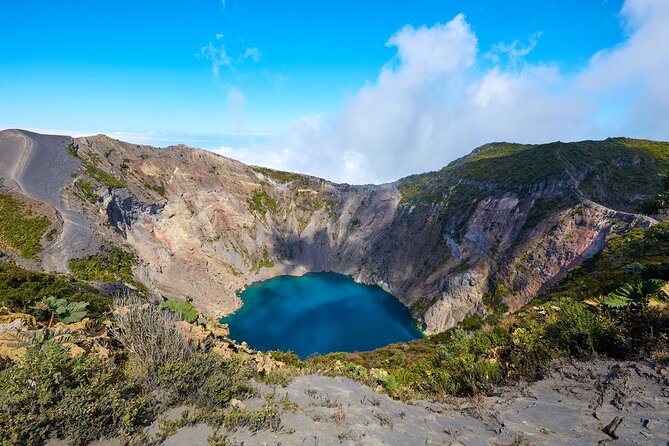
- Irazú craters plus Paramo tropical dwarf forest in a cool, high-elevation setting
- La Central town near Turrialba: a volcanic, slightly eerie feel paired with active farms and harvests
- Guayabo National Monument: prehispanic engineering in a protected rainforest area
- A biologist or certified guide with a science-friendly way of explaining volcanoes, plants, and birds
- Up to 10 people with hotel pickup/drop-off so the day runs smoothly without feeling cramped
- Entrance fees are included, but you pay by cash on the day (plan ahead)
San Jose to volcanoes: an early start that actually pays off
This is a long day by design. The tour typically runs about 10 to 12 hours, starting at 6:30am, with hotel pickup and drop-off included. You’ll be in an A/C vehicle for comfortable riding while the countryside shifts through climates as you gain elevation and head toward the Cartago region.
That early start matters because volcano days are weather days. Even when the sky is clear at the beginning, conditions can change fast in the highlands. Going out early gives you the best shot at seeing the crater features at Irazú before low clouds swallow the views.
Also, don’t expect a hike-heavy tour. This is mostly sightseeing with some walking at certain stops. So if you want big views, learning time, and a solid day without lots of strenuous trail work, the format tends to fit.
You can also read our reviews of more tours and experiences in San Jose.


Irazú Volcano National Park: three craters and the Paramo in between
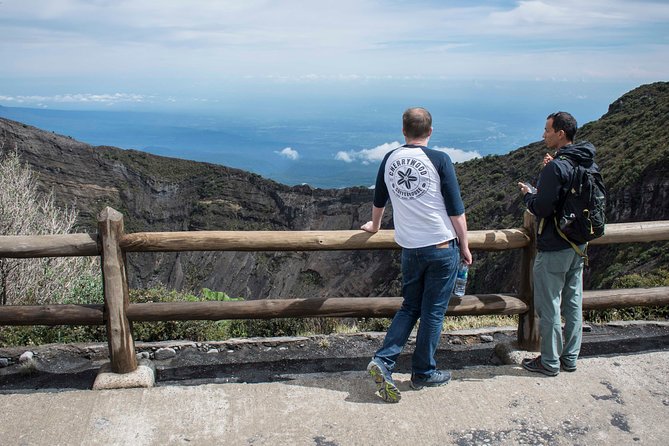
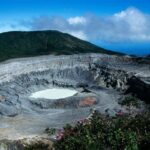
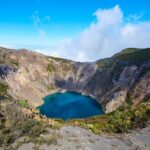
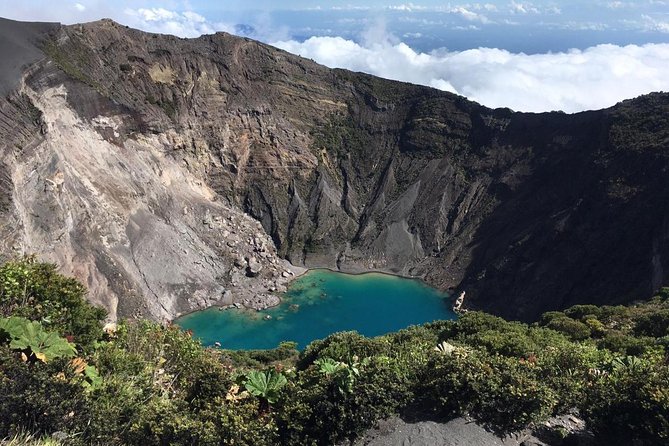
Irazú Volcano National Park is the anchor of the day. Here you’ll check out the national park area and have time to go right into one of the three inactive craters. That crater access is a big deal because it turns a “look from far away” stop into something more hands-on and atmospheric.
What you’re really seeing is more than rock. The higher elevations around Irazú include a Paramo ecosystem, described as a tropical dwarf forest. Translation: don’t just watch the mountain. Watch what grows around it. Plants look and behave differently up here, and the guide’s focus on living detail is one of the reasons this stop feels more educational than it would on a standard drive-by.
What to watch for at Irazú
- Visibility: if rain or fog moves in, crater views can turn disappointing fast. If you’re coming from San Jose’s warmer, flatter start, you may also feel the temperature drop after the climb.
- Photo timing: you’ll want to take pictures, then take a second look. Volcano slopes and highland lighting can make the same scene look totally different a few minutes later.
- What the guide points out: guides like Rigo are known for explaining how volcanoes work, plus local plants and animals you might otherwise miss.
A practical note about heat
One review highlighted that after volcano time it can get hot. Even in cooler highland zones, it’s smart to bring a way to adjust your comfort. If your clothes are heavy or long-sleeved for the morning, having something lighter (or a plan to change) helps.
Entrance fee is included, but you’ll need cash on the day of the tour to handle the entry process.
Turrialba Volcano area: La Central’s eerie town meets working farms
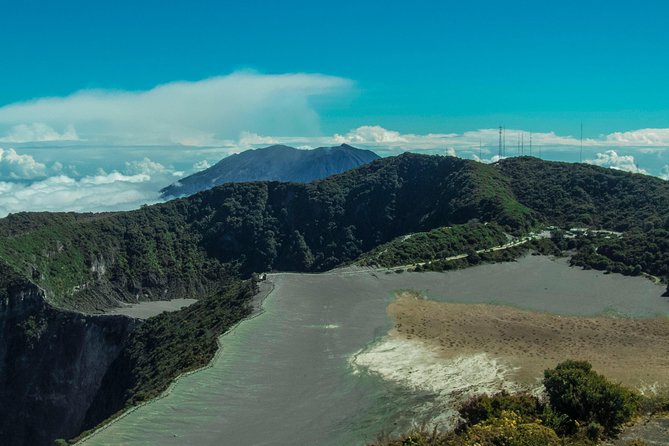
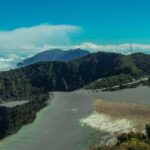
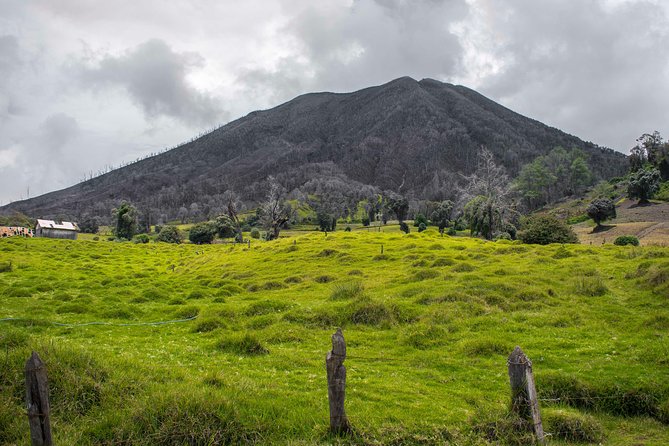
After Irazú, you’ll head toward the Turrialba Volcano area. The day focuses on the closest town to the volcano—La Central—where the view is shaped by recent volcanic activity. You’ll see a barren, volcanic feeling near town, which can look abandoned and a bit spooky from a distance.
But the story doesn’t end there. Step back and the area turns into working countryside. Surrounding farms create picturesque scenes, with locals harvesting vegetables like potatoes, carrots, and beets (and other crops). That mix is exactly why this stop lands well for people who like both “wow” and real daily life.

Why La Central works as a stop
It’s the kind of place where you learn how a volcano affects more than just scenery. The land can look wounded in one direction and productive in another. And when you pair that contrast with time for questions, the day feels more complete.
The main drawback to plan around
Turrialba views depend on weather too. If clouds or rain reduce visibility, parts of this area can feel less dramatic than you hoped. One reviewer described missing most of the Turrialba views due to rain, while still enjoying the overall tour. That’s a common pattern with volcano touring: the learning and route matter, but visibility is king.
This stop’s admission is listed as free, so you don’t need to budget for it.
Guayabo National Monument: prehispanic engineering inside rainforest protection
Next comes Guayabo National Monument, often the most fascinating cultural turn of the day. This prehispanic settlement is treated as Costa Rica’s most important archaeological landmark, and it’s recognized as a Civil engineering World Heritage site. That label is not just trivia. It clues you in that you’re not only looking at “old stones.” You’re seeing evidence of planning—layout, structure, and how people engineered space in their environment.
Guayabo sits in a protected area surrounded by lush rainforest. That setting matters because it changes how the site feels. Instead of a dry, distant monument, it’s more like stepping into a living context where nature and the ruins share the same space.
What you should hope to see
- The site itself: the goal is understanding what you’re looking at—settlement features and the way the community used the land.
- Wildlife moments: the tour description mentions a chance of spotting fauna, and guides often help you look for movement and bird activity that you might miss on your own.
Entrance fee is included, but you’ll pay by cash on the day again.
This is also where the “mix of natural, cultural, and culinary attractions” phrase becomes real, because you’re switching gears from volcano geology to how humans lived in that landscape.
The guide + science angle: why it feels more than scenic driving
A key inclusion is a biologist or certified guide. This isn’t just a “talk at you” situation. The science lens tends to make volcano and ecosystem stops click faster, especially if you like explanations about plants, animals, and geography.
You’ll also get a tone that fits the route: people like Rigo have a reputation for working hard to find good views and knowing how volcanoes operate. Another guide, José, has been praised for adding context across climates and for making the drive itself feel like part of the tour.
And because the group size is small (max 10 travelers), you’re more likely to have time for questions rather than just listening while cars roll forward. One of the best feelings on a day like this is realizing you can ask things without feeling rushed.
Comfort and timing: private transportation, but not a private tour bubble
Let’s be clear about the vibe. The tour includes private transportation and hotel pickup/drop-off, but it’s still a small-group tour with a maximum of 10 travelers.
What that means for you: you’ll ride comfortably in an A/C vehicle, and the day will feel efficient. But you’re still sharing guide attention and viewpoints with a small group, so if you want quiet, solo-level time, manage expectations.
The schedule is also built to reduce stress. The day includes multiple stops with set time blocks, and it’s not described as a sprint from one place to another. That matters when you’re dealing with early mornings and unpredictable weather.
Weather reality: how to dress and what to do if clouds win
This experience explicitly requires good weather, and rain can change everything. If clouds roll in at the crater, the view won’t be dramatic. If rain hits on the way to Turrialba, you may feel the volcanic valley is less visible than it would be on a clear day.
My practical weather plan for you
- Bring a light rain layer that folds small.
- Expect temperature swings between San Jose morning and higher elevations.
- Have footwear that works on damp ground, especially at outdoor viewpoints.
- If you’re prone to chills, bring a layer even if the start of the day is warm.
If the operator cancels due to poor weather, you’ll be offered a different date or a full refund. That’s one of the more reassuring things about booking a volcano day—at least you’re not stuck betting everything on one sky forecast.
What you pay ($183): value comes from access, not just scenery
At $183 per person, this isn’t the cheapest way to visit a volcano region. But you’re buying several things at once:
- Hotel pickup and drop-off (saves hassle and time)
- Air-conditioned transportation for a long day (real comfort)
- Entrance fees included for the national park and the archaeological site
- A guide with a science background (you learn more than you’d get from a self-drive)
- Small-group size (better pacing and more question time)
The big “hidden cost” to note: lunch is not included. The lunch price can range from $8–$14 per person. That’s not a deal-breaker, but it’s worth budgeting so you don’t feel surprised mid-day.
When I weigh the costs, this is a good value if you want guided access to craters and a structured day that combines volcano science with cultural stops. If you’re the type who loves solo driving and doesn’t care about guides, you may find cheaper options. But for most visitors, the price makes sense because it packages access, transport, and interpretation into one shot.
Who this tour suits best (and who might want a different style)
This day trip works especially well if you:
- Want a science-informed volcano and ecosystem day
- Like a mix of nature and culture, not just one big highlight
- Prefer comfort over long hikes
- Are traveling with limited time in Costa Rica and want a strong “best-of” arc from San Jose
It may feel less ideal if you:
- Dream of long, intense hiking trails (this is more sightseeing, with only some walking)
- Are extremely sensitive to early mornings (the 6:30am start is early)
- Are only happy when visibility is perfect. On rain/cloud days, the craters and volcanic valley can look muted.
Still, the design of the tour helps even when weather isn’t cooperating. You’ll keep moving through key stops, and the guide adaptation to weather and interests can make the day feel productive rather than wasted.
Quick practical tips before you go
- Bring cash for entrance fees that you pay on the day (national park and archaeological site).
- Plan lunch budget since it’s not included.
- Pack for rain and temperature changes, even if the morning starts clear.
- If you’re photo-focused, remember: ask questions, but also ask your guide for the right moment to stop and look. Volcano days reward patience.
Should you book the San Jose day trip to Irazú and Guayabo?
I think you should book this if you want a well-paced Costa Rica day that connects volcano geology, highland ecosystems, and rainforest archaeology without turning the trip into a stressful scramble.
It’s also a smart choice for people who don’t want to drive themselves through changing elevations and road conditions. The combination of A/C comfort, small-group size, and guide expertise (people like Rigo and José have a solid track record of making the day feel meaningful) is where the value lives.
Book it with eyes open about weather. If the sky is clear, you’ll likely feel like the day was built for you. If rain and fog show up, you may miss some visuals—but you’ll still get a structured, educational route through three of the area’s biggest attractions.
FAQ
FAQ
How long is the tour from San Jose?
The trip runs about 10 to 12 hours.
What time does the tour start?
It starts at 6:30am.
How many people are in the group?
It’s a small-group tour with a maximum of 10 travelers.
Is the tour private?
Transportation is described as private, but it’s still a small-group tour (up to 10 people).
Are entrance fees included?
Entrance fees for the national park and the archaeological site are included. However, you pay the entrance fees on the day of the tour by cash.
Is lunch included in the price?
Lunch is not included. Lunch price can range from about $8 to $14 per person.
How much walking is involved?
It’s mostly sightseeing, with the possibility of walking on several stops.
What if the weather is bad?
This experience requires good weather. If it’s canceled due to poor weather, you’ll be offered a different date or a full refund.
Who provides the guidance?
The tour includes a biologist or a certified guide.