REVIEW · SAN JOSE
Irazú Volcano National Park (Half Day)
Book on Viator →Operated by Summer Travel Costa Rica · Bookable on Viator
Morning clouds or big views, this one delivers. This half-day style outing pairs Irazú Volcano National Park with a stop at Cartago’s Basilica of the Angels, so you get both wild high-altitude scenery and a classic European-style church in one morning-to-early-afternoon push.
I like the smooth logistics: an air-conditioned vehicle with WiFi on board, plus snacks, and round-trip hotel transportation. I also like the teaching aspect—guides explain what you’re seeing, from the volcano’s history to the plants and animals around the park.
One thing to consider: weather control is limited. When the clouds and rain roll in, volcano visibility (and even the crater lake look) can be disappointing—though the drive and high viewpoint are still worth it.
In This Review
- Key takeaways
- Irazú Volcano + Cartago Basilica: What Makes This Combo Worth It
- Getting There: The Comfort of AC, WiFi, and a Morning Pickup
- Stop 1: Main Crater and the Walk to the Park’s Highest Point (3,432 m)
- The main drawback here: conditions can change fast
- What the Views Mean at Irazú (and What to Expect on Clear Days)
- Stop 2: Cartago’s Basilica of Our Lady of the Angels (Los Angeles)
- Pace and Timing: How a 6-Hour Day Still Feels Like a Half Day
- Price and Value: Is $99 Fair for What You Get?
- Weather, Clothing, and Photo Expectations at a High-Altitude Volcano
- Guides Make the Difference: When English and Spanish Explanations Click
- Who This Tour Fits Best (and Who Might Want Another Plan)
- Should You Book This Irazú Volcano and Cartago Basilica Tour?
- FAQ
- How long is this tour?
- What time does the tour start?
- What’s included in the $99 per person price?
- Is lunch included?
- How many people are in the group?
- Does the volcano always have clear views?
- Do I get airport transfer?
Key takeaways
- Early start from San José area to maximize your chances of clear crater views
- Private, air-conditioned transport with WiFi and snacks included
- Admission included for Irazú’s main crater + the high viewpoint, and Cartago’s Basilica stop
- Altitude matters: you’ll reach 3,432 meters, so it can feel cold fast
- Photo expectations: crater conditions vary, including whether you see water in the crater area
- Small groups (up to 15) make the day feel manageable
Irazú Volcano + Cartago Basilica: What Makes This Combo Worth It
This is one of those Costa Rica days that feels like two trips taped together, without feeling rushed in the wrong way. You start high above the Central Valley at Irazú—an active volcano with dramatic crater scenery—then pivot to Cartago for a church that’s architecturally striking, with European influences and a Gothic design.
The value here is not just that you visit two famous stops. It’s that the timing works. The volcano portion is built around arriving early, when weather is more likely to cooperate, and the church stop is short enough that you still keep your afternoon open.
The biggest “real life” truth: you can’t force clear skies. But a good guide plus a smart route means you’ll still get the best version of the day that day can offer.
You can also read our reviews of more tours and experiences in San Jose.


Getting There: The Comfort of AC, WiFi, and a Morning Pickup
Your day starts early (the start time is 6:30 am), with a morning departure planned around 7:00 am. That matters because Irazú sits in a high-elevation zone where clouds can change quickly. Leaving early is how you give the crater and viewpoints a fighting chance.
You’re picked up from your hotel area with round-trip transportation included, riding in an air-conditioned vehicle. There’s WiFi on board and snacks are part of the package, which is handy when you’re up before breakfast and heading into cooler air.
In practice, this kind of drive also helps if you’re not comfortable navigating mountain roads on your own. The day still includes walking at the volcano, but the transportation side is handled for you.
Stop 1: Main Crater and the Walk to the Park’s Highest Point (3,432 m)
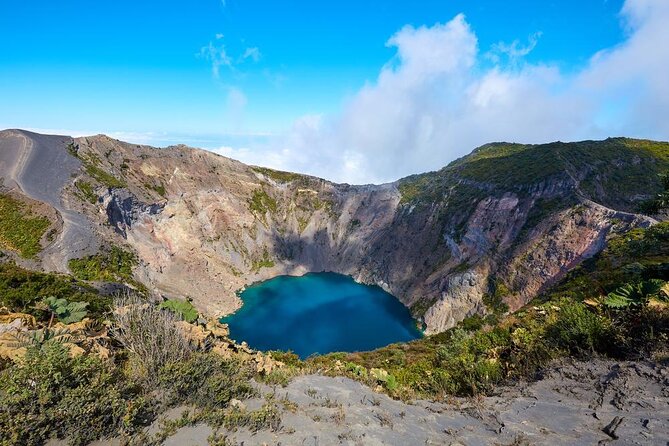
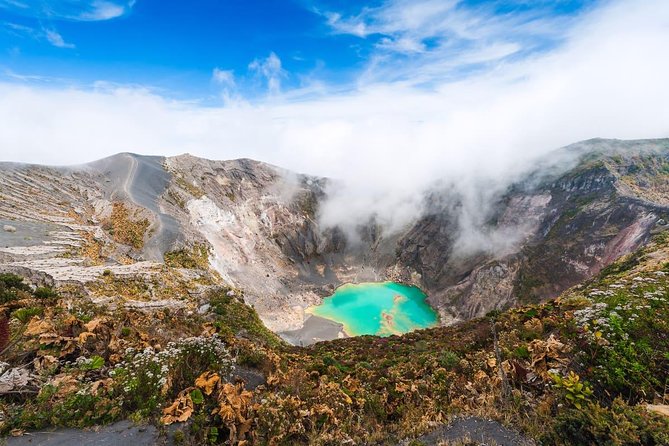
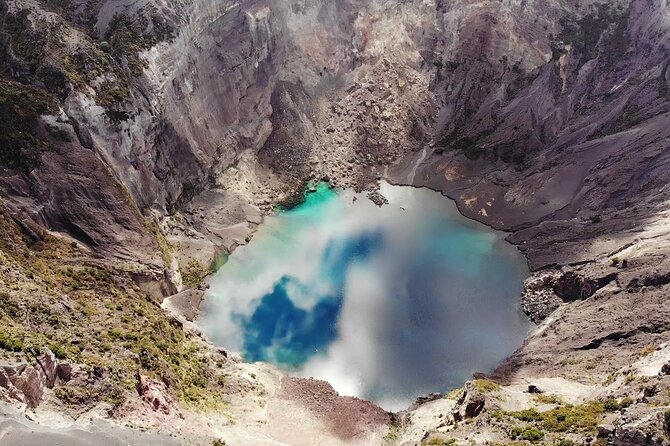
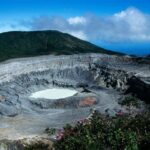
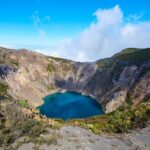
At Irazú Volcano National Park, you’ll first tour the main crater area. This is where your guide points out what you’re looking at—including the main lagoon in the crater zone—and explains the volcano’s history. Even if you’ve seen volcano photos before, standing at the edge in person hits differently because the scale becomes obvious.
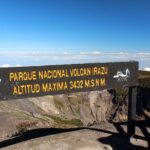
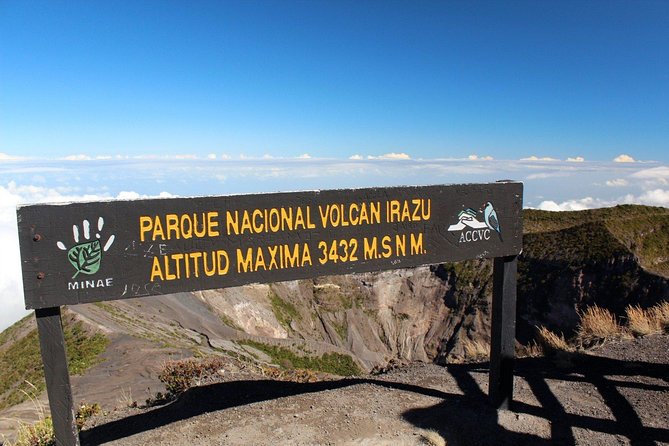
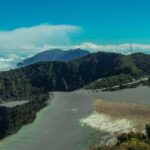
After the crater walk, you head toward the highest point in the park, 3,432 meters above sea level. On a clear day, this is the part that can feel almost unreal: you can see an enormous stretch of the Central Valley and the volcanic mountain range.
You’ll spend about 3 hours on this volcano portion, with an admission ticket included. That’s enough time to do the crater area and still make it up to the high viewpoint without feeling like you’re sprinting.
The main drawback here: conditions can change fast
Rain and clouds aren’t rare at Irazú. When visibility drops, you might only get brief breaks where the crater or distant views appear. The good news: even in worse weather, the drive up and the high-altitude sense of place are still a strong experience.
What the Views Mean at Irazú (and What to Expect on Clear Days)
On paper, Irazú sounds like a viewpoint stop. In reality, it’s more like a location lesson. When the weather is cooperative, the high point gives you a big geography lesson over the Central Valley and the volcanic range.
The tour information describes the possibility of seeing up to four volcanoes in the central volcanic mountain range, and on very clear conditions, even Lake Nicaragua about 200 kilometers away in a straight line. You don’t need to memorize distances. You just need to understand the payoff: the viewpoint can turn into a map you can physically look at.
Also, remember this: active volcano scenery is not a museum diorama. One day the crater area can look one way, and another day it can look different. A few people noted that the crater lake wasn’t full of water at the time of their visit, which can affect how “classic” the photos look.
My practical take: aim to photograph the overall crater shape and surrounding rock, not just the idea of a water-filled lagoon. Your best shots usually come from the moment the clouds briefly lift.

Stop 2: Cartago’s Basilica of Our Lady of the Angels (Los Angeles)
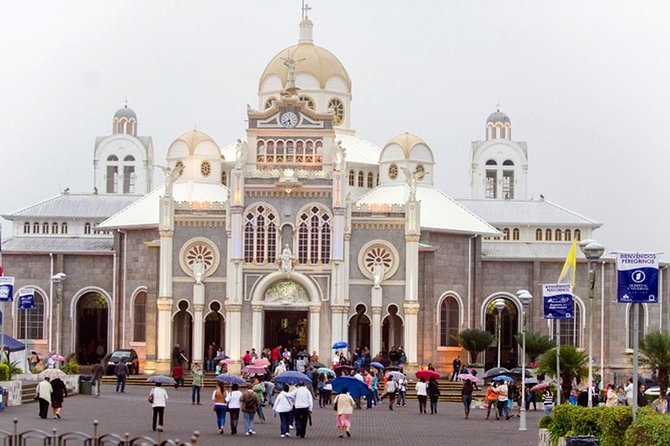
After the volcano, you head to Santuario Nacional Nuestra Senora de Los Angeles, better known as the Basilica of the Angels in Cartago. This stop gives your day a totally different rhythm: from cold, high, and volcanic to cultural and spiritual.
You’ll be able to see the pilgrimage area, the church museum, and the holy water fountain. You can drink the holy water, and you’ll also have time to see the discovery stone and the church interior.
What makes this stop work for visitors is the architecture. The tour emphasizes European architecture with a Gothic design, and many people find the interior impressive without needing a deep background in Catholic history.
One “heads up” based on real-world timing: sometimes a service is underway, which can limit how freely you can explore certain spaces or how long you can linger. If that happens, the museum and exterior viewing areas usually still keep the stop worthwhile.
Pace and Timing: How a 6-Hour Day Still Feels Like a Half Day
Even though this is labeled half day, the total time is about 6 hours. That’s actually a good thing to know up front. You’re not doing a quick drive-by; you’re doing a crater walk, a high viewpoint push, and then a church visit.
The itinerary is structured to keep each stop productive:
- Volcano time: about 3 hours at Irazú, with admission included
- Basilica time: about 1 hour at the church, with admission included
If you’re hoping to return with energy for dinner plans, this timing can work well because the day is morning-based and ends while you still have daylight for other activities.
Traffic can add friction. At least one person mentioned quite a bit of traffic during their day. You can’t control that, so I’d plan your next activity with buffer time rather than scheduling something right on the minute the tour ends.
Price and Value: Is $99 Fair for What You Get?
At $99 per person, the pricing makes more sense when you look at what’s included. You’re paying for:
- hotel pickup and round-trip transportation
- an air-conditioned vehicle with WiFi
- snacks
- admission tickets for both the volcano portion and the Basilica stop
Lunch isn’t part of the package. Some people were surprised by that and tried to treat food like it should be covered, which leads to frustration. My advice is simple: budget for lunch separately and eat before you’re hangry. Snacks help, but they don’t replace a meal.
Also, group size matters. This tour caps at a maximum of 15 people, and a few experiences have felt almost private when the group was very small. That tends to improve the guide’s ability to manage pacing and questions.
So is it “worth it”? If you want volcano scenery without dealing with mountain driving logistics, and you want a church stop that’s more than a photo opportunity, the package can be a good deal.
Weather, Clothing, and Photo Expectations at a High-Altitude Volcano

Irazú can swing from clear to cloudy to rainy fast. People have described cold conditions and limited crater visibility even when weather seemed decent earlier. The key is to dress for that range.
Bring layers. Even if San José feels warm, you’ll be at high altitude, and temperature can drop quickly. A light rain layer can also save the day if drizzle starts while you’re at the crater.
For photos, set your mindset to “capture the moment, not the perfect postcard.” One person specifically noted the crater lake had no water during their visit, making pictures less like what they expected. That’s not a staff problem; it’s nature. Your best approach is to shoot the crater depth, rock textures, and any brief view breaks when clouds lift.
Guides Make the Difference: When English and Spanish Explanations Click
The strongest praise on this experience is consistent: the guides talk in a way that turns seeing into understanding. People mention guides sharing history, plants, and animals, and answering questions in both English and Spanish.
You can also watch for guide energy. One person praised Donald as excellent and very informative, while another highlighted Raquel’s ability to manage the day and explain details clearly. Hayro also came up as a guide who mixed vivid stories with practical tips that helped for the rest of the trip.
Here’s why that matters: at a volcano, you’re standing in a place where the “why” is easy to miss if you only look at the view. A good guide helps you notice details you’d otherwise walk right past.
If you prefer quieter tours, you might still be fine—guides manage group flow—but I’d expect conversation and explanation as part of the package.
Who This Tour Fits Best (and Who Might Want Another Plan)
This works best if you:
- want a guided volcano day without driving yourself
- like learning while you walk (not just standing for photos)
- want a morning plan that leaves your afternoon open
- appreciate a stop that mixes nature with culture and architecture
It might be less ideal if:
- you’re only chasing a single iconic crater photo and can’t handle weather uncertainty
- you hate cold or rain in general and don’t want to layer up
- you expect lunch to be included (it isn’t)
For families and most people who can handle a walk on uneven terrain, it’s generally accessible because the day is designed around short segments: crater tour, then a viewpoint, then a church visit.
If you’re sensitive to altitude, consider asking your doctor ahead of time. The tour does reach 3,432 meters, and even brief high-altitude exposure can feel noticeable.
Should You Book This Irazú Volcano and Cartago Basilica Tour?
I’d book it if you’re staying in the San José area and want a guided route that packages real sights without you worrying about timing or transportation. The combination of Irazú’s crater scenery plus the Basilica of the Angels is a smart use of a half-day window.
I’d think twice if your whole trip depends on perfect crater visibility. The weather can be moody, and crater conditions (including whether you see water) can vary. Still, even in less-than-ideal conditions, the drive up and the high viewpoint portion tend to deliver value, especially when the guide is on point.
If you do book, plan for layers, budget for lunch separately, and keep your expectations flexible. When the clouds lift, you’ll be glad you went early.
FAQ
How long is this tour?
It’s about 6 hours in total.
What time does the tour start?
The meeting start time is 6:30 am, and the plan is to depart San José around 7:00 am.
What’s included in the $99 per person price?
You get round-trip hotel transportation, an air-conditioned vehicle, WiFi on board, snacks, and admission tickets for the volcano stop and the Basilica stop.
Is lunch included?
Lunch is not included in the tour.
How many people are in the group?
The group maximum is 15 travelers.
Does the volcano always have clear views?
No. The experience depends on weather, and visibility can be limited when it’s rainy or cloudy. The tour is described as requiring good weather.
Do I get airport transfer?
An optional return airport transfer is available. If you want an airport transfer, request it through the company rather than assuming it can be handled by the driver.