REVIEW · CUSCO
3-Day Eco-Sustainable Private Tour Manu National Park
Book on Viator →Operated by Manu Tour Operator Expediciones Vilca · Bookable on Viator
Waking up at dawn in the Andes gets you to the rainforest fast. This 3-day Manu National Park private tour mixes cloud forest birds and monkeys with boat rides on the upper Madre de Dios and night walks for nocturnal wildlife. It’s a short trip, but it’s built for maximum time outside and minimum wasted motion.
I especially like the wildlife-focused pacing: early bird time, long enough jungle walks, then the night circuit when animals you never see at midday show up. I also like the eco-minded touches that aren’t just slogans, like solar charging for your devices and the steady emphasis on supporting local people.
The one drawback to flag is the effort level: you’ll be walking on rainforest trails for a few hours across the trip, and you should have moderate fitness to enjoy it comfortably.
In This Review
- Key highlights worth getting excited about
- A short Manu trip that still feels like you left the world
- Cusco to Kosñipata Valley: the early start that pays off
- Cloud forest Day 1: birds, monkeys, and the right kind of walking
- Day 2 Atalaya basecamp energy: bus ride, boat, baths, and rafts
- Night walks in Manu: how to make this part actually work
- Day 3 parrot clay lick: the payoff moment before heading back
- Eco-sustainable details that feel practical, not performative
- Guides that spot animals: telescope, binoculars, and calm leadership
- Comfort on the ground: hostels with private bathrooms and jungle fuel
- What you pay for: is $389 a good value?
- Who should book this Manu private tour
- FAQ
- Where does the tour start in Cusco?
- What’s the typical duration of the tour?
- Is this a private tour?
- What activities are included besides wildlife watching?
- Are entrance tickets included?
- What’s included for meals and water?
- Is lodging included, and what’s it like?
- What’s the physical fitness level needed?
- What’s the cancellation policy?
- Should you book this Manu eco-sustainable private tour?
Key highlights worth getting excited about
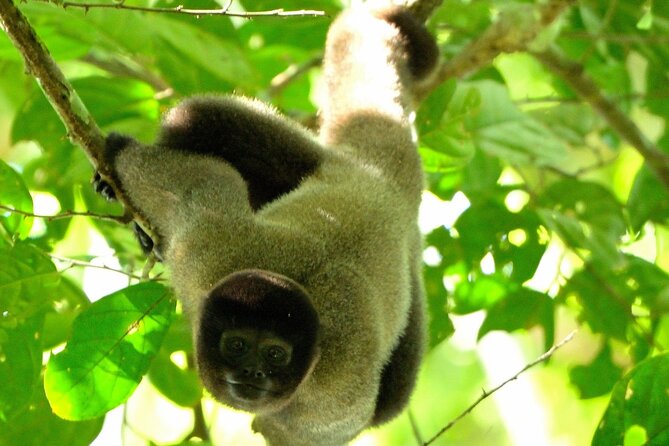
- Upper Madre de Dios boat time with chances to spot capybara and monkeys along the way
- Day 2 thermal baths + raft rides in the Machuwasi lagoon for a change of pace
- Free night walk aimed at armadillo, snakes, toads, and nocturnal monkeys
- Parrot clay lick on Day 3 for that concentrated, crowd-satisfying wildlife moment
- Telescope-and-binocular guide setup so sightings aren’t guesswork
- Solar-powered battery recharging for photos and sanity in the jungle
A short Manu trip that still feels like you left the world
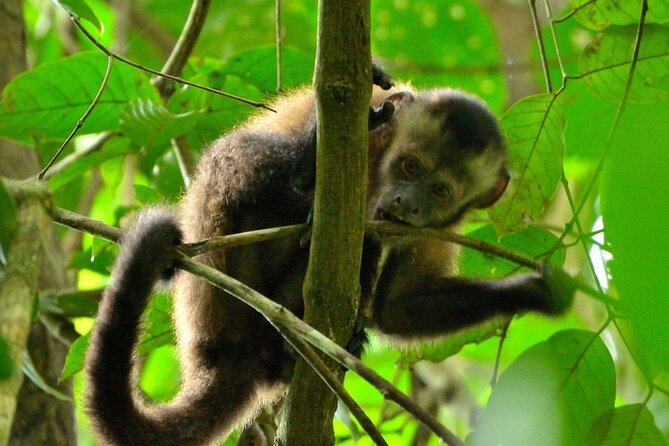
Manu is big, and 3 days is a compromise. The smart play here is using those 3 days for the kinds of nature encounters that actually reward time: birds, primates, rivers, and nighttime activity. You’re not trying to “see everything.” You’re trying to see a lot of the right things.
What makes this itinerary work is the rhythm. You start in the cloud forest where species are active in daylight, then you move toward the river and lower jungle for boats, lagoons, and thermal breaks. Finally, you end with a classic sighting target: the parrot clay lick.
If you’re coming from Cusco and want a private experience without turning the whole trip into a long bus marathon, this is a practical way to do it.
You can also read our reviews of more tours and experiences in Cusco.
Cusco to Kosñipata Valley: the early start that pays off
Your day begins with pickup in Cusco from Plaza de Armas (or the hotel/airport/bus station area, depending on where you meet). The departure window is 5:30 to 6:00 AM, and that early start matters because it gets you to higher-elevation nature while the day is still fresh.
On the way, you’ll stop for cultural sights tied to local history, including the funerary tombs of Ninamarca and time connected to Paucartambo. This is not a museum-style stop; it’s more about getting oriented to the region before you shift into rainforest mode.
At around 4 hours from Cusco, you reach the Manu National Park area (Acjanaco). That timing is why the tour feels active instead of sleepy.
Cloud forest Day 1: birds, monkeys, and the right kind of walking
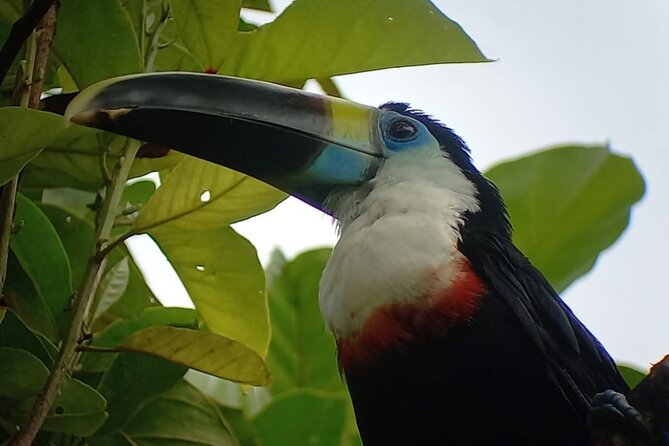
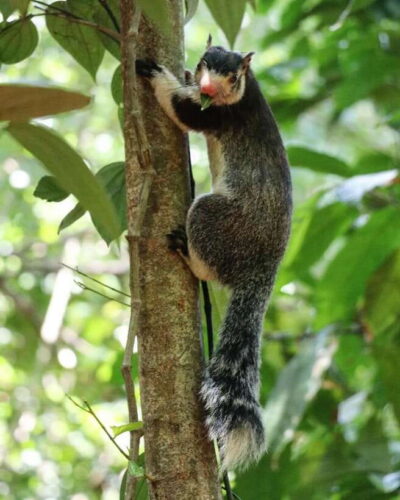
Day 1 is where the tour hits its most “wow, this is different” phase. In the cloud forest, you’re hunting daytime activity: cock of the rocks sightings, quetzales, and lots of bird life. The schedule also includes watching for two species of monkeys, plus general biodiversity that you’d miss if you only did quick lookouts.
You’ll explore trails for about 2 hours on this day. That’s a good length for rainforest walking: long enough to settle into the pace and spot movement, not so long that you arrive at the end exhausted and cranky. If you’re the type who likes to pause often, this itinerary supports that.
A practical perk: the tour includes rubber hiking boots. That’s not a small detail in Manu. Mud and wet trails are real, and having the right footwear helps you focus on wildlife instead of dealing with blisters.
Day 2 Atalaya basecamp energy: bus ride, boat, baths, and rafts
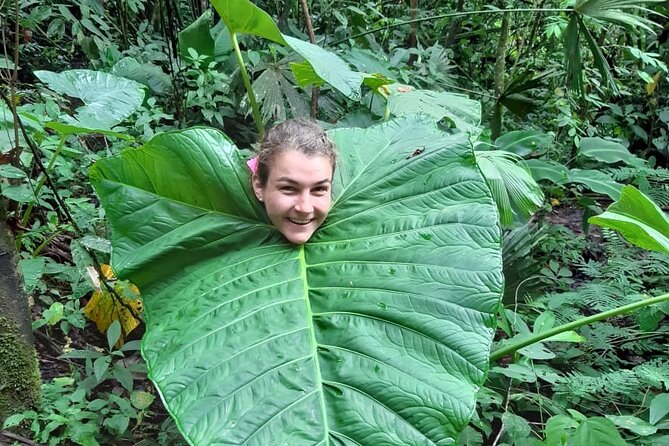
Day 2 starts with 45 minutes of bus transport to the town of Atalaya. Even before the water time, the route is part of the experience, with stops and views for birds and plants, plus glimpses of everyday agriculture like coca plantations, bananas, and medicinal plants. You get context for how people live in the same region as the protected jungle.
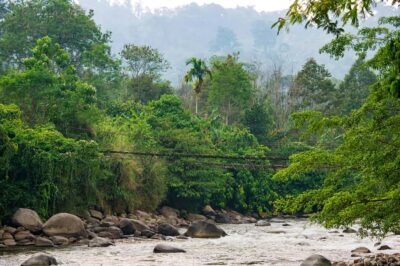
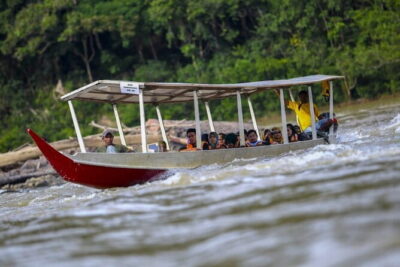
Then comes the highlight sequence. You’ll do a boat ride on the upper Madre de Dios, and you’ll also get a relaxation break at thermal baths. This matters because the rainforest can feel relentless. A planned reset keeps the energy up for the next part of the day.
After that, there’s a 2-hour walk in the tare trail area. This is where the tour’s wildlife focus starts to feel like a real rhythm, not a series of quick checkpoints.
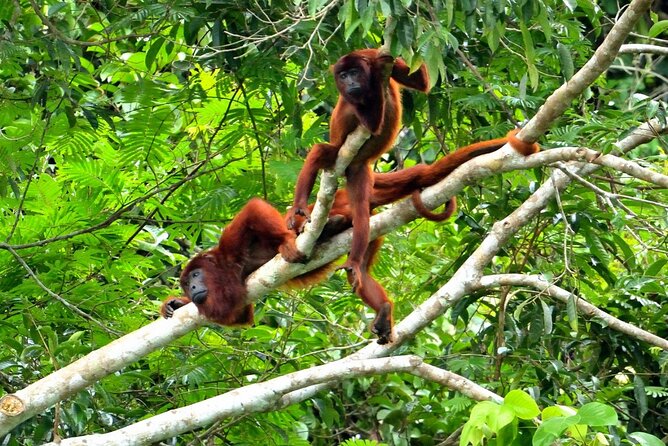
The day closes with wooden raft rides in the Machuwasi lagoon. It’s a different style of travel than walking, so your eyes can switch from “forest scanning” to “river scanning.” And that’s where animals like capybara and monkeys can show up.
Finally, you get a free night walk. That’s not extra entertainment time. It’s the tour shifting into nocturnal mode, where your best chance at seeing certain animals is after dark.
Night walks in Manu: how to make this part actually work
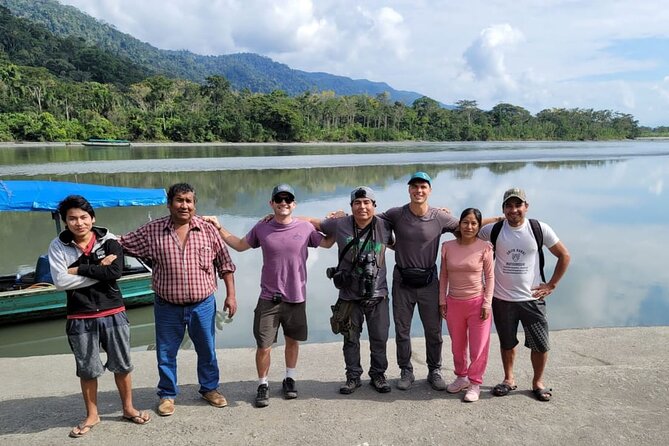
Night walks can be hit-or-miss on tours that treat them as optional add-ons. Here, the night walk is baked into the itinerary and paired with a guide equipped for finding wildlife using tools like telescope and binoculars.
On the nocturnal route, the goal is specific: you may see armadillos, snakes, toads, nocturnal monkeys, and more. You won’t control what’s out, but you can control how you handle darkness. Go slow, keep your eyes adjusted, and don’t rush the guide’s pauses.
If you’re used to daytime wildlife viewing, adjust your expectations. At night, the action is subtle. Sometimes you’ll spot movement first, then confirm with a sound or a silhouette.
Also, night in the rainforest can mean cooler air and damp conditions. Bring layers you don’t mind getting dirty.
Day 3 parrot clay lick: the payoff moment before heading back
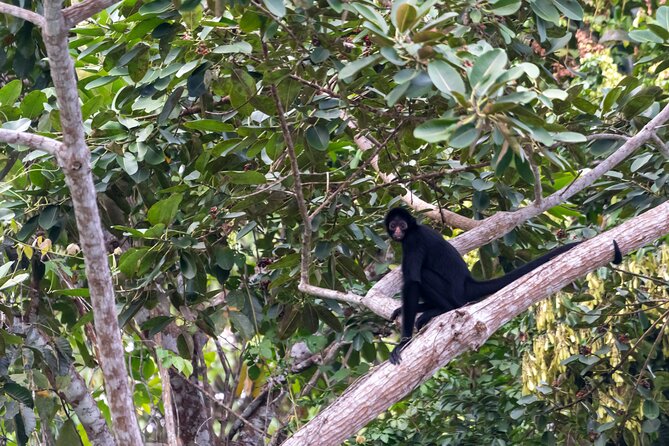
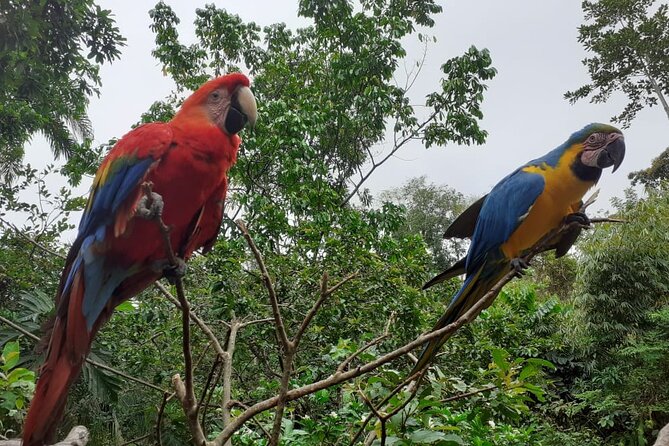
Day 3 is shorter, and it’s built around a concentrated wildlife event. The schedule includes a visit to the parrot clay lick, which is the kind of place where you can watch animals repeatedly use the same spot. That repetition is what makes sightings more likely in a short tour.
After the clay lick, you return by boat to Atalaya. Boat travel isn’t just transportation here; it keeps you moving through the river ecosystem instead of switching into constant roads. Then you take the bus back toward Cusco, arriving around 5:00 to 6:00 PM.
That late-afternoon arrival is useful if you want the trip to land back in Cusco before your next commitment. It also helps with logistics because you’re not dragging the tour well into the next day.
Eco-sustainable details that feel practical, not performative
This operator frames the tour as social and environmental responsibility, and the itinerary includes small details that support that idea.
First, there’s solar panel recharging for your devices. In a place where outlets can be limited, solar charging is genuinely helpful. It also signals a “plan for the environment” mindset rather than relying on convenience at all costs.
Second, the tour emphasizes supporting the native population in the area. That shows up as a focus on local guides and staff roles across the trip, rather than turning the jungle visit into a fully outsourced experience.
Third, you’re spending time in protected habitats with guides who can help you observe without bulldozing your way forward. In birdwatching and night walks, good behavior isn’t optional. You’ll feel that your team is trying to keep the forest disturbance low.
One note: eco-sustainable doesn’t mean zero impact. It means you’re part of a system that tries to reduce waste and keep operations responsible. Your part is simple: follow guide instructions, and keep your habits quiet.
Guides that spot animals: telescope, binoculars, and calm leadership
The most consistent praise in past groups is about the guide’s ability to find wildlife and keep the trip running smoothly. Names that come up include José (praised as a biologist with many years in the jungle), along with guides such as Miguel, Alex, Edson, and Michel. There are also strong mentions of Nicholas and Marco.
What you should take from this is not the name; it’s the job. A wildlife guide on a short Manu tour has to do three things fast: read the forest, position you for viewing time, and keep the group safe and comfortable. If the guide is calm and organized, your experience gets better even when weather isn’t perfect.
You’ll also have a cook and driving support credited across trips (including people like Katia, Ivan, and Bequer). That teamwork matters in the rainforest because small timing issues can become big ones.
If you want better wildlife odds, come with patience and a good attitude. Bring binoculars if you have them, but if you don’t, the tour’s guide kit helps close that gap.
Comfort on the ground: hostels with private bathrooms and jungle fuel
Lodging is in comfortable hostels with private bathrooms. That’s a meaningful comfort upgrade compared to some rougher jungle setups, especially on a tour with multiple walking days.
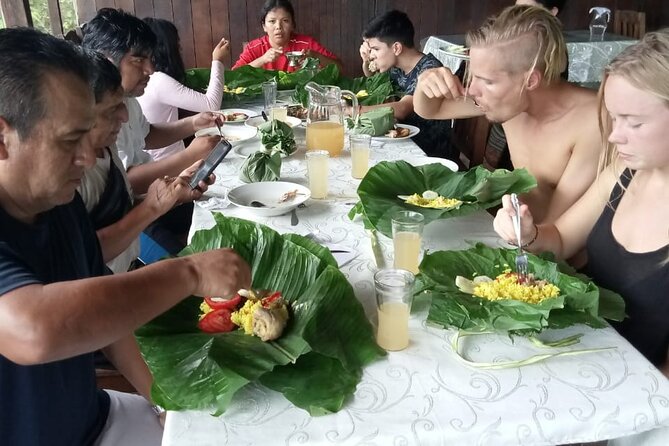
Meals are included: breakfast (2), lunch (3), and dinner (2), plus mineral water always during the trip. The tour notes that breakfast on the first day isn’t included, and water the first day isn’t included, so plan for that morning cost before you depart.
Food isn’t just calories. It’s your recovery. Many people appreciate that tours like this deliver meals that keep you steady for walking and night activity.
Also, the kit includes a first aid kit and mineral water always, which helps you relax and focus on the experience.
What you pay for: is $389 a good value?
At $389 per person, you’re paying for a lot that would cost extra if you booked pieces separately: private transportation, a specialized guide with binoculars and telescope, lodging with private bathrooms, a professional cook, meals, and wildlife-focused activities like boats, thermal baths, and raft rides.
You’re also paying for time. Manu from Cusco usually means early departures and long travel days. This itinerary bundles that travel into a 3-day plan so you’re not adding extra hotel nights just to reposition.
The main trade-off is that it’s still a short window. You won’t get the deep-stay experience of longer Manu trips. But for a first time to the region—or for travelers with limited days—this offers a strong “highest odds of memorable moments” mix.
In other words: it’s value through structure, not through luxury.
Who should book this Manu private tour
This tour fits best if you:
- Want a private experience with guided wildlife time in both day and night settings
- Are excited by birds (including cock of the rocks and quetzales) and the river ecosystem
- Can handle rainforest walking for a couple hours at a time
- Want a practical eco-minded tour approach, including solar charging and responsible operations
You might reconsider if you:
- Prefer easy strolls with minimal walking
- Need fully cushy, hotel-style comfort for every night
- Are very sensitive to damp weather and want a drier, more predictable pace
FAQ
Where does the tour start in Cusco?
The tour uses Plaza de Armas de Cusco (Del Medio 123) as the starting point. Pickup is offered, and you may also meet from a hotel/airport/bus station depending on your arrangement.
What’s the typical duration of the tour?
It’s listed as 3 days (approx.).
Is this a private tour?
Yes. It’s described as a private tour/activity, so only your group participates.
What activities are included besides wildlife watching?
You’ll have a boat ride on the upper Madre de Dios, thermal baths, walking on jungle trails, wooden raft rides in the Machuwasi lagoon, and a parrot clay lick visit. There’s also a night walk.
Are entrance tickets included?
The package includes entrance ticket to tourist attractions. The day-by-day details also show ticket admission listed as included for Day 1, and marked as free for Day 2 and Day 3.
What’s included for meals and water?
You get breakfast (2), lunch (3), and dinner (2). The tour lists mineral water always, but it also notes that water on the first day is not included.
Is lodging included, and what’s it like?
Yes. You stay in comfortable hostels with private bathrooms.
What’s the physical fitness level needed?
The info says travelers should have a moderate physical fitness level.
What’s the cancellation policy?
You can cancel up to 24 hours in advance for a full refund. If you cancel less than 24 hours before the start time, the amount paid is not refunded.
Should you book this Manu eco-sustainable private tour?
If you want Manu in 3 days without turning it into a stressful sprint, I’d book it. The mix of daytime cloud-forest wildlife, river travel, thermal baths and raft rides, and then a real night walk gives you more chances at animals than a tour that only does one style of viewing.
Just be honest about the walking and the jungle conditions. If you’re ready for mud, humidity, and patience, you’ll get your money’s worth. And if you’re hoping for that focused, memorable moment at the parrot clay lick, this is built around it.