REVIEW · EVERGLADES NATIONAL PARK
Everglades National Park 3-Hour Kayak Eco Tour
Book on GetYourGuide →Operated by Everglades Area Tours · Bookable on GetYourGuide
Kayaking in the Everglades feels like reading a living postcard. This Everglades National Park 3-hour kayak eco tour sends you out from the Chokoloskee area into the 10,000 Islands, where shorebirds, wading birds, and bigger marine life share the water with you. You’re guided by Florida Master Naturalists, and the route shifts day to day so the experience stays real, not scripted.
I especially like the chance to learn while you paddle. You’re not just hoping for wildlife—you’re out with guides who know the habitat and can point out what matters. I also love the small-group feel, which makes it easier to ask questions and keep your bearings when the tidal currents start doing their thing. The one drawback to consider: depending on conditions and the day’s logistics, you might not get a single kayak, and low water can limit where you’re able to go.
In This Review
- Key things I’d watch for on this Everglades kayak tour
- Why Paddle the 10,000 Islands from Chokoloskee?
- Meeting at Parkway Motel & Marina: quick start, real-world timing
- The 3-hour route: how the day’s wildlife shapes the plan
- Rookery and nesting zones for wading birds
- Feeding manatees or dolphins
- Tidal paddling up a river for endangered birds and fish
- Short cultural stop: the Calusa shell mound
- Bird rookeries, spoonbills, and sawfish: the wildlife value of a guided kayak
- Why wading birds are such a big deal here
- Roseate spoonbills: the kind of sighting that changes your whole day
- Sawfish: what to expect from a realistic encounter
- Manatees and dolphins: respectful viewing in a shared habitat
- The Calusa shell mound walk: small stretch, big time scale
- What you bring (and why): the wet-shoe rule is real
- Group size, pacing, and what weather can change
- Who should book this Everglades kayak eco tour?
- Price and value: $164 for 3 hours in the Everglades
- Should you book it?
- FAQ
- FAQ
- How long is the Everglades National Park 3-hour kayak eco tour?
- Where does the tour launch from?
- What time does the tour start?
- What wildlife can I look for on this tour?
- What’s included in the price?
- What should I bring with me?
- What language is the instruction in?
- Is the kayaking done in single or double kayaks?
- What happens if weather affects the tour?
- What’s the cancellation policy?
Key things I’d watch for on this Everglades kayak tour
- Florida Master Naturalist guidance that turns wildlife sightings into real learning
- Small-group pacing that feels calmer than big tours
- Routes that change daily based on season and conditions, not a fixed checklist
- Wildlife variety from wading birds and rookery colonies to manatees, dolphins, and sea turtles
- Tidal-logic paddling where currents help shape your route and the views you get
- A Calusa shell mound walk that adds depth beyond just birding
Why Paddle the 10,000 Islands from Chokoloskee?
If you picture the Everglades as one huge flat swamp, this tour gives you a better picture. You’re working in the 10,000 Islands region—lots of channels, mangroves, and water edges where birds feed and animals move with the tides.
The smart move here is the launch area. You head out from Chokoloskee Island, which is the closest access to Everglades National Park. That matters because it saves you time and puts you right on the water where the action is, instead of spending the day commuting before you even start paddling.
And yes, this is a UNESCO World Heritage Site ecosystem. The guides treat it like what it is: a complex system that changes with weather, seasons, and water levels. That’s why your route varies daily and seasonally.
You can also read our reviews of more tours and experiences in Everglades National Park.
Meeting at Parkway Motel & Marina: quick start, real-world timing
Your tour meets at Parkway Motel & Marina, and you’ll meet the captain at the boat dock. That kind of straightforward, dock-based setup is a good sign: it usually means you spend more time on the water and less time stuck in a long staging process.
The activity is about 3 hours, with departure daily based on availability. I like tours that don’t feel like a half-day ordeal. You get a meaningful chunk of time to paddle, stop, learn, and soak in the wildlife environment—without burning your whole day.
Also, the instruction is in English, so you can follow habitat explanations without mental translation. When you’re listening for bird calls or learning what you’re looking at, clarity matters.
The 3-hour route: how the day’s wildlife shapes the plan
This tour is built around flexibility. Your guides choose the route based on what’s happening in the habitat that day. That’s not a vague promise—it’s the whole point, because Florida wildlife doesn’t follow a schedule.
Here are some of the possible moments you’ll plan around:
Rookery and nesting zones for wading birds
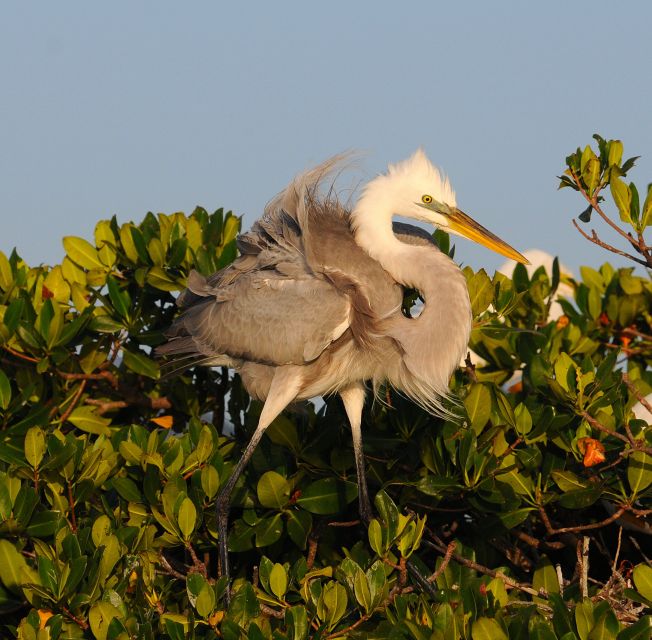
One route option can take you to a rookery, where hundreds of wading birds nest in a colony. From a kayak, you’re viewing the area from a natural angle—close enough to notice activity, far enough to respect space.
This is also where your guide’s skills show. They can help you recognize behavior, not just species names. Birds make decisions fast—where they feed, when they shift, and how colonies react to movement.
Feeding manatees or dolphins
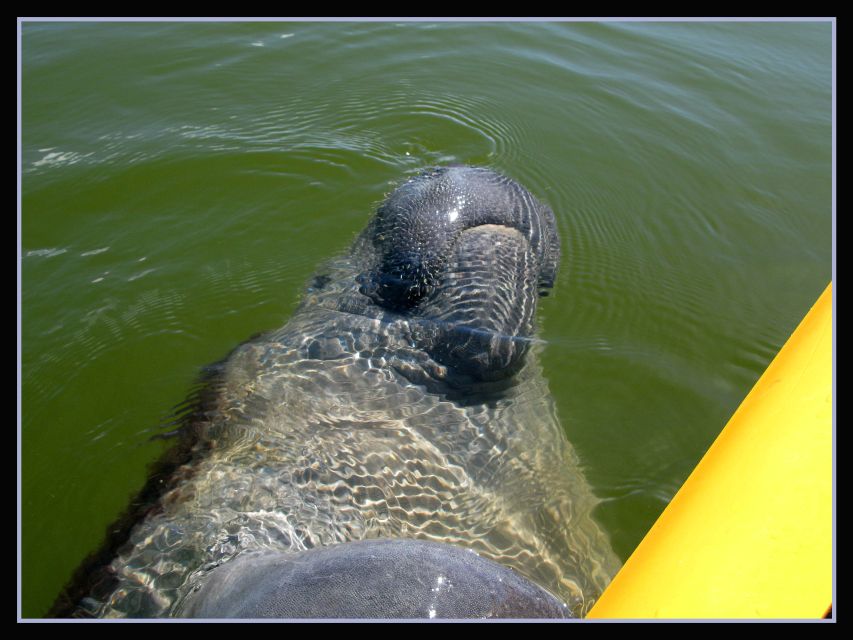
Another route option is paddling near manatees or dolphins. The tour description focuses on being in the habitat, and that’s the right mindset. You’re there for a chance to observe wildlife naturally, not to force a guarantee.
If you’re hoping for a once-in-a-lifetime animal encounter, I’d keep your expectations grounded and your eyes open. In the Everglades, sightings depend on movement and timing—especially with tides, wind, and water conditions.
Tidal paddling up a river for endangered birds and fish
You may also paddle with tidal currents up a river. This matters because currents affect visibility, comfort, and where animals choose to hang out.
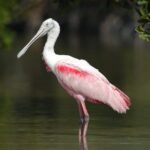
On the description side, the goal can include views of endangered roseate spoonbills and even small toothed sawfish. Even if you don’t see everything in one trip, you’ll still come away with a stronger understanding of why certain animals use this area.
Short cultural stop: the Calusa shell mound
Some days include a walk on a Calusa Indian shell mound, described as being thousands of years old. It’s not long, but it adds a different kind of context to the trip—human history layered on top of wildlife habitat.
You get to experience the landscape as both natural system and cultural site. That’s often what makes an eco-tour feel more meaningful than a typical wildlife outing.
Bird rookeries, spoonbills, and sawfish: the wildlife value of a guided kayak
The Everglades can be huge. On land, that can turn into lots of “we drove, we looked, we hoped.” On a kayak, you’re slower, lower, and in the right places—meaning your chances for real viewing improve.
Why wading birds are such a big deal here
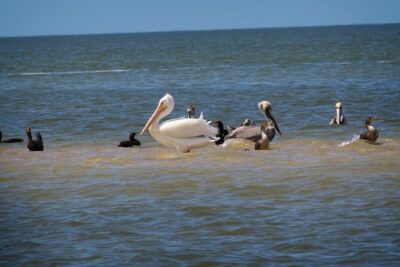
If you get the rookery option, you’ll see how bird life organizes itself into colonies. That’s where you can notice more than species. You’ll often see the rhythm: feeding, repositioning, and shifts in activity level.
And when you learn what you’re looking at, the tour becomes more than sightseeing. It becomes a way to read the ecosystem.
Roseate spoonbills: the kind of sighting that changes your whole day
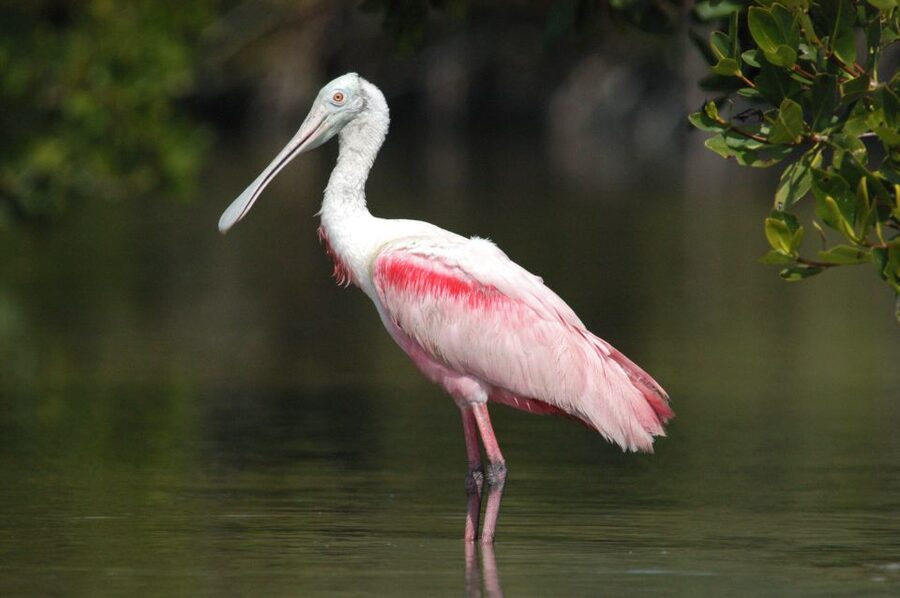
Roseate spoonbills are one of those animals people talk about because they’re distinctive and because they’re tied to specific habitat conditions. The tour targets views via river paddling with tides. That suggests you’ll be in the right areas at the right times for observing wading patterns and foraging behavior.
Even if you only get a partial view, the guided focus helps you understand why they’re there.
Sawfish: what to expect from a realistic encounter
The tour mentions small toothed sawfish as a possible sighting. You should think of this as habitat-based observation. In other words: you might see them, you might not, but you’ll be paddling in a zone where they’re known to exist.
The benefit of having a guide is that they can help you spot the kinds of signs that matter—water movement, shape hints, and the telltale “something’s there” moments you’d miss on your own.
Manatees and dolphins: respectful viewing in a shared habitat
One of the best parts of this tour is that it doesn’t limit you to one type of wildlife. You’re out looking for manatees, dolphins, and even sea turtles as part of the possible sightings.
But here’s the practical part: in Florida, “close” doesn’t mean “interactive.” A kayak is slow, and that’s actually good. You move quietly, at water level, and you can observe without roaring engines or crowds driving wildlife away.
If you’re hoping for a calm encounter, this format usually delivers a better feel. One review noted the guide was laid back and very knowledgeable, and that relaxed vibe matters when you’re waiting for a breathing animal to surface or a dolphin to change direction.
The Calusa shell mound walk: small stretch, big time scale
Not every eco-tour includes a human history moment. This one can include walking on a Calusa shell mound that’s described as thousands of years old. That time depth is a great reset during a paddle day.
It also changes how you think about the water. Shell mounds aren’t random piles; they reflect how people lived with local waterways and resources. Taking a short break on land adds variety, especially if your kayaking time is heavy in bird-watching mode.
Just remember: it’s a walk on uneven natural ground. Wear the kind of shoes you can trust.
What you bring (and why): the wet-shoe rule is real
This is a kayaking tour in a coastal ecosystem. Plan on getting damp. The basics you should bring are clearly spelled out:
- Water
- Hat
- Sunglasses
- Sunscreen
- Shoes you don’t mind getting wet
I’d add one mindset: treat this like a water-sports day, not a dry-land walking tour. In warm weather, sunburn can sneak up fast. And in humid conditions, you’ll be happier if you’ve got comfortable gear that dries or stays manageable.
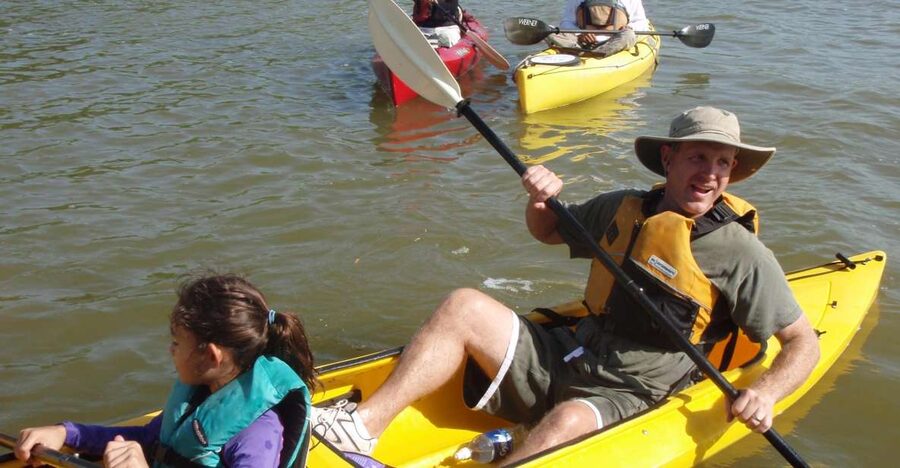
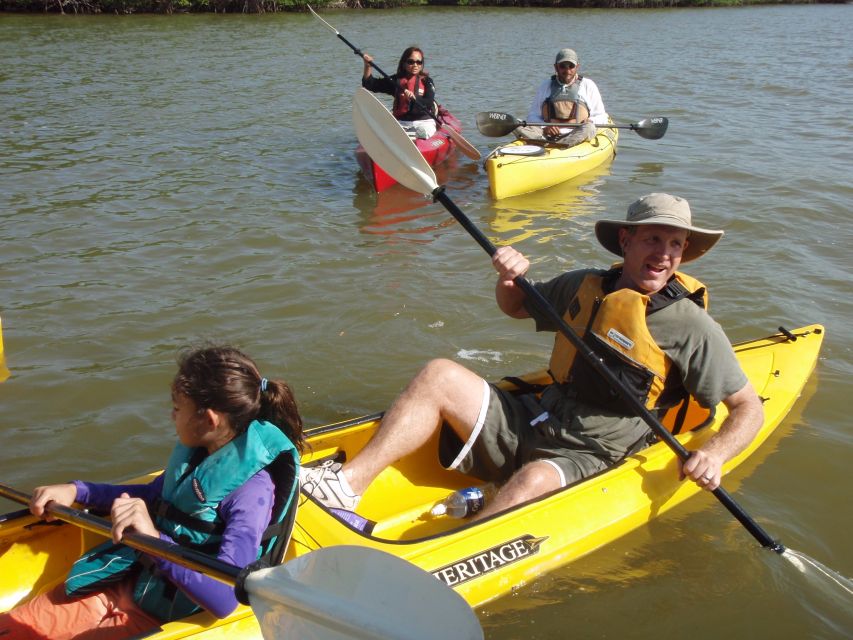
On the plus side, the tour includes all the gear you need for paddling: kayaks, paddles, PFDs, and safety equipment. That takes away a big headache. You can pack smarter and show up ready.
Group size, pacing, and what weather can change
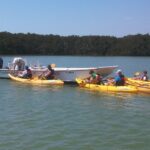
Small groups are a big deal on a kayak tour. They mean you spend more time actually on the water and less time waiting for someone else’s slow learning curve.
The guides also adapt to real conditions. One review called out that when storms and tornadoes came through around the time of the activity, the team moved the tour later in the day. That kind of flexibility is comforting, and it’s also responsible.
On the downside, weather and water levels can affect routes. One review mentioned water was low, which limited what they could do. So if you’re going in a season where water conditions can vary, be prepared for a route shift. That doesn’t ruin the tour—it just changes where you spend your 3 hours.
One more practical thing: you may be hoping for a single kayak. A review noted they expected singles but ended up in doubles. That’s not necessarily a problem if you’re comfortable sharing space and coordinating paddling. Just know it’s possible.
Who should book this Everglades kayak eco tour?
This tour is a strong fit if you:
- want guided wildlife viewing with habitat-focused teaching
- enjoy a calmer, smaller-group experience
- like birds, and also want the shot at bigger mammals like manatees and dolphins
- are happy with a route that adjusts based on what the ecosystem is doing that day
It may not be your best match if you:
- need a guaranteed single kayak setup
- hate the idea of changing plans due to water levels or weather
- want a rigid, fixed itinerary where every stop is guaranteed in the same order
Price and value: $164 for 3 hours in the Everglades
At $164 per person, this isn’t a budget “walk in the park” activity. But it also isn’t just paying for a seat. You’re paying for guided interpretation, safety gear, and the know-how to get you into the right water zones.
Here’s the value math I’d use:
- Gear is included (kayak, paddles, PFDs, safety equipment). That’s real cost you don’t have to absorb.
- Expert naturalist leadership gives you a better return on any wildlife sighting you get. Seeing a bird is fine. Understanding what behavior you’re watching is better.
- The tour includes multiple possible wildlife targets, which increases the odds you’ll have at least one memorable moment—whether that’s a rookery, a manatee area, or tidal river viewing.
If you’re already planning to spend time in the Naples/Marco Island area, this is also a smart way to experience Everglades National Park without treating it like a long drive day.
Should you book it?
If your idea of a great day in the Everglades includes guided nature, calm paddling, and a real shot at wildlife—yes, I’d book this 3-hour kayak eco tour. The route flexibility keeps it grounded in the real ecosystem, and the combination of bird life plus marine mammals is a good mix for both first-timers and repeat nature lovers.
Book it especially if you like the thought of paddling from Chokoloskee into the 10,000 Islands with Florida Master Naturalists calling out what’s happening around you.
FAQ
FAQ
How long is the Everglades National Park 3-hour kayak eco tour?
The tour duration is 3 hours.
Where does the tour launch from?
The tour launches from Chokoloskee Island, with the meeting point at Parkway Motel & Marina.
What time does the tour start?
Tours depart daily, and starting times depend on availability.
What wildlife can I look for on this tour?
You may search for shore birds, wading birds, dolphins, manatees, sea turtles, and you might also be guided to areas where roseate spoonbills or small toothed sawfish are possible.
What’s included in the price?
Included are all safety gear, paddles, PFDs, and kayaks.
What should I bring with me?
Bring water, a hat, sunglasses, sunscreen, and shoes you don’t mind getting wet.
What language is the instruction in?
Instruction is in English.
Is the kayaking done in single or double kayaks?
The information given includes kayaks, and one review noted that singles may be expected but doubles were used. You should be ready for the possibility of a double kayak.
What happens if weather affects the tour?
The experience provider can adjust timing if storms come through, with an example of moving the activity later in the day.
What’s the cancellation policy?
Free cancellation is available up to 24 hours in advance for a full refund.