REVIEW · NOCHCHIYAGAMA
Sri Lanka: Wilpattu National Park Safari Tour in a 4WD Jeep
Book on GetYourGuide →Operated by Shehan Safari Jeep Tours · Bookable on GetYourGuide
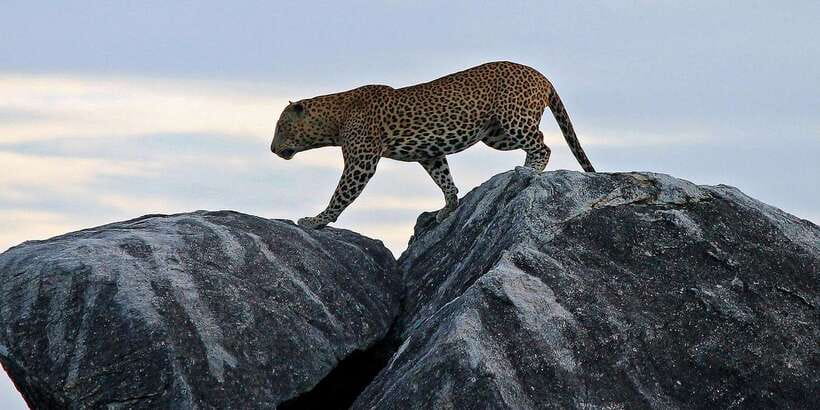
Leopards set the mood in Wilpattu. This 4WD safari is built around the park’s Golden Hours, so you spend prime time hunting sightings in the habitats that actually hold animals. What I like most is the guided spotting approach with a live English guide, plus the 4×4 jeep ride that gets you off the main roads and into the action.
I also like how the plan isn’t just random driving. You’re moving through a mix of willus (lagoons), light forests, scrubs, and grasslands, and your guide and driver steer you toward where animals tend to show up. The one real drawback to weigh is comfort: this is exceedingly rough off-road, so if you’re sensitive to bumps or long jolts, plan accordingly.
In This Review
- Key Things That Make This Wilpattu Jeep Safari Worth Your Time
- Wilpattu’s Golden Hours: Why Timing Matters for Leopard Odds
- Entering the Park by 4WD Jeep: Off-Road Comfort Reality Check
- What You’ll Actually See Inside Wilpattu: Habitats That Drive Wildlife
- Morning vs Afternoon Safari: How the Day Changes Your Hunt
- Morning option (about 4 hours to a longer full day)
- Afternoon option (around 2pm to sunset)
- Full-day option and lunch reality
- The Role of Your Guide: Sharp Eyes, English Labels, and Real Flexibility
- Wildlife Spotting: What’s Promised, What’s Uncertain, and How to Handle It
- Price and Value: What $37 Buys You (and What It Doesn’t)
- What to Bring: Simple Gear That Makes a Real Difference
- Who Should Book This Wilpattu Jeep Safari?
- Should You Book This Wilpattu Safari in a 4WD Jeep?
- FAQ
- How long is the Wilpattu National Park safari tour?
- When does the morning safari start?
- What time does the afternoon safari run?
- Is the Wilpattu National Park entry ticket included?
- What wildlife can I expect to see?
- How many people are in each jeep?
Key Things That Make This Wilpattu Jeep Safari Worth Your Time
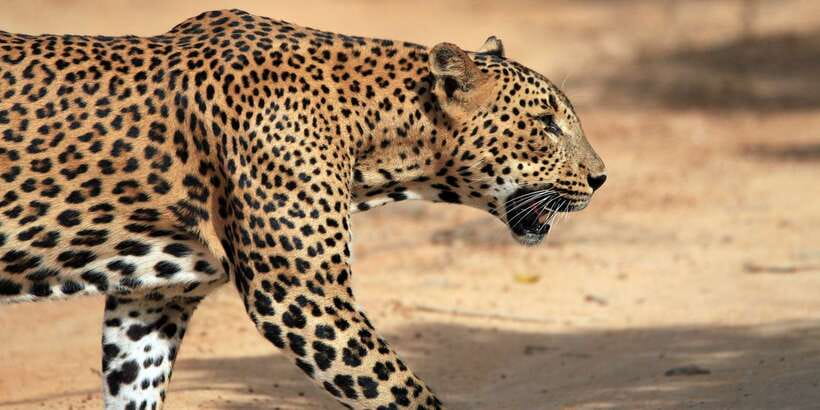
- Golden Hours for leopard focus: either the first 2 hours in the morning or the last 2 hours before sunset
- A guide who actively spots: sharp scanning and timely positioning can make a big difference for sightings
- Multiple habitat types in one outing: forests, scrubs, grasslands, and lagoons where animals use different cover
- Small group setup in the jeep: max 6 passengers, so the spotting process stays manageable
- You learn as you go: the guide talks wildlife and history, though depth can vary by guide and pace
- Real wildlife variety: not only leopards, but sloth bears, elephants, water buffalo, and more
Wilpattu’s Golden Hours: Why Timing Matters for Leopard Odds
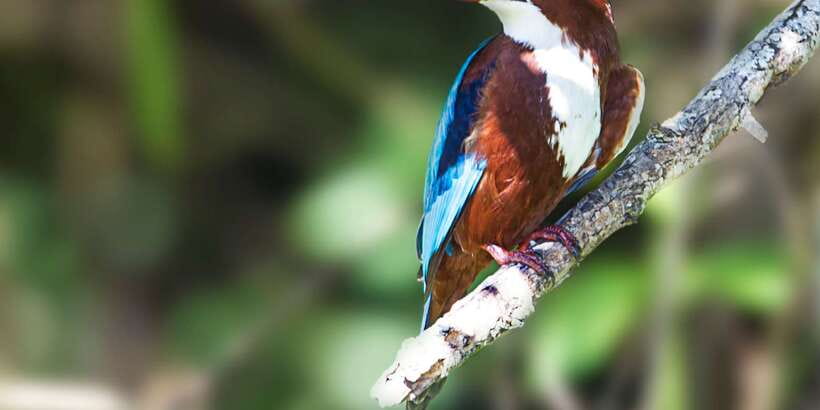
Wilpattu isn’t a zoo-style park where animals pose on command. It’s a hunt, and your best chance is linked to time of day. This safari is designed around the Golden Hours, with leopard-focused driving either right after the park opens in the morning or during the final stretch before closing.
If you go in the morning, you start from 5.30am and the park opens at 6am. That early start helps you get into position while the light is good and animals are more likely to move or be visible. If you choose the afternoon option, you enter around 2pm and keep going until sunset, when the park closes at 6pm. Either way, your schedule is built to put you where visibility and animal activity tend to overlap.
Here’s the practical bit: you’re not wasting your day sitting in the lodge. You’re spending your best light on searching, repositioning, and scanning, which is exactly what increases the odds of a good moment.
Entering the Park by 4WD Jeep: Off-Road Comfort Reality Check
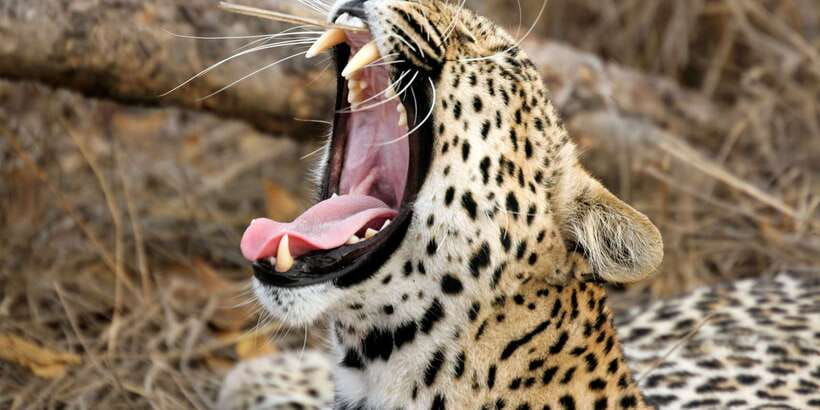
This is a safari-jeep experience inside the national park, and the roads are not gentle. One important note from real experiences: the drive can be truly rough off-road. If you’re the kind of traveler who packs extra comfort for bumpy travel days, you’ll want to think about that here—this isn’t a smooth highway ride.
The upside is also clear. A jeep that can handle rough tracks and get you into the right areas is what makes Wilpattu feel like a real safari rather than a scenic bus ride. You’re not just looking out a window; you’re going where the wildlife lanes are.
Group size matters too. Your jeep setup allows up to 6 passengers, which keeps the experience from turning into a crowded shuffle. With fewer people, it’s easier for the guide to point, for you to scan, and for the driver to make quick repositioning decisions when something is spotted.
What You’ll Actually See Inside Wilpattu: Habitats That Drive Wildlife
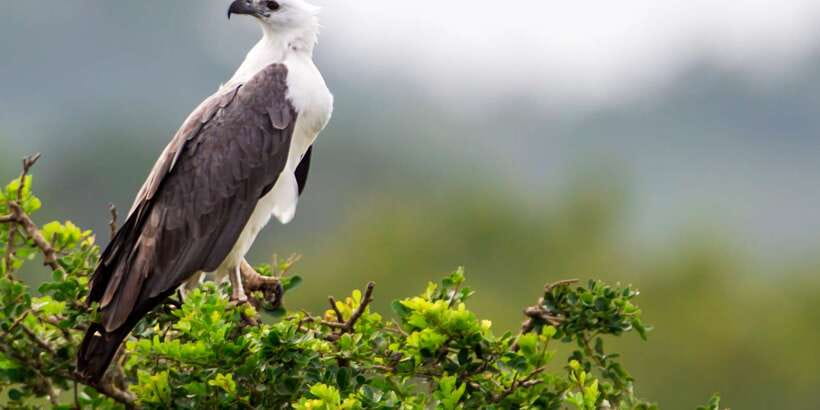
Wilpattu’s landscape works like a map of animal behavior. The tour moves through different environments, which matters because leopards, bears, and elephants don’t rely on the same cover.
Expect time in:
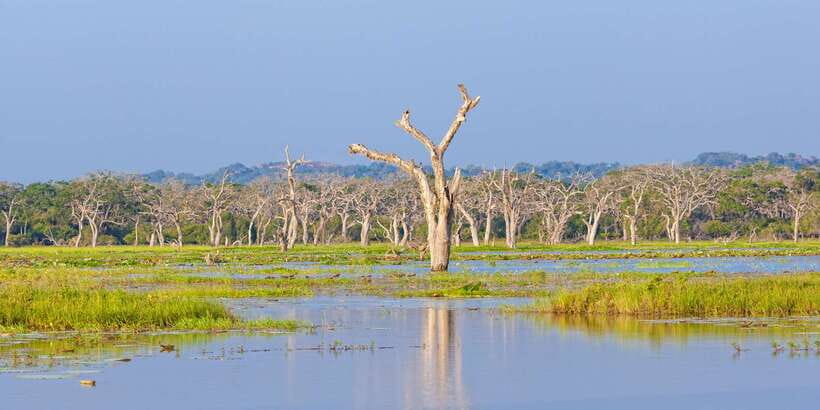
- Willus (lagoons), where water brings animals closer and creates predictable routes
- Light forests and scrubs, good for cover and stalking behavior
- Grasslands, where visibility can be better and animals may move more openly
The list of potential sightings is long, which is one reason this park is so famous. You might spot leopards, sloth bears, elephants, water buffalo, sambars, jackals, spotted deer, peacocks, and crocodiles. In plain language: you’re not betting everything on one species. Even when leopard luck isn’t perfect, you can still end the day with strong wildlife moments—especially if the guide is fast to read signs and set you up in the right spots.
Morning vs Afternoon Safari: How the Day Changes Your Hunt
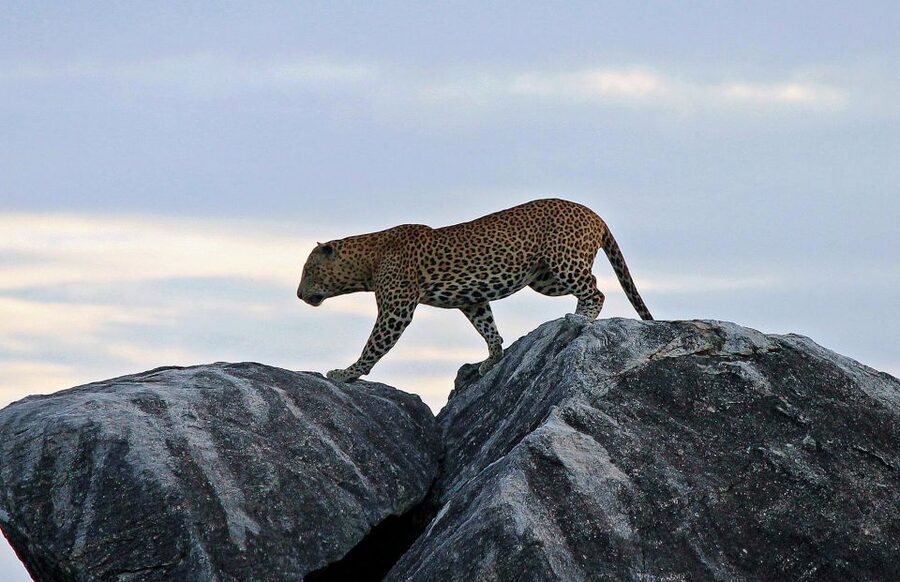
Both options can be excellent, but they feel different, and the timing affects your experience.
Morning option (about 4 hours to a longer full day)
Starting at 5.30am gives you the classic advantage: early light, early animal movement, and less heat. It also means you can focus the leopard hunt during the park’s opening window and early activity. If you’re the type who loves crisp morning air and quick, energized scanning, this is the option that matches that mood.
Afternoon option (around 2pm to sunset)
Starting around 2pm means you’re hunting in the late-day hours, with the final 2 hours targeted. This can be great for travelers who prefer a later start or who want to pair the safari with other daytime plans. The trade-off is that you’re working with changing light as sunset approaches, so you’ll need to be ready to scan fast when opportunities show up.
Full-day option and lunch reality
A full day can include a picnic lunch with fresh fruits. However, food and drinks are listed as not included, so treat that as a conditional extra and confirm what’s actually provided for your specific booking length. The best move is to plan for your own water anyway, since you’ll want it during long scanning sessions.
The Role of Your Guide: Sharp Eyes, English Labels, and Real Flexibility
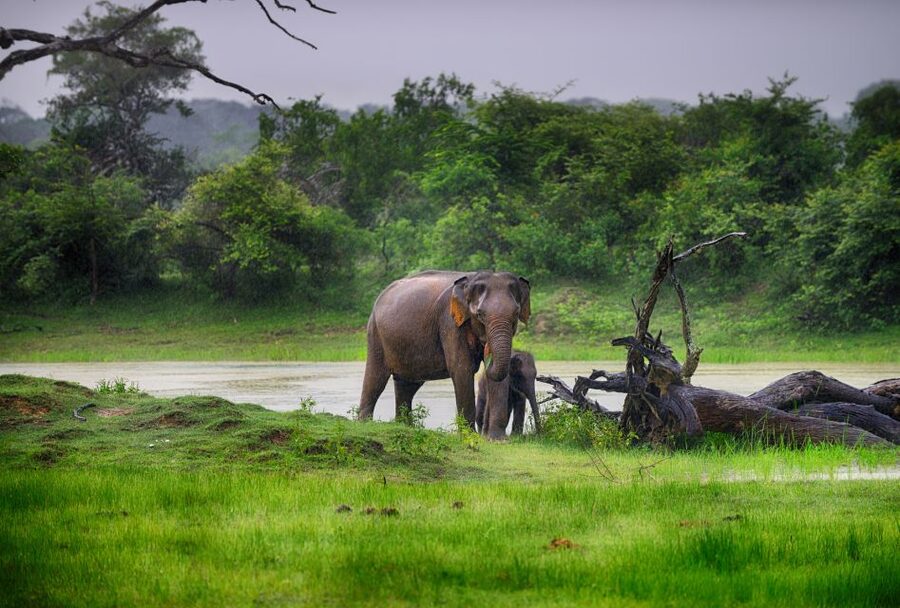
A lot of safari success comes down to the guide’s scanning skills and the driver’s positioning choices. In the best runs, the guide has sharp eyes and can put the group onto animals quickly. That time advantage is huge: even a few minutes can be the difference between a distant silhouette and a clear view.
At the same time, you should calibrate expectations about explanations. One experience highlighted that some guides may focus mostly on pointing out animals and giving names in English, with less detailed commentary. That doesn’t ruin the safari, but it’s good to know: if you love deep wildlife talk, consider asking questions in the moment. When you do that, the guide can often give more context about what you’re seeing and what to look for next.
Either way, the tour is structured around conversation and learning: you’ll have time to talk with your guide and pick up wildlife and even history context as you move through the park. This is where the experience turns from wildlife spotting into something more memorable.
Wildlife Spotting: What’s Promised, What’s Uncertain, and How to Handle It
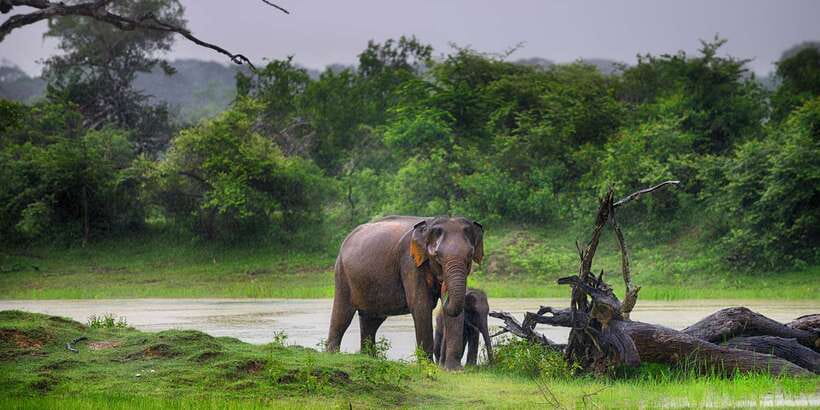
Let’s be honest. No leopard safari guarantees you’ll see a leopard every time. But what this tour offers is a focused strategy: Golden Hours for leopard spotting plus navigation across habitats known for animal traffic.
Here’s what I’d tell you to keep in mind:
- Leopards are the headline, but you’re hunting in a system where other species also show up.
- If leopards don’t appear, you might still see elephants, sloth bears, water buffalo, and other wildlife depending on what the park is offering that day.
- Your timing is intentional, so even when sightings are light, you’re still spending your best daylight searching.
One traveler experience included both a leopard and an elephant, which is the dream combo because it signals good animal activity and smart positioning. Another experience was more modest, with an enjoyable safari but no elephants or leopards that day. That gap is reality in the wild, not failure on your part.
Your best strategy is to watch for signs too, not just the animals you can’t miss. The guide is trained to read the park, and your job is to be ready: keep your attention on where movement would make sense, and be patient when the guide says to hold position.
Price and Value: What $37 Buys You (and What It Doesn’t)
At $37 per person, this safari can feel like a deal because you’re getting more than just a ride. You’re paying for:
- Pickup and drop-off (optional pickup is available around Nochchiyagama)
- Transportation in a safari jeep inside the national park (max 6 passengers)
- A live guide in English
What’s not included is key. Wilpattu National Park entry tickets are paid onsite, and food and drinks are also listed as not included. So your final cost depends on whether you book a shorter option or a full-day plan that includes picnic fruit lunch.
Is it good value? For most visitors, yes—because the cost buys you a structure that matters in wildlife travel: early timing (morning starts), targeted Golden Hours, and a guide who helps you scan and understand what you’re seeing. Without that, you’d be trying to do Wilpattu on your own with limited wildlife-spotting guidance.
What to Bring: Simple Gear That Makes a Real Difference
You’ll get the most out of this safari if you come prepared for long scanning and bumpy driving. The basics are worth it:
- Comfortable shoes (for uneven ground when you stop)
- Sunglasses and a sun hat
- Camera (wildlife moments can be quick)
- Sunscreen
- Water
- Comfortable clothes suited for heat and for time in the jeep
Because the ride can be rough, don’t underestimate the value of comfortable clothing and shoes. You want your focus on wildlife, not on adjusting yourself every five minutes.
Who Should Book This Wilpattu Jeep Safari?
This safari fits well if you:
- Want a guided 4WD wildlife experience instead of self-driving
- Care about timing and want your day shaped around Golden Hours
- Enjoy wildlife variety, not just one species
- Prefer a smaller group setup (max 6 per jeep)
It’s also a good fit for travelers who like learning while they watch. The guide’s explanations and wildlife/history talk can make the day feel purposeful, not just scenic.
If you’re very sensitive to rough roads, you should think twice or at least go in with realistic expectations. The off-road jolts are part of what makes it work, but it’s still a factor.
Should You Book This Wilpattu Safari in a 4WD Jeep?
I’d book it if you want a smart, time-focused safari in Wilpattu with a guide and jeep access that keeps you in the game during the day’s best light. The price is reasonable for what you’re getting—pickup, an English-speaking live guide, and dedicated leopard-search timing.
Skip it only if rough off-road driving would genuinely ruin your comfort. Also, set your expectations on wildlife: leopards are possible, not guaranteed, and some days produce more sightings than others.
If you’re flexible, pack water, dress for sun, and show up ready to scan, this is exactly the kind of Wilpattu outing that can turn into a memorable wildlife story.
FAQ
How long is the Wilpattu National Park safari tour?
The duration ranges from 4 to 12 hours, depending on the option you select.
When does the morning safari start?
The morning tour starts at 5.30am from your hotel area, timed so you can catch sunrise as the park opens at 6am.
What time does the afternoon safari run?
The afternoon option runs from about 2pm until sunset, with the park closing at 6pm.
Is the Wilpattu National Park entry ticket included?
No. Entry tickets are not included and can be paid onsite.
What wildlife can I expect to see?
The tour area is home to leopards, sloth bears, elephants, water buffalo, sambars, jackals, spotted deer, peacocks, and crocodiles.
How many people are in each jeep?
Each safari jeep accommodates a maximum of 6 passengers.
If you want, tell me your travel dates and whether you’re leaning morning or afternoon, and I’ll help you pick the better fit based on your comfort level and schedule.