REVIEW · EVERGLADES NATIONAL PARK
Private Everglades 10,000 Islands Photo and Birding Boat Safari
Book on Viator →Operated by Everglades Boat Tours · Bookable on Viator
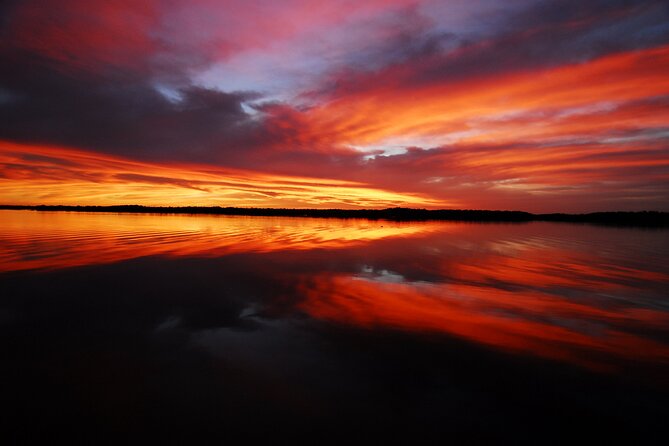
Sunrise and birds are better from a boat. This private Everglades 10,000 Islands photo safari gets you close to wildlife without guessing the best angle, thanks to a Master Naturalist guiding your day around light and behavior.
I especially like the photo-focused positioning, not just a sightseeing ride. You’ll be set up on a flat-decked boat with room for a tripod, and the guide steers with your camera in mind.
One thing to consider: the timing is serious. Morning tours run before sunrise and afternoon tours end after dark, so you may want to plan for an overnight locally so the trip doesn’t feel rushed.
In This Review
- Key highlights I’d zero in on
- Why private photo-birding in the Everglades beats guessing
- Getting to Chokoloskee and boarding a tripod-friendly platform
- The light window that makes your photos look sharp
- How the electric trolling motor helps you shoot better
- The Everglades stop: flooded habitat, close access, real-world framing
- Wildlife moments you can aim for: birds first, then the surprises
- Safety and comfort while you’re focused on the viewfinder
- Meet your guide: Master Naturalist expertise, including Charlie
- Price and value: $549.95 for up to 2 people
- Who this safari fits best (and who might skip it)
- Should you book this Private Everglades 10,000 Islands photo and birding safari?
- FAQ
- How long is the Private Everglades 10,000 Islands Photo and Birding Boat Safari?
- How many people are on this tour?
- What’s included in the price?
- Do I need an Everglades National Park Visitors Pass?
- Where does the tour start?
- What time of day does the safari run?
- Is the tour offered in English?
- Is there space for a tripod?
- Is cancellation free?
- Are service animals allowed?
Key highlights I’d zero in on
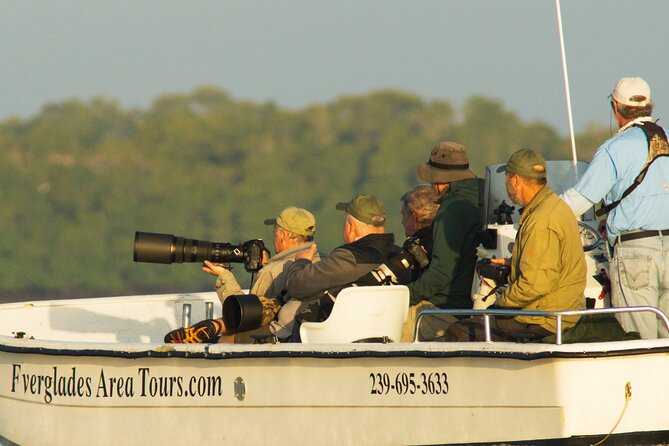
- Private, one- (or two-) person attention for birding and photography planning
- Electric trolling motor positioning so you can aim quietly and steadily
- Tripod-friendly flat-deck boat that works for standing and shooting
- Photo timing around the best light (early mornings and late afternoons)
- A Master Naturalist guide who can explain habitat, nesting habits, and what you’re seeing
Why private photo-birding in the Everglades beats guessing
The Everglades can be frustrating for photographers who want “easy” framing. A huge portion of Everglades National Park is flooded and not reachable from typical viewpoints, which means a lot of wildlife stays out of sight—or out of reach—if you’re not on the water.
This is why a private boat safari helps. Your guide can match the route and boat placement to what’s actually active in the habitat that day, instead of forcing everyone into the same generic spots.
I also like that the approach is practical: you’re not just chasing birds. You’re learning how water, vegetation, and timing affect where birds feed, rest, and nest. That turns random sightings into shots you can repeat.
You can also read our reviews of more tours and experiences in Everglades National Park.
Getting to Chokoloskee and boarding a tripod-friendly platform
You’ll meet at Parkway Motel & Marina on Chokoloskee Drive, in the Chokoloskee area. The tour ends back at the same meeting point, which keeps logistics simple when you’re working with an early start.
Once you’re on the boat, the big difference is how it’s set up for photography. The boat is described as flat-decked with room for a tripod, and that matters more than people think. A stable platform helps you hold framing for longer bursts, keep horizons level, and reduce the “bouncing scramble” that happens on rougher deck setups.
Because this is private, you and one guest (up to two total) can stay in your shooting rhythm. You’re not constantly waiting for others to line up their equipment.
The light window that makes your photos look sharp
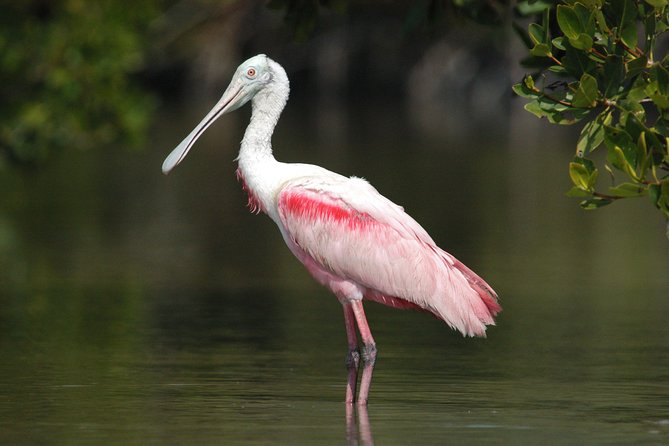
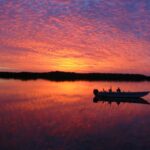
Timing is a big deal in bird photography. In this area, the light is better early and late, and the safari is scheduled around that reality. Morning departures go out before sunrise, and afternoon tours return after sunset.
You’ll notice the result fast. Soft morning light helps feather detail show up without harsh contrast, and late-day light can make birds pop against darker water and vegetation.
It also explains why the experience encourages you to stay overnight locally. If you’re on an afternoon run that ends at night, or a morning run that begins before dawn, you’ll enjoy the trip more if you’re not trying to drive in and out on a tight schedule.
How the electric trolling motor helps you shoot better
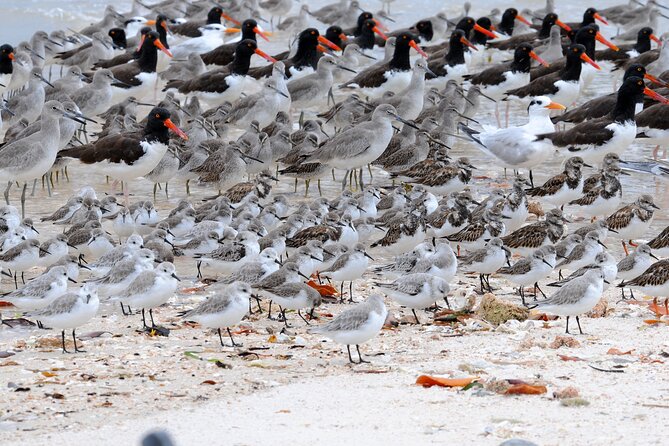
Most wildlife photography comes down to two things: where you are and how you get there. This safari uses an electric trolling motor to help position the boat for the best shots.
That electric approach is a quiet superpower for birding and photography. When the boat moves smoothly and with less noise than a typical motor setup, animals are more likely to keep doing what they’re doing—feeding, calling, or flying through the area instead of vanishing immediately.
There’s also a comfort factor for you. Electric positioning supports slow, controlled adjustments. That’s exactly what you want when you’re tracking a moving bird and trying to keep the head angle right for focus.
The Everglades stop: flooded habitat, close access, real-world framing
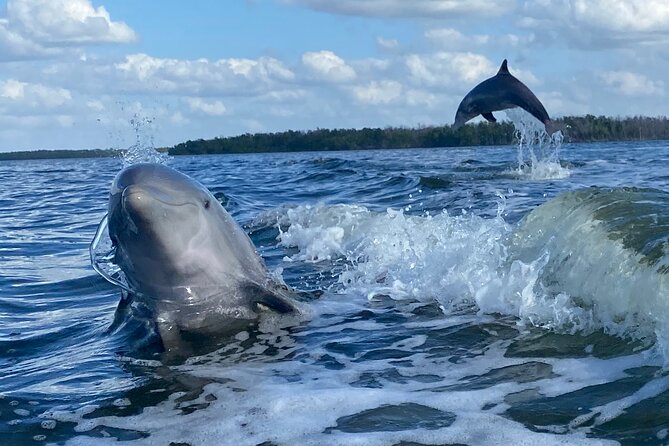
The Everglades portion of the experience is built around what most people can’t see easily. Much of the park is flooded and essentially out of reach for average photographers and birders, so you’re not just visiting a scenic spot—you’re getting access to the big watery expanse where wildlife actually works.
Your guide customizes the route based on season, wildlife activity, weather, and what you want to photograph. That customization is more valuable than it sounds. Birds don’t behave on a fixed timetable, and wind can change everything about reflections and flight paths. A flexible plan means you spend more time where you can realistically get a frame.
You’ll also get guidance on boat placement for your needs. Think of it like coaching for composition: the guide positions you for the shot, not the other way around. That’s a huge time-saver, especially if you’re juggling different lenses or trying to avoid muddy water while staying ready.
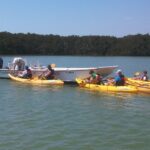
Wildlife moments you can aim for: birds first, then the surprises
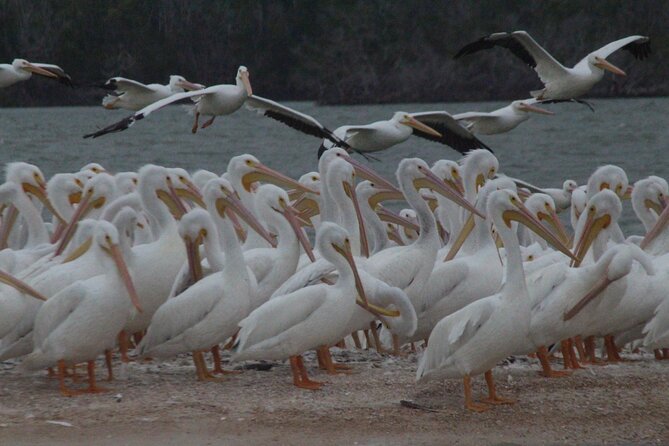
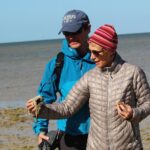
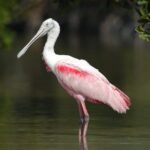
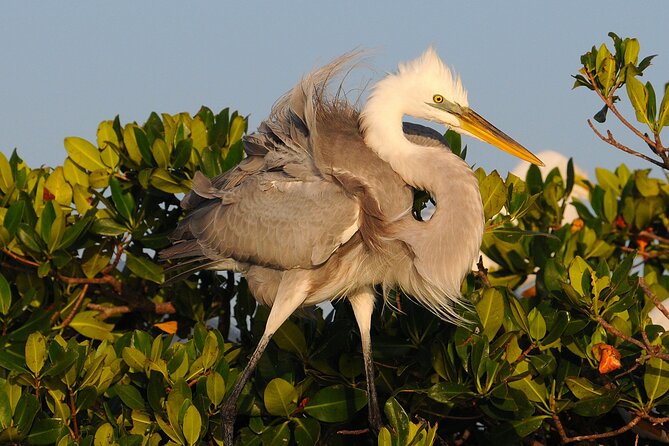
Birds are the main event here, and the nature guide approach is built for that. One standout theme from the experience style is habitat-and-behavior explanation: you’ll learn about nesting habits and what birds do in particular environments.
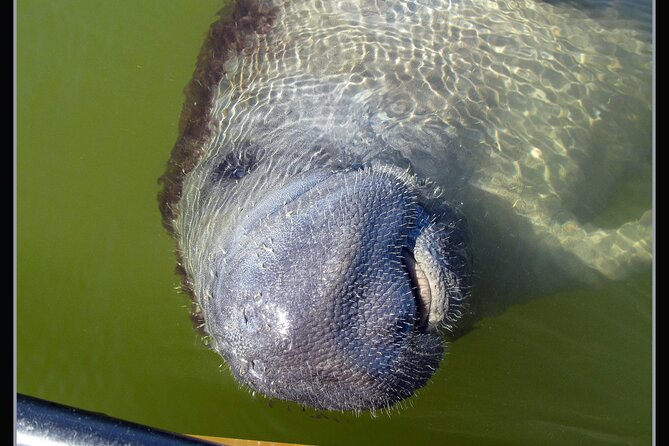
If you’re also into “wildlife beyond birds,” keep your eyes open. On the water in this region, you may catch other wildlife too, including dolphin sightings that can pop up during the trip. It’s not guaranteed, but the chance is real when the route lines up with the local waters where animals are active.
The best part is that the guide can help you interpret what you’re seeing. When you understand why birds are where they are—what the water and vegetation offer—you’ll make faster decisions with your camera and stop shooting only by luck.
Safety and comfort while you’re focused on the viewfinder
Photography tours can be intense in a good way, but safety has to stay first. The guides here make safety a priority, and that’s especially important when you’re stepping, aiming, and adjusting gear on a boat.
You’ll likely feel it in small ways: steadier handling, clear instructions, and the guide staying attentive to both the habitat and the craft. That kind of care helps you spend your energy on tracking, not worrying about your footing.
And since this is private, the safety pace is more tailored. You aren’t waiting for a group shuffle, and you can keep your movements and lens changes timed to what the guide is doing.
Meet your guide: Master Naturalist expertise, including Charlie
This safari includes a professional Master Naturalist Guide. In practice, that means you get more than a checklist of birds. You can ask questions and get explanations tied to the Everglades system—habitat, nesting behavior, and why birds appear where they do.
In at least one memorable example, the guide was Charlie, and the trip stood out for being both informative and smoothly timed for the right conditions. When your guide clearly loves the area, it shows in how they respond to what you’re seeing—especially if you’re the one behind the camera.
Price and value: $549.95 for up to 2 people
The price is $549.95 per group for up to two people, for about 2 hours 30 minutes. On paper, that’s not a budget outing. In reality, you’re paying for private access plus a specialized guide who focuses on both wildlife and photography.
Here’s the value logic I’d use if I were deciding:
- If you’re mainly after birds and you care about getting better shots, private positioning can save you time and effort.
- If you’re bringing gear like a tripod, a boat built for shooting is a real upgrade from casual viewing.
- If you hate being herded around, the one-group setup keeps your attention where it matters: your subject.
If you just want a casual wildlife cruise and don’t care about photo angles, you might find a cheaper group option elsewhere. But if your goal is photographic results and birding guidance, this price starts to make sense.
Who this safari fits best (and who might skip it)
This tour fits best if you fall into one of these buckets:
- You’re serious about bird photography and want someone actively helping with framing and boat placement.
- You want a private guide who can answer questions about behavior and nesting, not just point things out.
- You enjoy early mornings or late afternoons and can handle the timing trade-offs.
You might think twice if you want a relaxed, drop-in sightseeing vibe with no gear focus, or if you’re not able to plan around pre-sunrise or after-sunset hours.
Should you book this Private Everglades 10,000 Islands photo and birding safari?
I’d book it if your goal is better wildlife images and you want a guide who helps you get there. The combination of a Master Naturalist, private boat placement, and a setup designed for tripods is the kind of “small details that pay off” trip planning.
The only real caution is scheduling. If you can stay local so you’re not driving in the dark after an afternoon tour—or waking up before sunrise for a morning run—the experience feels smooth. If you can’t, the photos might still be great, but the logistics could steal some of the joy.
FAQ
How long is the Private Everglades 10,000 Islands Photo and Birding Boat Safari?
It lasts about 2 hours 30 minutes.
How many people are on this tour?
It’s a private tour/activity. Only your group participates, up to 2 people.
What’s included in the price?
A professional Master Naturalist guide is included.
Do I need an Everglades National Park Visitors Pass?
The Everglades National Park Visitors Pass is not included, so plan for that separately.
Where does the tour start?
The meeting point is Parkway Motel & Marina, 1180 Chokoloskee Dr, Chokoloskee, FL 34138.
What time of day does the safari run?
Tours are timed for the best light of the day. Morning tours depart before sunrise, and afternoon tours return after sunset.
Is the tour offered in English?
Yes, it’s offered in English.
Is there space for a tripod?
Yes. The boat is described as flat-decked with room for a tripod.
Is cancellation free?
You can cancel up to 24 hours in advance for a full refund.
Are service animals allowed?
Yes, service animals are allowed.
If you tell me what month you’re going and whether you’re aiming for birds in flight vs. perched shots, I can suggest which part of the day is likely to fit your style.