REVIEW · YELLOWSTONE NATIONAL PARK
E-Bike Tours in Yellowstone National Park
Book on Viator →Operated by Big Sky E bike Tours and Rentals · Bookable on Viator
Electric bikes meet real Yellowstone trails. This is an e-bike tour built for people who want more than paved views, with remote viewpoints, rough backcountry riding, and photo-worthy wildlife moments near Mammoth Hot Springs. I especially like the wildlife focus at Swan Lake Flats and the hands-on, safety-minded guidance in a group that stays small. One consideration: the route includes steep descents and rough terrain, so you’ll need strong physical fitness and good bike control.
The small-group size (up to nine people) matters here because the guide can actually watch how everyone rides. In the best review I read, guide Jay was honest about safety and told kids in the party they weren’t safe to ride, which says a lot about how seriously they take control and comfort. You also get real ride basics included, like a helmet, bike lock, and bottled water, so you can focus on the trail instead of scrambling for gear.
In This Review
- Key points before you go
- Yellowstone on Electric Power: What This Ride Actually Feels Like
- Where You Ride: Glen Creek and the Mammoth Hot Springs Side of Yellowstone
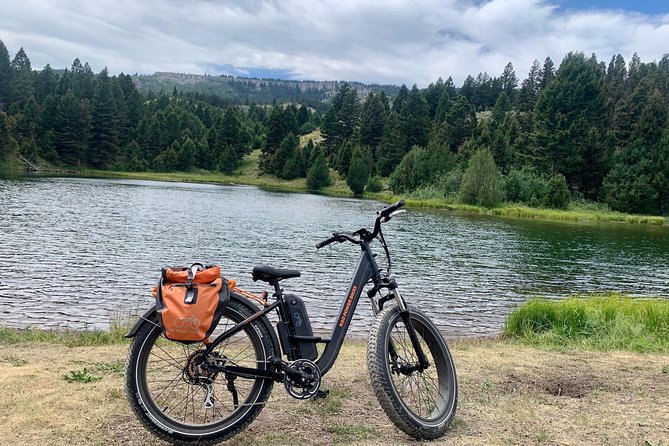
- The Bike Setup: Electric Mountain Bike, Helmet, Lock, and Water
- Small Group Maximum of Nine: Why That Changes Everything
- Stop One: Swan Lake Flats for Wildlife Moments Near Mammoth
- Stop Two: Golden Gate Canyon and Glen Creek’s Quick Drop
- The Bunsen Peak Area: High-Elevation Views South of Mammoth
- Timing, Hours, and Seasonal Runs (So You Don’t Show Up Empty-Handed)
- Weather and Rider Fitness: The Real Gatekeepers
- Safety Culture: Why the Jay Mention Stuck With Me
- Value Check: What You’re Really Paying For (Without a Price Tag)
- Who This E-Bike Tour Fits Best
- Should You Book This Yellowstone E-Bike Tour?
- FAQ
- How long is the E-Bike Tour in Yellowstone National Park?
- Where does the tour start and end?
- What is included in the tour?
- What is not included?
- How many people are on the tour?
- What language is the tour offered in?
- What are the tour operating hours?
- What should I know about fitness requirements?
- What happens if the weather is bad?
- What is the cancellation policy?
Key points before you go
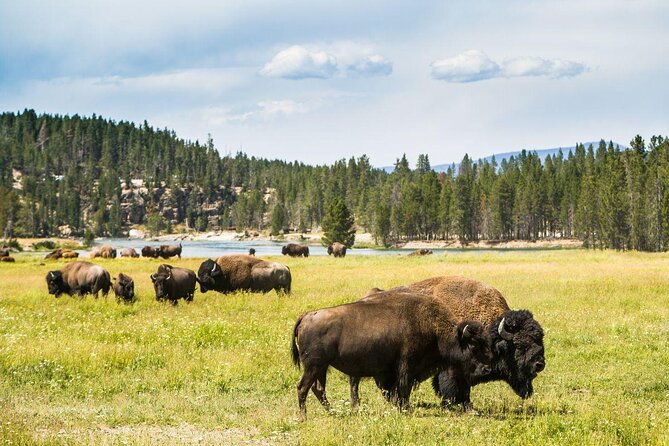
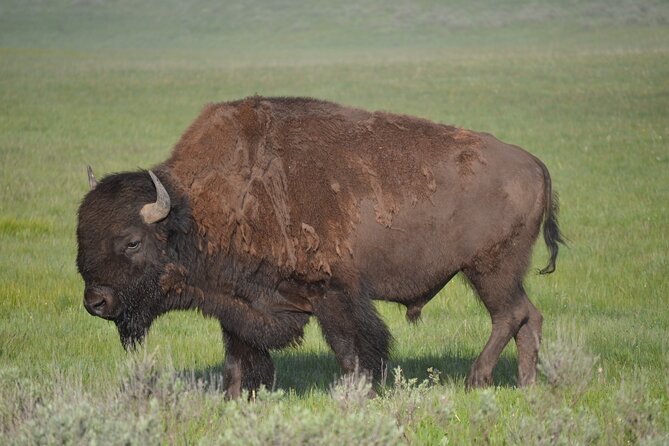
- Swan Lake Flats wildlife photos near Mammoth Hot Springs: quick stops where bison and other animals are often in view.
- A genuinely adventurous route: rough terrain plus steep descents, not a casual spin.
- Electric mountain bike included: helmet, bike lock, and bottled water are part of the ride.
- Small group max of nine: more attention from the guide when conditions get tricky.
- Safety-first coaching: the guide may hold back riders if they’re not ready.
Yellowstone on Electric Power: What This Ride Actually Feels Like
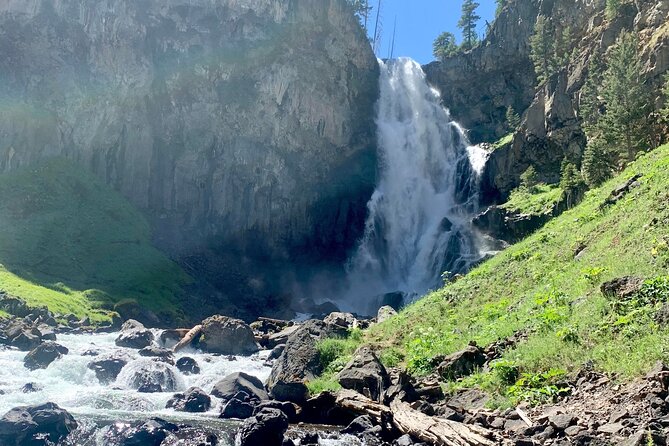
This isn’t a sightseeing tram tour. You’re on an electric mountain bike, trading boardwalk boredom for trail time. You still earn your views, just with motor help when the terrain gets work-heavy. The result is that mix of effort and reward that makes Yellowstone feel wild, even when you’re moving through familiar park country.
What I like most is the “remote viewpoint” angle. Yellowstone can be crowded at the famous stops, but this route is designed to get you off the main flow and onto backcountry trails where you’re more likely to get wide-open scenes. And because it’s a guided ride, you’re not guessing where the interesting turns and photo opportunities are.
You can also read our reviews of more tours and experiences in Yellowstone National Park.
Where You Ride: Glen Creek and the Mammoth Hot Springs Side of Yellowstone
The tour meets at Glen Creek, Wyoming 82190, and you ride from there back to the same meeting point at the end. That matters because you’re not piecing together complicated logistics during the day; the operator keeps it simple. Also, since the riding area is tied to the Mammoth Hot Springs region (Swan Lake Flats is just south of Mammoth Hot Springs, and Golden Gate Canyon and Bunsen Peak are in the northwest/north Mammoth area), you’re spending your time in one coherent part of the park.
This is a practical way to experience Yellowstone if you want the “less obvious” angles—wildlife areas and canyon scenery—without trying to cross the park in one half-day.
The Bike Setup: Electric Mountain Bike, Helmet, Lock, and Water
The essentials are covered. You’ll have use of the bicycle, plus a helmet, a bike lock, and bottled water. That’s a big value point because bike tours can quietly nickel-and-dime you for basic safety gear.
The bike lock matters more than you’d think. Yellowstone stops often involve brief photo moments or short pauses where you’ll want the bike secured. And the included helmet is about more than compliance—it’s a comfort choice when you’re dealing with uneven ground and descents.
Small Group Maximum of Nine: Why That Changes Everything
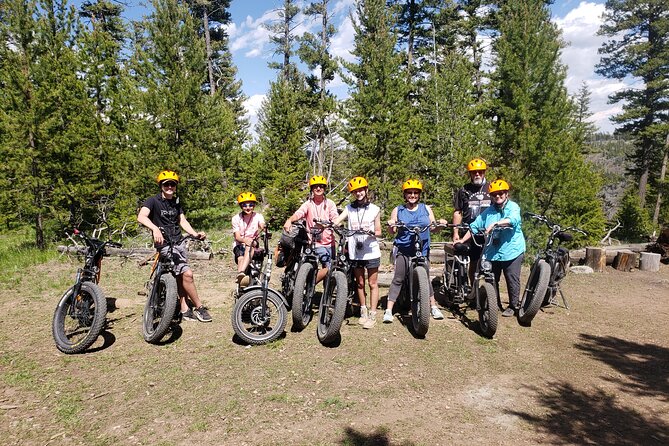
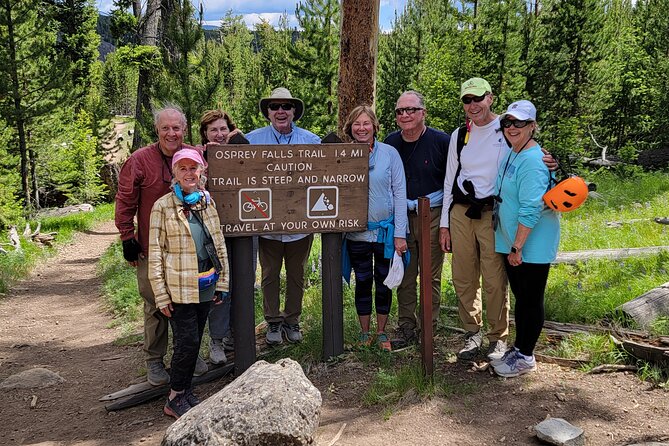
Up to nine people on an e-bike sounds manageable, and it is. But the real advantage is control. On a route with rough terrain and steep descents, the guide needs to see spacing, watch for wobbling, and help riders find confidence before a downhill section.
In the best feedback, the guide successfully coached a mixed-experience party (different ages and riding comfort levels). That’s the kind of situation where small groups shine, because the guide can adjust coaching and pacing instead of blasting everyone through the same rhythm.
Stop One: Swan Lake Flats for Wildlife Moments Near Mammoth
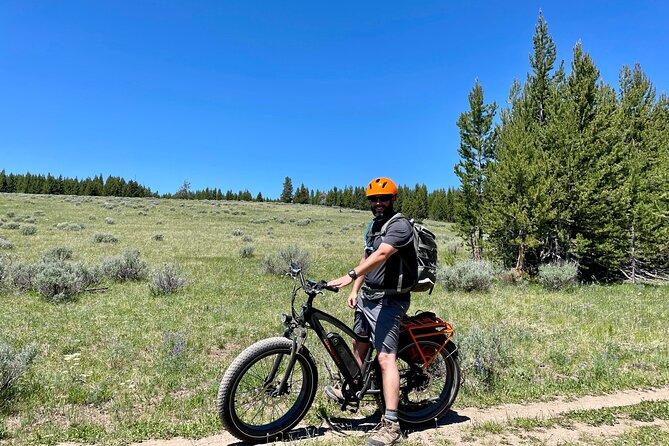
Your ride begins with Swan Lake Flats, located just south of Mammoth Hot Springs. This is the kind of place where the terrain isn’t just scenic; it’s useful. You can position yourself for wildlife sightings and photos without wasting the entire day driving from one pullout to another.
Why this stop is worth your time: Swan Lake Flats is a wildlife-photo location, so your best shots often come from being in the right place when animals decide to show up. A guided stop also helps because you’re not just wandering around. You’re using the time efficiently, aiming for the moments that tend to matter.
Practical note: because this is a wildlife area, your “success” depends on conditions. You’ll get the best value if you stay alert, keep your posture ready for bike control, and treat photo pauses like quick, planned breaks.
Stop Two: Golden Gate Canyon and Glen Creek’s Quick Drop
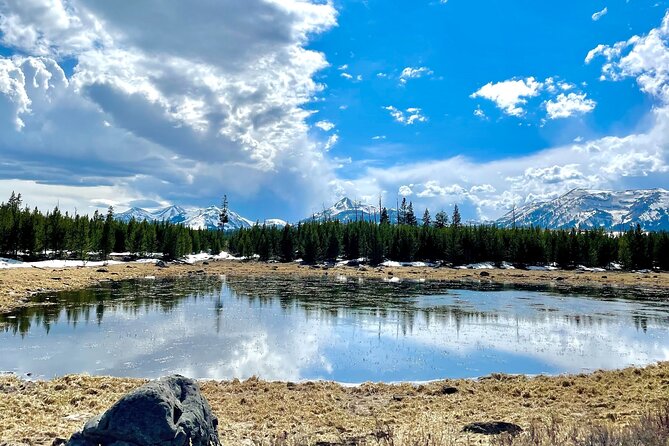
Golden Gate Canyon sits in the northwestern region of Yellowstone National Park in Wyoming. Glen Creek flows north through the canyon, dropping from about 7,400 feet at Kingman Pass to under 6,000 feet in less than three miles. That’s a steep gradient, and it gives you a sense of what the canyon environment feels like—tight, directional terrain where elevation changes happen quickly.
This stop is listed as about 15 minutes, and admission for the canyon is not included. Two quick takeaways for you:
- The short time window means you’ll want to be ready to move. Bring your camera mindset, not your long-wander mindset.
- Since admission isn’t included, don’t assume your ticket covers every park-related cost at that stop.
Even if you’re not a geology nerd, the creek’s elevation drop hints at why the canyon area can feel dramatic from the bike route. You’ll likely notice the terrain’s “push” and “pull” as you transition between riding sections.
The Bunsen Peak Area: High-Elevation Views South of Mammoth
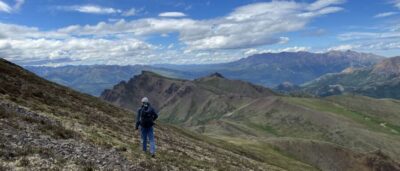
The ride also highlights Bunsen Peak, a prominent peak due south of Mammoth Hot Springs at about 8,564 feet. Even though you don’t get a lot of additional detail on what you’ll do at this stop, the point is clear: you’re riding in a zone where altitude and sightlines can add real wow factor.
Here’s how to think about it: when a tour names a peak like Bunsen, it’s usually signaling a viewpoint value—open views, strong angles, and a chance to see the park’s scale. In an e-bike format, you can often reach those vantage areas without the full grind of a long hike.
Potential drawback: if you’re expecting perfectly smooth, easy riding throughout, Yellowstone terrain can humble you. Mentioned in the overall tour highlights are rough ground and steep descents, so the Bunsen Peak zone fits that overall “adventurous” style.
Timing, Hours, and Seasonal Runs (So You Don’t Show Up Empty-Handed)
The tour operates on a year-round schedule across two seasonal windows:
- 11/08/2025 to 04/16/2026
- 04/17/2026 to 11/07/2026
In both windows, it runs Monday through Sunday from 9:00 AM to 5:00 PM. That’s a wide daily window, which is helpful when you’re trying to match a half-day ride with the rest of your Yellowstone plan.
Also, you’ll receive a confirmation at booking, and the tour uses a mobile ticket. Mobile ticketing is one less thing to manage when you’re balancing a busy park day.
Weather and Rider Fitness: The Real Gatekeepers
This experience requires good weather. If conditions are poor, the operator will offer a different date or a full refund. That’s not just a fine-print detail; it matters because rough terrain plus steep descents are harder—and riskier—when ground is wet or visibility is low.
The tour also asks for strong physical fitness. “Electric” doesn’t mean “effort-free.” You’re still managing balance, braking, and shifting body position over uneven ground. Electric assist helps you climb and keep momentum, but it can’t replace good handling skills.
If you’re unsure, be honest about your comfort level with downhill sections. The best outcome is the one where the guide can keep you in control and moving as a group.
Safety Culture: Why the Jay Mention Stuck With Me
The most repeated theme in the positive feedback is safety. Not just helmets and rules—real-world judgment. One review specifically praised guide Jay for honesty when kids in the group weren’t safe to ride. That’s the kind of decision that can feel annoying in the moment, but it’s also exactly what keeps small mishaps from becoming bad injuries.
This is also where small-group riding helps. You get closer coaching. You don’t get ignored while you figure out braking on a downhill.
If safety is your top priority in Yellowstone, pay attention to that pattern in the feedback and choose this operator because the vibe is clearly “controlled adventure,” not “speed and hope.”
Value Check: What You’re Really Paying For (Without a Price Tag)
Even without a listed price, you can still judge value by what’s included and how the ride is designed.
What you get included:
- Electric mountain bike use
- Helmet and bike lock
- Bottled water
What you don’t get included:
- All fees and taxes
- Transportation to the trail head
- And at least at Golden Gate Canyon, admission ticket is not included
Value usually comes from two places: reducing your planning burden and improving the quality of your time. Here, the included equipment covers core safety items, and the guided format covers decision-making. You’re not spending the day guessing which side trail is worth it; you’re riding a route that hits Swan Lake Flats, Golden Gate Canyon, and the Bunsen Peak area within a 4 to 5 hour window.
Who This E-Bike Tour Fits Best
This tour fits best if you:
- Want Yellowstone backcountry viewpoints without doing a long hike
- Enjoy photography stops, especially for wildlife
- Are comfortable with a route that includes rough terrain and steep descents
- Like a small-group experience where the guide can coach you
It’s less ideal if you:
- Want an easy, fully flat ride with minimal bike handling
- Have limited comfort with downhill riding or uneven surfaces
- Are going only for casual scenery and would rather stay on the smoothest paths
Should You Book This Yellowstone E-Bike Tour?
If you’re excited by the idea of riding electric mountain bikes through Yellowstone’s Mammoth-area backdrops—Swan Lake Flats wildlife time, canyon scenery at Golden Gate Canyon, and views connected to Bunsen Peak—then yes, it’s a strong match.
Book it if you can meet the fitness and weather expectations and you want safety-forward guiding in a small group. Skip it if downhill control and rough terrain make you nervous. This is an adventurous ride, and that’s exactly why it’s memorable.
FAQ
How long is the E-Bike Tour in Yellowstone National Park?
The tour lasts about 4 to 5 hours.
Where does the tour start and end?
The tour starts at Glen Creek, Wyoming 82190, USA, and it ends back at the same meeting point.
What is included in the tour?
The tour includes use of the bicycle, a helmet, a bike lock, and bottled water.
What is not included?
All fees and taxes are not included, and transportation to the trail head is not included. Also, admission ticket is not included for Golden Gate Canyon.
How many people are on the tour?
The experience has a maximum of 9 travelers.
What language is the tour offered in?
The tour is offered in English.
What are the tour operating hours?
From 11/08/2025 to 04/16/2026 and from 04/17/2026 to 11/07/2026, it runs Monday through Sunday from 9:00 AM to 5:00 PM.
What should I know about fitness requirements?
The tour requires travelers to have a strong physical fitness level.
What happens if the weather is bad?
The experience requires good weather. If it’s canceled due to poor weather, you’ll be offered a different date or a full refund.
What is the cancellation policy?
You can cancel for free up to 24 hours in advance for a full refund. If you cancel less than 24 hours before the start time, the amount paid will not be refunded.