REVIEW · YELLOWSTONE NATIONAL PARK
Yellowstone National Park Self-Guided Driving Audio Tour
Book on Viator →Operated by Travel with Action · Bookable on Viator
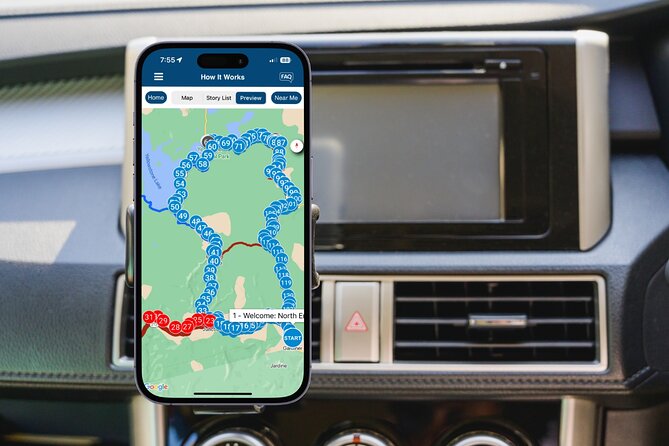
Yellowstone hits different when you have a plan. This self-guided driving audio tour turns your Grand Loop drive into a step-by-step story. You get hands-free GPS-triggered narration and a big set of offline audio + maps, which matters a lot in Yellowstone where signal can be spotty.
I especially like how it handles the park like a road trip, not a checklist. The audio gives you context for what you’re seeing, from Old Faithful’s timing to why Lamar Valley is such a wildlife magnet. Another big win is the pacing: you can start anytime and pause anywhere, so you’re not forced to rush between parking lots.
One thing to think about: if you don’t download the full tour before you lose service, or if you skip quickly past a stop, you can end up with gaps or cut-off narration. Plan for that up front and the experience usually stays smooth.
In This Review
- Key things that make this tour worth your attention
- GPS-triggered Yellowstone: why driving with audio feels smarter
- Price and time: what $24.99 per car buys in Yellowstone
- Offline audio is the make-or-break detail in Yellowstone
- South Entrance highlights: from Grant Visitor Center to Old Faithful
- Mud pots, geyser basins, and the color of Yellowstone: Prismatic to Norris
- Mammoth Hot Springs and Boiling River: terraces, elk, and a rare warm spot
- North loop icons: Roosevelt Arch, Albright, and the waterfall trailheads
- Lamar Valley and Dunraven Pass: wildlife odds and the high-view reward
- Hayden Valley to Yellowstone Lake: green past, cold water, and a final drive
- Who should book this Yellowstone driving audio tour
- Should you book it?
- FAQ
- How much does the Yellowstone self-guided driving audio tour cost?
- About how long is the tour?
- Does it work without cell service?
- Is a Yellowstone park entry permit included?
- Can I pause the audio or go at my own pace?
- How do I hear the audio in my car?
- Is the tour valid for more than one day?
Key things that make this tour worth your attention
- Offline-first setup so your audio keeps going when cell service disappears.
- GPS-triggered stories that start when you reach the next stop.
- 150+ miles and 140+ audio stories to help you feel like you’re seeing more than just pull-offs.
- A stop-by-stop mix of geysers, mud pots, waterfalls, and the best wildlife stretches.
- Narration that explains what you’re looking at, not just where to park.
GPS-triggered Yellowstone: why driving with audio feels smarter
Yellowstone is huge, and your time disappears fast once you’re hunting parking. What I like about a GPS-triggered audio tour is that it reduces the mental load. You don’t have to pull out your phone every few minutes to figure out what’s next. You just drive, pull in when the next story cues up, and keep moving.
That also changes how you experience the thermal areas. Geysers, hot springs, and mud pots can look similar if you’re just glancing from the car. With narration guiding you, you start noticing the differences: how a geyser behaves, why a basin matters, and what makes a pool or river different from the one you saw 10 minutes earlier.
And because it’s self-guided, you’re not stuck in a rigid group rhythm. If you want extra time at Grand Prismatic or you want to skip a stop that doesn’t grab you, you can. Yellowstone rewards that kind of freedom.
You can also read our reviews of more tours and experiences in Yellowstone National Park.
Price and time: what $24.99 per car buys in Yellowstone
The price is $24.99 per group (up to 4), which is one of the smartest parts of this deal. You’re paying per vehicle, not per person, so families and small groups can keep costs low while still getting a “guided” feel.
Timing-wise, the full drive is about 5 to 6 hours to complete, with the route running 150+ miles and featuring 140+ audio stories. That’s a very workable chunk of time for Yellowstone. You can do it in one long day if you’re motivated, or split it across visits since the access is lifetime with no expiry.
Just keep expectations realistic. Yellowstone can easily stretch into multiple days if you start adding hikes, animal-watching detours, and longer photo stops. The audio tour gives you a solid structure, but it won’t replace your choices about how slowly you want to move.
Offline audio is the make-or-break detail in Yellowstone
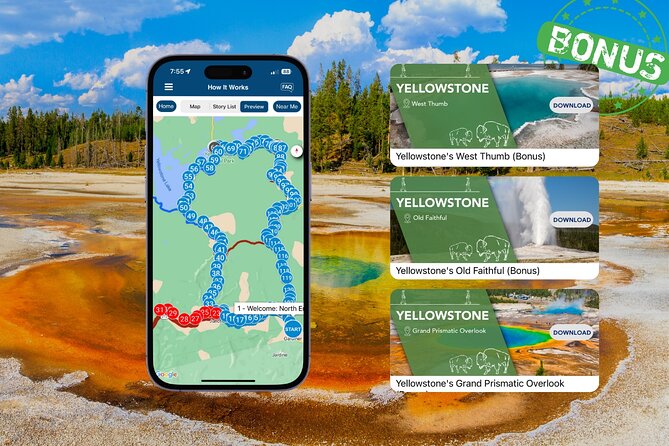
Yellowstone can be hard on connectivity, so your first job is technical: get the tour ready while you still have a strong signal.
Here’s the practical approach:
- You’ll get setup instructions by email and text with a password.
- You download the Action audio tour app separately.
- You must download the tour while you have strong wifi/cellular.
- After that, it works offline.
Then, when you’re onsite, you open the app and start at the story that matches your starting point and direction. The audio should trigger automatically as you reach each location. If you want audio through the car, connect your phone to your stereo via Bluetooth, USB, or AUX. For stops where you’ll walk around, you might prefer headphones.
The reason this matters is simple: some frustrations people run into are not really about Yellowstone. They’re about forgetting the “download first” rule. If you do the offline setup correctly, most of the experience feels smooth.
South Entrance highlights: from Grant Visitor Center to Old Faithful
If you enter through the South Entrance, the route gives you a classic Yellowstone opening: start with visitor services and roll straight into the geothermal heart of the park.
You begin around the South Entrance, then pass the Grant Visitor Center area. It’s a good reset point for restrooms and a quick breather before you join the Grand Loop.
From there, you get into the big thermal stops:
- West Thumb Geyser Basin: one of Yellowstone’s larger geyser areas, with lots to look at if you like thermal features. It’s a great place to train your eye for what’s steam, what’s bubbling, and what’s just steam drifting.
- Shoshone Lake: a quieter stretch with a hiking trail option. If you’re only doing a quick stop, enjoy the calm and skip the long walk unless you’ve got time.
- Isa Lake: sits directly on the Continental Divide. Even if you don’t do a hike, it’s a fun mental moment: you’re at a geographic line that shapes where water goes.
Then comes the headliner:
- Old Faithful: this geyser is famous because it’s reliably dramatic. The tour frames it like a living rhythm, the kind of thing where you start watching the landscape differently because you’re waiting for a predictable event.
And the thermal sequence keeps rolling:
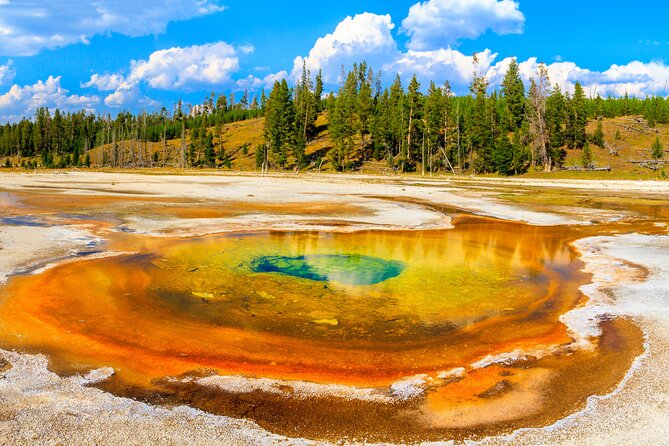
- Morning Glory Pool Group: a deep hot spring area, but it’s been severely damaged by tourists over the years. The tour still points you toward why it’s important to see, which also makes you think more carefully about staying on marked paths.
- Firehole River: yes, the river is naturally heated nearby, creating a rare “hot water outdoors” feel without needing a hot tub.
One more must-do:
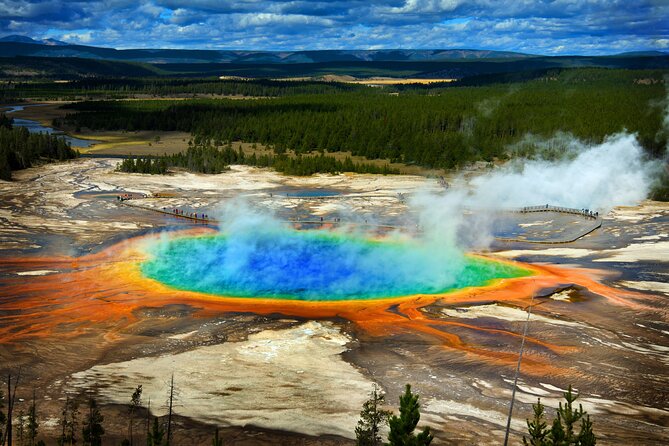
- Grand Prismatic: this is the color-ring show. The tour cue helps you park and view it with intent, not just a quick glance. Expect a big stop here, because photos and eye-catching detail will tempt you to linger.
Practical drawback to plan around: this entire South Entrance thermal run attracts daytime crowds. If you want easier parking and less crowding, you’ll do better arriving earlier in the day or being strategic about which attractions you spend extra time on.
Mud pots, geyser basins, and the color of Yellowstone: Prismatic to Norris
After Grand Prismatic, you transition into the smaller, weirder thermal features—the ones that look almost too strange to be real.
- Fountain Paint Pot: a colorful mud pot that’s constantly active. It’s one of those stops where “just a quick look” turns into a longer moment because things keep changing.
- Near the West Entrance Visitor Information Center (depending on which direction you’re approaching), the route connects you back into the park’s wider network of pull-offs.
Then the drive works in the roadside hits:
- Gibbon River: the audio adds human history, including how the Shoshone tribe used the park’s natural obsidian deposits.
- Gibbon Falls: easy access from the road compared to waterfalls that require longer hikes. If you want a “stretch your legs without a big mission” stop, this fits.
- Artists Paint Pots: another mud pot area, with a boardwalk so you can view geothermal activity without scrambling. This is one of the stops where the audio helps you understand why it looks the way it does, not just that it looks colorful.
Then you hit a geyser basin that’s not just famous—it’s extreme:
- Norris Geyser Basin: described as Yellowstone’s oldest and hottest geyser basin, with temperatures measured up to 459 degrees below the surface. That kind of detail is useful because it changes how you interpret what you see. It’s not just steam and mystery; it’s active geothermal power.
If you time it well, this section feels like Yellowstone’s “science fair,” where each stop teaches you a new pattern: bubbling vs. geyser eruption vs. color from mineral deposits.
Mammoth Hot Springs and Boiling River: terraces, elk, and a rare warm spot
From Norris, the route shifts toward Yellowstone’s distinctive hot-spring geography and wildlife zones.
- Swan Lake Flats: a prime wildlife area and also the birthplace of one of Yellowstone’s eight wolf packs. Even if wolves stay elusive, this is where you look because the odds are better than average.
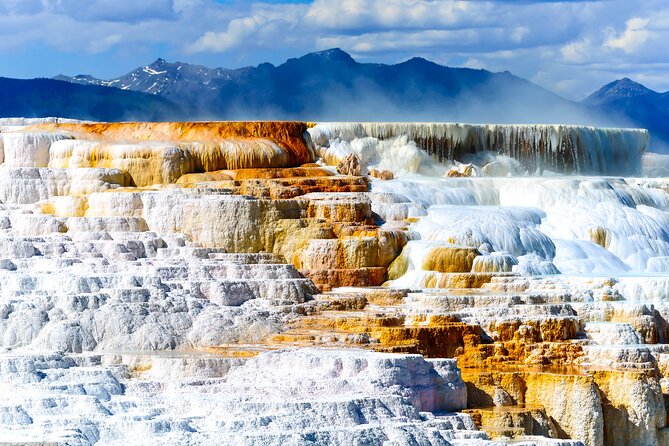
- Mammoth Hot Springs: terraced hot springs that are also a magnet for elk. If you like when wildlife and scenery overlap, this is a strong stop. The audio context makes it easier to understand why elk are attracted here.
Then there’s a different kind of experience:
- Boiling River (noted for north entrance routes): a heated river that’s said to be a pleasant temperature. This is the kind of stop where you might pause longer because “this sounds like a name you’d skip” turns into “oh, that’s actually usable.”
What to watch for: hot areas can also mean slick boardwalks or uneven footing. The tour is designed for quick, road-friendly stops, but if you plan to walk around, keep your pace cautious.
North loop icons: Roosevelt Arch, Albright, and the waterfall trailheads
The tour also covers the north-entry style landmarks, which gives you a sense of Yellowstone’s history and architecture, not only geothermal science.
Key stops include:
- Roosevelt Arch: a rusticated triumphal arch at the north entrance in Gardiner, Montana. It’s tied to early park history, including its 1903 cornerstone laid by President Theodore Roosevelt under supervision linked to Fort Yellowstone.
- Albright Visitor Center: a practical stop for restrooms and snacks, plus a chance to re-check your day’s timing.
- Undine Falls: a 60-foot waterfall named after fairies from German folklore.
- A trailhead across from Undine Falls leading to Wraith Falls: an 80-foot waterfall.
Then you come to:
- Tower Junction and Roosevelt Lodge (noting that no Roosevelt camped there, despite the name). It’s a good “land base” feeling stop even if you don’t camp overnight.
This north loop segment is also a nice change of pace from steam and colors. It brings waterfalls, trailheads, and architecture into the mix, so your day doesn’t feel like one long thermal theme.
Lamar Valley and Dunraven Pass: wildlife odds and the high-view reward
One of Yellowstone’s classic “look out, slow down” stretches shows up later in the route:
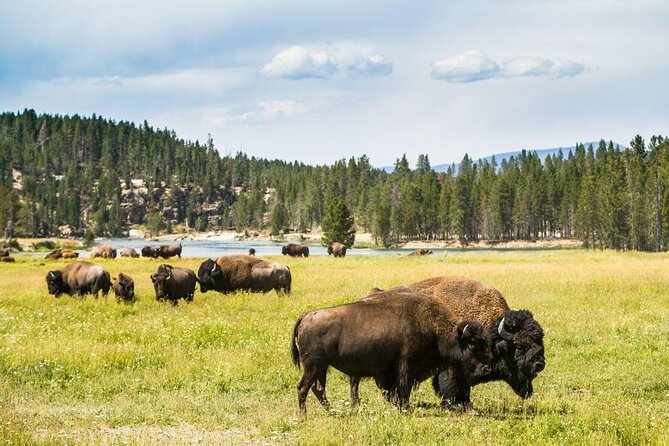
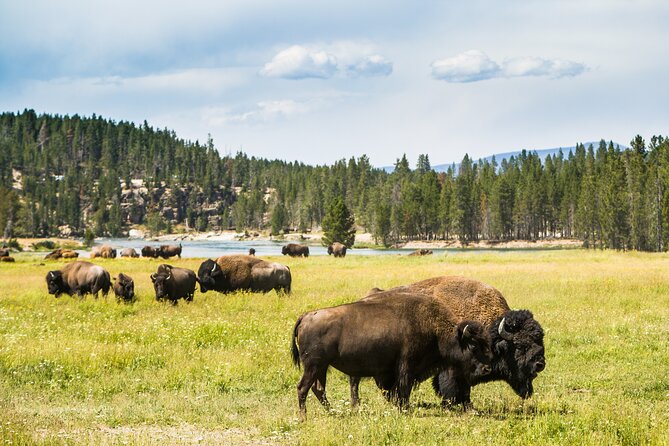
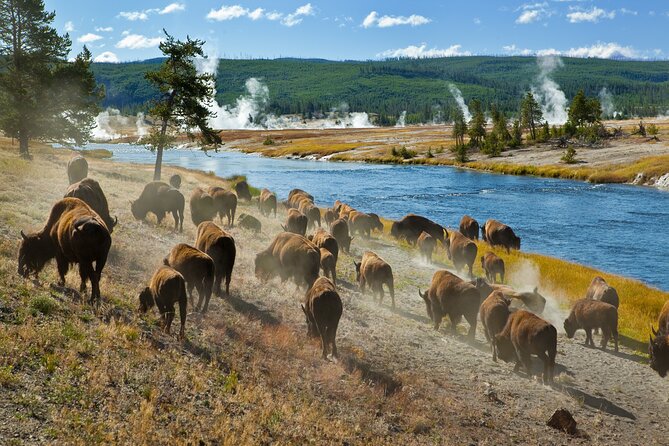
- Lamar Valley: described as the best place in Yellowstone for spotting iconic wildlife. Expect bison almost as a baseline, and you might get lucky with wolves.
The audio cue here matters because wildlife viewing rewards patience more than speed. The tour gives you a reason to be alert, not just drive through.
Then you climb into high-country viewpoints:
- Dunraven Pass: a high point in the park at about 9,000 feet, plus a trailhead that can climb another 1,000 feet for big views. If you want the payoff without a heavy hike, you can still enjoy the pass area itself, but the audio sets up the choice if you want to work for it.
- Mount Washburn: noted with its elevation (10,243 feet) and naming history tied to Henry D. Washburn.
And there’s a stop that feels “local,” not just scenic:
- Canyon Village: described as a strange, semi-town where many workers live while they’re at Yellowstone. It’s the kind of detail that makes the park feel lived in, not only wild.
The high-view payoff comes next:
- Inspiration Point: called the most popular overlook along Yellowstone’s Grand Canyon, with an unmatched vista compared to other overlooks in the park. Even if you’re not a big viewpoint person, this one is worth using your short stop time wisely.
Hayden Valley to Yellowstone Lake: green past, cold water, and a final drive
The route keeps pushing you toward Yellowstone’s big “river-and-valley” scenery, where wildlife and open water can line up beautifully.
- Hayden Valley: today it’s lush and green, but the audio ties it to the past, when it was at the bottom of a lake. That kind of context helps you see the valley as something formed, not random.
- Fishing Bridge: the audio also explains a historical wildlife management mistake—early attempts to boost visitation by introducing invasive trout into Yellowstone’s rivers.
Then the tour ends in a place that’s pure Yellowstone finishing power:
- Yellowstone Lake: described as the largest high-elevation lake in North America. The audio notes it’s too cold to swim, but it makes an excellent spot for a picnic or a boat ride.
If you’re doing this as a day trip, ending at Yellowstone Lake helps you feel like you capped the day with something calm after the intensity of geysers and wildlife scanning.
Who should book this Yellowstone driving audio tour
This tour fits best if you want:
- Structure without babysitting. The audio cues you to stops so you don’t miss the major geothermal hits.
- Value for small groups. Paying $24.99 per car is a bargain compared with typical guided day costs.
- Offline confidence. If you plan to rely on a park with limited signal, this tour is designed for that reality.
- First-time navigation support. The route gives you a clear sequence, so your day feels less like guesswork.
It may not be the best match if:
- You hate tech setup and don’t want to download before you enter the park.
- You’re looking for a live guide who answers questions on the spot. This is narration and direction, not Q-and-A.
Should you book it?
I’d book this if you’re visiting Yellowstone and want a cost-friendly, self-guided way to hit the major thermal areas, the waterfall stops, and the wildlife-focused stretches—without paying for a bus or a private guide.
Do it if you’re the type who likes learning while you’re driving, and you’re okay with a few “timing matters” rules: download fully ahead of time, follow the route cues, and don’t sprint past each stop expecting the audio to keep up.
Skip it only if offline setup sounds like a chore you’ll avoid, because Yellowstone’s weak service is real, and the audio only shines when it’s ready to run.
FAQ
How much does the Yellowstone self-guided driving audio tour cost?
It costs $24.99 per group, up to 4 people, since the purchase is per group.
About how long is the tour?
It takes about 5 to 6 hours to complete, based on the full route length and timing.
Does it work without cell service?
Yes. It is designed to work offline after you download the tour while you still have strong wifi/cellular.
Is a Yellowstone park entry permit included?
No. Park passes or a standard park entry permit are required and not included with this tour.
Can I pause the audio or go at my own pace?
Yes. You can start anytime, pause anywhere, and explore at your own pace.
How do I hear the audio in my car?
You can connect your phone to your car stereo using Bluetooth, USB, or AUX. The tour audio is also compatible with Apple CarPlay.
Is the tour valid for more than one day?
Yes. It has lifetime access with no expiry, so you can use it on future trips as well.