REVIEW · KATHMANDU
3-Day Guided Safari Tour in Chitwan National Park in Nepal
Book on Viator →Operated by The Great Adventure Treks & Expedition - Private Day Tours · Bookable on Viator
Rhinos, crocodiles, and Tharu culture, in one loop. I liked how this trip keeps the focus on Chitwan wildlife and how the Tharu village program adds real local flavor beyond the animals. The organization felt tight and friendly, and having Mani help coordinate things made the whole plan feel easy from the start.
The main thing to consider is the schedule rhythm: you’ll be up early for birds and you’ll spend a big chunk of time in transit between Kathmandu and Chitwan.
In This Review
- Key highlights at a glance
- Why Chitwan works so well in 3 days
- Kathmandu to Chitwan: the long drive that makes the trip
- Tharu Village Tour + jeep safari: culture that doesn’t feel tacked on
- Morning bird-watching: small moments that set the tone
- Canoe time on the Rapti River: close-ups with crocodiles
- Day 3: the return drive and what you’ll still get out of the day
- Price and value: what $199 gets you (and what to budget for)
- Logistics that reduce stress: pickup, mobile ticket, and small groups
- What I’d watch for before you go
- Who this safari tour is best for
- Should you book this 3-Day Guided Safari in Chitwan?
- FAQ
- Is pickup included on this tour?
- How long is the 3-day safari?
- What’s included in the price?
- Are entrance tickets included?
- What activities are included in Chitwan?
- Where do you return on Day 3?
- How big is the group?
- What’s the cancellation rule?
Key highlights at a glance
Small group size (max 10): you’ll move with less chaos and more personal attention.
Jeep safari plus cultural evening: wildlife time is paired with Tharu Village Tour and a cultural show.
Rapti River canoe ride: crocodiles sunbathing on the banks is the kind of moment you remember.
Dawn bird-watching: you start with tea and go looking while the morning is still cool.
Meals included (breakfast, lunch, dinner): you can travel without constantly hunting for food.
Pickup and mobile ticket: less hassle after you arrive in Kathmandu.
Why Chitwan works so well in 3 days
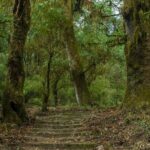
Chitwan National Park is one of those places where the setting does a lot of work for you. It’s in southern Nepal, where you get a mix of waterways, forest edges, and open areas that make it easier to spot wildlife than you might expect. On this 3-day guided safari, you’re not trying to cram in ten activities. You’re doing a few big ones, with enough time between them that the day doesn’t feel frantic.
The trip also handles a smart balance: animals in the wild, then culture with local people. A lot of safari tours treat culture like a side dish. Here, the Tharu village time and cultural show are part of the heart of the experience, not an afterthought.
And since the tour is capped at 10 travelers, the pace stays manageable. That matters in places like Chitwan where you might otherwise end up waiting for vehicles, juggling timing, or trying to hear your guide over a loud group.
You can also read our reviews of more tours and experiences in Kathmandu.
Kathmandu to Chitwan: the long drive that makes the trip
You start with a five-hour drive from Kathmandu to Chitwan. That’s not a quick hop, but it’s also part of why the experience feels like a real change of scene. The road trip gives you time to settle in and mentally switch modes—from city Nepal to jungle and river.
Once you arrive, the staff at your hotel/resort greet you and you transfer to your accommodation. Then you get the itinerary rundown so you know what’s coming next. That simple step makes the first day less stressful, especially if you’re arriving in Chitwan after a long journey.
Practical note: for many people, the drive time is the easiest place to get impatient. Plan to keep your expectations realistic. Use the travel hours to rest, hydrate, and get ready for an early start tomorrow.
Tharu Village Tour + jeep safari: culture that doesn’t feel tacked on
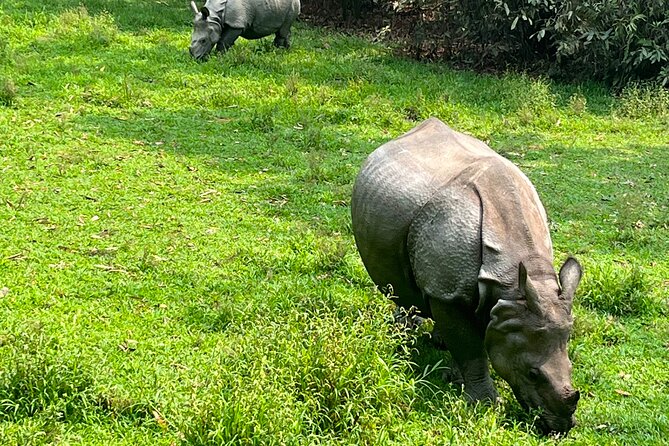
Day 1 is where the trip begins to feel like more than a wildlife checklist.
First up is the Chitwan Tharu Village Tour. The Tharu community is central to this region’s cultural identity, and the program is designed to show everyday life and local traditions, not just staged photo moments. After the village time, you’ll head out for a jeep safari—a format that’s great when you want to cover ground without waiting around for wildlife to come to you.
In the evening, the tour includes a Tharu Cultural Show. This is an important piece of the “culture meets nature” idea that Chitwan is known for. Even if you’re primarily here for animals, the show is a useful reminder that the park exists alongside people—not apart from them.
What I like most about this combo is the order: you learn the human context first, then you go look for animals in the same landscape. It changes how you read the environment.
Morning bird-watching: small moments that set the tone
Day 2 starts with a simple routine: early morning tea, then bird-watching. It’s one of those activities that feels gentle, but it matters a lot. If you come to Chitwan expecting only big animal sightings, dawn birding helps you notice the park’s smaller life—movement in the trees, calls you can’t identify yet, and the way the whole area wakes up.
Also, going early tends to make the experience more comfortable. You’re out before the day gets hot, and the light is usually better for spotting activity near water and forest edges.
Don’t worry if you aren’t a serious birder. This is more about being outside at the right time and learning what you can than getting every species name correct. The value is the rhythm: start calm, then build into bigger wildlife encounters.
Canoe time on the Rapti River: close-ups with crocodiles
One of the most memorable parts of this tour is the canoe ride along the Rapti River.
This is where you get wildlife that feels uncomfortably real—in a good way. The canoe route is set up so you can watch crocodiles sunbathing on the river banks and look for other wildlife along the waterline. Watching reptiles in motion would be exciting, but even just seeing them resting near the shore can be a powerful moment. It’s not a distant view from a safe platform. You’re there in the river environment.
The timing matters too. Day 2’s structure gives you birds in the morning, then canoe time later, so you don’t feel like you’re doing everything back-to-back with no break. That pacing helps you stay alert and actually enjoy the ride.
If you tend to get motion-sick, you might want to think ahead (water activities can feel different depending on the boat and water conditions). But the tour’s structure keeps it focused and short enough that it usually works well for most people.
Day 3: the return drive and what you’ll still get out of the day
Day 3 is simpler: you drive back from Chitwan to Kathmandu or Pokhara or Lumbini. The tour keeps your last day from turning into another long wildlife push. After two days of early starts and river time, that feels fair.
The main advantage here is mental: you’re not exhausted and overstimulated at the end. You finish with a clear plan and get moved back toward where you started—so you can keep your Nepal itinerary flowing.
If you’re combining this with other travel in Nepal, this kind of “reset day” is useful. You don’t leave Chitwan dragging yourself to the next stop.
Price and value: what $199 gets you (and what to budget for)
At $199 per person, this is priced in a way that’s often attractive for a 3-day guided safari with multiple activities. The value comes from what’s included:
- Meals: breakfast (2), lunch (2), dinner (2)
- Major activities: park time is included on scheduled days, plus Tharu Village Tour and a cultural show
- Convenience: pickup offered and a mobile ticket
- Group size: up to 10 travelers
What’s not included is also important. All drinks (soft and hard) and personal expenses are on you. That’s common, but it’s worth planning so you don’t end up shocked at the end of the trip.
And here’s the part that matters most: this price covers the structure. A good safari tour is rarely just about sitting in a vehicle. It’s about timing, coordination, and getting you in the right places with the right sequence. The feedback tied to smooth arrangements and professional help is exactly what you want for a place like Chitwan, where getting the logistics wrong can waste your limited days.
If you’re traveling on a budget but still want a guided experience that handles the big parts for you, this one makes sense.
Logistics that reduce stress: pickup, mobile ticket, and small groups
You’re not walking into uncertainty here. The tour includes pickup and uses a mobile ticket, so you’re not scrambling to figure out paper tickets or meeting details on the fly.
The maximum group size of 10 travelers also helps. Smaller groups usually mean:
- less waiting around
- easier communication
- fewer moments of confusion when switching vehicles or timing activities
And the tour runs with flexible daily hours listed between 7:00 AM and 9:30 PM, which gives you a sense that there’s a workable window for pickup and coordination.
One extra detail that stands out from the experience: the trip coordination around Mani in Kathmandu is repeatedly mentioned as smooth and helpful. That kind of local coordination matters more than people think. It turns a potentially complicated multi-day plan into something that feels straightforward.
What I’d watch for before you go
Chitwan safari tours are fun, but they aren’t built for comfort-maxing.
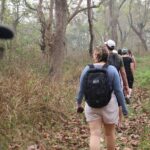
- Early mornings are real. You’ll start with tea and bird-watching, and you’ll be out when it’s still early. If you hate alarms, this will be the hardest part.
- Transit time is part of the deal. The five-hour drive from Kathmandu is long. Plan to rest during the ride.
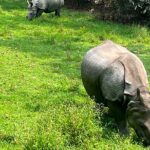
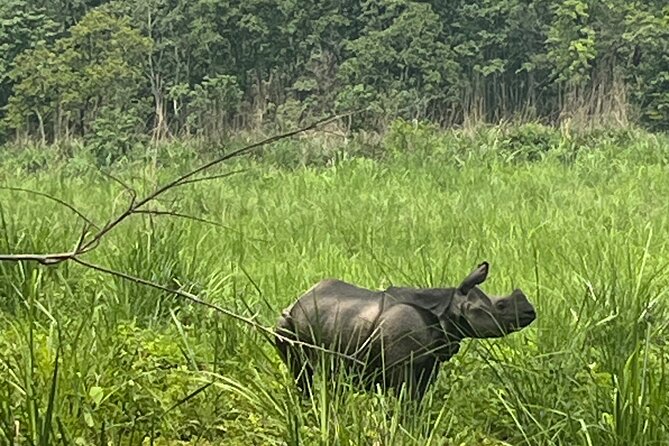
- Wildlife viewing is not guaranteed on cue. The tour is designed around wildlife activity, but animals don’t follow timetables. The bigger question is whether you can enjoy the ride itself—the forest, river, and nature time—even when sightings vary.
And if your personal travel style requires lots of downtime, note that this itinerary keeps you active day-to-day. It’s not a “lie by the pool” package. It’s designed around seeing Chitwan.
Who this safari tour is best for
This is a great fit if you:
- want a guided introduction to Chitwan without building the logistics yourself
- enjoy a balance of wildlife + local culture
- like group travel that stays small (not big and chaotic)
- have limited time and want a 3-day structure that still feels complete
It’s also a good option if you’re already in Nepal and want a break between other activities. People who use Chitwan as a reset often enjoy it because the focus is on animals, river scenery, and the Tharu cultural program.
Should you book this 3-Day Guided Safari in Chitwan?
If you want a practical, well-organized way to experience Chitwan in a short window, I’d say yes—especially if you value smooth coordination and want both jeep safari and Rapti River canoe time. The included meals and the small group size are real comfort benefits that make the $199 price feel fair.
You should think twice if you strongly dislike early mornings or long drives. Also, if you’re only interested in one kind of wildlife and don’t care about culture, you may find the Tharu village and show less relevant. But if you like the idea of seeing how local life sits next to the natural world, this tour hits the right notes.
FAQ
Is pickup included on this tour?
Yes, pickup is offered. You’ll be transferred from Kathmandu toward Chitwan and then handled according to the tour schedule.
How long is the 3-day safari?
The tour runs for about 3 days.
What’s included in the price?
The included items are breakfast (2), lunch (2), and dinner (2), along with the scheduled tour activities described for each day. Drinks and personal expenses are not included.
Are entrance tickets included?
Admission tickets are listed as free for the park-related portions on the scheduled days, and the Tharu cultural activity is marked included.
What activities are included in Chitwan?
The tour includes a Tharu Village Tour and Tharu cultural show, a jeep safari, bird-watching in the morning, and a canoe ride along the Rapti River.
Where do you return on Day 3?
On Day 3, you drive back from Chitwan to Kathmandu or Pokhara or Lumbini.
How big is the group?
The tour has a maximum of 10 travelers.
What’s the cancellation rule?
You can cancel for a full refund up to 24 hours before the experience start time.
—
If you tell me your travel month and whether you prefer animals or culture most, I can suggest how to plan your days around this so you get the best odds for sightings and the most comfort.