REVIEW · CHIANG MAI
2- Days in Doi Inthanon National Park
Book on Viator →Operated by TEE WATERTOWN · Bookable on Viator
A mountain sunrise beats most plans. This two-day Doi Inthanon trip pairs early light with real trekking, plus the kind of small hill-tribe stops that make Chiang Mai feel personal. I especially liked the chance to travel with guide Tee Watertown and the blend of Mae Pan Waterfall hiking and a bamboo-and-wood homestay in the rice fields. The only real downside: it’s not a couch-style tour, so you’ll want moderate fitness and good shoes.
One thing I’d do differently next time is plan your day around the effort. Day 1 includes a waterfall hike with a tough starting point, and Day 2 has a jungle walk that’s meant to be paced, not rushed. If you’re hoping for mostly flat sightseeing, this is still doable, but you’ll be moving more than you might expect.
That said, the pay-off is strong. You’re inside Thailand’s highest mountain area, you get sunrise timing that’s earlier than most people manage on their own, and the history stop at the Royal stupa adds depth without slowing the day down too much.
In This Review
- Key moments you’ll remember
- Why Doi Inthanon feels different than other day trips
- Ban Kat market stop: small, useful, and quick
- Coffee hut with Karen hill-tribe roasting: slow down for 20 minutes
- Mae Pan Waterfall trek: short hike, tough first steps
- Ban Rabiang Na Pa Bong Piang: an overnight in rice fields (season matters)
- Day 2 at 5:50: sunrise drive and mountain breakfast
- Kew Mae Pan: jungle trekking and viewpoints
- Stupa of Phra Mahathat: the royal story behind the views
- The value of $167.79 for two days in the park
- Pickup, mobile tickets, and group size: the practical stuff
- Who this tour suits best
- A realistic heads-up for your dates
- Should you book this Doi Inthanon two-day trip?
- FAQ
- What’s included in the price?
- Is pickup included?
- How long is the tour?
- What time does the sunrise portion start?
- Where do you stay overnight?
- What kind of fitness level do I need?
- What are the main hikes like?
- Is insect spray provided?
- Is there a mobile ticket?
- Can I cancel for a full refund?
Key moments you’ll remember
- Tee Watertown as guide: the kind of guiding that turns short stops into useful moments, not just check-the-box photos.
- Ban Kat market + Karen hill-tribe coffee: simple, local flavors before you start hiking.
- Mae Pan Waterfall: a short hike time, but the climb begins tough.
- Bamboo-and-wood homestay in rice fields: an overnight in a setting that changes with the season.
- Kew Mae Pan jungle trekking + viewpoints: deep green hiking capped by photo-ready scenery.
Why Doi Inthanon feels different than other day trips
Doi Inthanon National Park is the big-name nature base near Chiang Mai because it’s tied to Thailand’s highest peak. That matters, because the air, the vegetation, and the views feel like you’re climbing into a different climate world. This tour leans into that: you’ll spend real time moving through the park rather than only driving past it.
What I liked most is that the route doesn’t just chase scenery. It builds from food stops (market snacks, organic coffee), to physical effort (waterfall hike), to an overnight that connects you with the rice-field setting. Then Day 2 starts before sunrise and ends with a cultural stop at the stupa—so it doesn’t feel like two separate excursions stitched together.
You can also read our reviews of more tours and experiences in Chiang Mai.
Ban Kat market stop: small, useful, and quick
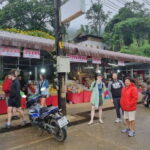
The tour begins with Ban Kat, an outdoor local market where you can buy food and drinks for the day. It’s not a long linger—think about 15 minutes—so it works best as a snack run and a chance to read the place with your own eyes.
Here’s how I’d use it: grab something easy to carry and eat later. This matters because you’ll be hiking and trekking, and you don’t want to rely on finding the right snack at the wrong time. The market is outdoor, so it also feels more casual and real than covered, tourist-style markets.
Coffee hut with Karen hill-tribe roasting: slow down for 20 minutes
Next comes a coffee hut with local coffee described as organic. The owner is from the Karen hill tribe and the coffee is grown and processed by hand, with everything done manually. Even if you don’t plan to become a coffee person on this trip, this stop is worth it because it gives context—how the coffee gets from plant to cup.
You can drink as much as you want here, so I’d treat it like a breather before the hike. If you’re caffeine-sensitive, pace yourself. And if you’re the type who likes learning small details, this is one of those moments that makes the day feel more grounded than another roadside stop.
Mae Pan Waterfall trek: short hike, tough first steps
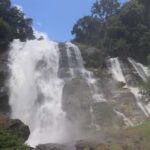
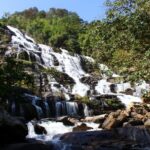
Mae Pan Waterfall is the highlight of Day 1 for many people, and it’s easy to see why. The tour says it’s the highest waterfall in Chiang Mai, over 100 meters, and you’ll hike for about 20 minutes to reach it. It’s not long in distance, but the starting point is described as hard.
That’s the key detail. You should be ready for uneven ground and a climb that gets your legs going fast. If you go in thinking it’ll be a casual stroll, you’ll feel it in the first stretch. On the plus side, once you get there, you have a longer visit time—around 3 hours total at this stop—so it’s not just a quick peek and leave.
Practical tip: wear shoes with grip and bring a small layer. In forested areas around Doi Inthanon, weather can shift, and humidity can make “short hikes” feel longer than you expect.
Ban Rabiang Na Pa Bong Piang: an overnight in rice fields (season matters)
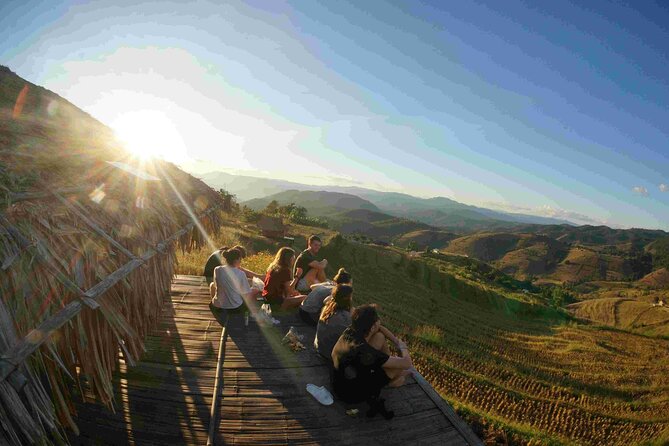
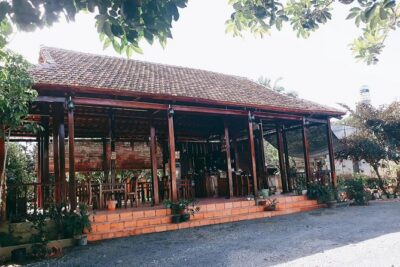
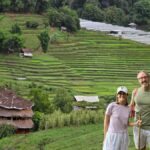
The next stop is Ban Rabiang Na Pa Bong Piang, where the focus is rice terrace scenery and an overnight homestay. The setting is described as wood-and-bamboo housing in the rice fields. And here’s the season factor that affects what you see: from December to around May, there’s no rice in the fields.
So don’t expect to open your window and see lush green paddies if you’re traveling during those months. Instead, you’re getting the terrace views plus the experience of staying in a local-style structure in that agricultural landscape. That difference is actually part of the value—seeing how the place looks off-season, not only at peak season.
If you like authentic travel that isn’t staged, this is the part of the tour that can feel most real. You’ll probably remember the simple setting long after the photos.


Day 2 at 5:50: sunrise drive and mountain breakfast
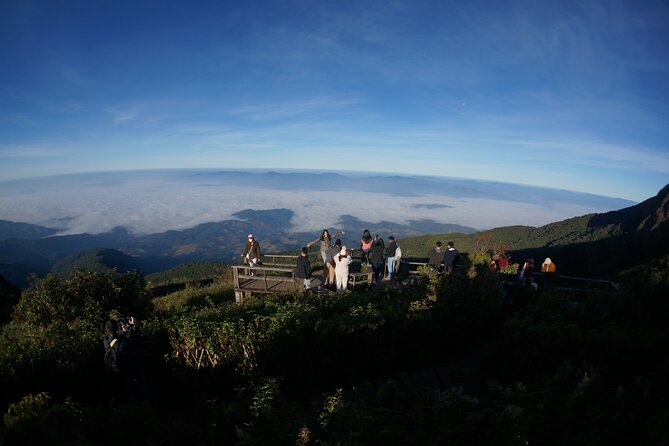
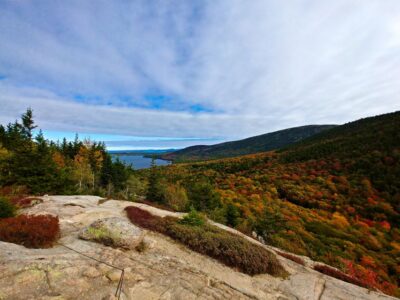
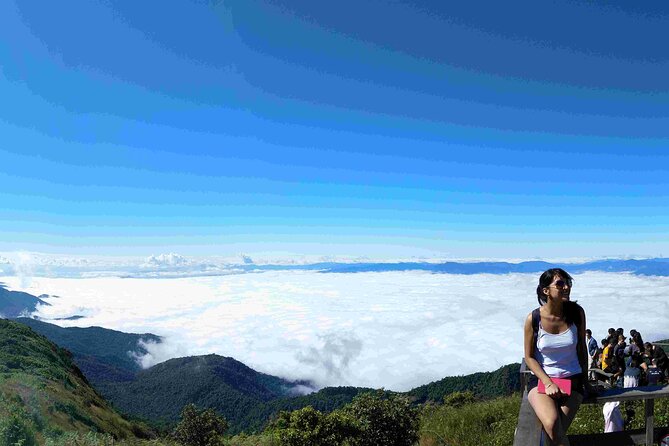
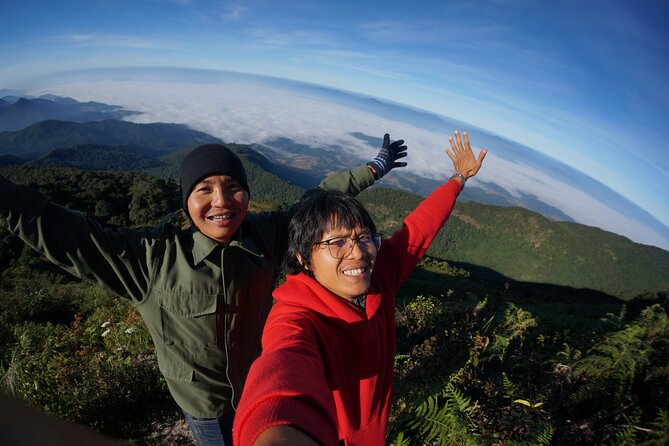
Day 2 starts early—around 5:50 AM—with a car ride to catch sunrise. The description is clear: you’ll look out over mountains where you can see the sun and clouds, and then you’ll have breakfast on site afterward.
Early morning matters here. At this hour, the views tend to feel calmer and more dramatic, and you’re less likely to deal with the heat that builds later in the day. It also sets the tone: you’re in “let’s earn the view” mode, not “we’ll see what happens.”
The breakfast time is about 1 hour total. I’d treat it as fuel, not a full meal marathon. Eat enough to keep your energy up for the jungle hike later, but don’t overdo it.
Kew Mae Pan: jungle trekking and viewpoints
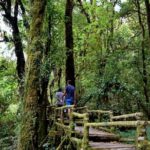
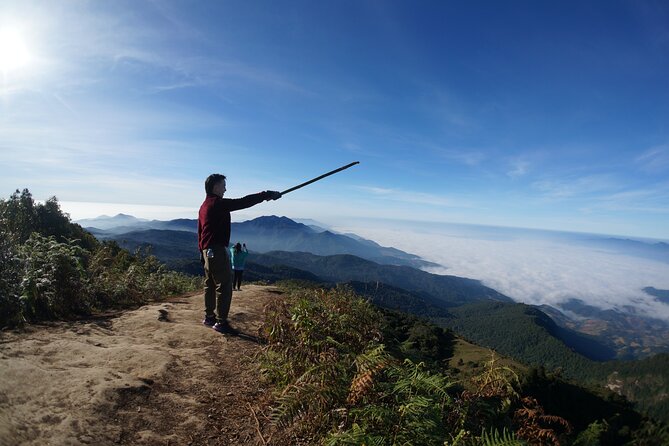
After sunrise, you move to Kew Mae Pan, where the tour describes a trek into the deep jungle. You’ll see big trees, a stream, and birds along the way. Then you reach view points where you can take in the scenery that looks like what you’d find in a gallery.
The total time is about 3 hours. That’s a nice length because it feels like a real walk without turning the day into a marathon. Still, “deep jungle” is a hint: expect uneven paths and a more physical pace than a city walk. If you’re traveling with moderate fitness, you should be fine as long as you take your time.
What I’d watch for is how humidity affects your stamina. Even if you’re not far from the road, jungle trekking can feel slower and heavier because the environment does the work of draining energy.
Stupa of Phra Mahathat: the royal story behind the views
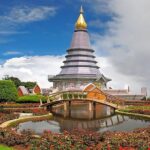
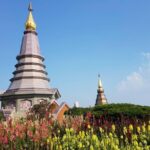
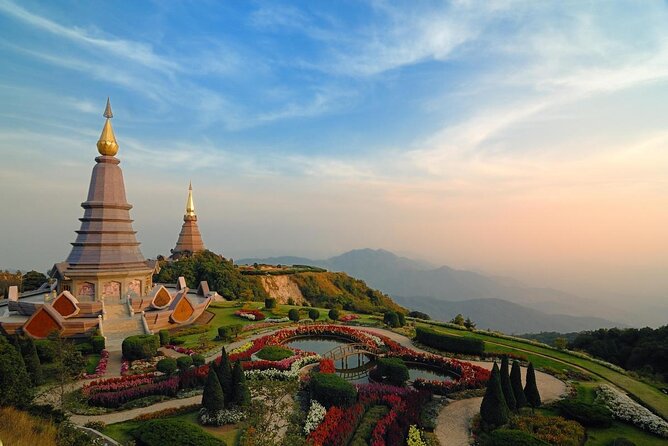
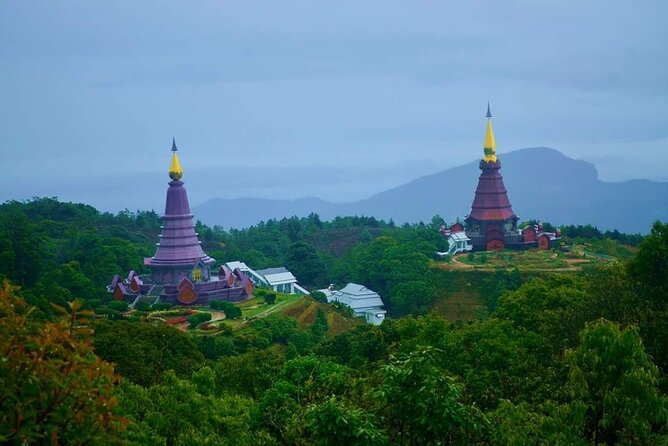
The last part of Day 2 includes another stop in Doi Inthanon National Park focused on the stupa called Stupa of Phra Mahathat. The tour explains it was constructed by the Royal Thai Air Force on the occasion of Queen Sirikit’s 60th Birthday Anniversary in 1992.
This is an underrated piece of the tour. When most people visit national parks, they see nature first and culture second. Here, the stupa gives you a clear historical thread without turning the day into a museum. It’s also a change of pace after trekking.
Even if temples aren’t your main reason for traveling, it’s worth a stop because it connects the landscape to a specific moment in Thai history. And the stupa structure also tends to frame views nicely, so you get culture and scenery in one stop.
The value of $167.79 for two days in the park
At $167.79 per person, the big question is: what are you actually paying for?
You’re paying for the full two-day flow inside Doi Inthanon National Park with multiple included meals: dinner, breakfast, and lunch (2). That’s not a small detail. Food costs add up fast when you’re hiking, and having it handled makes the itinerary feel smoother.
You’re also paying for early sunrise timing (5:50 AM start), guided trekking, and transportation with pickup offered. And the tour caps at a maximum of 50 travelers, which usually helps keep things from feeling chaotic—especially across morning and hiking transitions.
This isn’t the kind of price you should compare only against a taxi ride and a map. You’re buying time, coordination, and the guide’s ability to keep you on track through waterfall and jungle segments. If you’re the type who gets more enjoyment from moving through places than just driving to viewpoints, this route is a good match.
Pickup, mobile tickets, and group size: the practical stuff
The tour includes pickup offered and mentions a mobile ticket, which is convenient if you don’t want to juggle paper. Group size is capped at 50 travelers, so you’re not dealing with an endless line of people at every stop.
That said, remember the tour includes trekking and hike time. So even with group logistics handled, you still need to show up prepared: shoes with grip, water planning, and a willingness to walk at times when you’d rather be sitting.
Also, insect spray is not included. If you’re sensitive or you know you get bitten easily, bring your own. You’ll thank yourself later, especially in jungle-adjacent areas.
Who this tour suits best
This is a strong fit if you want a balanced mix of nature and culture in Doi Inthanon National Park and you don’t mind early starts. It’s ideal for people who enjoy short hikes with meaningful effort, like the waterfall push and the Kew Mae Pan trek.
If you’re traveling with kids, the description says moderate physical fitness is required, and the waterfall starting point is called hard. That doesn’t automatically rule out families, but it does mean you should think carefully about age, pace, and whether your group can handle uneven terrain.
It also fits solo travelers and couples well because the itinerary is structured and meals are included, but it won’t feel like a private guide experience. The cap of 50 travelers keeps it organized, just not exclusive.
A realistic heads-up for your dates
One review mentioned the tour coincided with a national holiday around New Year’s Eve and that Thai citizens had free entry. I can’t predict what that will do for crowds every year, but it’s a good reminder: around big holidays, popular natural sites can get busier than normal. If you want quieter hiking and more breathing room, consider traveling outside major holiday windows.
Should you book this Doi Inthanon two-day trip?
Book it if you want a guided two-day experience that actually gets you into Doi Inthanon’s key moments: the waterfall hike, the sunrise views, a jungle trek to viewpoints, and a cultural stop at the Stupa of Phra Mahathat. The included meals and the structured timing make it feel like good value for your time in Chiang Mai.
Skip it (or choose another style of tour) if you’re hoping for mostly flat sightseeing, or if you don’t want any challenging first steps on the waterfall trail. This is a nature-and-walk itinerary. If you can accept that, you’ll enjoy it.
If you do book, pack for hiking weather shifts, bring insect spray, and plan to move at a steady pace. You’ll spend less time figuring things out—and more time earning those early mountain views.
FAQ
What’s included in the price?
Dinner, breakfast, and lunch (2) are included. Soft drinks and alcohol are not included.
Is pickup included?
Pickup is offered.
How long is the tour?
It’s listed as 2 days (approx.).
What time does the sunrise portion start?
The Day 2 departure is described as 5:50 AM.
Where do you stay overnight?
You overnight at a homestay in the rice fields at Ban Rabiang Na Pa Bong Piang.
What kind of fitness level do I need?
Travelers should have a moderate physical fitness level.
What are the main hikes like?
Mae Pan Waterfall includes about 20 minutes of hiking to reach the waterfall with a hard starting point. Kew Mae Pan includes about 3 hours of jungle trekking to viewpoints.
Is insect spray provided?
No, insect spray is not included.
Is there a mobile ticket?
Yes, the tour includes a mobile ticket.
Can I cancel for a full refund?
Yes—free cancellation is offered. You can cancel up to 24 hours in advance for a full refund, based on local start time.