REVIEW · HANOI
4-Day Jungle Trekking in Ba Be National Park
Book on Viator →Operated by Mr Linh's Adventures · Bookable on Viator
Jungle trekking with homestays beats tour buses. This Ba Be National Park experience mixes real walking with Ba Be Lake boat time, cave visits, and hands-on moments with Tay, Dzao, and Hmong communities. I love that it runs as a proper door-to-door tour from Hanoi with an experienced local English-speaking guide, so the hard part is the trail, not the planning.
I love the homestay rhythm too: you sleep three nights in village settings (starting with a Tay stilt house and then moving into other ethnic communities), and you get 10 included meals, including time to share corn wine with Hmong hosts. The one possible drawback is physical: you’ll cover about 16 miles (25 km) with at least one day that includes steep, rough terrain and a stream crossing—so pack sturdy shoes and don’t treat it like a stroll.
In This Review
- Key highlights worth getting excited about
- Why Ba Be Jungle Trekking Feels More Real Than a Quick Tour
- Hanoi to Ba Be: The Culture Museum Stop That Sets the Tone
- Day 1: Ba Be Lake Arrival, Tay Stilt House Night, and an Easy First Night
- Day 2: Coc Toc Village, Pe Lu Stream, and the Steep-Terrain Reality Check
- Day 3: Dzao Clothing Photos, Black H’mông Trails, and Dau Dang Waterfall
- Day 4: Hua Ma Cave’s Stairs, Stalactites, and the Drive Back to Hanoi
- Homestays, Meals, and Corn Wine: What It’s Really Like
- Trekking Gear and Boat-Day Comfort (So You Don’t Regret Your Bag)
- Fitness and Trail Reality: 25 km With a Few Hard Edges
- Price and Value: Why $679 Can Make Sense Here
- Who This Tour Suits Best
- Should You Book This Ba Be Jungle Trek?
- FAQ
- FAQ
- What time does the tour start?
- Where does the tour begin in Hanoi?
- How much hiking is included?
- Is this tour good for beginners?
- What’s included in the meals?
- Do I need a passport?
- Is the price refundable if I cancel?
Key highlights worth getting excited about
- Boat + hike combo on Ba Be Lake and national park trails
- Three nights in different homestays (Tay stilt house to Dzao village setting)
- Coc Toc, black H’mông, and other villages you can actually reach by foot
- Cave time, including Hua Ma Cave with its huge stalactites and stalagmites
- Meeting people in community spaces, including lunch with Mr Pirate
- 10 meals included, which matters when you’re moving all day
Why Ba Be Jungle Trekking Feels More Real Than a Quick Tour
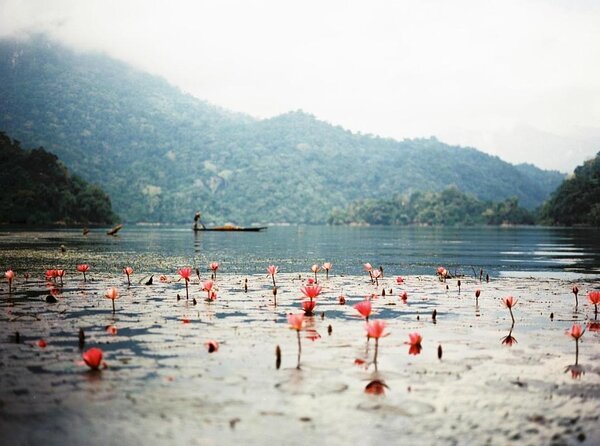
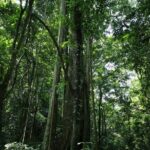
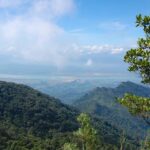
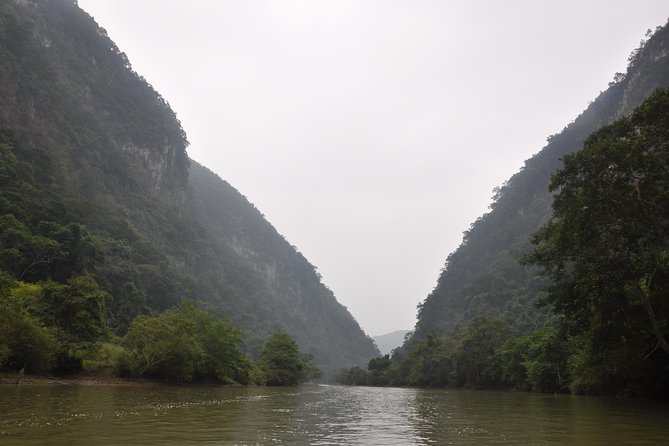
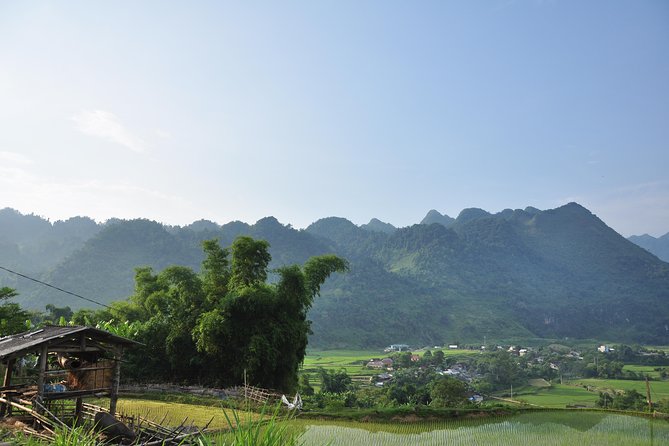
Ba Be National Park isn’t about ticking boxes. It’s about moving through the same hills and valleys that local communities live with. This route turns the park into something you can feel: the climb, the forest shade, the river crossings, the payoff views, and then—crucially—the village meals that make the day more human than scenic.
What makes this trip especially workable is the private, all-inclusive style. You’re not trying to figure out transport between distant points on your own. You’re not negotiating cave tickets on the road. You’re not stuck hunting for food once the day gets active. Instead, the itinerary has structure: hiking days, homestay nights, and set time for Ba Be Lake and caves.
Also, at this price point (listed at $679 per person), you’re not just paying for a guide—you’re paying for the whole machine: lodging for three nights, guiding, equipment for the trek/lake portions, and meal coverage.
You can also read our reviews of more tours and experiences in Hanoi.
Hanoi to Ba Be: The Culture Museum Stop That Sets the Tone
Most people think of a jungle trek as “walk, sweat, repeat.” This one starts by helping you understand the people you’ll meet later. After you depart Hanoi (start time is 8:00 am), you stop at the Museum of the Cultures of Vietnam’s Ethnic Groups. It’s a straightforward way to get context before you hit the hills and homestays.
You’ll also have a local restaurant lunch before the longer drive to Ba Be. The drive matters here because Ba Be is about 240 km northeast of Hanoi. Plan for a travel day feel on day one, even though you’ll still arrive with enough time for a relaxed afternoon in the park area.
Practical note: bring your passport. The trip requires it, and it’s easiest to handle on day one rather than later when you’re already sweating.
Day 1: Ba Be Lake Arrival, Tay Stilt House Night, and an Easy First Night
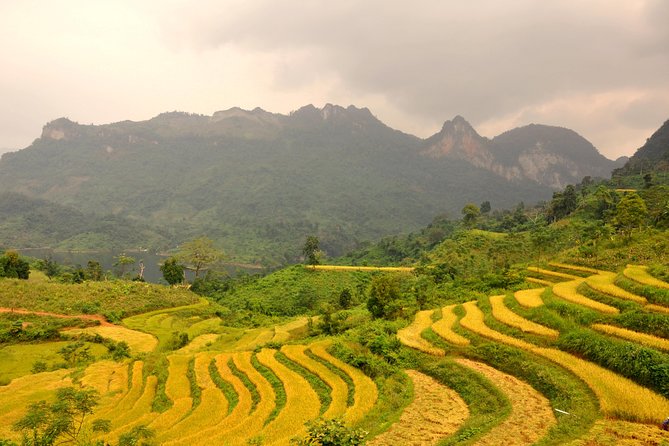
Day one is designed to land you in the experience without frying your legs on arrival. You reach the Ba Be area in the early afternoon, get time to rest, and then you settle in for the night at a Tay minority family’s traditional wooden stilt house.
That homestay start is more than a cute photo moment. Tay stilt housing reflects how people adapt to the local environment, and sleeping there gives you a calmer first taste of village life before you begin deeper trekking the next day. You’ll have dinner and breakfast included as part of the overall meal plan across the trip.
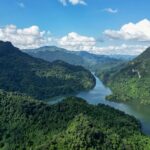
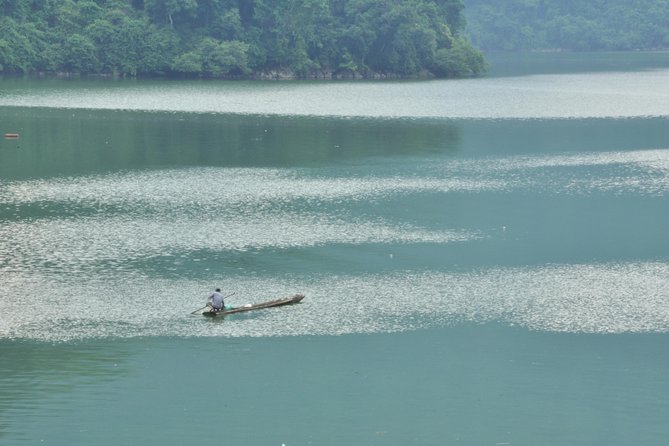
You’ll also have time for Ba Be Lake as part of the overall experience (boat time is a stated highlight). That’s a big deal because it balances the hiking with something slower—water views, changing angles of the park, and a chance to reset your body.
Day 2: Coc Toc Village, Pe Lu Stream, and the Steep-Terrain Reality Check
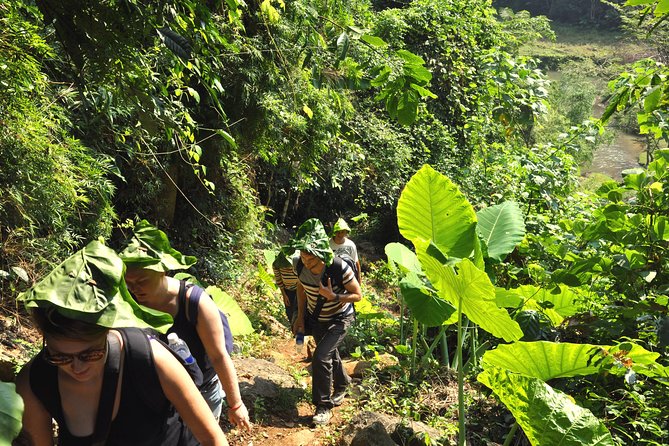
If day one is about settling in, day two is about earned views. You head to Coc Toc Village to meet the Tay community. The Tay here are known for fishing on Ba Be Lake, so the lifestyle you’ll see isn’t abstract—it connects directly to how they eat and how they spend their days.
After the village time, you cross the Pe Lu Stream and then start moving through rough, steep terrain. This is the day that best matches what the tour describes as a real workout. The trail can be uneven, and you’ll be using energy more than just “counting steps.”
The payoff comes as you gain height. You’ll get rolling countryside views that feel different from the waterline perspective. Then you stop for a picnic lunch in a H’mong ethnic village. It’s a nice rhythm: village learning, physical effort, then a meal break that keeps you from running on fumes.
Gear note for this day: the tour provides dry bags and life jackets plus trekking gear and sports equipment. Still, you’ll want your own basics—comfortably worn walking shoes matter most. You can have the best trekking shoes ever, but if they’re new and stiff, you’ll notice it after day two.
Day 3: Dzao Clothing Photos, Black H’mông Trails, and Dau Dang Waterfall
Day three brings a different pace. You start with breakfast at the homestay and then there’s time to try on traditional Dzao ethnic clothing. The goal isn’t just a souvenir photo—it’s a respectful, hands-on way to understand identity and everyday cultural expression. (And yes, it’s fun to see yourself styled in a way you usually won’t.)
After that, you set off on slightly gentler trails compared with day two. You’ll visit a black H’mông ethnic village and then descend through forest trails. This shift—up and down but less punishing than the steep day before—helps you keep enjoying the scenery instead of just surviving it.
Next comes Dau Dang Waterfall, located on the border of Bac Kan and Tuyen Quang. Even if you’ve seen waterfalls elsewhere in Vietnam, the context here is different because you’re reaching it by foot, inside the national park area rather than from a road viewpoint.
Then there’s a standout human moment: lunch with Mr Pirate, an actor known from the Ba Be Lake Pirate Movie. It’s not just a gimmick meal stop. It adds a local-pop-culture layer to a trip that’s already built on meeting multiple communities.



Day 4: Hua Ma Cave’s Stairs, Stalactites, and the Drive Back to Hanoi
On day four you head back toward Hanoi, but not before a cave visit. First on the list is Hua Ma Cave, which is described as newly accessible, with a concrete staircase route to descend and view the formations.
The atmosphere here is the point: the cave has thousands of stalactites and stalagmites, and the experience is framed with local beliefs and legends about soldiers’ spirits being set free. Even if you take legends with a light touch, caves work best when you slow down, look up, and accept that you’re standing inside something older than your trip.
After you explore, you stop briefly for lunch at a local restaurant on the way and then return to Hanoi. You’re typically back around 17:30, and you’ll be dropped off at your hotel.
One more cave detail: Puong Cave is listed as part of the overall experience. Depending on the route plan, that cave time can be worked into the multi-day schedule alongside Hua Ma, keeping your day flow moving without turning the trip into a museum day.
Homestays, Meals, and Corn Wine: What It’s Really Like
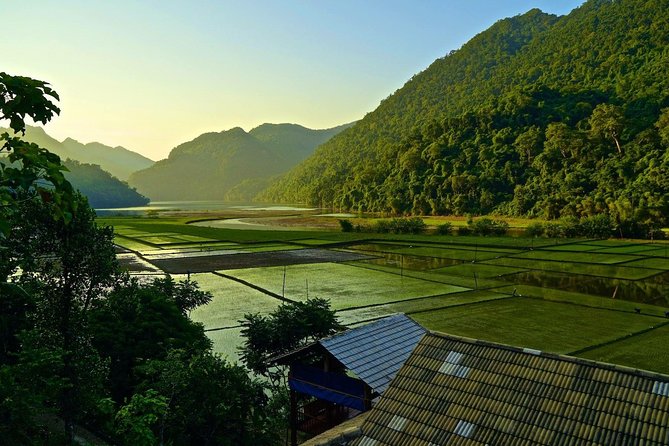
This trip gives you three homestay nights. That’s a big part of the value, because village lodging is where the experience becomes more than sightseeing.
Food is included across the full plan: 10 meals total, with 3 breakfasts, 4 lunches, and 3 dinners. On top of that, you’ll get a chance to share corn wine with Hmong people. For many visitors, this is one of the most memorable cultural exchanges, partly because it happens while you’re eating and talking instead of during a performance-style moment.
What you should know practically: homestays can be basic compared with a hotel bed. You should go in expecting simple village accommodations, not luxury. The upside is that you’re staying where the trail ends for the day, which makes the trek feel connected instead of like you’re sleeping in the wrong place.
Trekking Gear and Boat-Day Comfort (So You Don’t Regret Your Bag)
The tour includes equipment you’ll likely need for the active parts: tents, dry bags, sports equipment, and life jackets. That’s a helpful safety and comfort layer, especially for the lake portions and any wet or muddy trail segments.
Still, your personal packing list is the difference between a good trek and a miserable one. The essentials to bring include:
- light, comfortable outdoor clothes
- insect repellent and sunblock
- a raincoat and sun hat
- a small day pack for hikes
- comfortable walking shoes
And because you’re moving through forest and water-adjacent areas, you’ll want to keep change of clothes in mind. You won’t want to be wringing wet gear out all night and then re-wear it in the morning.
Fitness and Trail Reality: 25 km With a Few Hard Edges
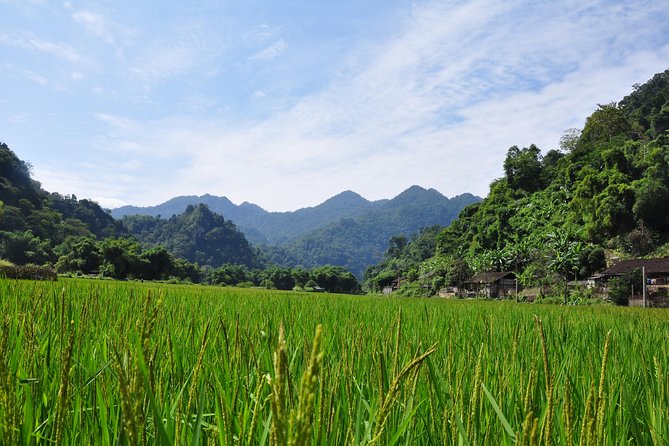
The trip covers about 16 miles (25 km) across four days. That number sounds manageable until you remember: the terrain isn’t flat, and you’ll have steep sections on at least one day.
The tour’s fitness level is listed as moderate. What that means in real terms is:
- you should be comfortable hiking for hours on uneven ground
- you should be able to handle steep terrain on day two
- you’ll benefit from a relaxed pace and trekking shoes with grip
If you’re used to city walking only, this might feel like a step up. If you already do weekend hikes at home or on vacation, you’ll be fine—just don’t underestimate the “steep + damp + slippery” combo that can happen in jungle areas.
Price and Value: Why $679 Can Make Sense Here
At $679 per person, you’re paying for more than a guide. Here’s what’s built into the price:
- private tour format (only your group participates)
- experienced local English-speaking guide
- three nights in homestays
- round-trip transfers with pickup from your Hanoi hotel area
- all sightseeing tickets included
- meal coverage across the trek and cave/lake days
- essential trekking/lake equipment like life jackets and dry bags
- 24/7 hotline support
What’s not included is also important:
- beverages
- tips/gratuities
- travel insurance
- personal expenses
So the value equation is pretty simple. If you were to DIY this with separate transport, lodging, and guide time, the costs would add up quickly. Plus, DIY increases the chance you spend your vacation solving logistics instead of enjoying the park.
Who This Tour Suits Best
This is a smart fit if you want:
- authentic village interaction with Tay, Dzao, and Hmong communities
- homestay nights instead of hotel hopping
- a mix of hiking, Ba Be Lake time, and cave visits
- a private experience with your own group and door-to-door support
It’s also a good match if you like structured days. You get set meals, set stops, and set hiking windows. That takes pressure off and keeps you from feeling like you need to “figure it out” each day.
This may be less ideal if you want a fully cushioned, low-effort nature trip. The steep segments and the stream crossing mean you’ll feel the trail in your legs.
Should You Book This Ba Be Jungle Trek?
I’d book it if you’re looking for a Vietnam trip where nature and people meet in the same day. The homestays are the core, the meals keep you fueled, and the combination of lake, caves, and multi-village trekking gives you variety without randomness.
If you’re the type who hates wet shoes, steep climbs, or basic accommodation standards, then choose a more relaxed format. But if you can handle moderate hiking and you enjoy real conversations over quick checkpoints, this is the kind of itinerary that stays with you.
FAQ
FAQ
What time does the tour start?
The start time is 8:00 am.
Where does the tour begin in Hanoi?
Pickup is offered, with door-to-door transfers included, and you’ll be dropped back at your hotel on the return to Hanoi.
How much hiking is included?
You’ll hike around 16 miles (25 kilometers) over the course of the trek.
Is this tour good for beginners?
It’s listed as requiring moderate physical fitness, and it includes steep, rough terrain and a stream crossing, so you should be comfortable hiking for hours.
What’s included in the meals?
The tour includes 10 meals: 3 breakfasts, 4 lunches, and 3 dinners.
Do I need a passport?
Yes. It’s essential to bring your passport on this trip.
Is the price refundable if I cancel?
This experience is non-refundable and cannot be changed for any reason.