REVIEW · YALA NATIONAL PARK
Yala National Park Morning or Afternoon Leopard Safari
Book on Viator →Operated by Yala Safari - Group Safari - Private Safari Tours by WanderLuxe · Bookable on Viator
Leopards are hard to schedule. This Yala National Park safari stacks the odds with 4×4 jeeps and guidance aimed at leopard sightings in Sri Lanka’s top predator country. You’re out for a half day, driving through the park’s mix of forest and open areas where other wildlife often shows up too.
I like that the experience is built around comfort and local expertise: you get hotel pickup and drop-off, plus an experienced driver-guide who’s there to read the terrain and the animals’ patterns. The ride is planned for a practical 4 to 5 hours, not a rushed sprint.
One thing to think about: the $18 price is only part of the cost. National Park entrance tickets and a service charge are not included, and you’ll also want to plan for the fact that Yala can mean lots of other jeeps on the same animal trails.
In This Review
- Key things that make this Yala leopard safari different
- How Yala’s leopard safari really works in real life
- The 4×4 jeep and pickup: where the value is felt
- Tissa Wewa on the way: a small stop with a big mood shift
- Yala National Park time: what you’ll spend your hours doing
- Spotting odds: how to improve your chances without losing your mind
- Price and logistics: budgeting for the safari you actually pay
- Comfort tips that matter during a 4–5 hour jeep safari
- Sustainability and conservation: what the tour claims to support
- Two real-world considerations I’d plan for
- You might see more jeeps than animals
- Contact after the tour can be a problem for some people
- Who should book this Yala leopard safari (and who might not love it)
- Should you book this Yala leopard safari?
Key things that make this Yala leopard safari different
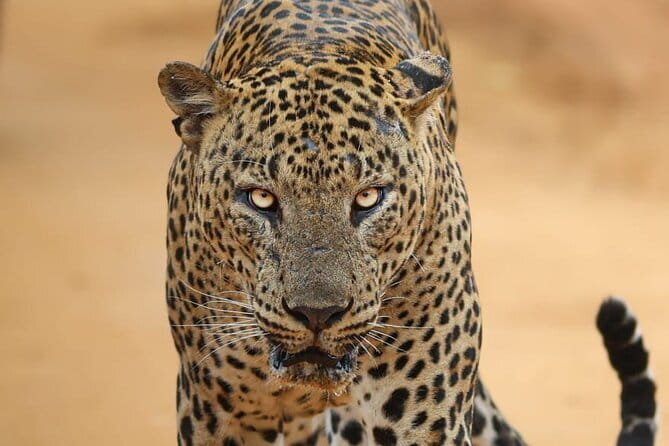
- Focused leopard mission with an expert driver-guide and a route designed around Yala’s high leopard density
- Hotel pickup and drop-off so you don’t burn vacation time figuring out transport
- Tissa Wewa stop on the way for a quick break before you reach the park
- Luxury 4×4 comfort for the hours of bumpy roads and real heat
- Upfront budgeting matters because park entry and service charges are separate
- Group size can affect the feel, since the activity allows up to 100 travelers
How Yala’s leopard safari really works in real life
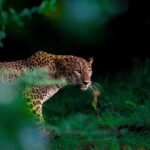
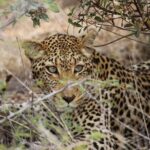
If your main goal is a leopard photo, you need two mindsets. First: leopards are often quiet and hidden. Second: you’re not in charge of timing once you’re in the park. What you’re really buying is smart searching with the best chance of encountering them during your time window.
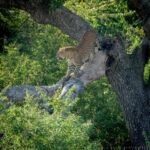
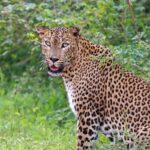
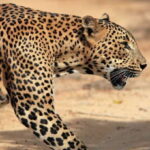
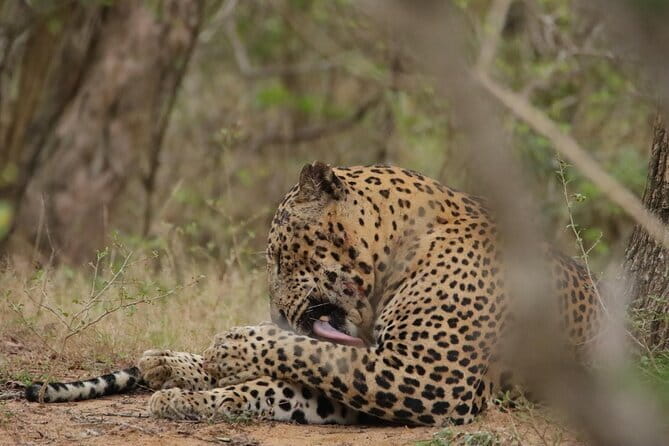
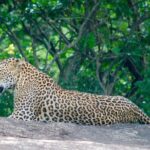
Yala is famous for having one of the highest leopard densities in the world. That matters because it shifts the odds compared to going somewhere where you’re guessing whether predators exist at all. It doesn’t guarantee anything, but it gives your guide something to work with.
The other reality check is heat. In hot conditions, animals tend to conserve energy and may move differently than you’d expect. That can mean your time is spent driving, scanning, and waiting. On a day like that, it also isn’t surprising to see more jeeps than you’d like. If you’re the type who gets restless, set expectations now and make patience part of the plan.
You can also read our reviews of more tours and experiences in Yala National Park.
The 4×4 jeep and pickup: where the value is felt
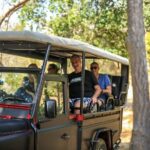
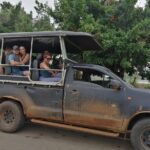
This safari uses a comfortable 4×4 safari jeep with an experienced guide/driver. That’s a big deal in Yala because the roads and track conditions can be rough, and you’ll spend a lot of time looking out for animals instead of checking your footing. A smoother, stable ride helps your day feel like an actual safari, not a transfer.
You also get complimentary hotel pickup and drop-off. For Sri Lanka trips, transport logistics can eat half a day if you’re not careful. Here, you can treat this like an organized outing: get collected, go to Yala, then get returned without sorting rides at the last minute.
One more note: the group size is capped at 100 travelers. That doesn’t mean 100 people are crammed into one jeep, but it does suggest the safari day can be shared with other groups. Practically, you may notice that when an animal is spotted, multiple jeeps can converge near the same point.
Tissa Wewa on the way: a small stop with a big mood shift
Your drive includes a chance to see Tissa Wewa on the way to Yala National Park. This is the kind of stop that’s easy to overlook in planning, because it’s not the headline. Still, I like having a mid-journey sight to reset your attention before you enter the more focused, animal-scanning phase.
Think of it as a breathing space. Before you’re staring out for hours, it helps to have a quick visual moment that’s not just “road to park.” Even if it’s brief, it adds texture to the morning or afternoon, and it can help you feel like the day is more than a single destination.
Yala National Park time: what you’ll spend your hours doing
Once you’re in Yala, the safari experience is guided and driven with one main objective: locating leopards. Your guide leads you through different kinds of terrain, including areas that can feel like lush forest edges and areas that open up visually for scanning.
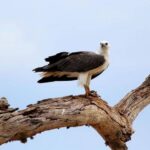
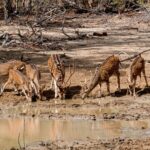
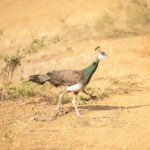
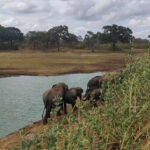
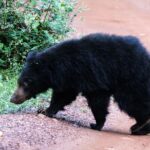
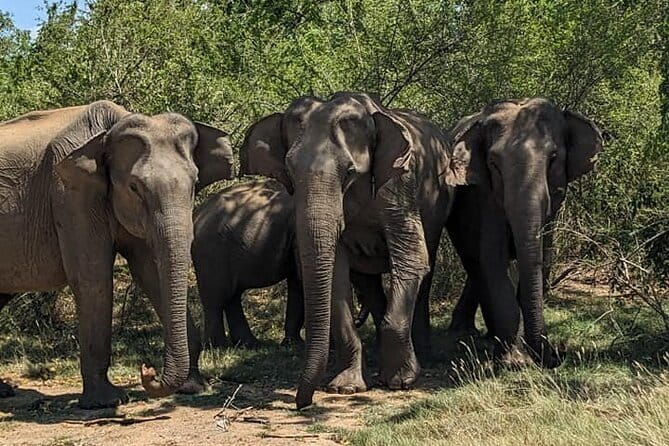
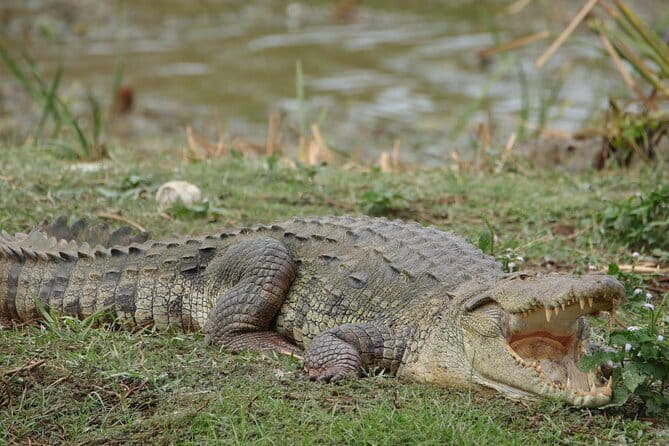
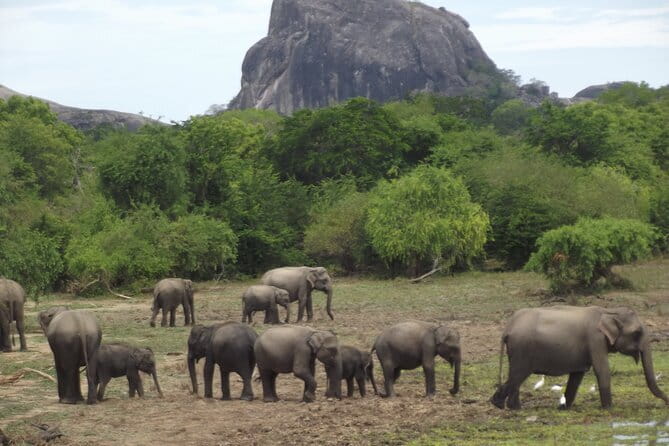
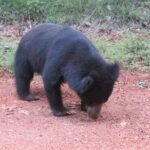
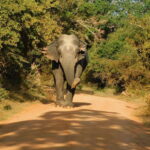
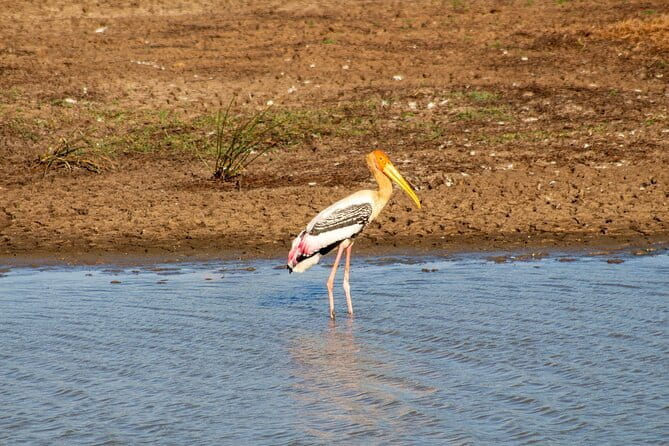
Yala’s wildlife lineup isn’t just cats. You also have a good chance of spotting elephants, deer, bears, and lots of birdlife. That matters because even if leopard sightings take time, the day doesn’t go blank. You’ll still have wildlife moments to watch for, plus the chance of seeing animals at different distances as the jeeps reposition.
Here’s the practical side of what this feels like: you’ll likely spend your time rotating between slow scanning and short bursts of movement. When you see people ahead react, it’s a clue that something may be in the area. In Yala, that’s normal. What’s not normal is expecting an even, calm flow. This is a working wildlife area with many searchers at once.
Also, keep your camera ready but don’t forget to look with your eyes too. Screens and zoom can trick you into missing the quick moment when an animal changes position. With a guided safari, you’ll often have one or two chances where everyone pays attention at the same time—so be ready.
Spotting odds: how to improve your chances without losing your mind
No trick makes leopards behave. But you can make your own experience smoother and more productive.
First, be ready for waiting. Leopards may show up after a period of silence, or they may be out of view when you want them most. Your guide is doing the heavy lifting—finding clues, reading movement, and positioning the jeep—but you still have to stay observant during the slow parts.
Second, accept that other jeeps are part of the ecosystem of the day. One of the less romantic truths of Yala is that when there’s action, you might see several jeeps arrive at once. Heat can also push animals to stay put, which turns the area into a waiting game. If you go in expecting a quiet, private experience, you may feel disappointed when you see crowds on the trail.
Third, ask your guide what they’re watching for. The tour includes an experienced guide/driver, so use that resource. If your guide explains how they’re searching—where they’re seeing signs, how they’re reading behavior—you’ll understand the “why” behind the stops, and the whole safari feels less like random driving.
Price and logistics: budgeting for the safari you actually pay
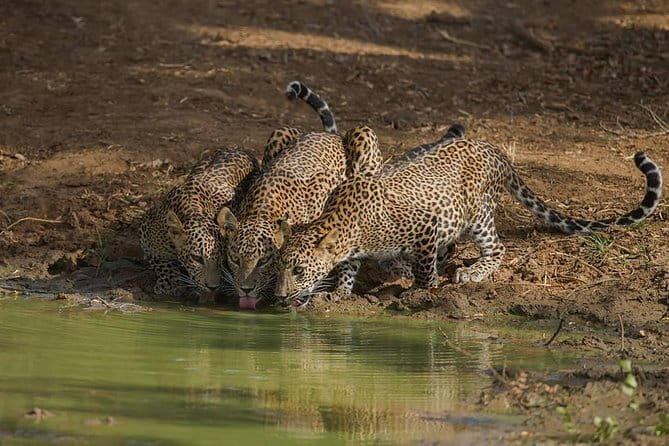
The headline price is $18 per person, which sounds almost too good for a luxury 4×4 safari. The catch is that National Park entrance tickets and a service charge (listed at $40 per adult) are not included. That means your real total is closer to the safari fee plus those mandatory park costs.
Also not included: food and drink. So you’ll either need to eat before you start or plan snacks/water yourself. Since this is a 4 to 5 hour outing, skipping water in hot weather is the kind of mistake that turns a great day into a miserable one.
So how do you judge value? Here’s my practical way to look at it:
- If you want a guided 4×4 experience with pickup and you’re okay handling park fees separately, the $18 can still be a fair entry price.
- If you’re counting every dollar and you’re paying park charges anyway, compare what the package delivers beyond the car ride. In this case, that’s the guide and the organized searching.
Either way, budget for the full reality of park costs before you fall in love with the sticker price.
Comfort tips that matter during a 4–5 hour jeep safari
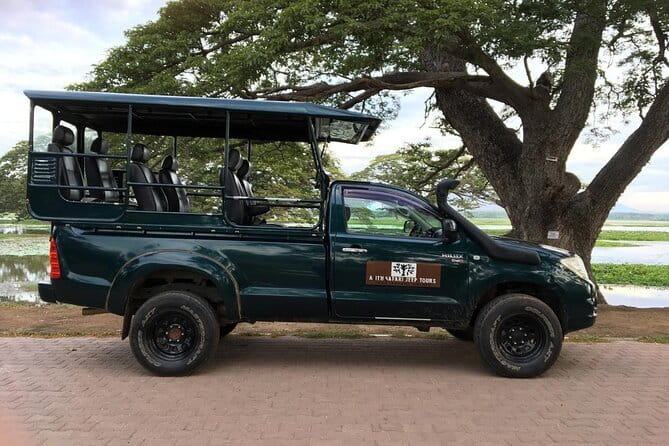
This tour runs about 4 hours on the schedule you’ll select (often in the morning or afternoon). That time isn’t fixed in the way a museum visit is. Once you’re scanning wildlife, the day can feel longer because you’re waiting for the right moment.
I’d plan like this:
- Wear breathable clothes and something that works for sun and shade changes.
- Bring sun protection. Even if you’re not hiking, you’ll be outdoors and exposed.
- Have water within reach. Since food and drink aren’t included, hydration is on you.
- If you use a phone or camera, bring a strap or secure mount. Jeep rides can make handheld shots harder than you expect.
And one more comfort point: don’t underestimate how tiring scanning can be. Looking for movement takes effort. Build small mental breaks so you don’t burn out early.
Sustainability and conservation: what the tour claims to support
The tour description emphasizes sustainability and says they work closely with local communities to protect Yala’s ecosystem. I take that seriously at the planning stage, because conservation talk can be empty marketing—or it can be a sign that the operator is part of a longer local effort.
What you can do as a visitor is simple: choose a company that keeps the day organized, uses experienced guides, and treats wildlife respectfully. A good guide is often the best real indicator of whether a safari is run responsibly, because they know how to keep distance, manage time, and avoid turning every animal encounter into a disruption.
This safari also frames itself as supporting conservation and local protection. If that message matters to you, it’s worth aligning with it in how you behave in the park: stay quiet when you can, follow the guide’s instructions, and don’t push for extra closeness just because you have a camera.
Two real-world considerations I’d plan for
Let’s talk about the stuff that can sour a day, even when you see animals.
You might see more jeeps than animals
A common frustration with safari days is crowding at hotspots. In heat, animals may be less active and sightings can be spaced out. When that happens, you can end up spending more time among vehicles than you’d prefer. If leopard spotting is your top priority, understand that “waiting for the leopard” can look a lot like “watching other jeeps wait.”
Contact after the tour can be a problem for some people
One negative account I came across described a guide texting after the safari in a way that made the person uncomfortable. I can’t say this is the norm. But I can tell you what to do if you’d rather keep the day professional and hands-off: set expectations early. When you meet, be clear about how and when you want to be contacted, and keep your communication preferences firm.
If you don’t like unexpected follow-ups, you’ll feel better knowing you have a boundary ready.
Who should book this Yala leopard safari (and who might not love it)
This safari fits best if:
- You want a guided Yala National Park outing focused on leopard chances.
- You value pickup and drop-off to reduce the hassle factor.
- You’re comfortable with the reality that spotting is never guaranteed.
It might be less ideal if:
- You’re sensitive to vehicle crowds when sightings happen.
- You expect a quiet, private wildlife bubble.
- You dislike waiting without constant action.
It’s also a solid choice for first-timers to Yala who want expert driving and a structured outing rather than piecing together transport and guidance on their own.
Should you book this Yala leopard safari?
I think this is a good booking when your priorities line up with what the tour is built for: guided searching, comfortable 4×4 transport, and a leopard-focused strategy in one of Sri Lanka’s best places for leopards.
Before you say yes, do two things:
- Budget properly for park entry and the service charge. Don’t fall for only the $18 safari fee—your real cost includes the listed $40 per adult.
- Go in with the right mindset: expect scanning, expect waiting, and accept that other jeeps may show up when something is spotted.
If you’re okay with that reality, you’ll likely feel the experience is worth it for the combination of guided effort, comfort, and the chance to see Yala’s elusive cats alongside a wider cast of wildlife.