REVIEW · YALA NATIONAL PARK
Leopard Half Day Yala National Park Eleven Safari
Book on Viator →Operated by Eleven Safari · Bookable on Viator
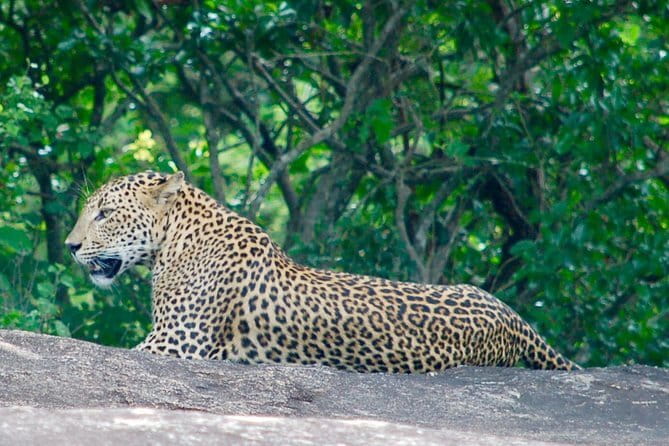
Leopards in Yala start with dawn. This half-day safari focuses on Yala National Park and one of its biggest reasons to come: leopard sightings. You’ll also be looking for elephants, sloth bears, spotted deer, crocodiles, and a serious list of birds, including peacocks and storks.
I especially like that Eleven Safari keeps it practical: an in-person English guide and a private setup for just your group. The other big plus is that you’re not only hunting big animals; the park’s mix of forest, grasslands, and freshwater lagoons also means birds are part of the main event.
The main drawback is simple: the trip starts at 5:00 am, and bottled water isn’t included, so you’ll want to plan ahead for the early hours.
In This Review
- Key Things I’d Pay Attention To
- Leopard Half Day Yala With Eleven Safari: What This Trip Really Gives You
- Why Yala National Park Is a Big Deal for Leopards
- Meeting Point and Timing: The 5:00 am Factor
- How the Safari Run Works Inside Yala
- The Guide Factor: Spotting Faster Than You Think
- Animals and Birds: What to Watch For During the Half Day
- Weather, Rain, and the Real Life of Safari Roads
- Price and Value: Is $80 a Smart Half-Day in Yala?
- Who This Half-Day Leopard Safari Fits Best
- Should You Book Eleven Safari’s Half Day Yala Leopard Trip?
- FAQ
- What’s the duration of the Eleven Safari half-day Yala experience?
- What time does the safari start?
- Where do we meet for the tour?
- Is this tour private?
- Is there an admission ticket included?
- Is bottled water included?
- What wildlife and birds are you likely to see in Yala?
- What happens if weather is bad?
Key Things I’d Pay Attention To
- A 5:00 am start: early light matters when wildlife is active.
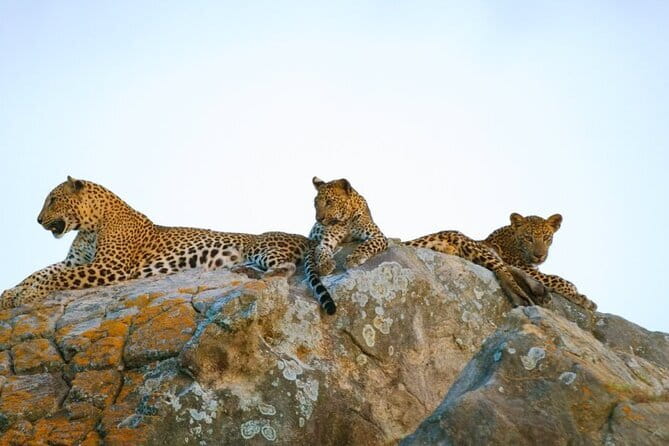
- Leopard-focused time in Yala: Yala is known for a high density of leopards.
- English-speaking, in-person guidance: helpful for spotting animals you might miss.
- Birding built in: over 200 species, including peacocks and painted/black-necked storks.
- Private tour for your group: easier to keep your pace and route flexible.
- Bottled water not included: bring your own so you don’t cut the safari short.
Leopard Half Day Yala With Eleven Safari: What This Trip Really Gives You
If your goal is a Sri Lanka safari where you actually have time to search, this half-day format makes sense. You’re in Yala National Park for about four hours, starting at 5:00 am. That timing is built around the same idea safari guides everywhere use: earlier hours tend to give you better chances with wildlife.
The value here isn’t only the destination. It’s the way Eleven Safari structures the experience: you get an in-person English guide, a private setup, and a tour that’s designed to put eyes on animals and birds rather than treat the park like a quick photo stop.
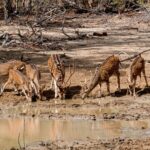
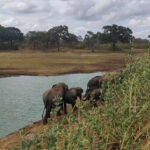
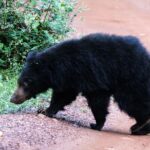
What’s especially appealing is the balance of targets. You’re looking for leopards (the headline), but you’re also watching for elephants, sloth bears, spotted deer, and crocodiles. On top of that, Yala is strong for birdwatching, with over 200 species recorded—so even if big cat sightings don’t happen instantly, the trip still has plenty to keep you engaged.
You can also read our reviews of more tours and experiences in Yala National Park.
Why Yala National Park Is a Big Deal for Leopards
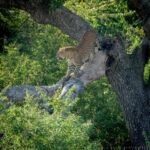
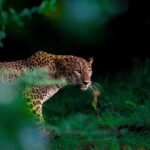
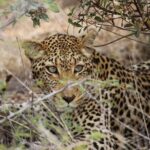
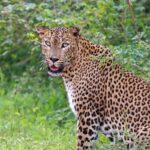
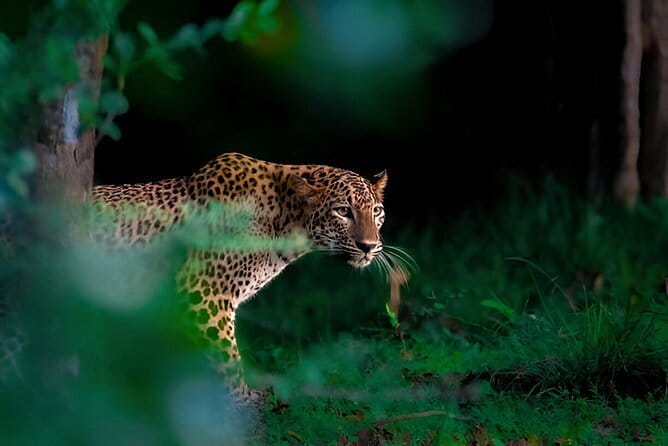
Yala is described as Sri Lanka’s most famous wildlife sanctuary and one of the best places for spotting the elusive Sri Lankan leopard, with one of the highest leopard densities in the world. In plain terms: you’re not just visiting a park because it’s famous. You’re going to a place where the leopard odds are taken seriously.
And it’s not a single-species show. Yala’s habitats range from dense forest to open grasslands and freshwater lagoons. That variety matters because it increases the chances you’ll see different kinds of wildlife at different moments. If you focus only on leopards, you can miss what makes a safari in Yala feel full even on a short schedule.
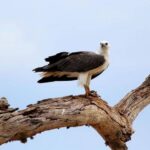
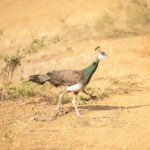
Birding is another reason Yala works. The park has over 200 species of birds, and the list includes eye-catching species like peacocks and storks (including painted storks and black-necked storks). If you like scanning treetops, wetlands, and open areas from the safari vehicle, this park gives you multiple angles.
Meeting Point and Timing: The 5:00 am Factor
This safari starts at 5:00 am and ends back at the meeting point. You meet at Eleven Safari Tissamaharama, No 69, Galmadawwa Road, Punchi, Tissamaharama 82600, Sri Lanka. Your time in the park is limited by design—so the early start is the tradeoff that gives you meaningful time for animal activity.
A small but important note: bottled water isn’t included. That means you should bring your own water before you go. In Yala, your comfort affects your focus. If you’re worried about thirst or energy, it’s harder to sit steady while the guide works the spotting game.
Also, this activity is described as private, meaning only your group participates. In a place like Yala, that matters more than people expect. It means you’re not competing with a big crowd for attention, and your guide can prioritize what you care about within the available time.
How the Safari Run Works Inside Yala
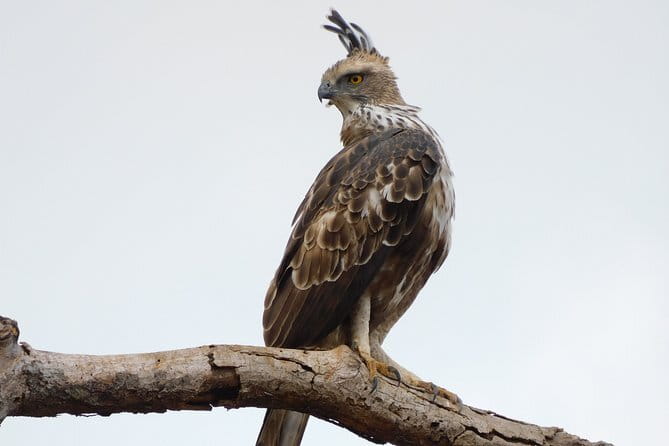
Your first stop is the park itself—Yala National Park—where the safari is built around wildlife spotting and scanning multiple habitat types. The goal isn’t just to pass through the park; it’s to find areas where animals are likely to show, then stay alert long enough to see what’s happening.
Here’s what you can realistically expect to look for based on the tour’s focus:
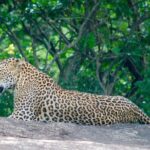
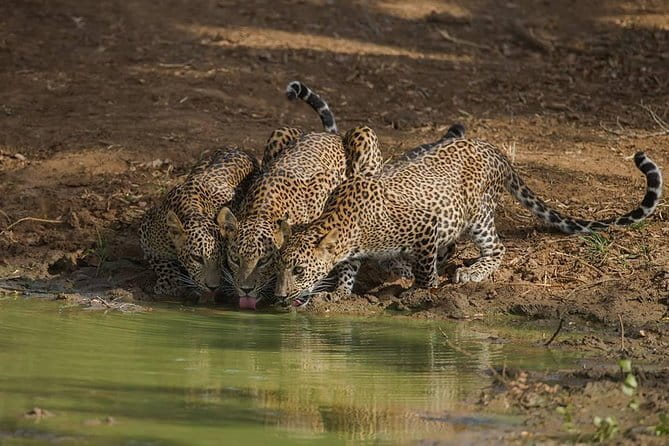
- Leopards: the main target, with Yala noted for high leopard density.
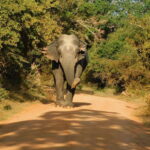
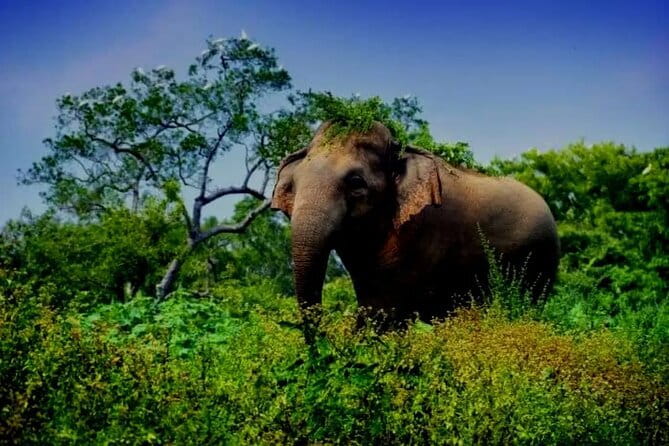
- Elephants: a common safari sight in Yala.
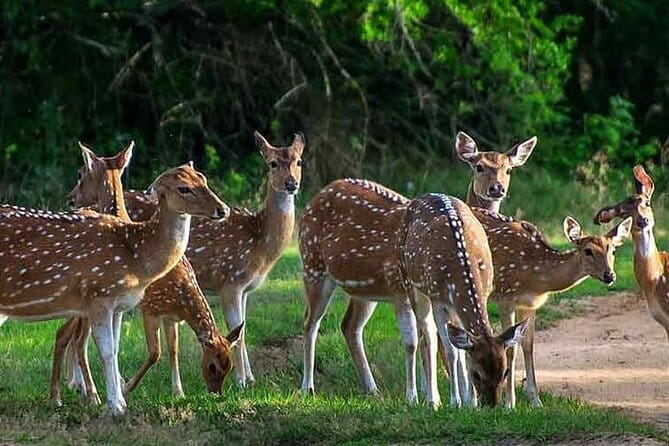
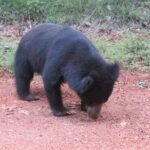
- Sloth bears and spotted deer: less guaranteed than elephants, but part of the park’s known lineup.
- Crocodiles: often connected to water areas, which is one reason freshwater lagoons matter.
And then there are the birds, which can be easier to find than the bigger animals because you’re not relying on one hidden animal to reveal itself. The tour’s spotlight includes peacocks and storks like painted storks and black-necked storks. Over 200 species overall means you’re likely to spot something interesting even if the leopard search takes patience.
The Guide Factor: Spotting Faster Than You Think
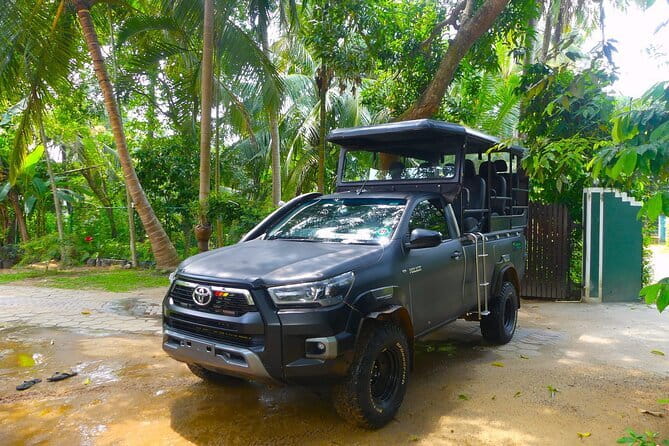
Eleven Safari includes an in-person English guide, and the impact of that is practical. In safari country, it’s not only about where you drive. It’s about what you notice from a moving vehicle and how quickly you react when something appears.
The service style described in past experiences points to guide attention and effort—especially when conditions change. One guide name that comes up is Priyantha, known for knowing where to take people and spotting things others might miss while driving on rough terrain. Another name that appears is Heshan, praised for responsiveness and overall safari success across Yala and Bundala.
There’s also a memorable example of problem-solving: when a crocodile sighting wasn’t clear at first, Priyantha did what he could to get it to move toward the water so the sight would make sense. That kind of hands-on initiative isn’t something you’d count on every moment, but it shows the service attitude—try, adjust, and don’t give up at the first snag.
Animals and Birds: What to Watch For During the Half Day
A four-hour safari is short. So you’ll want to watch the whole time, not just wait for the leopard.
For wildlife, keep your eyes on:
- Water and lagoon edges: crocodiles are explicitly part of what the safari highlights.
- Edges between forest and open areas: leopards and deer-like animals often show up where cover meets visibility.
- Movement patterns: elephants and bigger animals can draw attention quickly when they’re active.
For birds, think scanning in layers:
- Taller perches and open ground for peacocks and storks.
- Wet areas for the storks that move through or feed near water.
- Small signals: in birding, one small change in attention can be the moment you spot the species.
This tour leans into that mix by calling out both big animals and a long bird list. If you’re the type who enjoys a checklist, you’ll probably feel satisfied even if a leopard sighting takes time.
Weather, Rain, and the Real Life of Safari Roads
This experience requires good weather. If poor weather cancels the trip, you’ll be offered a different date or a full refund. That’s important because wildlife sightings depend on conditions—heavy rain can reduce visibility and animal movement, and it can make roads more difficult.
At the same time, there’s also evidence of flexibility in tougher moments. One account describes the driver putting full effort to see animals even on a rainy day. Another mentions rough terrain and notes that roads need attention. Translation: you should be ready for a safari-style ride, not a smooth city drive.
What to do with that information? Dress and plan for a bumpy early morning. If you get motion discomfort, take it seriously before you go. If you’re comfortable sitting steady and keeping your eyes active, you’ll handle the ride better and focus more on spotting.
Price and Value: Is $80 a Smart Half-Day in Yala?
At $80 for a half-day, the first question is what you’re actually buying. You’re paying for a private safari experience that includes:
- A guide (in-person English)
- Admission is listed as free (so it’s part of the packaged experience rather than something you add later)
What isn’t included is bottled water. That’s small, but it matters because safaris are time-on-seat experiences. Bring your own and you avoid turning a great morning into a checkout mission.
In terms of value, the “private + guide + park admission included” combo is what makes this price feel fair. If you’ve ever tried to cobble together a safari with separate costs (park entry, vehicle, and a guide), you know how fast everything stacks up. Here, the structure is simpler: one booking, one timeframe, and a direct focus on wildlife and birding.
Who This Half-Day Leopard Safari Fits Best
This tour fits well if you:
- Want a short, focused Yala safari without committing a full day
- Care about leopards but also want birds and other wildlife as part of the plan
- Prefer a private experience for just your group
- Would appreciate an English-speaking guide to help you spot and interpret what you’re seeing
It’s also a good match if you’re staying in or near Tissamaharama and you want an early start that puts you in the right frame of mind for animal activity.
If you hate early mornings, this won’t feel easy. The 5:00 am start is the deal. But if you’re okay with that trade, you’ll get a high-energy safari window that still feels like a real outing, not a rushed drive-by.
Should You Book Eleven Safari’s Half Day Yala Leopard Trip?
I’d book this if you want a compact safari with a real leopard target, an English guide, and a private group setup that keeps attention on spotting animals and birds. The combination of Yala’s leopard reputation, the listed animal lineup, and the strong bird count makes the four hours feel like it has multiple ways to pay off.
Skip it—or at least rethink it—if early starts and safari road comfort are dealbreakers for you. Also remember the weather dependency. You’re going in the hope of good safari conditions, and the operator can adjust if the day won’t cooperate.
If you’re choosing a single half-day safari in Yala and you like practical service, Eleven Safari is a solid choice.
FAQ
What’s the duration of the Eleven Safari half-day Yala experience?
It’s about 4 hours.
What time does the safari start?
The start time is 5:00 am.
Where do we meet for the tour?
The meeting point is Eleven Safari Tissamaharama, No 69, Galmadawwa Road, Punchi, Tissamaharama 82600, Sri Lanka.
Is this tour private?
Yes. Only your group will participate.
Is there an admission ticket included?
The experience lists admission ticket as free.
Is bottled water included?
No. Bottled water is not included.
What wildlife and birds are you likely to see in Yala?
The tour focuses on Sri Lankan leopards, elephants, sloth bears, spotted deer, and crocodiles. It also highlights birds, with over 200 species and mentions peacocks, painted storks, and black-necked storks.
What happens if weather is bad?
This experience requires good weather. If it’s canceled due to poor weather, you’ll be offered a different date or a full refund.