REVIEW · YALA NATIONAL PARK
Yala National Park Leopard Safari – HALF DAY/FULL DAY TOUR
Book on Viator →Operated by Shehan Safari · Bookable on Viator
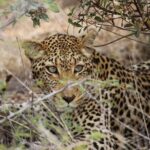
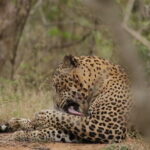
A leopard safari is all about timing, not luck. This one runs out of quieter Lunugamwehera (Yala Block 5) and puts you in the park early, when spotting chances feel best. I like the focus on the right animal targets—leopard, sloth bear, and elephants—so you’re not stuck chasing every random bird call. The main catch: the tour price doesn’t include the park entrance and service fee, so you’ll pay that on top.
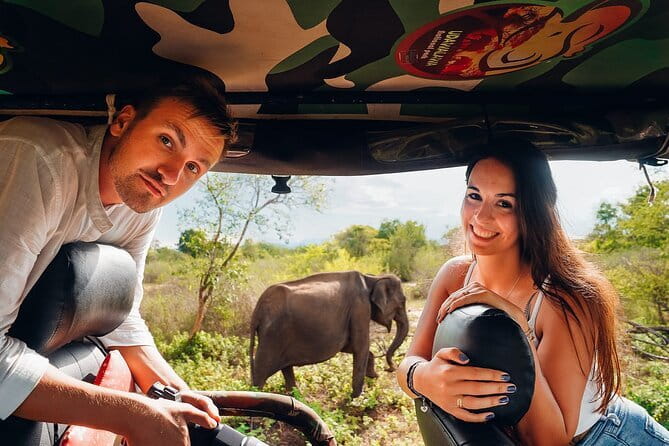
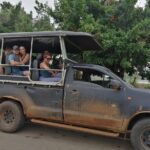
What also helps is the small-vehicle setup: you ride in a safari jeep (max 6 passengers) with a driver-guide, usually with hotel pickup and drop-off. One more thing to consider is the commitment—half-day is still long in practice, and the full-day option is a longer wildlife day with a picnic meal built in.
In This Review
- Key highlights worth caring about
- Why Lunugamwehera (Yala Block 5) feels calmer than “main Yala”
- Price, park fees, and what this safari really costs
- Timing and the 6 AM gate: the strategy behind leopard odds
- Your ride and how the small-vehicle setup helps
- What you’ll see: Big 3 targets plus the “don’t miss” extras
- Entering the park and the road rhythm in two phases
- Half-day vs full-day: how to choose the right length
- Comfort, logistics, and what to expect on the day
- Tips to get the most from your jeep time (without stress)
- Should you book this Yala Leopard Safari with Shehan Safari?
- FAQ
- Is this safari half-day or full-day?
- What animals does the tour focus on?
- Does the tour price include park entrance and service fees?
- Is hotel pickup included?
- How many passengers are in each safari jeep?
- What’s the cancellation policy?
Key highlights worth caring about
- Early gate timing (6 AM): You’re set up to enter near the start of the day for better viewing odds.
- Leopard-focused “golden hours”: The first 2 hours and the last 2 hours are treated as the priority windows.
- Quieter Block 5/Lunugamwehera: You aim to avoid the heavy 4WD crowds that can form in more popular Yala areas.
- Big 3 target plan: Leopard, sloth bear, and elephants are the headline acts.
- Full-day picnic option: If you go all day, you’ll have a meal plan (and in practice it lines up with breakfast and lunch).
- Small-jeep feel: Maximum 6 passengers per jeep can mean easier viewing and less shouting.
Why Lunugamwehera (Yala Block 5) feels calmer than “main Yala”
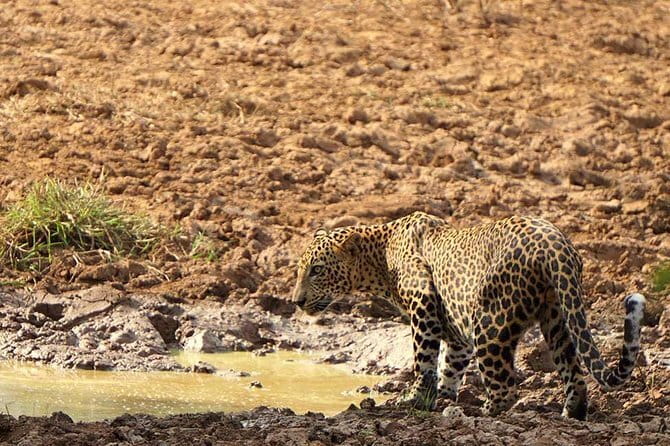
Yala National Park gets attention for a reason, but the experience can get crowded fast when lots of jeeps converge on the same sighting. This safari is set up around Lunugamwehera, also known as Yala Block 5, which is often a more relaxed hunting ground for wildlife.
That matters because wildlife watching is basically a timing game plus a crowd game. When you’re dealing with lots of vehicles, you lose the quiet scanning time—eyes stay glued to the road, not the trees and grass where animals actually appear. In this setup, you’re trying to find animals without the immediate chaos.
The tour also signals a very clear approach: it’s not a “drive around and hope” day. It’s a structured plan for when leopards are more likely to show, and what to do after that window.
You can also read our reviews of more tours and experiences in Yala National Park.
Price, park fees, and what this safari really costs
The headline price is $20 per person for the half-day/full-day safari with the listed inclusions. That’s the part you book and pay up front.
But the park entrance and service fee is listed separately: 13,000 LKR per person (approx. $43). So your real total depends on which option you pick and how much the exchange rate has shifted by the time you’re traveling.
Here’s the value math that actually matters: you’re paying for
- a driver-guide
- hotel pickup and drop-off
- transport in a 4WD safari jeep (max 6 passengers)
The park fee is what funds entry, rangers, and access. Since it’s separate, I’d plan your budget as “tour fee + park fee,” not just the $20.
Is it expensive? If you compare it to other safari add-ons that often cost more just for transport, this can still be a good value—especially if you want a quieter block and you care about leopard-focused timing. If you’re traveling on a strict budget, you’ll want to treat the park fee as the big line item.
Timing and the 6 AM gate: the strategy behind leopard odds
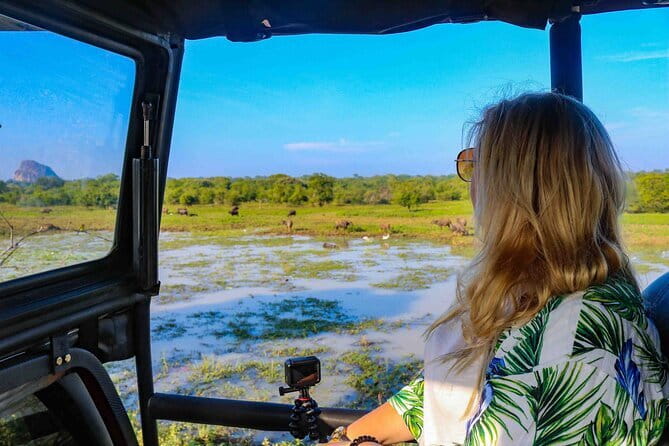
The park gate opens at 6 AM, and the tour is ready to drive in around that start. That’s not trivia. It’s the entire game.
Wildlife days in southern Sri Lanka are often split by animal activity patterns. This tour specifically calls out two priority periods:
- First 2 hours after entry
- Last 2 hours near the end of the safari window
Those are treated as the golden hours for leopard spotting. The reason this feels like good planning: leopards aren’t guaranteed, so you don’t want to burn your best time on “maybe something will happen” driving.
During those windows, the driving focus is on maximizing opportunities rather than checking every common species first. After that, the tour shifts into a more explanatory style—slower, more observational, and with stops to look closely at what’s in front of you.
If you go with this approach, you’ll feel it in the rhythm of the day. You’ll have an early push for the big cat, then a steadier safari pace for everything else.
Your ride and how the small-vehicle setup helps
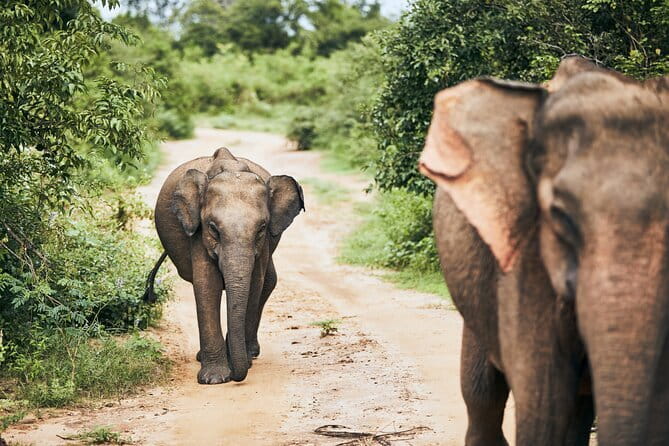
You’re in a safari jeep with a maximum of 6 passengers. That sounds small, and it is. Fewer people usually means:
- less crowd noise
- more natural viewing angles
- quicker reactions when the guide spots something moving
This tour is also private in the sense that only your group participates. That’s a big deal for a safari. It can reduce the friction of mismatched expectations—some people want silent scanning; others want constant chatter. Private setup helps keep your day focused.
The driver-guide portion is key, too. You’re not just paying for transport; you’re paying for someone who’s watching the same area with you and explaining what you’re seeing as the day moves along.
What you’ll see: Big 3 targets plus the “don’t miss” extras
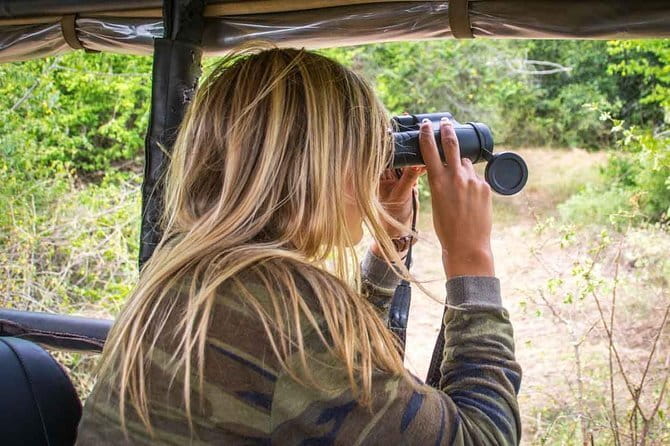
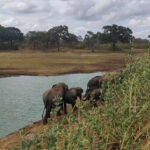
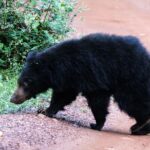
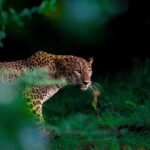
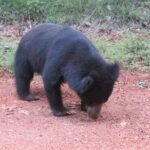
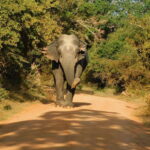
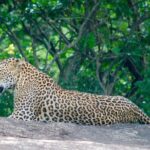
The safari is designed around the Big 3:
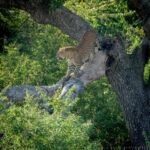
- Leopard
- Sloth bear
- Elephants
Even if the leopard doesn’t land close to your jeep, the tour’s method tries to keep your time efficient—so you’re not waiting too long in the wrong part of the day.
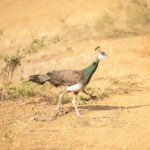
Beyond the Big 3, the tour highlights other wildlife you should be alert for, including:
- crocodiles
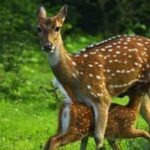
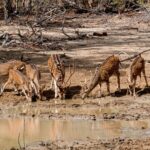
- deer
- buffalo
- and various monkeys (the route notes mention monkeys alongside other fauna)
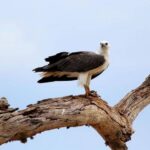
So you’re not only chasing one animal. You’re covering a broader mix that makes the safari feel complete even when the leopard is a no-show. In Yala-area parks, you can get surprise moments: a sudden movement on the bank, a quiet animal that appears when everyone is focused on something else, or a close elephant encounter that makes the day feel worth the early start.
Just remember: “see everything” isn’t the promise. Safari is always conditional. What this tour does well is planning your day so the odds are better during the time when leopards are most likely active.
Entering the park and the road rhythm in two phases
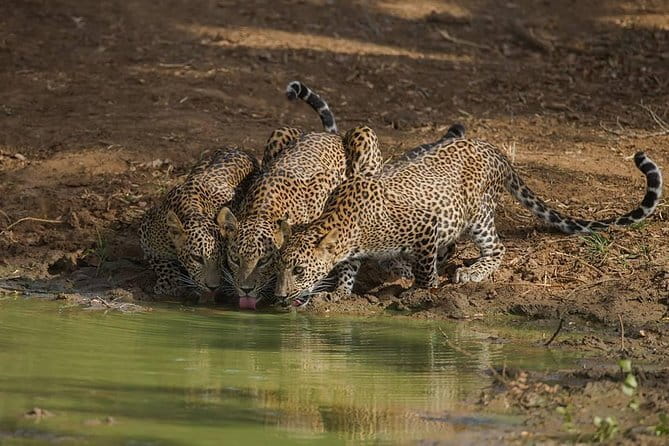
The safari route has a clear rhythm split into phases.
Phase 1: early push for the golden hours
The first two hours are driven with leopard priority. That usually means more attention on scanning, less time spent on animals that are common in the area. This is the part of the day where you’re most likely to feel like you’re in the right place at the right moment.
Phase 2: explanation mode for everything you spot
After the leopard-focused window, the driving shifts into an explaining-and-stopping style. The goal is to slow down and let you see what’s there: smaller signs of wildlife activity, birds and animals you might otherwise miss, and close inspection of points of interest along the route.
The value for you is simple: the tour isn’t wasting time. If leopard timing happens, great. If it doesn’t, you still end up with a day that feels like real wildlife viewing, not a long car ride.
Half-day vs full-day: how to choose the right length
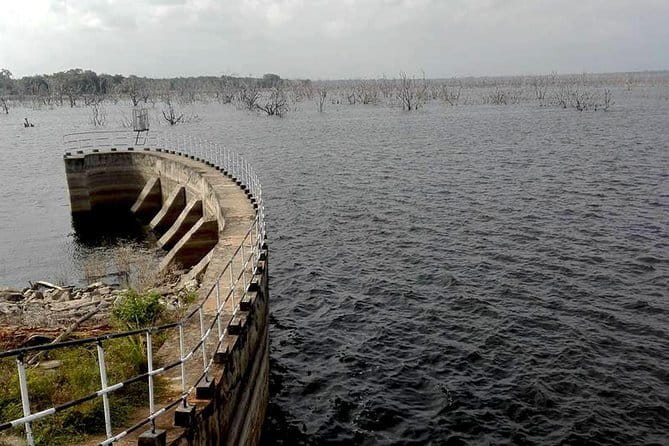
The tour runs roughly 4 to 12 hours, depending on whether you choose half-day or full-day. That range matters because you’re choosing which leopard window you want to concentrate on.
Half-day safari (about 4 hours)
A half-day option works best when:
- you want the safari experience without using a full day
- you’re trying to fit it around other sightseeing
- you’re comfortable with the idea that time is limited, so leopard odds are higher if your timing lines up with that golden window
If your half-day aligns with the early period or late period, it’s a good strategy. If it’s in the middle of the day, you may still see plenty, but you’ll be less optimized for leopard.
Full-day safari (with picnic)
A full-day gives you more flexibility to catch both ends of the day’s best viewing patterns. The full-day option also includes a picnic, and the feedback you’ll see about this type of day suggests meal coverage like breakfast and lunch.
If you want the best shot at leopard timing plus a broader wildlife spread, full-day is usually the smarter choice—especially in a quieter block where you’re not getting pulled around by a parade of jeeps.
Comfort, logistics, and what to expect on the day
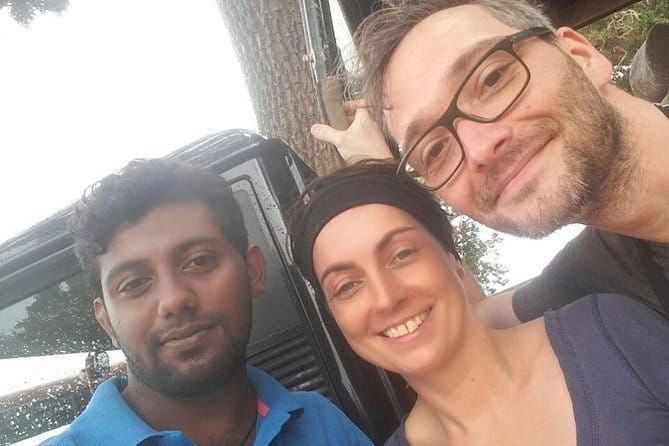
Hotel pickup and drop-off are included, which is a huge help when you’re dealing with early starts. You’re also given a mobile ticket, so you’re not stuck hunting for paper confirmations.
You’ll also want to think about the vehicle-and-time reality:
- early start means you should plan your night sleep accordingly
- a safari day runs on wildlife time, not strict clock time
- even half-day can feel like a whole experience once you factor in the drive and park entry
Another practical point: the tour is designed around a 4WD experience. That’s part of the fun, but it does mean you’ll feel the day in your legs and back. Pack accordingly for long sitting.
Tips to get the most from your jeep time (without stress)
I’d keep your expectations clear and your behavior simple.
1) Go quiet during the leopard window. The first and last two hours are when your guide is likely focusing harder. If you’re chatting loudly, you’ll miss small movements.
2) Bring layers. Mornings can feel cooler, and safari days can warm up quickly. You want something easy to add or remove.
3) Be ready to look both near and far. Crocs and elephants might be at different distances than leopard sightings. Your guide’s scanning strategy is likely to shift as the day changes phase.
4) Don’t ignore the “common” animals completely. Even when the leopard is the headline, you may learn more by watching how the whole ecosystem moves. The tour itself shifts into explanation mode after the golden hours—so let that teaching phase do its job.
5) Plan for the park fee cost. The park entrance/service fee is a separate line item. Having that money ready prevents last-minute budget anxiety.
Should you book this Yala Leopard Safari with Shehan Safari?
I’d book this tour if you want a safari that feels planned rather than random. The biggest reasons are the leopard-focused timing, the quieter Lunugamwehera (Yala Block 5) setting, and the small jeep group size with a driver-guide.
Choose it over more crowded Yala options if:
- you hate the idea of arriving to a traffic jam of jeeps
- you care about maximizing the early and late spotting windows
- you’re happy with a big wildlife day that keeps switching targets from leopard priority to full ecosystem viewing
Skip it (or think twice) if:
- you’re only budget-ready for the $20 tour fee and you don’t want to add the park entrance/service fee
- you’re not interested in long sitting time, especially on a full day
If you’re flexible and you want a better chance at leopard timing in a calmer reserve zone, this is a solid pick.
FAQ
Is this safari half-day or full-day?
It runs in a range of about 4 to 12 hours, depending on whether you choose a half-day or full-day option.
What animals does the tour focus on?
The main targets are leopard, sloth bear, and elephants, with other wildlife like crocodiles, deer, buffalo, and monkeys also possible.
Does the tour price include park entrance and service fees?
No. Park entrance and service fees are listed separately at 13,000 LKR per person (approx. $43).
Is hotel pickup included?
Yes. Hotel pickup and drop-off are included.
How many passengers are in each safari jeep?
The safari jeep has a maximum of 6 passengers.
What’s the cancellation policy?
You can cancel up to 24 hours in advance for a full refund. Changes within 24 hours of the start time aren’t accepted, and refunds aren’t available if you cancel less than 24 hours before.