REVIEW · KATARAGAMA
Yala National Park: Leopard Safari Full day tour with Lunch
Book on GetYourGuide →Operated by Ceylon Nature Tours · Bookable on GetYourGuide
Leopards at dawn are a special kind of early. This full-day Yala safari is built around two game drives and the chance to track the spotted leopard in its real habitat. I also like that you’re not stuck in one type of scenery: you move through monsoon forest, scrub, grasslands, and lagoon country from a modified viewing jeep.
The main thing to keep your expectations grounded is that wildlife sightings are never guaranteed, and the day’s second half can feel slower in the heat, especially after your midday pause.
In This Review
- Key things that make this safari work in Yala
- 5:00 AM to late afternoon: the rhythm of a 12-hour Yala day
- Yala’s habitats: why you’ll feel like the park changes as you drive
- First game drive (morning): building your odds for elephants and leopard signs
- The lunch stop: picnic food, a scenic pause, and rules that shape the day
- Second game drive (afternoon): the leopard hunt and the rest of Yala’s cast
- Your guide and jeep: how spotting actually happens in practice
- Lunch, drinks, and the comfort basics that make a long day easier
- Price and value: what you’re really paying for at $48
- What to bring (and why): you’ll thank yourself later
- Who should book this full-day Yala leopard safari?
- Should you book it? My practical take
- FAQ
- What time do I get picked up?
- How long is the Yala leopard safari full day tour?
- Is lunch included?
- Are drinks included?
- Is the Yala National Park entrance fee included?
- Where do you offer hotel pickup and drop-off?
- Is the guide available in English?
Key things that make this safari work in Yala
- Two rounds of driving give you a better shot at elephants in the morning and leopard luck later
- Monsoon forest + lagoons mean you’re seeing different Yala habitats, not just one scenery type
- Modified safari jeeps help you get better sightlines as you follow animal signs
- Picnic lunch in a viewing spot keeps the day from feeling like a rushed transfer
- A guide who actually tracks matters in Yala, where spotting can be a game of patience
5:00 AM to late afternoon: the rhythm of a 12-hour Yala day

This is an early start safari. You’ll get picked up from your hotel area around 5:00 AM, then head into Yala National Park while the light is still good and animals are more willing to move. The total day runs about 12 hours, so plan it like a long adventure day, not a quick excursion.
On the drive in, you’re basically setting yourself up for how Yala works. Much of the magic comes from being on the road during the most active hours. Later, animals do what animals do—rest, cool off, and keep their distance—so your timing matters.
Also note the pickup area coverage. This tour lists pickup and drop-off across Yala, Tissamaharama, Kirinda, Kataragama, Weerawila, and Palatupana. If you’re staying in one of those towns, it’s straightforward. If you’re outside that zone, you’d want to confirm what options exist.
You can also read our reviews of more tours and experiences in Kataragama.
Yala’s habitats: why you’ll feel like the park changes as you drive
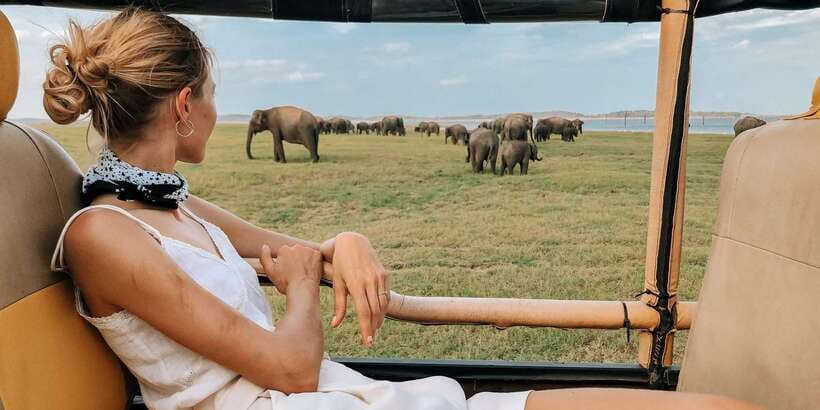
Yala National Park is about 400 square miles, and you can feel that size in your schedule. The route is designed to expose you to different habitat zones: light forests, scrub, grasslands, lagoons, and the monsoon-jungle sections where the air can feel damp and thick.
That variety is not just for photos. It affects where animals show up. Lagoons and water edges tend to pull animals in and concentrate activity. Monsoon forests and thicker cover can hide animals close to the road—meaning you might see movement in the brush before you see the body.
You’re also on the move in a modified game-viewing safari jeep, which matters in Yala. Even when roads aren’t flashy, you need a vehicle that supports spotting and positioning so your guide can react quickly to tracks, calls, and sightings.
First game drive (morning): building your odds for elephants and leopard signs
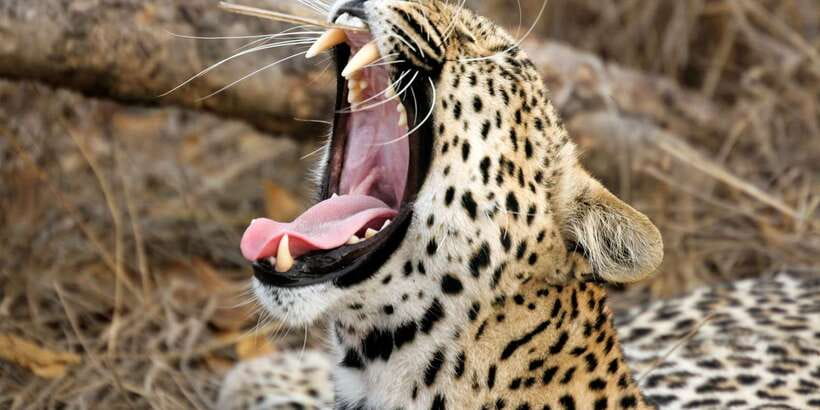
The morning portion is where you often get the highest energy from the park. You’ll spend a few hours driving and scanning with your guide, using the jeep to cover more ground while still keeping eyes on likely spotting areas.
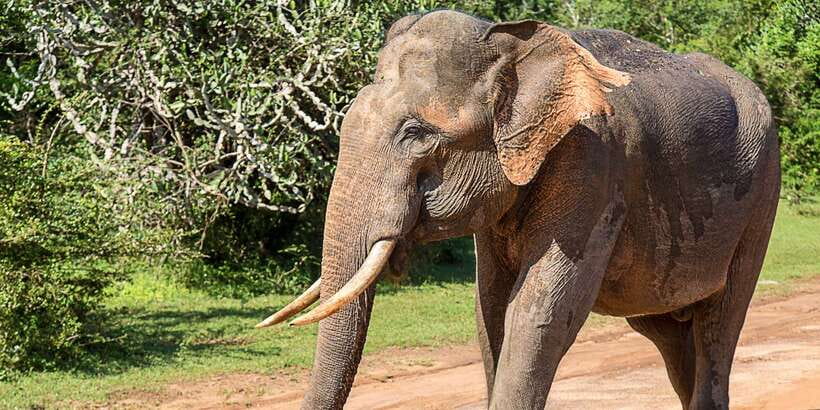
This is also the part of the day where you’re more likely to see larger, more visible animals. You might spot elephants, wild boar, and smaller forest-floor characters like water monitors. There’s also a chance for toque macaques and sloth bears, depending on conditions and where the sightings line up that day.
Here’s why I think the morning drive is so valuable: it’s not only about seeing animals now. It’s also about learning Yala’s patterns while you’re fresh. Once you start understanding where guides look—water edges, movement lanes, shaded cover—you’re better prepared for the afternoon, when sightings can become more hit-or-miss.
And yes, leopard luck can happen in the morning too. But the tour’s structure is built for a better spread of chances across the day.
The lunch stop: picnic food, a scenic pause, and rules that shape the day
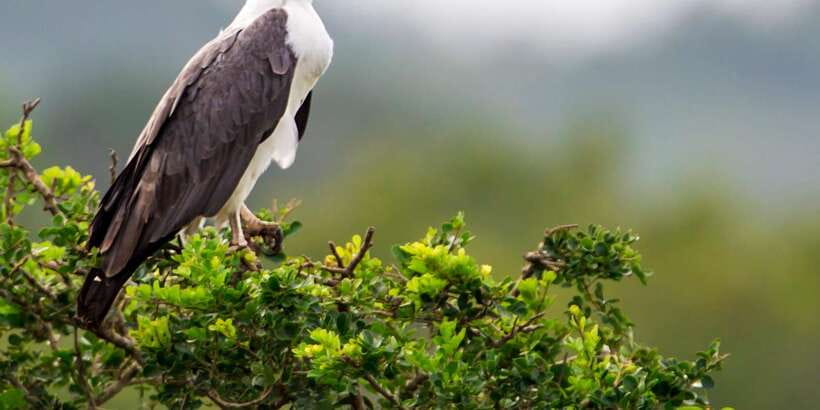
After your first driving stretch, you stop for a picnic lunch at a viewing spot. This is one of those small details that changes how the whole day feels. Instead of grabbing food and immediately rushing back out, you get a calmer pause while still staying in the park atmosphere.
Then comes an important piece of safari reality: you’ll have a break of about two hours where vehicles aren’t allowed in the park. That’s not just an inconvenience. It’s part of how Yala manages wildlife disturbance, and it also gives animals a chance to settle and move more normally without jeep noise and repositioning.
What should you do during this break? Keep it simple. Hydrate, eat slowly, and take the time to regroup. If you get restless, that’s normal—12 hours is a long day—but you’ll come back to the second drive with your brain in gear.
One practical tip from the experience: pack a few comforts. The day is long, and you might spend more time standing around the jeep than you expect. Snacks can help, especially if lunch feels like a hearty meal but you’d still like something small later.
Second game drive (afternoon): the leopard hunt and the rest of Yala’s cast
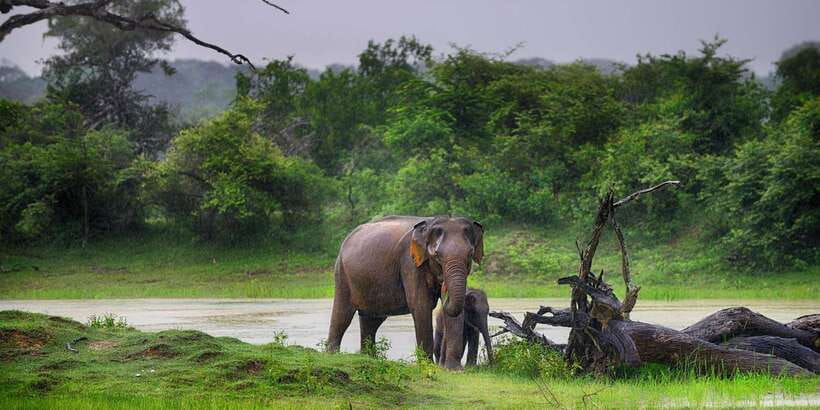
Your afternoon drive is where the tour leans into its biggest hook: leopard chances. Yala is known for having one of the highest densities of spotted leopards, and that’s exactly why this park makes people plan trips around it.
The guide will criss-cross the landscape based on what they’re seeing, what they hear, and where animals have been moving. If everything clicks, you might get excellent leopard sightings, including multiple cats in a single day. On other days, you may only see evidence—tracks, watchful stillness, or distant movement that’s gone before you can fully lock focus.
Besides leopards, your second drive can bring a whole supporting cast:
- Elephants, sometimes again once the heat eases
- Marsh crocodiles, especially near water edges and lagoon-like areas
- Water monitors and other reptiles active around the right conditions
- Marsh and scrub edge wildlife that shows up when animals decide the coast is clear
Heat can be a factor here. One thing to keep in mind is that the second half can feel slower for some days, especially after lunch when the sun climbs and animals may move less. If you’re the type who needs action every minute, you may feel the lull. If you’re patient and enjoy watching behavior and scanning for subtle movement, you’ll likely appreciate this stage even when the leopard isn’t instantly on the road.
Your guide and jeep: how spotting actually happens in practice
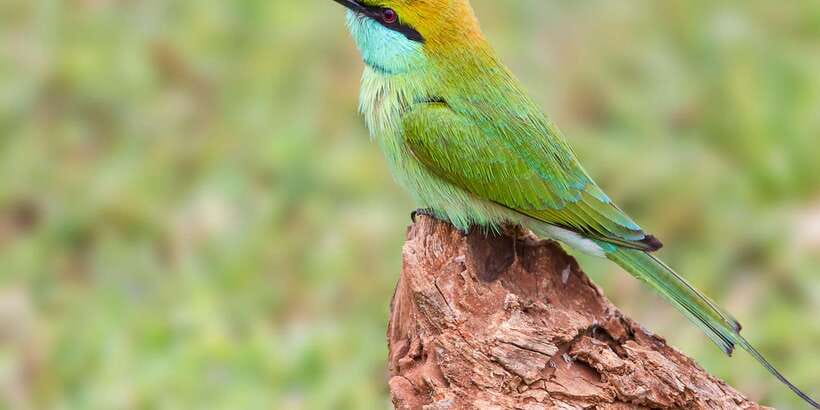
In a safari like this, the guide is the difference between seeing animals and seeing animals at the right time. Your driver/guide is there to talk you through wildlife behavior and local context. That matters because Yala isn’t a zoo with fixed viewing points. Spotting is mostly about pattern recognition: how animals travel, where they pause, and what the environment offers.
Guides also help you stay safe and keep the jeep positioned. Good drivers know when to slow down, when to stop, and when not to chase movement that looks promising but is likely to turn into wasted time. One guide name that comes up often is Yashara, known for tracking and spotting animals and taking the driving seriously. You might meet a guide like that, and if you do, take cues from their scanning style.
The jeep itself is a standard advantage for Yala. A modified safari vehicle gives you better access for viewing and repositioning as the guide reacts. It’s not magic, but it improves how quickly you can see what’s in front of you and how well you can follow sightlines when animals move.
Lunch, drinks, and the comfort basics that make a long day easier
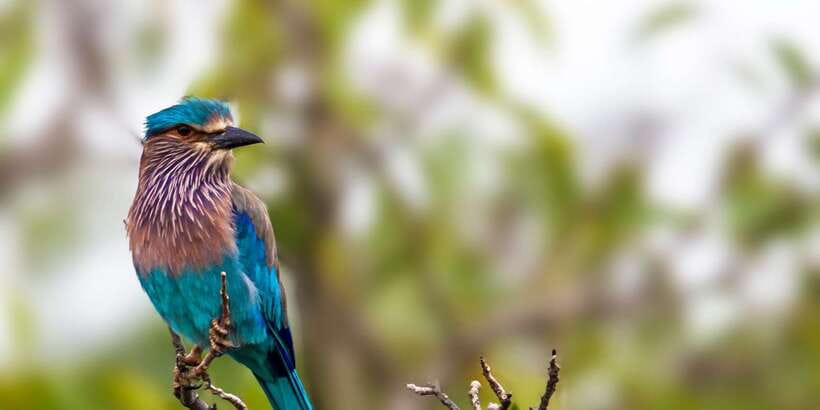
This tour includes a cooler with drinks. That’s a simple inclusion, but for a 12-hour day in Sri Lanka heat, it’s a big deal. You’ll feel it later if you rely only on whatever you can find in town.
Lunch is included as a picnic lunch, not a restaurant stop. That keeps the schedule in safari mode and reduces time wasted on transfers.
The not-included item that you’ll want to plan for is entrance and service fees to the park. The tour clearly states these are not included: Sri Lankan Rupees 13,000 (approx. 40 USD). Budget for that, and you won’t feel surprised when it’s time to pay.
Price and value: what you’re really paying for at $48
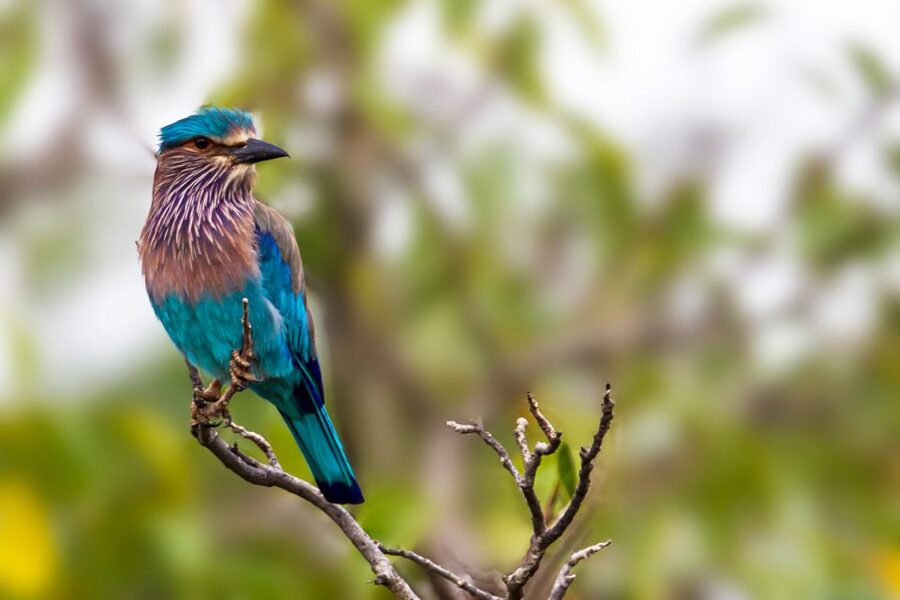
At $48 per person, the pricing can feel like a bargain for a full day. But the value comes from what’s included: hotel pickup and drop-off, a driver/guide, two game drives, a picnic lunch, and drinks via the cooler. That’s a lot of service wrapped into one price.
What’s not included is the Yala entrance and service fee, which the tour estimates at about $40 USD. So the true day cost can be closer to “tour price plus park fee.” Still, you’re paying for transport, vehicle time inside/around the park route, a guide, and the structure that gives you two real chances at wildlife—not just one quick drive.
So how do you judge value? I’d look at it like this:
- If you’re staying in one of the pickup areas, you avoid complicated transport.
- If you care about maximizing leopard chances, the full-day + two-drive structure is the core value.
- If you’re traveling with limited time, this is a way to pack Yala into a single day without coordinating everything yourself.
What to bring (and why): you’ll thank yourself later
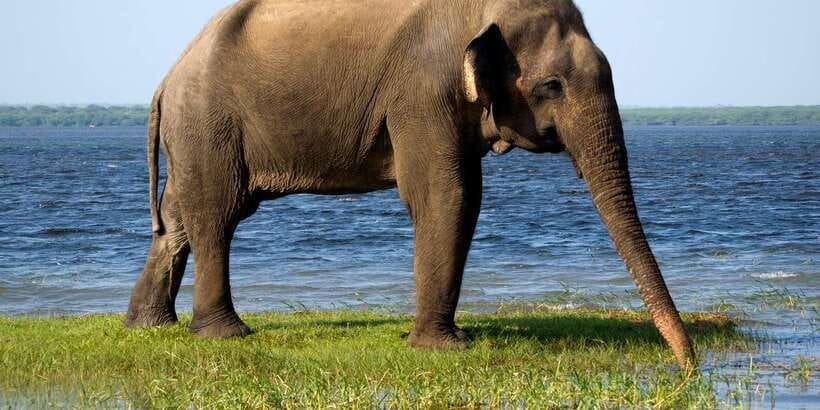
You’re going to be outdoors for a long time. You might get muddy. You’ll be scanning. And the comfort level of your day will depend on what you pack.
Based on practical safari experience, I’d bring:
- Light, breathable clothing you don’t mind getting dirty
- A towel or wet wipes, especially if mud shows up on the jeep track
- Snacks for between-meal hunger (lunch is included, but it’s still a long day)
- Any basic rain or sun protection you usually carry for an early start
If you like having options for cooling off, pack a towel at minimum. Some people find opportunities to rinse off during longer days on the coast, depending on what the day offers. The safe call is to bring items that work even if you don’t end up using them.
Also, bring a positive mindset about visibility. Safari days are weather-dependent, and animals don’t deliver a schedule.
Who should book this full-day Yala leopard safari?
This tour fits best if you want a focused wildlife day with real driving time. It’s ideal for:
- Couples and small groups who want the best odds within one day
- First-time visitors to Yala who don’t want to plan routes
- People who enjoy wildlife behavior, not just quick photo stops
If you’re traveling with someone who needs lots of action every hour, the midday vehicle pause and possible afternoon heat slowdown might feel a bit long. If you can handle patience, this structure makes sense. The payoff is a longer window for sightings across morning and afternoon.
Also, if leopard is your main target, the tour’s timing strategy matters. Seeing elephants in the morning and getting leopard luck later is exactly the kind of spread that maximizes your odds in a single day.
Should you book it? My practical take
I’d book this tour if you’re serious about maximizing Yala time and you’re okay with safari reality: sometimes you’ll get the leopard photo, sometimes you’ll get a leopard you only half-see, and sometimes you’ll end up with elephants doing something interesting right beside the road. Either way, the park is doing the work.
If you hate early mornings, this may test you. And if you’re counting on guaranteed leopard sightings, you’ll want to readjust your expectations. But if you’re game for a long, well-paced wildlife day—with drinks, lunch, a guide who spots and explains, and two drives—this is a strong way to experience Yala without turning your trip into logistics homework.
FAQ
What time do I get picked up?
Pickup is scheduled for around 5:00 AM from your hotel in the local area.
How long is the Yala leopard safari full day tour?
The duration is 12 hours.
Is lunch included?
Yes. You get a picnic lunch during the safari day.
Are drinks included?
Yes. There’s a cooler with drinks included.
Is the Yala National Park entrance fee included?
No. Entrance and service fees are not included, estimated at about 13,000 Sri Lankan Rupees (around 40 USD).
Where do you offer hotel pickup and drop-off?
Pickup and drop-off are listed for Yala, Tissamaharama, Kirinda, Kataragama, Weerawila, and Palatupana.
Is the guide available in English?
Yes. The tour includes a live tour guide in English.