REVIEW · LANZAROTE
Timanfaya National Park Trekking with a Typical Canarian Snack
Book on Viator →Operated by Curioseety SRLS · Bookable on Viator
Volcano time in Lanzarote feels oddly calming. This 3.5-hour trek around Timanfaya’s El Cuervo area mixes geology lessons with real moments to stop and taste the island. I love how the route is tight and focused, with a 9 km circular walk that still hits big highlights like crater walking. One thing to keep in mind: this is outdoors the whole time, so heat, sun, and weather can affect pace and comfort.
Two standouts for me are the friendly, information-packed guidance and the way the walk keeps switching gears. You start with volcanic formations, then move through lava fields where locals learned to live with harsh ground, and you end with a sunset viewpoint. A possible drawback is that you’ll want steady footing and stamina; it is not a sit-and-stroll.
If you come prepared, this is a very good value for what you get: guided access to crater territory plus a Canarian snack moment, not just a viewpoint stop.
In This Review
- Key highlights you’ll care about
- Why the Route of El Cuervo is more than a hike
- Meeting at Ermita de Santa María Magdalena: a calm start
- Masdache volcanic tunnel: where the geology starts clicking
- Ortiz Volcano layers to Colorado cone colors
- Volcán Negro and malpaís: learning to read lava fields
- The Canarian aperitif break: a snack that actually feels part of the tour
- Entering the El Cuervo crater: the highlight moment
- Sunset over Pico Partido: how to end on the right light
- Price and value: is $75.86 worth it?
- Logistics that can make or break your day
- Who should book this Timanfaya trek (and who should skip it)
- Should you book it?
- FAQ
- How long is the Timanfaya National Park trek?
- What distance will I hike?
- Is the tour in English?
- How big is the group?
- What food or drink is included?
- Where do I meet for the tour?
- What if the weather is bad?
Key highlights you’ll care about
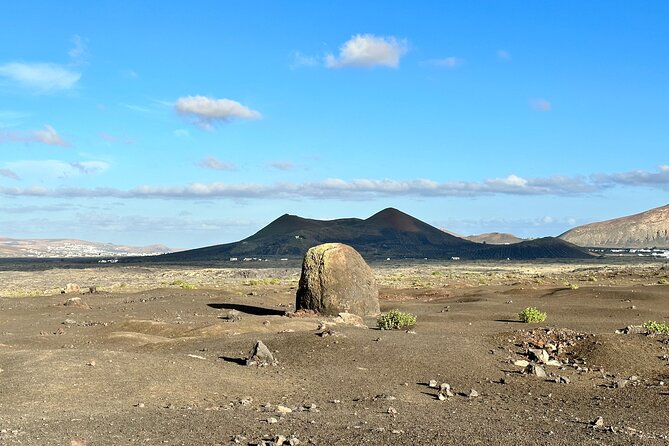
- El Cuervo crater walking: you get inside the volcano’s story, not just photos from outside
- Small group feel (max 10): more time for questions and better attention to where to step
- Volcanic tunnel stop at Masdache: a quick, mind-bending pre-hike geology primer
- Canarian aperitif with local wine: a proper break, not a token bite
- Sunset over Pico Partido: the day ends with golden-red light over volcanic ground
Why the Route of El Cuervo is more than a hike
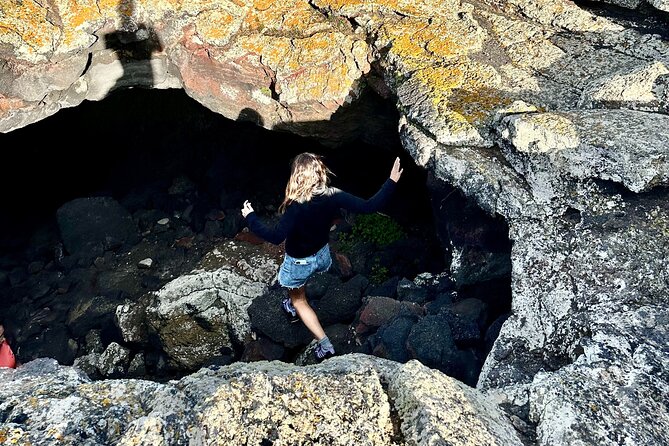
Lanzarote has a way of making volcanoes look like art. What I like about the El Cuervo route is that it does not treat Timanfaya like one long scenic drive you walk through. Instead, you move through distinct volcanic “chapters” on foot, so the terrain starts making sense.
The hike is a 9 km circular path, and the whole experience runs about 3 hours 30 minutes. That timing matters. It’s long enough to feel like an actual adventure, but short enough that you’re not spending the day exhausted before you can enjoy the rest of the island.
And because it’s guided, you’re not just staring at rock. You’re learning what you’re seeing—layers of ejected volcanic material, the look of different cone types, and how lava fields shaped everyday life. That turns the park from scenery into a kind of outdoors classroom.
You can also read our reviews of more tours and experiences in Lanzarote.
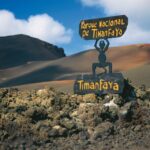
Meeting at Ermita de Santa María Magdalena: a calm start
The tour begins at Ermita de Santa María Magdalena, in Tías (address: Carr. El Centro, 28, 35572 Tías). You end back at the same meeting point, so you don’t have to worry about awkward end-of-day logistics.
I find that meeting point choices like this help your headspace. You’re not sprinting across town to catch a transfer. You show up, get oriented, and then you’re moving into the park.
Also, the tour uses a mobile ticket, and the experience is offered in English. If you’ve ever had to chase printed confirmations while traveling, this kind of setup saves time and stress.
Masdache volcanic tunnel: where the geology starts clicking
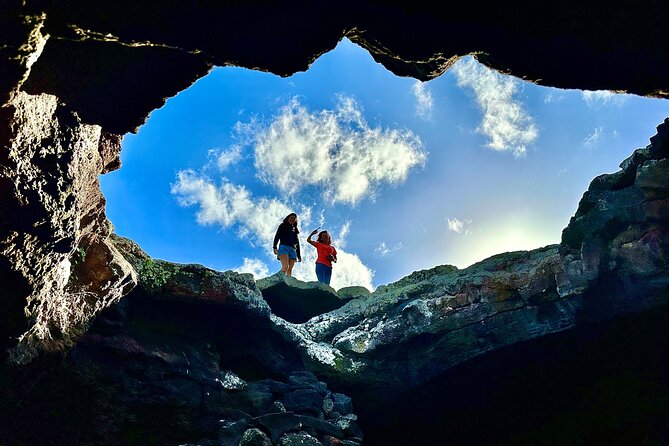
Before the main walk really gets going, you stop in Masdache for a volcanic tunnel visit. Even if you only stay briefly, this kind of stop changes how you’ll understand the rest of the route.
Tunnels are a clue that the park is not just about dramatic eruptions. It’s about how lava moved, cooled, and formed cavities over time. Once you’ve seen that idea, the later rocky textures start to feel more readable.
This also functions like a warm-up for your brain. You’ll be more alert once you start hiking, because you already know what to look for: shapes, layers, and the way different volcanic activity leaves different clues.
Ortiz Volcano layers to Colorado cone colors
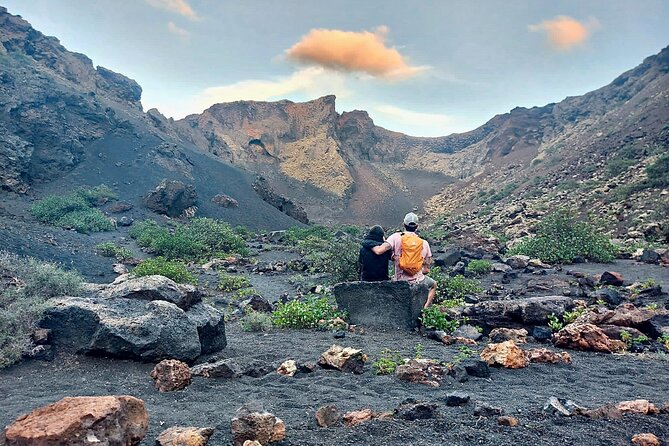
After the Masdache stop, the hike starts near the Ortiz Volcano. This is one of the “wow, that’s the texture of an eruption” moments. You’ll get to observe dramatic layers of ejected volcanic material. What I like here is the sequence: you learn to see layers before you move deeper into the hike.
Then you continue toward the Colorado Volcano, a strombolian cone with strong red tones. Strombolian cones tend to look dramatic because of how they’re built. The color is not random—it’s a visual cue tied to the minerals and how volcanic material oxidized as it aged.
For photographers, this section is useful even if you don’t take many pictures. You get natural reference points for scale and color, so your photos come out more than just “brown rock.”
Volcán Negro and malpaís: learning to read lava fields
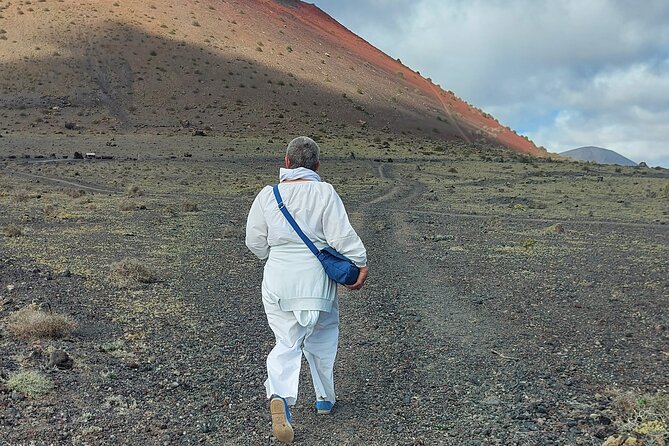
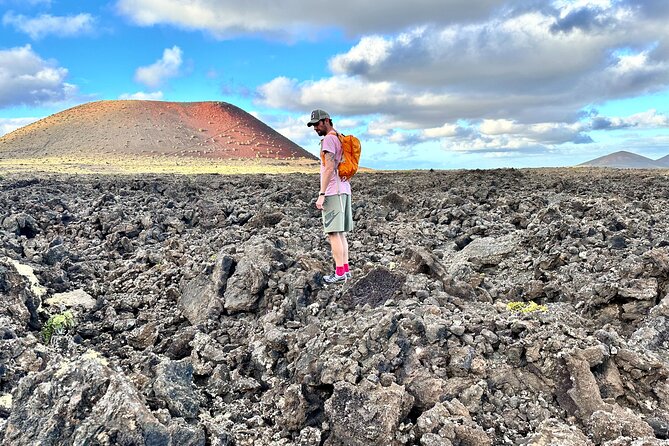
Next comes Volcán Negro (Volcán Negro), surrounded by rugged malpaís—lunar-like lava fields that can look completely lifeless at first glance.
Here’s the value of a good guide: you’re not only walking across bad-looking ground. You’re learning how locals have adapted to it. That includes the practical ways people found uses and ways to work with land that looks impossible.
This is also where comfort tips matter. Lava fields can be uneven and sometimes hot in full sun. If you’ve skipped sunscreen or water, you’ll feel it here. The experience is designed so most people can participate, but your body still needs basic support.
The Canarian aperitif break: a snack that actually feels part of the tour
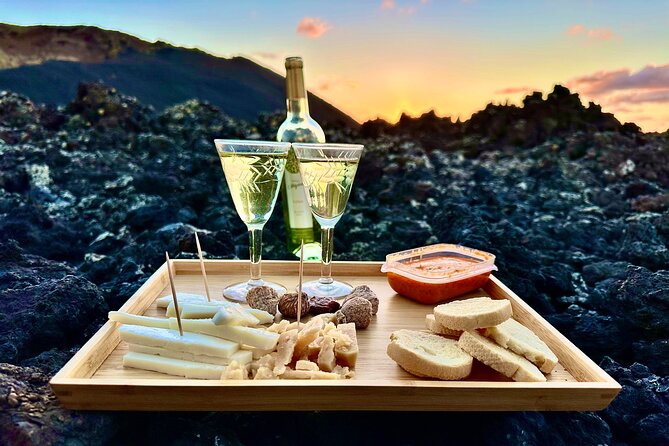
At some point along the route, you get a short break to enjoy a Canarian aperitif paired with local wine. This is one of the most praised parts of the experience, and honestly, I get why.
It’s timed for a reset. You’ve been walking through heavy volcanic terrain and strong visual impressions. Then you get a moment to sit, taste something local, and watch the environment without rushing.
The break also includes a look at a fallen palm tree, treated as a symbol of resilience in this harsh environment. That detail turns what could be a simple “drink and go” stop into something more meaningful. You’re still in the middle of volcanic reality—you just get to see it with slower eyes.
For your planning, treat this break like a mini meal. If you usually arrive hungry, eat beforehand. The snack is not described as a full meal, but it’s clearly a real part of the experience.
Entering the El Cuervo crater: the highlight moment
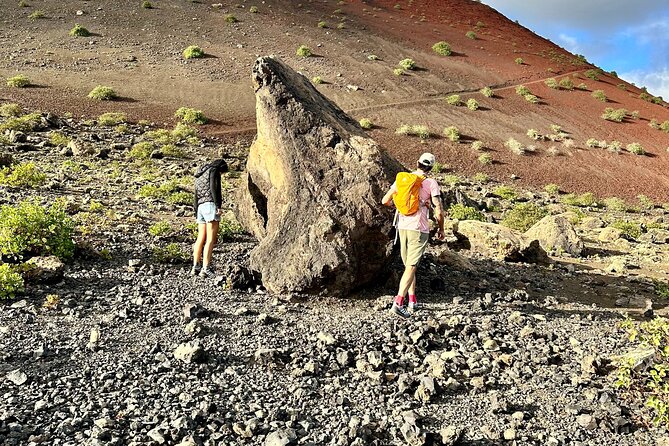
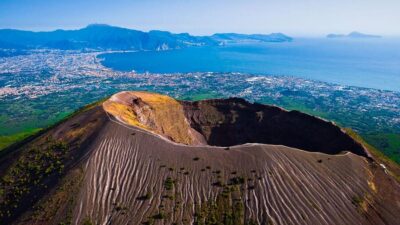
The big moment is entering the majestic crater of El Cuervo Volcano. This is the part that most people remember because it changes your position completely. Instead of just looking at volcanic forms from the side, you walk inside the crater—right into the heart of Lanzarote’s volcanic past.
This kind of walking access is exactly what makes guided experiences worth paying for. It’s not only storytelling; it’s the ability to be in the right place, in the right sequence.
Because safety comes first, the route may be adapted depending on weather conditions. That’s not a nuisance; it’s smart. Volcanic areas can get slippery, windy, or too exposed in harsh conditions, and your guide will adjust as needed.
Sunset over Pico Partido: how to end on the right light
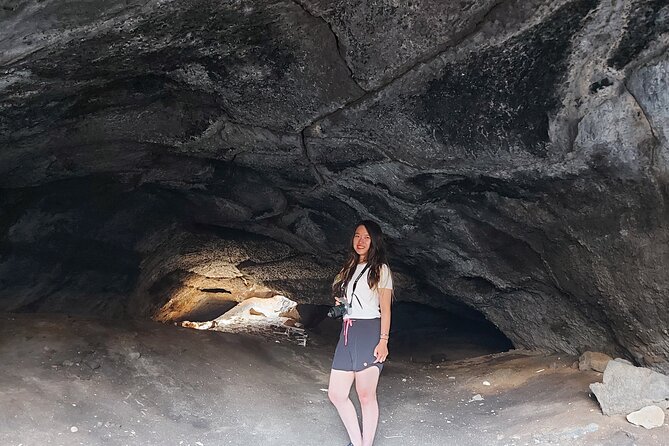
The tour concludes with sunset over Pico Partido, where the ground and cliffs shift into golden and red tones.
Even if you’ve seen sunsets before, this is special because the timing changes how volcanoes read. Under softer light, the rock stops looking harsh and starts looking sculpted. Shadows give depth to textures you couldn’t appreciate in the bright middle of the day.
If you’re planning your evening in Lanzarote, build in breathing room after the tour. You’ll likely want time to photograph and decompress before dinner.
Price and value: is $75.86 worth it?
At $75.86 per person, this is not a budget “walk yourself” activity. But it also isn’t overpriced when you break down what’s included and what you’re paying for.
Here’s where the value comes from:
- Guided access and explanations across multiple volcanic landmarks (Ortiz, Colorado, Volcán Negro, and El Cuervo)
- A structured route that totals about 9 km without you having to plan the geology stops
- Masdache volcanic tunnel stop before the main hike
- A Canarian aperitif with local wine, which is more than a quick snack
- Small group size (max 10), which matters for safety and attention on uneven terrain
If you compare it to DIY costs (transport, entrance logistics, and the time you might spend figuring out where to go), paying for a local guide often wins—especially in a park where the “why” matters as much as the “what.”
Logistics that can make or break your day
A few practical notes so you can enjoy the experience instead of worrying about it.
Wear comfortable walking shoes. This is volcanic terrain, so flat sandals are a bad idea. Bring a hat and sunscreen—the sun can be unforgiving around open lava fields. And carry water even if you think you won’t need it; you’ll be glad you did.
Because the group cap is 10 travelers, the pace can feel more natural than on big tours. That’s good, but it also means you’ll want to listen when your guide adjusts steps or route for conditions.
Lastly, the booking timing shows that this isn’t a last-minute gamble. It’s commonly booked about 11 days in advance, which usually means the best time slots fill first.
Who should book this Timanfaya trek (and who should skip it)
I think this tour fits best if you want an active Timanfaya experience that still has context. You’ll probably love it if you enjoy:
- guided geology in plain language
- a short hike that still feels like a real route
- local food moments that are timed well (the aperitif break)
- small groups and friendly, talk-to-you guides
You might skip it if you need a totally gentle, flat walk. The experience is described as suitable for most travelers, but volcanic ground can be uneven, and you’ll be outdoors for several hours.
If you’re the type who gets annoyed by feeling rushed, this can also be a good match because the day is planned around key moments, not just marching from one distant view to another.
Should you book it?
Yes, I’d book it if your goal is a guided Timanfaya walk with real highlights: volcanic tunnel context, crater walking at El Cuervo, a Canarian aperitif with local wine, and a sunset ending over Pico Partido. The small group size and high overall rating are a strong sign you’ll get the human touch along with the scenery.
I’d think twice only if you’re very sensitive to sun and uneven ground, or if you want a completely flexible day with no set timing. The experience runs about 3 hours 30 minutes, and weather adjustments can happen.
If you want Timanfaya to feel like a story you can walk through—this is one of the better ways to do it.
FAQ
How long is the Timanfaya National Park trek?
It lasts about 3 hours 30 minutes (approx.).
What distance will I hike?
The walk is a 9 km circular trail.
Is the tour in English?
Yes, the experience is offered in English.
How big is the group?
The tour has a maximum of 10 travelers.
What food or drink is included?
You’ll enjoy a typical Canarian aperitif paired with local wine during a break.
Where do I meet for the tour?
You start at Ermita de Santa María Magdalena, Carr. El Centro, 28, 35572 Tías, Las Palmas, Spain, and you return to the same meeting point.
What if the weather is bad?
The experience may be adapted depending on weather conditions for safety.