REVIEW · TENERIFE
Volcano Teide National Park Guided Tour from Puerto de la Cruz – Tenerife North
Book on Viator →Operated by canariasrent.com · Bookable on Viator
Teide at midday sounds simple, until the altitude hits. This guided trip is a practical way to see Tenerife’s volcanic high country, with a good mix of village life and crater views, plus optional Teide Cable Car time. I like the round-trip hotel pickup from Puerto de la Cruz, because it turns a long drive into a low-stress day. I also like that you get a guided explanation of what you’re seeing, including local flora and fauna, not just photo stops. One drawback to plan for: the cable car is optional and not guaranteed to operate, so you should decide based on flexibility, not hope.
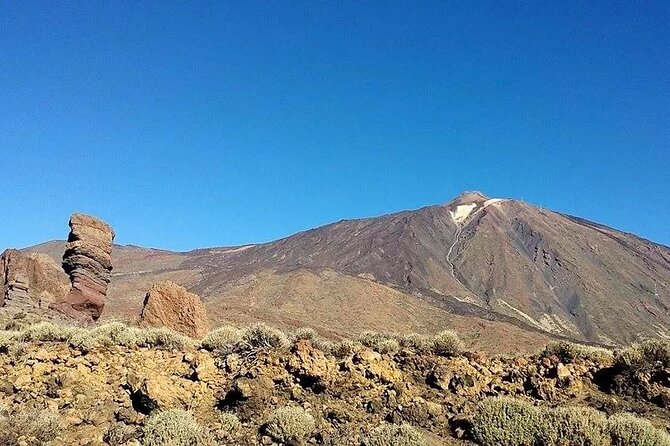
You’ll roll south first to Vilaflor, then go up to the Teide National Park area around 2,350m for a short walking window. The itinerary is paced for a single day—about 7 to 8 hours—so you’re not stuck on the bus forever. The park stops also include time at Los Roques de García, a famous cliff set that’s been used for classic Spanish imagery. The main consideration is physical comfort: you’ll be going up in altitude with plenty of curves on the road, and the cable car has restrictions (heart conditions, pregnancy, and very young children can’t ride up).
If you want a guided day that prioritizes highlights without overstuffing your schedule, this can work well. Just keep expectations realistic about how much time you’ll spend at each viewpoint, especially if clouds roll in or if the cable car is paused.
In This Review
- Key things to know before you go
- From Puerto de la Cruz to Vilaflor: starting at Tenerife’s highest village
- Entering Teide National Park at 2,350m: what 30 minutes really means
- Los Roques de García: the cliff stop built for photos and footing
- The optional Teide Cable Car: a worthwhile add-on, but not a promise
- The guide makes the difference: what you should look for during the day
- Price and value: when 74 dollars makes sense (and when it doesn’t)
- Timing, pacing, and the reality of curves
- Weather at Teide: clouds, visibility, and how the tour responds
- What to wear and bring for a high-altitude volcanic day
- Who this tour is best for
- Should you book the Volcano Teide National Park Guided Tour from Puerto de la Cruz?
- FAQ
- Where does this tour start?
- How long is the tour?
- What stops are included?
- Is the Teide Cable Car ticket included?
- What if the cable car is closed?
- Are there any health restrictions for the cable car?
- Is admission included for the park and cliffs?
- How many people are on the tour?
Key things to know before you go
- Puerto de la Cruz pickup and returns: less hassle than figuring out buses across the island.
- Vilaflor first: you start in Tenerife’s highest village before the big ascent.
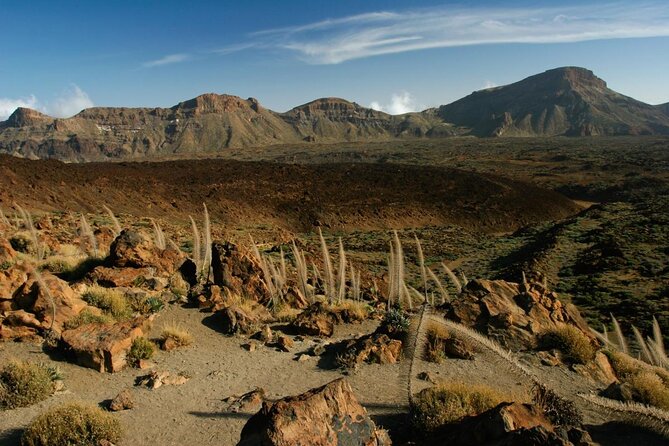
- Teide National Park walking time: short but structured at about 2,350m altitude.
- Los Roques de García photo stop: famous cliffs with time to wander.
- Cable Car is optional: extra ticket at 40€/person and subject to closures.
- Small-ish group: max 50 people, so your guide can keep things moving.
From Puerto de la Cruz to Vilaflor: starting at Tenerife’s highest village
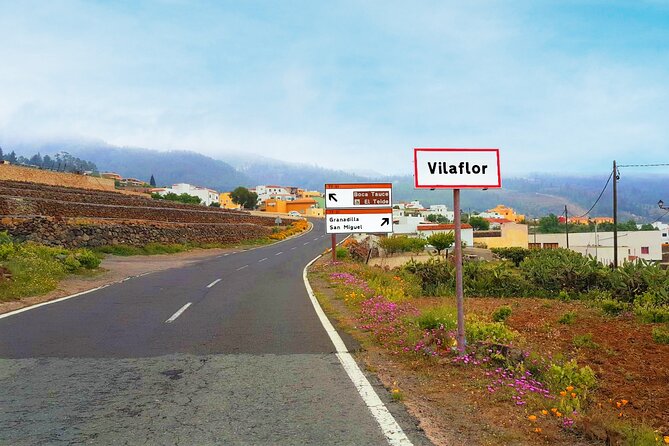
This tour is built around altitude from the start—without dumping you straight into a steep climb. Your day typically kicks off at 11:00am, with pickup from your Puerto de la Cruz hotel. That matters because Tenerife’s roads can be slow and twisty, and Teide is far enough from the north coast that a “DIY” attempt often turns into stress and wasted time.
Vilaflor is the first stop, and it’s a smart choice. It sits around 1,400m, making it a gentle on-ramp to the higher elevations you’ll reach later. You get about 20 minutes here, and admission is free. With that time, you can:
- get a quick feel for the village setting (often cooler and quieter than the coast),
- take a few photos,
- and use the short break to mentally prepare for the ascent.
If you’re the kind of person who likes travel days with at least one human-scale moment (not just mountains and parking lots), Vilaflor gives you that. It also sets context for Teide—because Tenerife’s volcanic landscapes don’t just sit there; people live next to them.
You can also read our reviews of more tours and experiences in Tenerife.


Entering Teide National Park at 2,350m: what 30 minutes really means
The heart of the plan is Teide National Park, where the tour time on site is about 30 minutes. Admission for that stop is included. The park area you’ll reach is around 2,350m above sea level—high enough that the air feels different fast, even when the day looks calm.
What I like about this setup is that it respects reality. Teide is not a place you can “rush through” safely or comfortably if the weather turns. A short, guided walking window is often the best compromise for:
- people who want the highlights without a full day of hiking,
- anyone who doesn’t want to deal with trail selection and timing on their own,
- and visitors who prefer to spend time at the viewpoints rather than navigating.
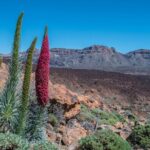
Your guide provides insight on the park’s history as well as local flora and fauna. That kind of commentary is especially useful at Teide, because volcanic terrain can look barren at first glance. Learning what survives—and why—helps you read the scenery instead of just watching it.
One important practical point: in higher altitude areas, clouds can roll through. If that happens, the view can either appear dramatically or disappear just as quickly. The tour’s pacing helps you still see something meaningful during that window, but it won’t magically guarantee blue skies.
Los Roques de García: the cliff stop built for photos and footing
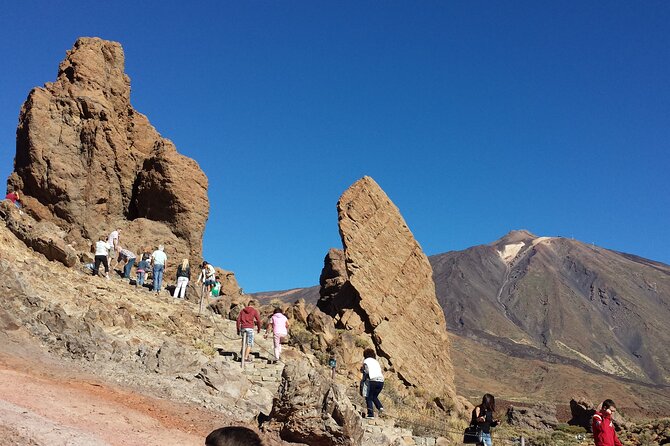
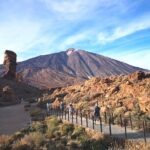
Next up is Los Roques de García, one of the most recognizable cliff-and-rock formations inside Teide National Park. You’ll have about 50 minutes here, and admission is free.
This stop is the best fit if you like:
- photo time that’s long enough to move around,
- dramatic rock shapes with lots of angles,
- and a change of pace from the shorter earlier park moments.
This area has cultural recognition too. It’s been used for an image on Spain’s 1,000 pesetas bills, so it’s not just a random scenic pull-off. The cliffs are visually iconic, and the extra walking time helps you get the angles your phone camera can’t always capture from one position.
The one caution is footing. Teide terrain can be uneven and exposed. Even when you’re not hiking in the classic sense, you’re still walking on volcanic surfaces and around rock edges. Wear shoes that handle rough ground and stay quick on slippery patches.
The optional Teide Cable Car: a worthwhile add-on, but not a promise
Teide Cable Car is where the tour can go from good to wow—assuming it’s running.
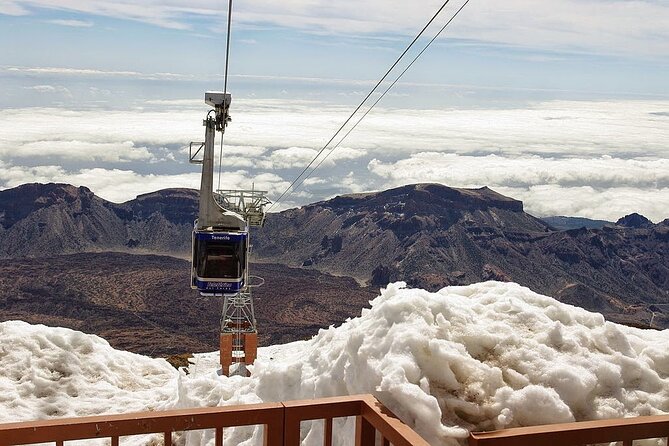
Here’s the deal: if you want to ascend, you need an additional ticket at 40€/person. The cable car stop is about 1 hour, and the ticket is not included. You should reserve your plan with two realities in mind:
- closures can happen due to weather conditions or maintenance,
- and if the cable car doesn’t run, the tour continues and you’ll spend a little more time on other stops.
That trade-off is important. You’re not paying extra for a guarantee—you’re paying for the chance at the view from higher up. In many cases, people who care most about summit views will gladly take that gamble, especially when clouds are inconsistent at altitude.
There are also health limits. Cable car ascent is not allowed for people with heart problems, pregnant women, and children under 3. If any of that applies, you’ll still get the main Teide National Park experience without the cable car. Just don’t plan around summit access.
From a planning standpoint, I’d treat the cable car like dessert: great if it works, but don’t make the whole meal dependent on it.
The guide makes the difference: what you should look for during the day
The guides are the glue of this tour. In the feedback, Alicia stood out—people praised her organization, timing, and the quality of her information. There’s also mention that at least one guide spoke three languages, which is a big deal when you want real explanations and not just a quick checklist.
What that means for you: you’ll get context that helps you understand what’s around you. At Teide, the details matter. Volcanic terrain is full of clues, and a good guide helps you connect:
- the terrain’s shapes to volcanic processes,
- and plants/animals to survival at altitude and low water availability.
I especially like tours where the guide stays on schedule. Teide days can get chaotic if the group loses time. Here, the pace is set up to keep you moving between stops without turning it into a waiting game.


Price and value: when 74 dollars makes sense (and when it doesn’t)
The tour price is listed at $74, and that’s before the cable car add-on. On paper, this feels like decent value because you’re buying a full half-to-full day package:
- round-trip transfers from Puerto de la Cruz hotel,
- guided commentary,
- and entrance to at least the Teide National Park stop.
But there’s a real tension here, and one review captured it well: someone felt the price didn’t match the services beyond transportation and “outside window” descriptions. Price complaints often come from one simple mismatch: people expect more time at Teide or a more immersive, longer hike. This tour is not that. It’s a highlights-and-structure day.
So here’s my practical take:
- If you want organized access plus a short guided walk at key Teide areas, the cost can be fair.
- If you’re expecting a long summit-focused hike with a guaranteed cable car ride, you’ll likely feel shortchanged unless you add the cable car and the weather cooperates.
Also remember the cable car cost is significant: 40€/person extra. If you plan to ride it, total value depends on whether the cable car runs during your day. If it doesn’t, you still get the main stops, but you won’t get that extra altitude push.
Timing, pacing, and the reality of curves
A day like this is about balance. The tour runs roughly 7 to 8 hours, with pickup around 11:00am and a full set of stops layered into that time.
You’ll spend limited time at each main location:
- Vilaflor: ~20 minutes
- Teide National Park: ~30 minutes
- Los Roques de García: ~50 minutes
- Teide Cable Car: ~1 hour if you add it
That structure is efficient. It’s also why the tour works best for people who prefer “see the main sights” over “linger for hours.”
One review flagged the ride: expect lots of curves and a big altitude change. That’s not a reason to avoid the tour—it’s a reason to prepare. If you get car sick easily, consider bringing your usual remedy and plan to sit where it’s most comfortable.
Weather at Teide: clouds, visibility, and how the tour responds
Teide is famous for changing views. Sometimes skies look promising until they suddenly don’t. A couple of feedback comments point to this: cloud cover can still allow good visibility, but it can’t be forced.
The cable car adds another weather variable. If it’s shut, the tour adapts by continuing the rest of the itinerary and adding a little more time elsewhere.
So you should go in with a mindset of flexibility. Your goal isn’t to win a perfect sky—it’s to experience Teide’s volcanic terrain in a guided, time-managed way. With that expectation, even partial views can still feel dramatic.
What to wear and bring for a high-altitude volcanic day
Teide isn’t a beach day. Pack like you’re going to a windy, cool-at-altitude environment—even when the coast feels warm.
I recommend:
- sturdy shoes for uneven volcanic ground,
- a light jacket or layers for temperature swings at altitude,
- water and a snack, since your main on-foot time is limited and dispersed,
- and a camera with enough battery, because lighting can change quickly.
If you’re doing the cable car, dress for comfort too. You’ll be at higher elevation, and conditions can shift.
Who this tour is best for
This guided Teide National Park tour is a strong match if you want:
- easy logistics from Puerto de la Cruz (pickup and drop-off),
- a guided interpretation of volcanic terrain,
- and a day plan that doesn’t require hiking planning.
It’s also a good option for couples, first-time visitors, and people who want an organized overview of Teide without the complexity of doing it independently.
If you want a summit mission, long hiking routes, or a guarantee of cable car access, you’ll probably be happier choosing a different style of Teide experience. This one is built for highlights and smart pacing.
Should you book the Volcano Teide National Park Guided Tour from Puerto de la Cruz?
Book it if you like structured sightseeing and want a guided route that gets you to Vilaflor, the Teide National Park area around 2,350m, and Los Roques de García in one smooth day. The hotel pickup alone can save you a lot of effort.
Don’t book it (or book only with realistic expectations) if you’re expecting hours of time at the highest viewpoints or a guaranteed cable car ride. The cable car is extra, and it can be closed. If summit views are your top priority, make sure you’re comfortable with the possibility that you’ll still enjoy Teide without reaching the cable-car top.
If you like your travel days efficient, informative, and view-focused, this tour fits that style nicely.
FAQ
Where does this tour start?
It includes pickup from your hotel in Puerto de la Cruz (near public transportation). The start time is 11:00am.
How long is the tour?
The duration is about 7 to 8 hours.
What stops are included?
You’ll visit Vilaflor, Teide National Park, and Los Roques de García. The Teide Cable Car is optional.
Is the Teide Cable Car ticket included?
No. If you choose to go up, you need an additional cable car ticket priced at 40€ per person.
What if the cable car is closed?
If the cable car can’t operate (weather or maintenance), the tour continues and you’ll spend a little more time on other stops.
Are there any health restrictions for the cable car?
Yes. People with heart problems, pregnant women, and children under 3 are not allowed to ascend by cable car.
Is admission included for the park and cliffs?
Teide National Park admission is included. Vilaflor and Los Roques de García admission are free.
How many people are on the tour?
The tour has a maximum of 50 travelers.