REVIEW · ANDALUSIA
Horse-Riding Tour in Doñana National Park
Book on GetYourGuide →Operated by ARTE ANDALUZ · Bookable on GetYourGuide
Doñana on horseback is pure Portugal, not—okay, it’s pure Andalusia magic. You’ll ride along the seashore, then move into the park’s dunes and natural areas where fauna and flora are part of the show. I love that it covers multiple ecosystems in just two hours, and I love that it’s doable even if you have little or no riding experience.
One thing to keep in mind: there’s a 100 kg maximum weight per person, and you’ll need to follow horse-safety rules closely (no backpacks or items that could spook the horses).
In This Review
- Key highlights you’ll feel right away
- Horseback and coastline: how the 2 hours actually play out
- Starting on the coast: your first taste of Doñana’s seashore
- El Coto pine forests: why the woodland stop is more than a break
- The dunes and sea viewpoints: the scenery payoff you can’t rush
- Virgin beaches: riding where the coast feels untouched
- Wildlife viewing chances: what to look for, without expecting a guarantee
- Who this tour fits best (and who should skip it)
- Gear and comfort: what you should bring (and not bring)
- Meeting point: how to avoid stress and start on time
- Price and value: is $40 per person worth it?
- The fine print that affects your day
- Should you book this horseback tour in Doñana?
- FAQ
- How long is the horseback riding tour in Doñana?
- What does the tour include?
- Is the tour suitable for people without riding experience?
- Where does the tour start?
- What time should I arrive?
- Are meals and drinks included?
- Is there a weight limit?
- What should I not bring?
- Is a helmet recommended?
- What language is the guide?
Key highlights you’ll feel right away
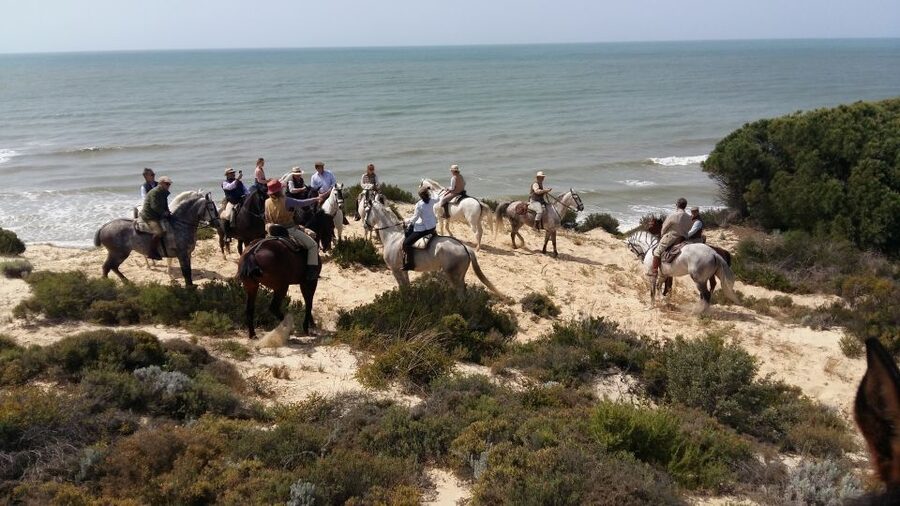
- Seashore riding: the ride stays connected to the coast, not just trail paths inland
- Three Doñana ecosystems: El Coto pine forests, dunes with sea viewpoints, and virgin beach stretches
- Wildlife viewing focus: you’ll be in the right habitats for native species like deer, boar, and even elusive lynx
- Beginner-friendly format: suitable for people without riding experience
- Practical safety and horse etiquette: helmet advice, safe distances, and no distracting gear
Horseback and coastline: how the 2 hours actually play out
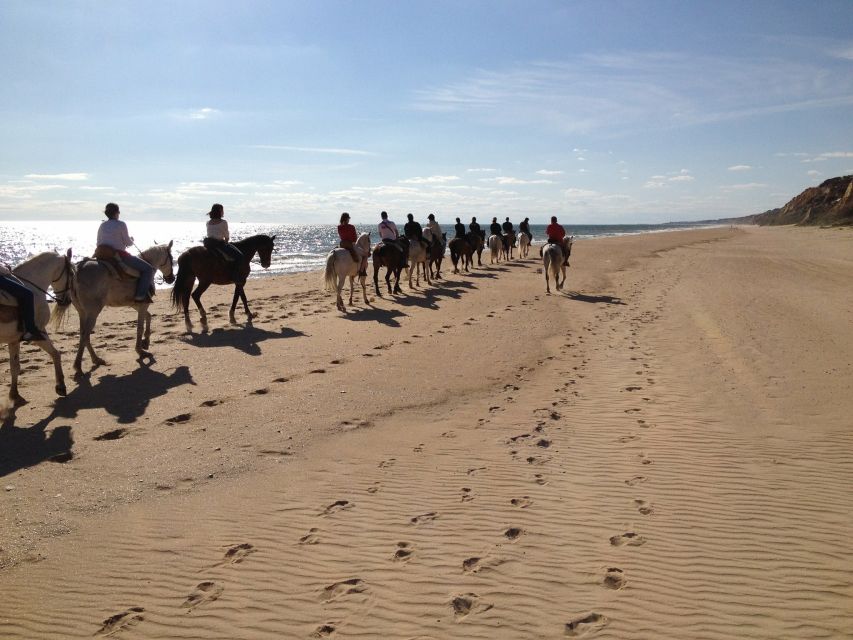
This is a tight, satisfying do-it-now kind of tour. In 2 hours, you’ll get a guided horseback ride that takes you through Doñana’s recognizable zones: coastal movement, dune scenery, and inland woodland. The big idea is simple—horse time isn’t just about transportation. You’re out there to experience Doñana as the park’s habitats shift around you.
The ride begins at the meeting point on the road between San Juan del Puerto and Matalascañas, near Mazagón (Huelva). Plan to arrive 20 minutes early. That time matters because you’ll get the guide’s talk and basic tips before you’re on the horse.
The tour is designed so first-timers aren’t left behind. You’ll still need to listen to instructions and ride carefully, but the setup is explicitly suitable for people without riding experience. If you’ve ever felt nervous about horseback activities, this kind of guided, habitat-based route is exactly the style that helps you relax and focus on the ride.
Starting on the coast: your first taste of Doñana’s seashore
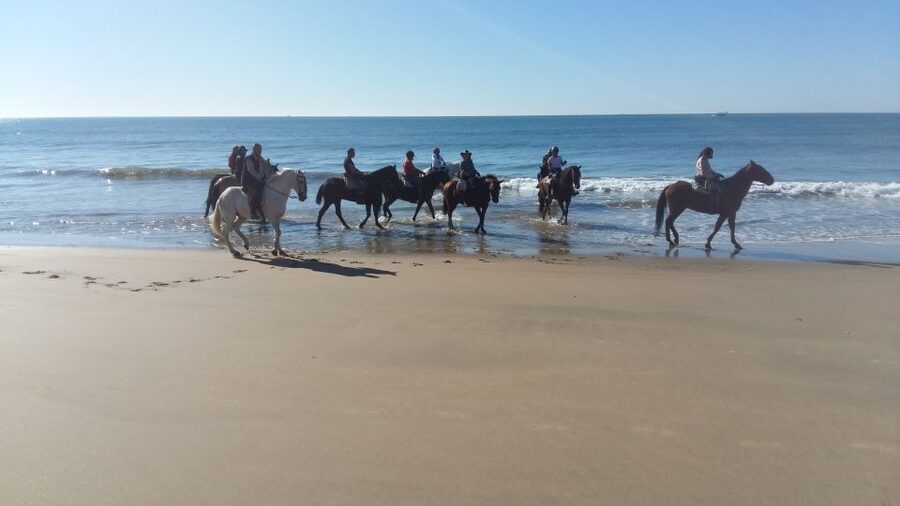
The headline experience is a horseback ride along the seashore. That matters because the coastal strip gives you more than just scenery—it changes the rhythm of what you notice. You’re out in open coastal space, then you transition toward dunes, so the tour feels like a natural progression instead of a loop that all looks the same.
Doñana’s coastline is also where the park starts to feel big. The description of the area includes some truly striking wildlife potential, from flocks of flamingos to the movement of deer and boar in the woodlands. On a guided ride like this, you’re not trying to sprint toward “the best photo.” You’re moving at horse pace, which is often the best pace for noticing what’s happening in your peripheral view.
If what you want most is that beachy, coastal feeling—salt air, open horizon lines, and a sense of space—this tour is built for that. Even in the short review highlight available, the beach is the clear winner.
El Coto pine forests: why the woodland stop is more than a break
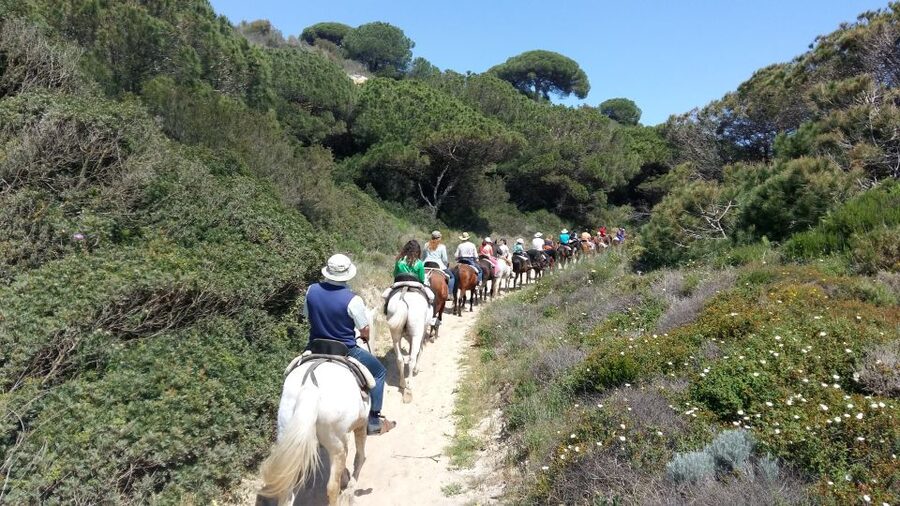
One of the most interesting parts is that this ride doesn’t only chase views. You also visit El Coto, known in this tour context for its native pine forests. That shift—from coast to woodland—helps you understand Doñana as a set of living habitats rather than one big “pretty place.”
El Coto is where you can better imagine the park’s animals doing their thing. The park is described as a place where huge herds of deer and boar flit through coto (woodlands). Even if you don’t see everything on cue, riding through native forest terrain gives you the right conditions for native sightings.
For me, this is a practical value point: when tours only focus on one environment, you end up with one kind of scenery. Here, your horse ride actually changes your visual world, which makes two hours feel longer and more satisfying.
The dunes and sea viewpoints: the scenery payoff you can’t rush
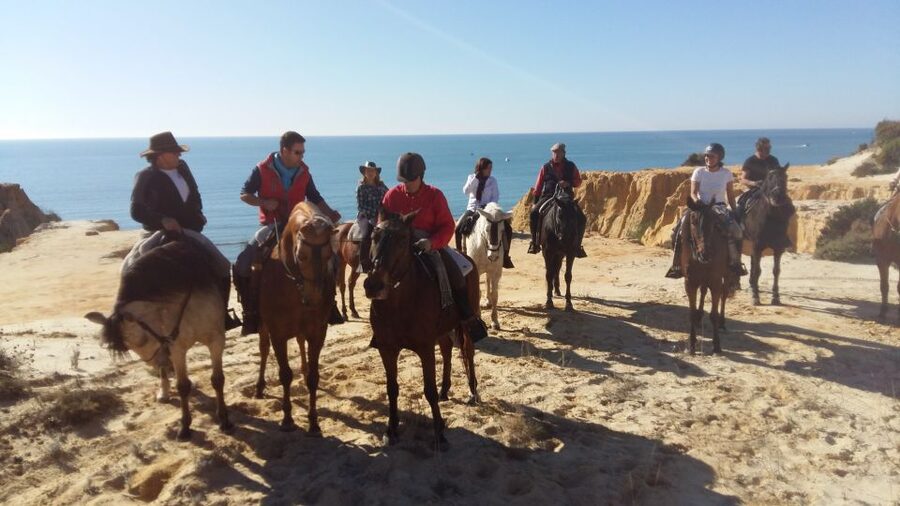
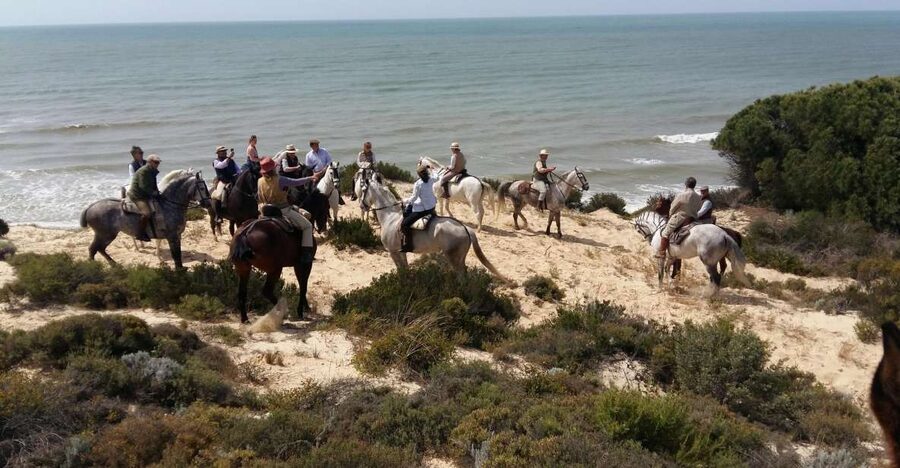
Next comes Dunas, with viewpoints to the sea. This is where the ride becomes very “Doñana.” Dunes add texture and height changes, plus they give you the feeling of stepping into a different world. The tour also explicitly includes the spectacular dunes experience, and it’s set up so you’re still moving on horseback—so you’re seeing how dunes work as a transition zone.
If you’re the type who likes to pause and take in a view, dunes are a great moment to do that. You’ll be guided, but the environment naturally slows you down. The guide’s job is also important here: dune terrain and horse movement require you to follow instructions, and the best results come from staying calm and attentive.
Virgin beaches: riding where the coast feels untouched
The tour also includes riding on the virgin beaches of Doñana. That wording is there for a reason. It signals that the beaches aren’t treated like an amusement strip. Instead, they’re framed as part of the protected area experience—space, stillness, and an unforced sense of being in a landscape with rules.
This is likely why the beach shows up as the most praised aspect. When a tour includes a beach ride but still feels structured and respectful, it tends to land well. Two hours on a beach from horseback is not something you can easily replicate on your own, and that’s what turns a “nice day out” into a real activity.
Wildlife viewing chances: what to look for, without expecting a guarantee
Doñana is described as a World Heritage–listed national park with big wetland energy (the Guadalquivir delta area). The tour description also points to some iconic species: flamingos, deer, boar, and the elusive Iberian lynx.
Here’s the balanced way to think about it. These are not “you will see X at Y time” promises in the provided details. Instead, you’re riding through habitats where these species are known to exist. Your best plan is to stay observant rather than fixated. Watch for movement, listen for changes in animal activity, and remember that wildlife often appears when you’re calm and still.
Also keep your safety in mind. The tour’s rules are clear about preventing disturbances to horses. That means you focus on seeing wildlife the right way: from your seat, following the guide, and not doing anything that would cause chaos.
Who this tour fits best (and who should skip it)
This is a great match if you want a guided way to experience Doñana without needing prior riding skills. It’s explicitly suitable for people without riding experience, which is a big deal for first-timers.
It may not be the right pick if you:
- Need to carry a lot of personal items. Backpacks and bags aren’t allowed.
- Are sensitive to rules around animal behavior. You’ll need to follow instructions at all times.
- Fall outside the 100 kg maximum weight per person.
If you’re a regular traveler who likes active experiences but still wants it guided and straightforward, this works well. Two hours is long enough to feel like an outing, short enough to fit into a busy Andalusia itinerary.
Gear and comfort: what you should bring (and not bring)
The tour is very specific about what not to carry, and that’s because horse behavior can be affected by unusual objects. Don’t bring backpacks, bags, selfie sticks, or anything that could alter how the horse acts. That’s not just a rule for fun. It’s your best protection for a safe, smooth ride.
Also, even though the tour says it’s advisable rather than mandatory, a helmet is strongly recommended. Plan clothing that lets you sit comfortably and move safely with the horse. And do your best to keep your hands and attention free—this is a guided ride, so your job is to follow cues.
One more practical note: meals & drinks aren’t included. If you’re booking at the wrong time of day, you can end up hungry fast afterward. Bring a plan for food before or after, since the tour itself is focused on the ride and the ecosystems.
Meeting point: how to avoid stress and start on time
This activity starts at:
Ctra. San Juan del Puerto – Matalascañas, Km 35.5, 21130 Mazagón, Huelva
Go there 20 minutes early. The guide uses that time for an informative talk and basic tips to follow. Arriving late can mean you miss the safety briefing, and on a horseback ride, that’s the part you really don’t want to skip.
The tour ends back at the same meeting point, which keeps logistics simple.
Price and value: is $40 per person worth it?
At around $40 per person for a 2-hour guided horseback ride, the value comes from three things you don’t get easily on your own: horses, local guiding, and protected-park access through multiple habitats.
You’re getting:
- Horseback ride
- Guide
No meals or drinks are included, so plan on spending a bit more if you need food. But if your goal is a memorable Doñana experience—coast plus dunes plus pine woodland—this price is reasonable for the level of effort, equipment, and guidance involved.
Also, the tour doesn’t require riding experience. For many people, that’s the real value: you’re paying to remove stress and learning curve.
The fine print that affects your day
A few details can shape how smooth the tour feels:
- The guide is live and Spanish. If you don’t speak Spanish, you may still be able to follow actions and safety cues, but the talk will be in Spanish.
- Maximum weight is 100 kg per person.
- You’ll be asked to keep a safe distance between each horse. That affects how close you can move around and how you should behave during stops.
- You’re expected to follow instructions at all times.
None of this should surprise you on a horseback tour. It’s part of what keeps the experience enjoyable for everyone.
Should you book this horseback tour in Doñana?
Book it if you want an active, guided way to experience Doñana’s coast, dunes, and woodland in a compact timeframe. The beach ride and the multi-ecosystem structure are exactly what make this one stand out, and the fact that it’s suitable for people without riding experience makes it a strong choice for first-timers.
I’d hesitate only if you’re not comfortable following strict horse-safety rules, you need to bring lots of gear, you’re over the 100 kg limit, or you’re expecting a guaranteed wildlife spotting show. For most travelers, though, this is a smart, value-focused way to feel Doñana beyond the viewpoint photos.
FAQ
How long is the horseback riding tour in Doñana?
The tour lasts 2 hours.
What does the tour include?
It includes a horseback ride and a live guide.
Is the tour suitable for people without riding experience?
Yes, it’s suitable for people without riding experience.
Where does the tour start?
It starts at Ctra. San Juan del Puerto – Matalascañas, Km 35.5, 21130 Mazagón, Huelva.
What time should I arrive?
Arrive 20 minutes before the activity starts, to listen to the guide’s informative talk and get basic tips.
Are meals and drinks included?
No. Meals and drinks are not included.
Is there a weight limit?
Yes. The maximum weight per person is 100 kg.
What should I not bring?
Don’t carry backpacks, bags, selfie sticks, or objects that may alter the behavior of the horse.
Is a helmet recommended?
It’s advisable to wear a helmet.
What language is the guide?
The live tour guide speaks Spanish.