REVIEW · ROCKY MOUNTAIN NATIONAL PARK
Star Tours Rocky Mountain National Park
Book on Viator →Operated by Rocky Mountain Journeys · Bookable on Viator
Milky Way viewing starts with a plan. This Rocky Mountain National Park night-sky tour is built around finding the clearest, most photogenic sky spots, then helping you capture it with your own camera or phone. I like the small group size (10 max), which keeps the focus on you, not crowd control. I also like the fact that the guide is actively choosing locations for the best likelihood of a Milky Way view. The main drawback: it’s not for everyone—serious medical issues, physical limitations, and altitude sensitivity can make this a poor fit.
You meet at the Beaver Meadows Visitor Center in Estes Park and spend about 3 hours under the stars, with time to wander the right viewing area and get picture guidance. Some nights you may be led by a guide named Rick, and the vibe is practical: safety comes first, and the goal is photos you’ll actually want to keep.
In This Review
- Key Points You’ll Care About
- Beaver Meadows Start: Setting Yourself Up in Estes Park
- How the Guide Finds the Best Milky Way Viewing Spots
- Photo Help That Turns Seeing Stars Into Keeping Them
- What 3 Hours Inside RMNP Feels Like at Night
- Weather Rules, All-Weather Execution, and Your Gear
- Small Group Size (Max 10) and Why That Matters
- Who This Star Tour Works For (And Who Should Skip It)
- Ticket Value and Why Admission Being Free Helps
- Should You Book Star Tours Rocky Mountain National Park?
- FAQ
- Where does the tour start?
- How long is the tour?
- Is admission included?
- What language is the tour offered in?
- Is the tour weather dependent?
- What is the cancellation window?
Key Points You’ll Care About
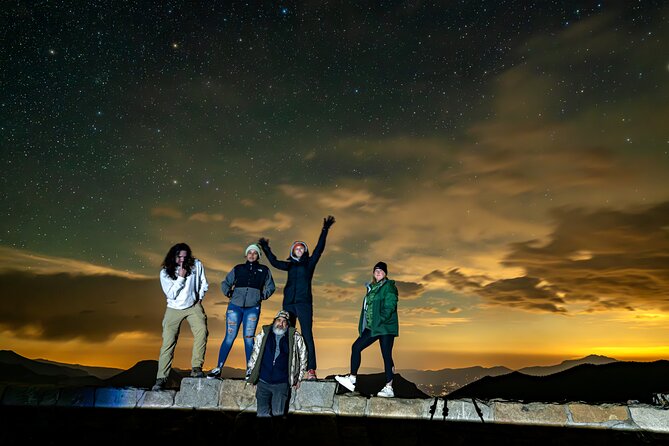
- Guide-chosen viewing spots based on the best chance for Milky Way photos
- Photo help during the tour, not just a quick look and go
- Small group (max 10) so you’re not stuck at the back
- Works in changing conditions as long as weather lets the sky cooperate
- Admission ticket included (ticket-free for the activity)
- Strong altitude awareness—not recommended if you’re sensitive
Beaver Meadows Start: Setting Yourself Up in Estes Park
Most star tours fail before they even begin. Not because of the stars, but because people show up rushed, confused, and unprepared for where to stand. This one starts at a clear, easy-to-find place: Beaver Meadows Visitor Center, 1000 US-36, Estes Park. That matters because in a national park, “meet somewhere near the trailhead” can turn into chaos once it’s dark.
The tour is also designed so you aren’t locked into a strict end-of-night plan. After it ends, you’re free to keep exploring in the park on your own. That’s a nice little win if you want a second look at the sky (or you just want a quiet walk before you head back to town).
The tour lasts about 3 hours, which is a sweet spot for most people. Long enough to build momentum—darkness settles in, your eyes adjust, and the Milky Way becomes more obvious. Short enough that you’re not spending the whole night shivering and losing focus.
You can also read our reviews of more tours and experiences in Rocky Mountain National Park.
How the Guide Finds the Best Milky Way Viewing Spots
Here’s the heart of this experience: you’re not arriving at one random turnout and hoping for the best. Your guide picks the location inside Rocky Mountain National Park with the highest likelihood of a great night-sky view. In real terms, that means the guide is factoring in where visibility is best and where the sky is easiest to photograph.
This is where the tour becomes more than “a walk and some stargazing.” The guide’s job is to reduce the variables you can’t control—like cloud cover, haze, and where the best angles are. You’re paying for that decision-making, and it tends to pay off when the sky cooperates.
Another key detail: the tour leaders run outings in all kinds of weather, but that doesn’t mean they ignore weather reality. They’ll still need conditions that allow star viewing. When conditions are too rough, the experience is weather-dependent and may be canceled and rescheduled (or refunded). So think of it like this: they’re ready for common mountain weather swings, but they still can’t create a clear Milky Way under thick cloud.
Photo Help That Turns Seeing Stars Into Keeping Them
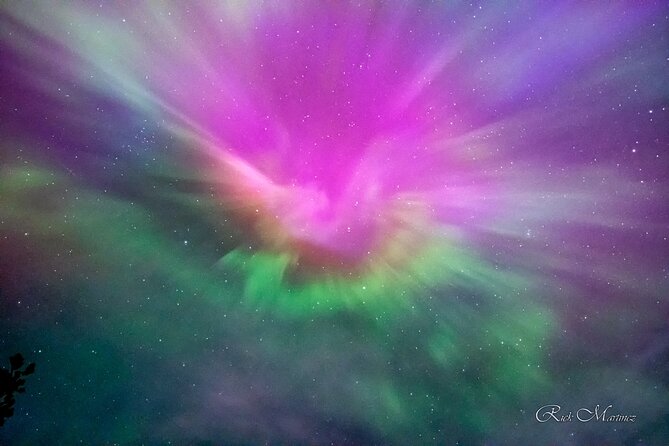
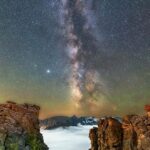
You might be someone who loves the night sky but never gets photos you like. Or you might be the person who gets a few decent shots and then wonders why the Milky Way looks stronger in real life than on your screen.
This tour is built for that exact gap. The guide helps you take memorable photos—and that’s more valuable than people realize. A lot of star tours end with a polite “good luck” and a thumbs-up at the stars. Here, you’re actively guided so you’re not guessing in the dark.
I like how this is handled: the guide doesn’t just point at constellations. They work with your reality on the ground—where you’re standing, what the sky is doing, and how to get the shot you came for. Some evenings led by Rick are described as attentive to safety while still getting you solid results. That combination matters. When you’re holding your camera while stepping around uneven ground in darkness, someone paying attention to safety is not optional.
If you want the best results, come with a plan for your device or camera. You don’t need to be a pro, but it helps if you’re ready to follow instructions without a full gear rescue mission mid-tour.
What 3 Hours Inside RMNP Feels Like at Night
A 3-hour star tour sounds simple until you’re out under the cold sky and trying to keep track of time while adjusting to darkness.
In this case, the structure is straightforward. You meet at the start location, then your guide leads you to the best viewing area in the park for Milky Way and night-sky chances. You’re there long enough for your eyes to adjust and for the photos to happen without rushing.
That duration also gives you room for the reality of mountain night conditions. Even when it’s clear, it can get windy. Even when clouds roll in, you might get a window of visibility. A three-hour block is practical because it allows the guide to stay flexible without feeling like you lost half your night when the sky doesn’t cooperate immediately.
And because the tour ends in the park (with freedom to stay after), you’re not cut off at the first sign of “tour over.” If you catch a stronger view at the end, you can keep looking.
Weather Rules, All-Weather Execution, and Your Gear
The tour has a “good weather” requirement. That’s the line in the sand. If conditions are too poor for star viewing, the experience may be canceled with an option for a different date or a full refund.
At the same time, the tour leaders say they lead outings in all kinds of weather. I read that as: you should expect changing mountain conditions and plan accordingly. You’re not getting a sunny-evening fantasy. You’re getting a guided night-sky experience that accounts for real weather patterns and real outdoor comfort needs.
So your best move is to show up ready. Bring the right gear for night conditions—especially wind, temperature shifts, and any chance of precipitation. If you tend to get cold easily, don’t treat this as casual. It’s a nighttime activity in the mountains, and comfort affects your enjoyment and your ability to focus on photos.
If the tour is canceled due to weather, you won’t just be left hanging. The system is set up to offer a different date or a refund, which takes some pressure off.
Small Group Size (Max 10) and Why That Matters
A maximum of 10 travelers might not sound like a big deal until you’ve done group activities in national parks at night. At higher numbers, you get separated, slowed down, and stuck waiting your turn while the best sky window passes.
With this group size, the experience is more controllable. The guide can watch footing and manage where everyone stands. They can also help with photos without someone’s attempt blocking another person’s shot.
You can also ask questions without feeling like you’re interrupting a moving bus. That’s the practical value of small groups: you get attention, not just instructions.
Service animals are allowed, which is a reassuring note for people who rely on them. Also, the tour says most travelers can participate, which suggests the activity is designed to be accessible for a typical visitor—though the next section is important for anyone with medical or altitude concerns.
Who This Star Tour Works For (And Who Should Skip It)
This is where you should be honest with yourself.
The experience is not recommended for travelers with serious medical conditions, physical limitations, or sensitivity to high altitudes. Rocky Mountain National Park sits at elevation, and altitude sensitivity can turn a fun night into a rough one fast. If you’re on the edge already—headaches, nausea, dizziness—this isn’t the night to gamble.
If you’re comfortable being outside, walking on uneven park terrain, and staying in one place long enough to watch the sky shift, you’ll probably enjoy this. The “most travelers can participate” note suggests it’s meant for a wide range of people who can handle a moderate outdoor night.
Also keep in mind: the guide is choosing locations for the view. That means you may not always stand exactly where you first thought you’d stand. If you have mobility constraints, double-check with the provider before booking.
Ticket Value and Why Admission Being Free Helps
One thing that improves the value here: admission ticket is free for the activity. That doesn’t just save money—it reduces decision fatigue. You don’t want to spend your evening doing paperwork or worrying if you brought the right entry pass while everyone else is already getting set up for the stars.
In terms of what you’re buying, the real value is the guide’s work: selecting the best sky spot, helping you with photos, and keeping the group safe and organized. If you want a hands-on guided night-sky experience, this is priced and structured to support that goal rather than just offering a casual viewing.
Should You Book Star Tours Rocky Mountain National Park?
Book it if you want a guided night-sky outing that focuses on Milky Way viewing and practical photo help, in a small group where the guide can actually manage the details. The Beaver Meadows meeting point is easy, the timing is reasonable, and the admission ticket being free is a nice extra.
Skip it or think twice if altitude sensitivity is a concern for you, or if you have serious medical or physical limitations. Also, go into it expecting weather dependence. The guide can handle changing conditions, but the activity still requires good enough weather to make stargazing worth it.
If you’re the type who loves looking up but wants photos that match what you see, this tour is a smart bet.
FAQ
Where does the tour start?
It starts at Beaver Meadows Visitor Center, 1000 US-36, Estes Park, CO 80517, USA.
How long is the tour?
The duration is about 3 hours.
Is admission included?
Yes. The admission ticket is listed as free for this experience.
What language is the tour offered in?
The tour is offered in English.
Is the tour weather dependent?
Yes. The experience requires good weather. If it’s canceled due to poor weather, you’ll be offered a different date or a full refund.
What is the cancellation window?
Free cancellation is available, and you can cancel up to 24 hours in advance for a full refund. Cut-off times are based on the experience’s local time.