REVIEW · ROCKY MOUNTAIN NATIONAL PARK
Rocky Mountain National Park Self-Guided Driving Audio Tour
Book on Viator →Operated by Travel with Action · Bookable on Viator
Rocky Mountain National Park is a lot of driving, thankfully this helps you make it count. This self-guided driving audio tour strings together viewpoints, short walks, and park history so you can explore at your pace without wrangling a big group. It covers a long 40+ mile route with 60+ location-based audio stories, so you get a guided feel even while you’re steering your own day.
What I really like is the offline setup. No cell signal needed once you download, and the audio can keep playing hands-free as you pull over for photos and quick hikes. Second, the value is strong because it’s priced per group (up to 4), so the cost per person gets very reasonable compared with bus-and-driver tours.
One thing to consider: the experience depends on your phone and car setup working smoothly. If your location/GPS lags a bit or you start at the wrong spot, you can end up hearing a story late—or having to manually move to the next one.
In This Review
- Quick hits you’ll care about
- Driving your own Rocky Mountain National Park day, but with an audio plan
- Offline maps and location-triggered audio: how to keep it working
- Timed-entry and road closures: the big planning stuff (brief, but essential)
- From Harbison Meadows to Beaver Ponds: starting strong with an easy walk
- Beaver Meadows up to Deer Mountain: your first big views climb
- Hidden Valley and the curve overlooks: the park’s “above tree line” story
- Ute and Arapaho stops, plus Alpine Visitor Center: nature with human context
- Medicine Bow Curve, Poudre Lake, and the high-alpine viewpoint stretch
- Colorado River Trail and the park’s construction-era stories
- Trailheads for different hikers: Bowen/Baker and Coyote Valley
- Grand Lake as your pivot point: amenities, pacing, and a detour choice
- Moraine Park, Cub Lake, and Fern Lake: detour scenery with different moods
- Odessa Lake area and Hollowell Park: a picnic-friendly pause before the lakes
- Sprague Lake sunrise potential, Bierstadt Lake solitude, and quaking aspens
- Ending at Bear Lake: your big-photo finish
- Who should book this self-guided RMNP audio drive
- Should you book Rocky Mountain National Park Self-Guided Driving Audio Tour?
- FAQ
- Does this tour work offline?
- How long does the drive take?
- How much is it, and is it per person?
- Do I need a park pass?
- Where does the tour start and end?
- How do I start the audio once I’m there?
- Do I need timed-entry permits for Rocky Mountain National Park?
- Can I pause and resume during the drive?
- Can I cancel for free?
Quick hits you’ll care about
- Offline maps and offline audio mean you’re not stuck in the Rockies waiting for bars to come back
- Location-triggered playback lets you pause for parking, then resume when you’re back on the road
- 40+ miles and 60+ stories is ideal for a focused half-day to full-day flex, not a quick drive-by
- Curves, overlooks, and high-elevation stops help you understand the park as you climb into the tundra zone
- History stops (cabins, barns, and early ranch life) give the scenery context, not just captions
- A logical ending in Bear Lake country helps you finish on some of the park’s most dramatic water-and-mountain views
Driving your own Rocky Mountain National Park day, but with an audio plan
This tour is built for one thing: freedom with structure. You’re not stuck with a schedule, yet you’re not just guessing where to stop either. If you want to linger at Medicine Bow Curve or quick-scan your way through like a speedwalker with a camera, you can.
The other major win is that it’s per car, not per person. For families, couples, or a friend group in one vehicle, that pricing model can keep the day from getting pricey fast. Add in that it’s new, lifetime access with no expiry, and it becomes a “buy once, use again” style of deal if you return to Colorado.
The tradeoff is simple: you do all the driving. Rocky Mountain National Park is stunning, but you still have to manage pull-offs, parking, and the fact that roads can change due to weather. This tour can’t fix road closures or timed-entry rules, so you’ll want to plan for those like you would on any RMNP day.
You can also read our reviews of more tours and experiences in Rocky Mountain National Park.
Offline maps and location-triggered audio: how to keep it working
The tour works through Action’s separate audio app (called the Action’s Tour Guide App). After you book, you get instructions plus a password by email and text, and you’ll download the tour using the app. One key step: you must download while you’re on strong wifi/cellular, because you’re aiming for real offline use once you’re in the park.
Once you’re set, the audio is designed to play on its own based on where you are. That means you can park at Beaver Ponds, walk the easy boardwalk, and the narration should keep time with the next story when you drive again. I also like that you can start any time, pause anywhere, and jump back in without losing the flow of the day.
To get audio in your car, you can connect your phone to your stereo with Bluetooth, USB, or AUX. If your car supports it, audio playback works with Apple CarPlay, and Android Auto support is on the way. If you plan to step out frequently for short walks, you might consider using headphones so you can still hear the guide while you’re moving around.
A practical caution: audio sync can be affected if you don’t stick to the intended route and speed. One common frustration is GPS lag, where the story triggers behind your actual position. The fix is boring but effective: follow the route cues closely and respect the speed limit.
Timed-entry and road closures: the big planning stuff (brief, but essential)
Rocky Mountain National Park uses timed-entry permits during the busy season. From May 23 to Oct 13, 2025, you need a timed-entry permit for 9 AM–2 PM. The Bear Lake Corridor needs permits through Oct 19, with access listed as 5 AM–6 PM.
Permits open monthly on the 1st day of the month, and day-of slots drop each night at 7 PM MDT. If you’re visiting near peak times, plan ahead so your drive isn’t cut short by “not allowed in yet.”
Also keep an eye on current road conditions. The tour info notes a temporary closure due to a winter storm: Trail Ridge Road is closed to thru travel (east side at Rainbow Curve and west side at Colorado River Trailhead), and Old Fall River Road is also closed. That can break the flow of a self-guided route, so check conditions before you drive up.
From Harbison Meadows to Beaver Ponds: starting strong with an easy walk
The tour starts and ends at Harbison Meadows Picnic Site (near RMNP, off US-34 in Grand Lake). There’s no guide meeting you, so your job is to open the app at the right starting point and let the audio trigger begin.
One of the best early moments is Beaver Ponds. This stop focuses on a calm, easy boardwalk through wetlands, which is a nice rhythm change from driving. You’re also likely to enjoy this even if you’re not an “all hikes all the time” person. The tour’s design gives you a story-rich reason to get out and stretch your legs.
Right after, the route funnels you through the park’s central visitor hub area: Beaver Meadows Visitor Center (also known as the Rocky Mountain National Park Administration Building). This is where you can orient yourself, refill water, and reset your brain for the climb that follows.
Beaver Meadows up to Deer Mountain: your first big views climb
After you’re situated near Beaver Meadows, you’ll reach the Deer Mountain Trailhead, a spot that leads up about 1,000 feet for mountain-summit views. Even if you don’t go all the way, the trailhead context helps you understand what kind of terrain you’re in and why the park is so famous for big elevation payoffs.
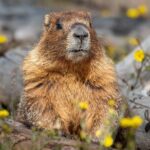
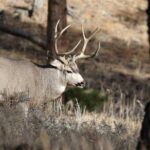
Then you’re in “picture postcard driving” mode. The tour frames the move through the park’s most scenic stretch: vistas, lush meadows, and chances for wildlife. That matters because it tells you what to pay attention to while you’re moving—so you’re not only staring at the road.
This is also a good time to remember an honest RMNP truth: you’re going to drive a lot. So if you’re traveling with kids, older parents, or anyone who gets restless, plan short pull-offs as part of your rhythm rather than trying to do the whole day nonstop.
Hidden Valley and the curve overlooks: the park’s “above tree line” story
Next is Hidden Valley, described as a boreal forest with tough flora. This isn’t just “pretty woods” narration. It sets up the bigger theme of the day: the park changes as you rise, and different plants survive different conditions.
Then the tour takes you to multiple overlook stops that help you read the mountains like a map:
- Many Parks Curve Overlook: a view with three mountain meadows
- Rainbow Curve Overlook: at the altitude where most trees can no longer grow
- Forest Canyon Overlook: a vista from about 12,000 feet
- Lava Cliffs Overlook: 28-million-year-old cliffs that reshape how you think about the Rockies
- Gore Range Overlook: named for the deep red coloring at certain times
These stops do two things for you. They give you specific places to aim your camera, and they explain why the terrain looks the way it does. That’s the difference between a drive that’s just scenery and a drive that actually teaches you what you’re seeing.
One small practical drawback: because there are many overlooks in sequence, you might feel pressure to rush between them. The tour helps because you can pause anywhere, but you still have to choose how many pull-offs you want to tackle on the day.
Ute and Arapaho stops, plus Alpine Visitor Center: nature with human context
The audio weaves in Indigenous history at a few points, including the Ute Trailhead and Forest Canyon Overlook area content about the Arapaho tribe. You’ll also hear about the Ute and Arapaho presence in the Rockies, plus another tribal reference later around the Onahu Trailhead.
This matters because it keeps the day from becoming only geology and peaks. You see that people lived here, moved through here, and shaped the cultural meaning of these mountain spaces long before modern park signage.
Then comes Alpine Visitor Center—a high point for comfort and information. It’s noted as the highest-elevation visitor center in any US national park, and it’s also where you’ll want to stop for a snack, a restroom break, and a slow breath after altitude.
Medicine Bow Curve, Poudre Lake, and the high-alpine viewpoint stretch
The tour doesn’t just list viewpoints; it connects them with altitude and climate.
- Medicine Bow Curve: high enough that you can see the state of Wyoming from the vista
- Poudre Lake: freezes top to bottom each winter
- Fairview Curve Viewpoint: focused view of the Never Summer Mountain Range
If you’re wondering why these “high” stops are so repeatable, it’s because they change with weather and time of day. Even on a first visit, the story framing helps you understand why fog rolls in differently, why lakes behave like they do, and why tree lines look sharp instead of gradual.
If you’re traveling with someone who gets bored by narration, this is where the tour’s audio cues can still win. You’re hearing a reason to stop, not just a description of a stop.
Colorado River Trail and the park’s construction-era stories
After the high-elevation overlook run, you shift toward the Colorado River Trail segment. The narration focuses on views of the famous Colorado River, plus surprising history about the river itself.
Then you get a set of stops that feel like stepping into the park’s development timeline:
- Timber Creek Road Camp Barn: a glimpse into the ambitious construction project past
- Holzwarth Historic Site: from a small family home to one of the nation’s first dude ranches before the area became a national park
This is a nice break from pure scenery. You’re still in the park, but your mind is learning how people built, used, and adapted to this region.
Trailheads for different hikers: Bowen/Baker and Coyote Valley
As you continue, the audio includes trailheads that can help you decide on-the-spot how ambitious you want to be.
You’ll reach Bowen/Baker Trailhead, described as one of the park’s longest trails and geared toward experienced hikers. Next is Coyote Valley Trail, framed as a good option for hikers who want something easier and shorter, with opportunities for fishing.
Then there’s another Indigenous context stop at the Onahu Trailhead. This keeps the day from turning into a one-note “mountains only” tour.
If you’re not sure about hiking plans, here’s a simple approach: pick one trail you’ll actually do, and use the others as “look and decide” viewpoints. The tour gives you the information so you’re not stuck guessing once you’re parked.
Grand Lake as your pivot point: amenities, pacing, and a detour choice
Your main tour concludes in Grand Lake, a logical place to reset. It has the kind of amenities you’ll appreciate after a long drive day—food, rest, and general “we made it” energy.
There’s also mention of a Bear Lake detour route that brings you to additional scenic areas. This is important because it changes how long you spend and how far you push into the park’s more famous lake country.
If you don’t want to think too hard, treat Grand Lake as your checkpoint. Eat something, check road status, and then decide whether you want to keep rolling toward the big finale.
Moraine Park, Cub Lake, and Fern Lake: detour scenery with different moods
When you choose the detour, the narration starts with Moraine Park Amphitheater, tied to the park’s early days. Next is Moraine Park, which is highlighted for scenic horseback riding.
Then:
- Cub Lake Trailhead: a stop that includes information about lasting damage from wildfires in the park
- Fern Lake Trailhead: described as a calmer place away from crowds
These stops are especially useful if you like variety. You get a mix of classic meadow visuals, a reminder that nature changes fast, and a chance to step into quieter terrain.
Odessa Lake area and Hollowell Park: a picnic-friendly pause before the lakes
After Grand Lake, the route continues toward Odessa Lake–Flattop Mountain Junction, where the narration connects the area to Eagle Cliff Mountain, named for golden eagles and bald eagles seen frequently in the region.
Then you’re directed to Hollowell Park, pitched as a relaxing picnic option with excellent views of Mill Creek Basin below Longs Peak. This is the kind of stop that can make the day feel less rushed. It also helps if your group needs a break from pulling over every 10 minutes.
Sprague Lake sunrise potential, Bierstadt Lake solitude, and quaking aspens
Next up is Sprague Lake, called one of the best spots in the entire park for sunrise. If you can get there early, it’s worth planning around. Even if you miss sunrise, it’s still a top lake stop in the route, and the audio context helps you notice how the light changes water and rock.
Then you hit Bierstadt Lake Trailhead. It’s described as beautiful like Sprague Lake but with fewer visitors, so it’s better if you want a bit more calm.
Finally, you reach Glacier Gorge Junction, where you’ll get a trek through quaking aspens, which the narration frames as iconic and among the hardiest trees around. This is where the tour’s audio can help you look beyond the big peaks and appreciate the details that make fall and shoulder season so special.
Ending at Bear Lake: your big-photo finish
The tour concludes at Bear Lake, one of the park’s signature areas. The audio frames it as a phenomenal place for final photos and soaking in the pristine Rocky Mountain beauty before you head back out.
Bear Lake is a good ending because it’s visually rewarding even if your legs are tired. And you’ll likely feel like the day “closed the loop” once you get there—starting with wetland boardwalk calm at Beaver Ponds, finishing with wide lake views and big mountain angles.
Who should book this self-guided RMNP audio drive
This tour is a strong fit if you:
- Want a budget-friendly way to add guidance without hiring a full tour guide
- Prefer your own pace with hands-free stories while you drive and stop
- Like learning as you go, especially when the narration covers both geology and human history
- Are traveling with up to 4 people in one car and want the per-group pricing to work in your favor
You might skip it (or set expectations lower) if you:
- Want lots of deep, technical geology or long-form animal studies at every stop
- Get frustrated if GPS triggers late or if your phone setup is temperamental
- Are visiting under winter conditions where content depth can feel thinner depending on the specific season route
Should you book Rocky Mountain National Park Self-Guided Driving Audio Tour?
I’d book it if you want a smart, affordable way to turn a long RMNP drive into a day that has meaning. The offline audio and maps are a real advantage in a place where signal fades, and the location-based playback makes it easy to stop for a photo without losing the story.
If you’re the type who hates apps, hates charging your phone, or expects a full-service guide who handles every timing issue, then you’ll probably find it annoying. But if you can handle a little tech and you’re ready for self-directed stops, this is a practical way to experience Rocky Mountain National Park without paying for a guided group.
FAQ
Does this tour work offline?
Yes. After you download the tour in advance while you have strong wifi/cellular, it works offline with no data or SIM card needed.
How long does the drive take?
Plan for about 2 to 3 hours for the full experience, with the route described as taking roughly 2–3 hours to complete. The overall duration is listed as about 2 to 4 hours.
How much is it, and is it per person?
It’s $16.99 per group, up to 4 people in the same group/car.
Do I need a park pass?
Park passes are not included.
Where does the tour start and end?
It starts and ends at Harbison Meadows Picnic Site near RMNP (US-34, Grand Lake, CO 80447).
How do I start the audio once I’m there?
Open Action’s audio tour guide app at the starting point. If there’s more than one version, choose the one matching your planned starting point and direction. The first story should begin automatically at the correct location.
Do I need timed-entry permits for Rocky Mountain National Park?
Timed-entry permits are required from May 23 to Oct 13, 2025 for 9 AM–2 PM. Bear Lake Corridor access also requires permits through Oct 19, 2025, with access listed 5 AM–6 PM.
Can I pause and resume during the drive?
Yes. The tour is designed for you to start and pause at any time, take breaks for snacks and photos, and then continue after you resume driving.
Can I cancel for free?
Free cancellation is available. You can cancel up to 24 hours before the experience starts for a full refund.