REVIEW · ROCKY MOUNTAIN NATIONAL PARK
Rocky Mountain National Park:Star Tour
Book on GetYourGuide →Operated by Rocky Mountain Journeys · Bookable on GetYourGuide
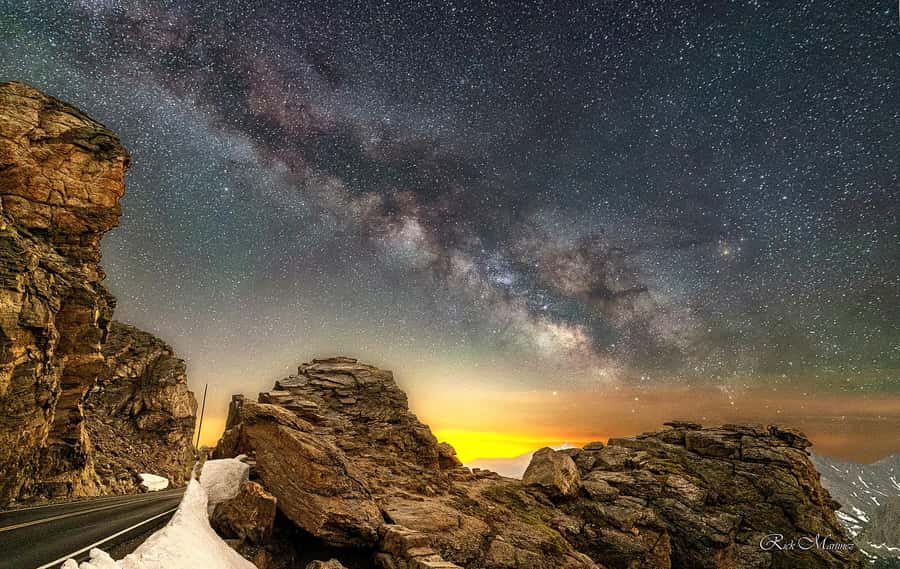
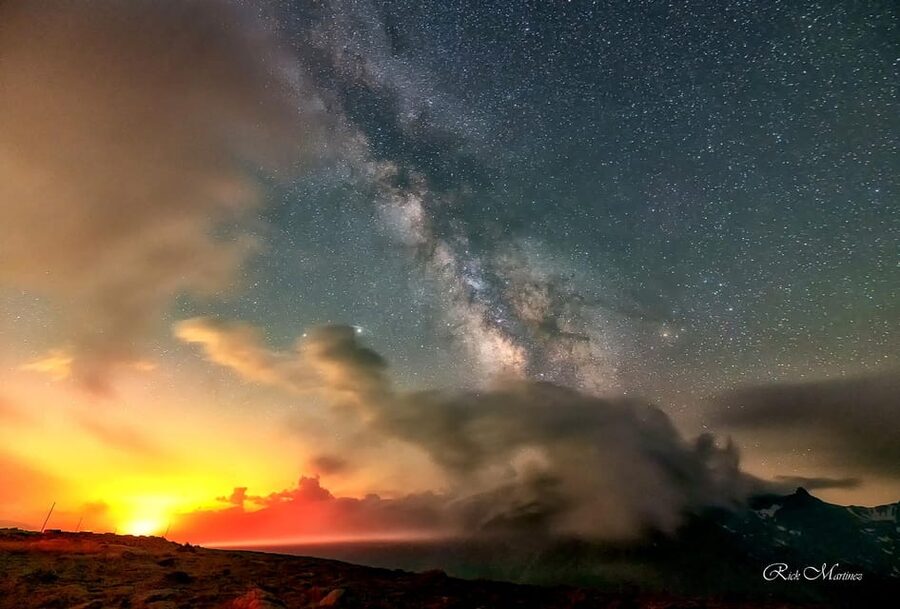
The night sky has a learning curve. This Rocky Mountain National Park star tour mixes cell phone night photography coaching with guided star-spotting and includes digital photos of your group under the stars. It is the kind of trip that turns looking up into something you can actually get right.
I really like that the experience is paced with a small group (10 max), so Rick can slow down for questions instead of rushing everyone. You’ll spend about 2 hours on location working the night sky, then you’re free to enjoy the park on your own afterward.
One consideration: the tour involves driving at night to reach your photo stops, and the dark roads can feel unnerving if you dislike low-visibility driving or roadside drop-offs.
In This Review
- Key Things To Know Before You Go
- Beaver Meadows Meeting Spot And How The Tour Moves
- Nighttime Photo Stops: Scenic Driving, Then Quick Shoots
- Easy Walks Up To 200 Yards And Star-Spotting Lessons
- Cell Phone Night Photography Training You Can Use Again
- Your Star Photos: 3 Digital Images Plus Optional Prints
- Rocky Mountain Entry Passes And The Summer Re-Entry Catch
- Price At $159: What You Get For The Money
- What To Bring (And What Not To) For A Cold, Dark Adventure
- Who This Small-Group Tour Is Best For
- Should You Book Rocky Mountain Journeys Star Tour?
- FAQ
- How long is the Rocky Mountain National Park Star Tour?
- Where do we meet for the tour?
- Do I need a timed-entry permit to enter Rocky Mountain National Park?
- How many photos are included?
- Is there walking during the experience?
- What should I bring, and can I bring alcohol?
Key Things To Know Before You Go
- Small group size (10 participants max): better attention and a calmer pace for night photos
- 3 digital star photos included: delivered about 2–3 weeks after the tour
- Cell phone night photography instruction: practical help designed for what you already carry
- Easy walking (up to 200 yards): short steps, not a long hike
- Cold-weather reality: warm layers matter because the RMNP nights get chilly
- Rocky Mountain National Park access rules: you need a park pass, and summer re-entry restrictions can matter
Beaver Meadows Meeting Spot And How The Tour Moves
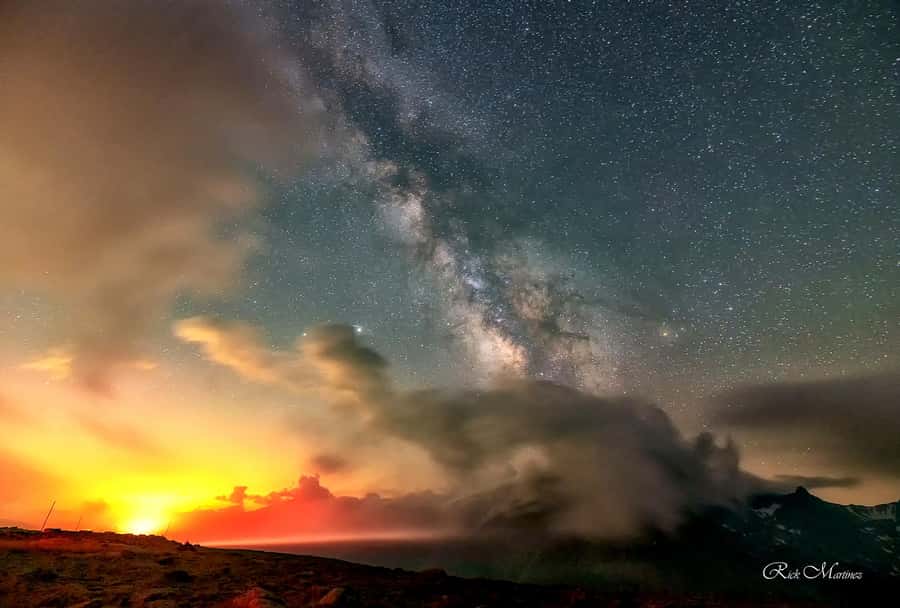
The tour starts at the Beaver Meadows Visitor Center. When you arrive, your guide (Rick) will be standing outside his vehicle in the parking lot, ready to match your group with a spot and get you organized for the night ahead.
From there, you follow along in the guide’s vehicle to the best nighttime locations. The total duration is 3 hours, but the time that counts for the sky work is about 2 hours on location. That structure matters: you’re not stuck in the dark for the whole evening, and you have a real window to set up, pose, and learn.
This is also an easygoing physical setup. There’s walking, but it is kept short, up to 200 yards, which means you can focus on the experience instead of your legs. It’s wheelchair accessible, which is a major plus for groups that want night sky views without turning the outing into a hike.
You can also read our reviews of more tours and experiences in Rocky Mountain National Park.
Nighttime Photo Stops: Scenic Driving, Then Quick Shoots
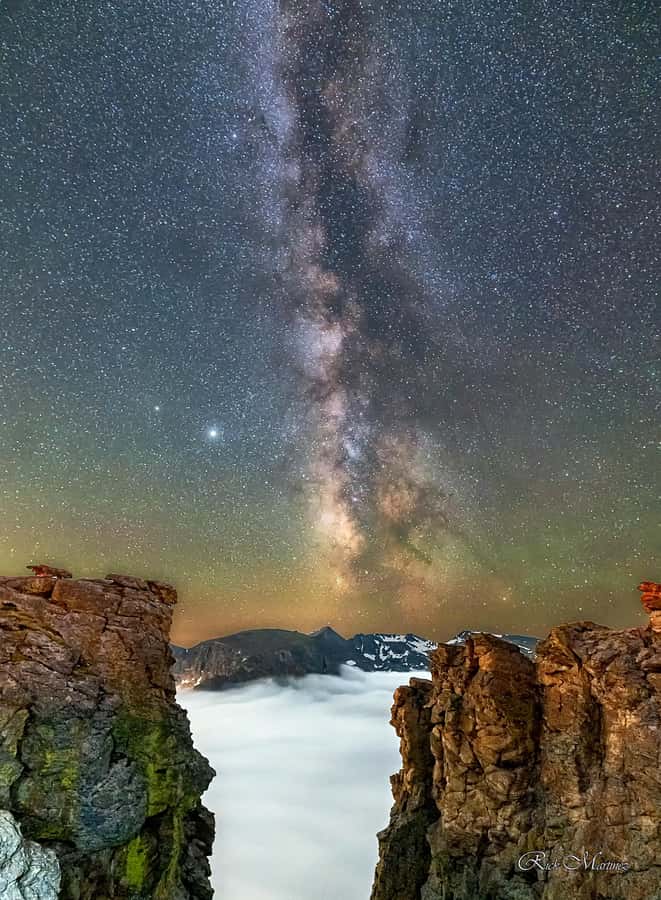
Expect the tour to include both a scenic drive and photo stops. Driving is part of the deal in Rocky Mountain National Park because the best star photography usually depends on getting to darker spots.
Here’s the practical heads-up: you’ll be traveling in the dark to reach the first location. One person noted the roads felt pitch black and added noticeable travel time before the first stop, with cars still moving nearby. If you are sensitive to dark roads, cliffs, or tight roadside margins, think about comfort ahead of time.
What I like about how the tour runs is that you’re not just dropped off. Rick works the night like a plan: stop, set expectations, guide the group through the photo moment, then move on. That’s especially helpful if you’re trying to take nighttime pictures with a phone and you don’t want to guess your way through it.
A small tip from the same sentiment: fill up your tank before you head out. Night tours are hard to improvise if you end up low on gas, and it can help you feel calmer before you start.
Easy Walks Up To 200 Yards And Star-Spotting Lessons
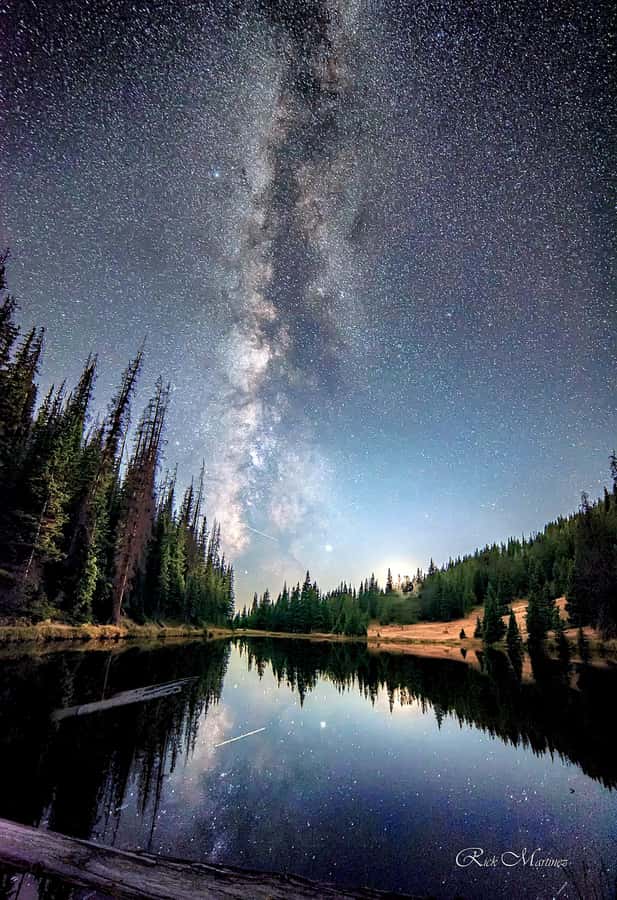
Once you’re on location, the walking is light: easy walking up to about 200 yards. This is designed so you can get to a good viewing spot without turning the experience into endurance training.
You also get guided instruction on the night sky. The tour is built around helping you notice more than just bright points. The goal is to leave you looking up with more context, not just more awe. One reviewer put it plainly: they learned more about the sky than they expected. That’s the best kind of learning for a vacation—short, fun, and usable immediately.
Rick also keeps the group moving at a pace that works for photography time. With night photos, you often only get a few chances to capture the moment you want because the sky changes and light conditions shift. Having a guide who knows how to manage timing for a small group is a big quality factor here.
And because it’s a limited-size group, you’re less likely to feel like you’re waiting your turn forever. You can focus on getting your shot while still hearing the explanation.
Cell Phone Night Photography Training You Can Use Again
A lot of stargazing tours stop at, look up. This one goes a step further with instruction on how to use your cell phone for night photography. That changes the whole value of the trip, especially if you don’t own a camera or you do not want to lug gear.
Rick shares what to do with your phone in the dark and how to approach night pictures of people under the stars. The real win is that the coaching is specific to what you’re holding, not a generic lecture about astronomy. One review highlighted how he explained photography tricks clearly and patiently, which is what you want when your hands are cold and your screen is dim.
You should also plan for a lot of “hold still” energy. Night photography rewards steadiness, and you may be asked to pose as a group for the guide’s photo moment. Another review described roadside-darkness comfort concerns, but the takeaway for you is simple: wear warm clothes, and follow Rick’s directions for safe posing and positioning.
If you go in expecting a mix of star science plus phone photography help, you’ll leave with a new skill you can use on future trips.
Your Star Photos: 3 Digital Images Plus Optional Prints
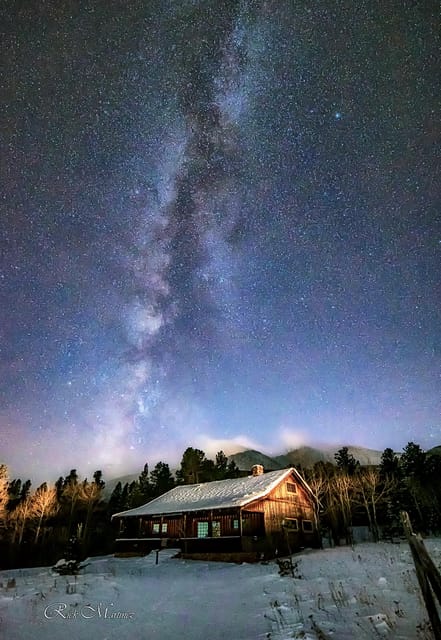
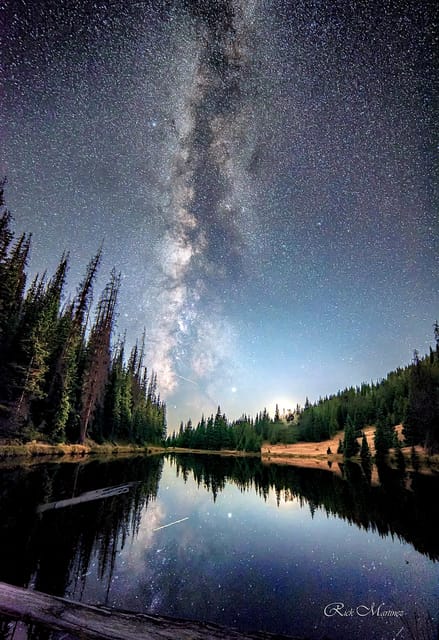
The photo package is one of the strongest reasons to book. You get 3 digital photos of you under the stars included in the tour. Rick sends them to you about 2–3 weeks after the experience.
You also have an option to order professionally processed prints up to 24 x 36 at a discounted rate linked to the tour. That’s useful if you want a real keepsake and you’re not interested in printing your own at home.
One caution to hold in the back of your mind: since photos are delivered later, double-check you receive the email or message the guide uses for delivery, and if the window passes, follow up. One published experience mentioned a photo-delivery issue, so it is smart to treat the post-tour wait as part of the process and not something you should ignore.
Still, for most people, the included photos reduce pressure. Even if your own phone shots don’t turn out perfectly, you likely have a few strong images of your group under the stars to take home.
Rocky Mountain Entry Passes And The Summer Re-Entry Catch
You’ll need a pass to enter Rocky Mountain National Park, but the tour does not require a timed-entry permit as part of the experience. That’s good news if you’re trying to keep your planning simple.
After the tour completes, you’re free to visit the park on your own. But there’s a tricky summer rule worth knowing: during the summer when the reservation system is in effect, you may not be able to re-enter an area that requires a reservation once you’ve left.
This matters because the star tour uses specific areas for the best nighttime viewing. If you plan to return to the same zone after the tour, check how the reservation rules apply to your chosen areas. For many people, the best approach is to treat the star tour as your night anchor and then plan day stops accordingly.
Also, don’t forget there is no re-entry guarantee implied by the tour itself. Your best move is to decide what you want most—night sky time, or a specific daytime loop—and then build your day around that.
Price At $159: What You Get For The Money
At $159 per person, you’re paying for more than access to dark skies. You’re paying for guided setup, photo coaching, and the included photo deliverables.
Here’s the value math that makes this price make sense:
- You get guided instruction specifically for phone night photography, which can be hard to learn from trial and error
- Your group gets 3 digital photos included, plus the option for larger prints if you want a framed piece for your wall
- The group stays small (10 max), which tends to improve the quality of attention you receive in low-light conditions
If you go into a star tour with no photography plan, you’ll still enjoy it, but you may not get full value from the coaching. If you do want to learn how to take better nighttime photos, the included digital shots plus practical guidance can make the price feel fair fast.
If you’re traveling with kids or first-time RMNP visitors, the small group format and short walking distance are especially good value. You can get a memorable night moment without committing to a long hike or complicated photo gear.
What To Bring (And What Not To) For A Cold, Dark Adventure
The tour is outdoors at night in the Rockies, and warm clothing is not optional. Even if the daytime felt mild, mountain nights can turn fast. Bring layers you can comfortably move in while holding a phone and posing for photos.
You’ll also want comfortable shoes. The walking is short—up to 200 yards—but it is still uneven ground in the park.
Drinks and snacks are not included, so plan on eating earlier unless you want to treat this as a quick post-dinner activity. If you get hungry, having your own snacks makes the night feel easier.
Finally, alcohol and drugs are not allowed. If your group usually travels with a beverage plan, swap that for hot tea in a thermos or stick to non-alcoholic options you bring yourself (since drinks aren’t provided).
Who This Small-Group Tour Is Best For
This is best for people who want a guided night sky experience without turning the evening into a long hike or a stressful photography workshop. I think it fits especially well if you:
- Want cell phone night photography help and do not want to guess settings in the dark
- Prefer a small group experience where the guide can spend time with you
- Are okay with short walking and being outside in cold conditions
- Want a guided plan for your time in Rocky Mountain National Park
If you are very nervous about night driving, consider your comfort level carefully. The tour requires traveling by vehicle to reach the stops, and darkness can make even familiar roads feel different. That doesn’t mean it’s unsafe, but your comfort matters, and you deserve a night you can enjoy instead of endure.
Should You Book Rocky Mountain Journeys Star Tour?
Book it if you want your Rocky Mountain National Park trip to include guided night sky learning plus realistic help taking better photos with your phone. The combination of small group size, short walking, and included digital photos makes it a strong value for people who want a memorable night without heavy gear.
Skip it, or at least plan extra for it, if you know you dislike dark-road driving or if you expect a full-day park plan rather than a focused 3-hour night experience. And if you care about photo delivery, mark your calendar for when the 2–3 week digital photo window arrives and follow up if anything seems off.
If your goal is simple—see the stars with context and walk away with images—you’ll likely feel like this tour earned its keep.
FAQ
How long is the Rocky Mountain National Park Star Tour?
The tour lasts about 3 hours total. You’ll have about 2 hours on location for the night sky stops and photo time.
Where do we meet for the tour?
You meet at the Beaver Meadows Visitor Center. The guide stands outside their vehicle in the parking lot, and you follow them by vehicle to the stops.
Do I need a timed-entry permit to enter Rocky Mountain National Park?
You do not need a timed-entry permit as part of this tour. You do need a park pass to enter Rocky Mountain National Park.
How many photos are included?
This tour includes 3 digital photos of you under the stars. You’ll receive them about 2–3 weeks after the tour.
Is there walking during the experience?
Yes. The tour includes easy walking up to 200 yards.
What should I bring, and can I bring alcohol?
Bring comfortable shoes and warm clothing. Drinks and snacks are not included, and alcohol and drugs are not allowed.