REVIEW · QUEBEC CITY
Skiing (Hok Ski) Excursion in Jacques-Cartier National Park
Book on Viator →Operated by Quatre Natures · Bookable on Viator
Ski-Hok turns winter motion into a game you master fast. This half-day ski-shoeing excursion (a mix of cross-country skiing and snowshoeing) takes you through Jacques-Cartier National Park in a way most Quebec visitors don’t get. I like that the outing is built around real technique, not just wandering, and that you’re also out in the woods with a chance to spot winter wildlife.
What I really love is the pacing: you get training in the early stretch, then you move to a more technical section, including rise-and-descent practice with a telemark-type feel. The second big win is comfort-for-the-body: lunch (vegetarian option on request) plus a hot beverage keeps your energy up. One drawback to plan for: this is athletically demanding for some people, so if you have mobility limits or you’re chasing an easy, kid-friendly stroll, you may want to rethink it.
In This Review
- Key Highlights You’ll Actually Feel
- What Ski-Hok in Jacques-Cartier Really Feels Like (and What It Isn’t)
- The Half-Day Schedule: How This 4 Hours Fits a Quebec City Trip
- Getting There: Pickup, Meeting Point, and Mobile Ticket Reality
- The Trail Plan: From Equipment Basics to Telemark-Type Terrain
- The Refuge Stop, Lunch, and Hot Drinks: Why This Portion Matters
- Gear, Clothing, and Safety: What’s Included vs What You Must Bring
- Price and Value: Is $119.14 Worth It?
- Who Should Book Ski-Hok (and Who Should Consider Another Option)
- Guides and the Teaching Style That Makes It Work
- Should You Book This Hok Ski Excursion?
- FAQ
- What time does the Ski-Hok tour start and end?
- Where is the meeting point in Quebec City?
- Is pickup included?
- Is lunch included, and is there a vegetarian option?
- Do I need to bring winter clothing?
- What happens if there isn’t enough snow or weather is poor?
Key Highlights You’ll Actually Feel
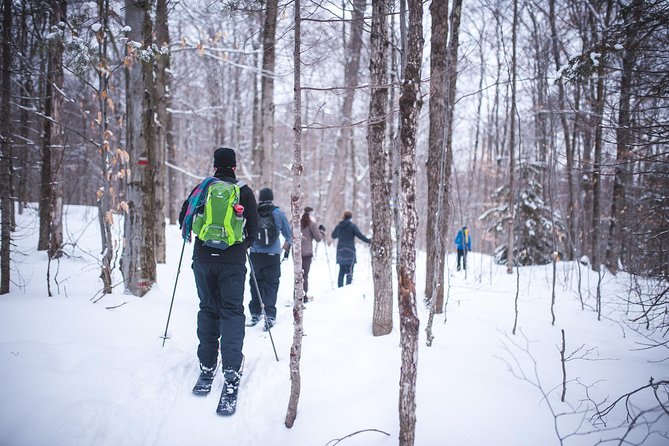
- Ski-Hok, not snowshoeing: You learn the technique for ski-shoe travel before you tackle steeper bits.
- Small-group attention: Limited to about eight people (max 10), so the guide can correct your form.
- Refuge break plus lunch: You stop for a meal at a refuge and keep going with a fueled body.
- Hot beverage on the trail: Warming drinks matter when the temperatures drop.
- Gear and instruction included: You’re not stuck guessing what to rent or how to set it up.
What Ski-Hok in Jacques-Cartier Really Feels Like (and What It Isn’t)
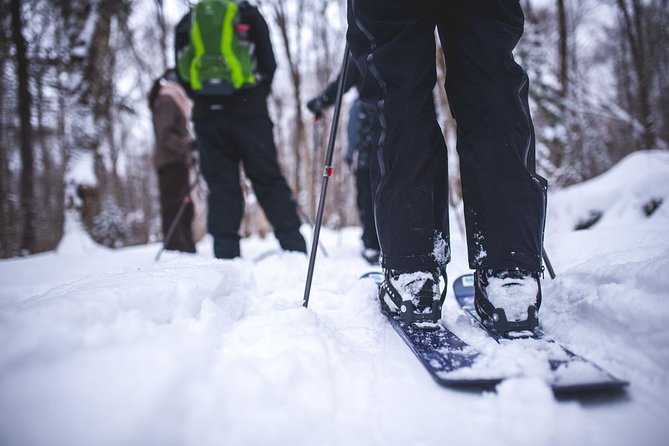
Ski-Hok is basically winter travel that borrows from two sports. You’ll be moving with gear that’s part cross-country skiing setup, but you’re also getting the snow-friendly traction and step rhythm that snowshoeing brings. The result is a workout that feels different from walking, and it tends to be more “controlled effort” than a casual stroll.
Just as important: this is not a snowshoe tour. If you’re expecting wide, slow tracks and gentle pacing, Ski-Hok will surprise you in a good way—or in a challenging way. The guided first stretch is there so you don’t flail later. You start by getting your equipment sorted and learning how to move safely on packed snow and uneven winter terrain.
And yes, the park setting helps. You’re in a big natural area outside Quebec City, so you get that sense of quiet winter presence—space to look up, not just down at your feet. Many people love this because it feels like real time outside, not a long bus ride followed by a quick photo stop.
You can also read our reviews of more tours and experiences in Quebec City.

The Half-Day Schedule: How This 4 Hours Fits a Quebec City Trip
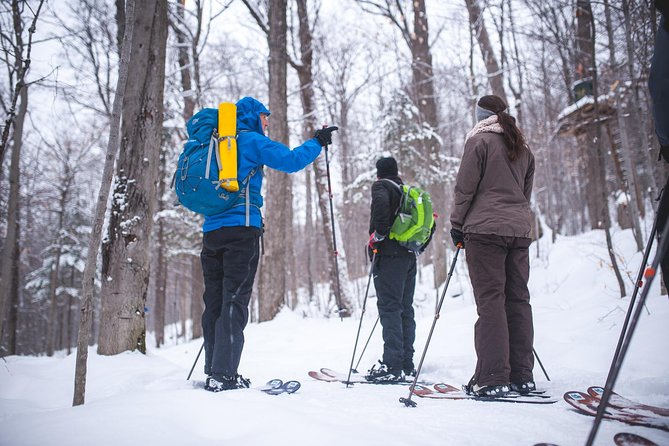
This trip is designed to work with a typical Quebec City day. You depart at 9:00 am from the Centre Infotouriste de Québec (12 Rue Sainte-Anne), arrive at the park around 10:00 am, then begin the guided activity at 10:30 am. The guided portion wraps up at 2:00 pm, with departure from the park at 3:00 pm and return to Quebec City by 4:00 pm.
So what does “four hours” really mean for you? The core guided time is about three and a half hours, but the whole plan includes transport and setup time. That matters because you don’t want to show up underdressed, unsure of your gear, or rushed. This schedule gives you a real start-to-finish flow: learn, practice, break, then return with more confidence than you started with.
If you’re juggling sightseeing, this is a smart length. It’s short enough to pair with an afternoon in Old Quebec, but long enough that you actually learn the activity and feel like you did something outdoorsy, not just checked a box.
Getting There: Pickup, Meeting Point, and Mobile Ticket Reality
The meeting point is clear: Centre Infotouriste de Québec at 12 Rue Sainte-Anne. Start time is 9:00 am, and the tour lists English as the operating language.
Pickup is offered, which is a big help in winter. If you’re staying near the old core and you don’t want to navigate snow and parking, pickup can save you time and stress. The tour also uses a mobile ticket, which typically means you’ll have everything on your phone instead of hunting for paper confirmations.
One practical note: winter season can be busy, and phone access can be tough. If you have questions, plan to email or text rather than waiting on a call. It’s not glamorous, but it helps you avoid last-minute uncertainty.
The Trail Plan: From Equipment Basics to Telemark-Type Terrain
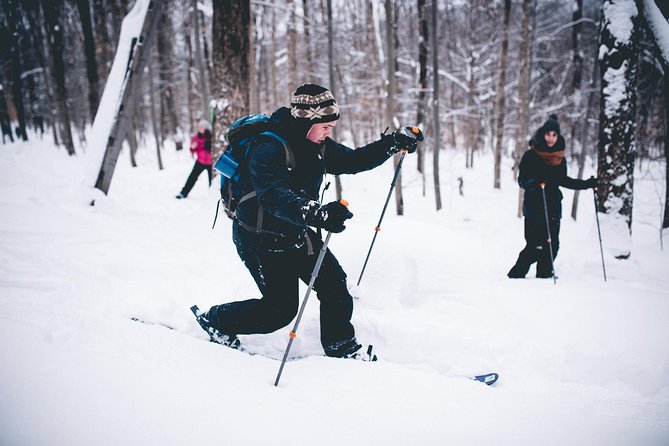
The hike is built like a lesson. The first kilometres are about getting proper equipment set and learning how to move. This matters because Ski-Hok technique affects everything: how you balance, how you climb, and how you control your descent. If you jump straight into steeper terrain without practice, you’ll burn energy fast and be more likely to stumble.
After you’ve gotten your bearings, you’ll travel to a refuge area where you take a dinner break. That stop isn’t just about food. It’s also a mental reset. Your legs catch up, your body warms, and you get a moment to breathe before the more technical section.
Then you continue into a zone that’s more technical. This is where rise and descent practice comes in with a telemark-type feel. Translation for your planning: expect controlled movement on slopes. You’re not doing long downhill alpine skiing, but you are working your balance and muscle control in a way that can feel athletic.
Finally, you return to your point of departure. By the time you head back, you’ve usually had enough repetition that the movement starts to click. That’s the best part of this style of lesson hike: you can actually feel progress during the day.
The Refuge Stop, Lunch, and Hot Drinks: Why This Portion Matters
You’ll get a lunch break with a vegetarian option available if you request it after booking. There’s also a hot beverage included. This is the kind of detail that changes how you experience winter sports.
When you’re moving in cold air, the problem is rarely motivation. It’s keeping your body warm and your energy stable. A hot drink helps right away, and a proper lunch prevents that mid-afternoon crash that can make the final stretch feel harder than it needs to be.
The refuge stop also tends to make the outing feel more “Canadian wilderness day” and less like a class. Even if the hike gets challenging, you still get warmth, sitting down, and a chance to take in the winter stillness around you.
If you take photos, this is also a good moment. Winter views are dramatic, and the lighting during breaks often gives you better chances for clear shots than during constant motion.
Gear, Clothing, and Safety: What’s Included vs What You Must Bring
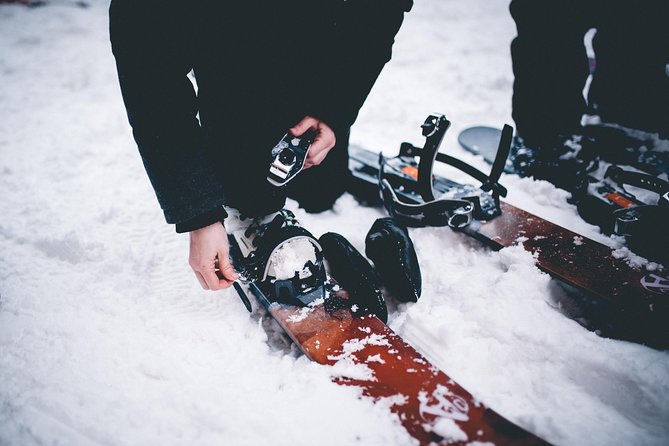
The tour includes all necessary equipment and provides instruction on how to use it. That’s a major value point because renting the right setup and getting it to fit correctly is often the biggest hassle with winter sports.
What’s not included is winter clothing. The guidance is straightforward: wear warm layers, a coat or jacket, a hat and gloves. Bring hiking boots or leather boots (or sneakers if they’re what you rely on), and dress for real winter conditions.
Bring this mindset: Ski-Hok works your legs, but you’re still outside in the cold for hours. If you’ve ever arrived on a winter day with cold hands, you already know how quickly it ruins the fun. Plan for warmth you don’t have to think about.
Also, the tour operates in all weather conditions, but it requires favorable snow conditions and good weather overall. If there isn’t enough snow or conditions are bad, you’ll be offered an alternative date or a full refund. That’s the real winter-travel truth: you go when nature cooperates.
Price and Value: Is $119.14 Worth It?
At $119.14 per person, this isn’t a cheap add-on, but it also isn’t priced like a premium luxury day. The value is in what’s bundled and in how the time is used.
You’re getting:
- Professional guided instruction
- All necessary equipment
- Transport via an air-conditioned vehicle
- Lunch with a vegetarian option
- A hot beverage
That combination matters because winter activities tend to cost more once you factor rentals, guide time, and transport. Here, you’re paying mostly for the experience design: a lesson-based route in a major national park, with food and warming drinks built in.
The small-group size also helps with value. When a tour limits the group, you usually spend less time waiting and more time learning the right technique. In Ski-Hok, that can make the difference between a tough first hour and a day that actually feels fun by the second hour.
Who Should Book Ski-Hok (and Who Should Consider Another Option)
This is a good fit if you:
- Want an authentic Quebec winter day outside the city core
- Are curious about skiing and snow travel but don’t want downhill alpine skiing
- Prefer small-group instruction
- Can handle moderate physical activity in cold conditions
It’s a tougher fit if you need a gentle, low-effort activity. The day includes technical terrain practice and rise/descent work, and the activity is described as quite rigorous by people who’ve done it. So if you have mobility concerns, you should take that seriously and look for something less demanding.
On the flip side, first-timers can be fine as long as you come prepared. The whole early portion is about learning and technique, so you’re not thrown into the hardest parts immediately.
Guides and the Teaching Style That Makes It Work
The guides on this experience are a big part of why it gets high marks. Names like Levie, Lorenzo, Alex, Vicky, and Johann show up repeatedly, and the consistent theme is patience with beginners. That matters because Ski-Hok requires balance and small adjustments, especially during the slope sections.
What you should hope for from your guide is clear coaching: how to set yourself up, how to move your weight, and how to recover when you slip. When instruction is good, falls turn into quick learning moments instead of discouraging interruptions.
This is also why the small group size matters. With fewer people, you’re more likely to get personal corrections, not just general advice shouted across snow.
Should You Book This Hok Ski Excursion?
I think you should book Ski-Hok if you want a real winter experience in Jacques-Cartier National Park that feels guided, not improvised. The mix of technique training, refuge break, and a more technical section makes it more than a basic nature walk. And because the equipment and food are included, you can plan the day without hunting for rentals or scrambling for lunch.
Skip it—or at least think hard—if you’re looking for easy movement. The activity is active, cold-weather sports are inherently physical, and the terrain practice can feel demanding. If that sounds like too much, you’ll likely enjoy a different winter option with less technical slope work.
If you do book, show up dressed for warmth, and treat the first part as the start of your workout—not just the “getting ready” stage. That’s when you’ll set yourself up for the rest of the hike, and that’s where the day turns from effort into satisfaction.
FAQ
What time does the Ski-Hok tour start and end?
It starts at 9:00 am from Quebec City and finishes with return to Quebec City around 4:00 pm. The guided activity itself runs from about 10:30 am to 2:00 pm.
Where is the meeting point in Quebec City?
You meet at Centre Infotouriste de Québec, 12 Rue Sainte-Anne, Québec, QC G1R 3X2.
Is pickup included?
Pickup is offered, in addition to meeting at the main location.
Is lunch included, and is there a vegetarian option?
Yes. Lunch is included, and there is a vegetarian option available if you request it after booking. You also get a hot beverage.
Do I need to bring winter clothing?
Yes. Winter clothes are not included. You should wear warm layers, a warm coat or jacket, hat and gloves, and footwear suitable for winter conditions.
What happens if there isn’t enough snow or weather is poor?
If the tour is canceled due to insufficient snow or bad weather, you’ll be offered an alternative date or a full refund. The experience is dependent on favorable snow conditions.