REVIEW · GRAND TETON NATIONAL PARK
Private Sunrise Tour of Grand Teton National Park
Book on GetYourGuide →Operated by Grizzly County Wildlife Adventures · Bookable on GetYourGuide
Sunrise in the Tetons feels like a secret. This private sunrise wildlife tour turns Grand Teton National Park into a quieter, more animal-active place, guided by a naturalist and built around a route that can flex to what your group cares about. You’ll make multiple stops for big Tetons views, plus chances to get out and look closely during the calm early light.
I love two things right away. First, the guide-led wildlife scouting means you’re not just driving through scenery and hoping for the best. Second, you get the gear—binoculars and a spotting scope—so you can actually see the details when animals show up, whether that’s bison, elk, moose, bears, bald eagles, or wolves.
One consideration: wildlife sightings aren’t guaranteed. Even with expert eyes, you’re choosing a nature moment where luck still plays a role, so go with curiosity (and patience) more than a checklist.
In This Review
- Key moments you’ll remember
- Grand Teton at sunrise: why the morning changes everything
- Private sunrise, small-group reality: how the day stays personal
- The gear and the guide: spotting scopes, binoculars, and smart eyes
- A 4-hour sunrise rhythm: what you do from pickup to drop-off
- 1) Pickup in the Jackson Hole area
- 2) First viewing runs: scanning before you chase
- 3) Wildlife moments: bison, elk, moose, and bigger surprises
- 4) Panoramic photo stops and brief interpretation breaks
- 5) Return and wrap-up
- Wildlife photography without the usual chaos
- The geology and natural history talk is not filler
- Price and value: what $870 buys you (and how to think about it)
- Trade-offs to know before you go
- Who this sunrise tour fits best
- Should you book this Grand Teton sunrise wildlife tour?
- FAQ
- How long is the private sunrise wildlife tour?
- Where does pickup happen?
- Is pickup time fixed?
- What group size should I expect?
- What’s included in the price?
- What’s not included?
- What wildlife might I see?
- Is the tour wheelchair accessible?
- What language is the guide?
- What are the cancellation and booking options?
Key moments you’ll remember
- Sunrise timing that’s built for quiet roads and active wildlife hours
- A naturalist guide who connects what you see to wildlife conservation plus local history and geology
- Real viewing tools: binoculars and a spotting scope, not just window gazing
- Flexible, personalized stops geared toward photos, panoramas, or deeper park interpretation
- Small-group feel (limited size) that keeps the morning from turning into a crowd
- Hotel pickup/drop-off in Jackson Hole so you start the day already in “park mode”
Grand Teton at sunrise: why the morning changes everything
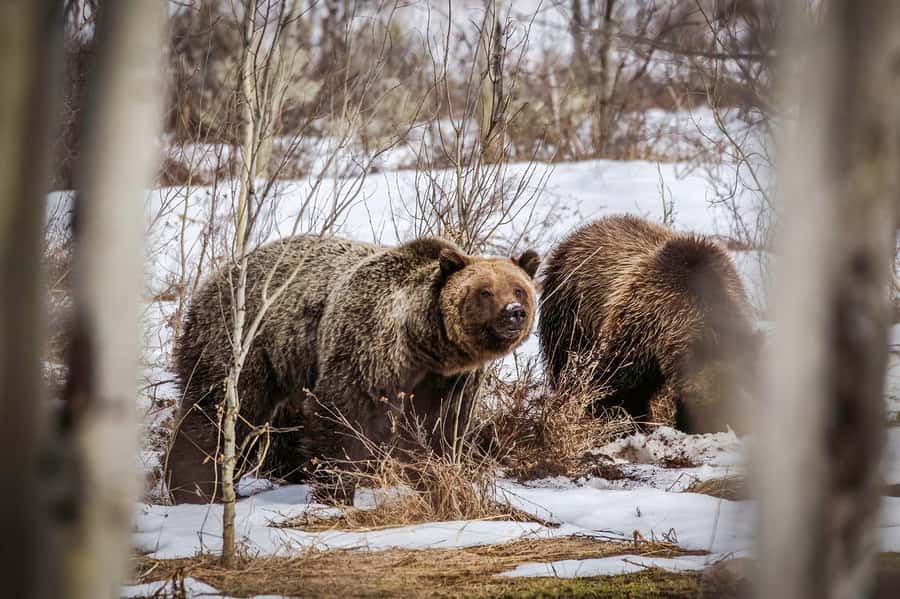
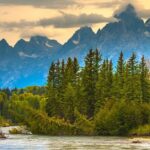
Grand Teton National Park at sunrise is less about spectacle and more about reading the land. The Tetons catch the first light differently than the afternoon does, and the whole area tends to feel calmer. That calm matters on a wildlife tour. Animals are often more visible in early hours, and you’re more likely to spot behavior instead of just shapes.
This tour leans hard into that “morning rhythm.” It’s designed for a start before the day fully wakes up, with enough time for multiple viewing/photo stops. You’re also not stuck with one fixed plan. The whole point of a private sunrise experience is that your guide can shift your route based on what’s happening right then—weather, animal movement, and where the best viewpoints are at that moment.
You can also read our reviews of more tours and experiences in Grand Teton National Park.
Private sunrise, small-group reality: how the day stays personal
Even though this is sold as a private sunrise tour, you’re not totally alone. It’s set up as a personalized experience with a naturalist guide, while still keeping group size limited. The tour data lists a cap of up to 8 participants, and the pricing is shown “per group up to 5.” That means you should confirm the exact maximum for your booking, but the intent is consistent: keep things small enough that you can get real attention.
For you, that translates to a few practical benefits:
- Your guide can ask what you’re aiming for—wildlife photography, scenic viewpoints, or more interpretation of geology and natural history.
- Stops don’t feel rushed. If you’re trying to line up a shot through a telephoto lens, your guide has room to slow down and help you set up.
- You can actually hear the guide. Early-morning wildlife spotting is quieter, and small groups make it easier to catch every detail.
This setup is especially good for families who want guidance without the chaos of big tours, couples who want a shared experience with breathing room, and photographers who don’t want to constantly wait for others to move.
The gear and the guide: spotting scopes, binoculars, and smart eyes
A lot of wildlife tours are heavy on the words and light on the tools. This one includes binoculars and a spotting scope, which is a big deal in the Tetons. Binoculars help you pick out movement and identify direction. A spotting scope helps when an animal is farther away than your camera lens wants to work comfortably.
Then there’s the guide. The tour is led by a naturalist guide who’s there for more than just driving. You’ll learn about the area’s natural and cultural history plus geology, and you’ll get real insight into wildlife conservation—how habitats work, what animals need to survive, and why certain behaviors matter.
That balance shows up in the best moments of the tour: the guide helps you switch from casual seeing to careful noticing. You’re not just saying there’s an animal. You’re learning what you’re looking at and why it’s there.
A 4-hour sunrise rhythm: what you do from pickup to drop-off
The tour runs about four hours, and that’s a sweet spot for sunrise wildlife. Long enough to actually have multiple viewing opportunities, short enough that you’re not spending the entire morning stuck waiting.
1) Pickup in the Jackson Hole area
Your guide meets you in the lobby of your hotel or outside your private residence. Pickup timing can vary based on other pickups, and you’ll be contacted the day before to confirm the exact time.
This matters because sunrise tours live or die by timing. The goal is to get you into the park area while it’s still quiet and productive.
2) First viewing runs: scanning before you chase
Once you’re in the Tetons, expect a pattern of scanning and pausing. The tour is built around multiple opportunities to get out of the vehicle to view and photograph wildlife. That usually means your guide is constantly watching from the right vantage points, then stopping where the sightlines are best.
A common trap on wildlife tours is treating every animal sighting like a sprint. Here, the guide’s job is to help you slow down—find the right angle, use the spotting scope when needed, and choose where you can see safely and clearly.
3) Wildlife moments: bison, elk, moose, and bigger surprises
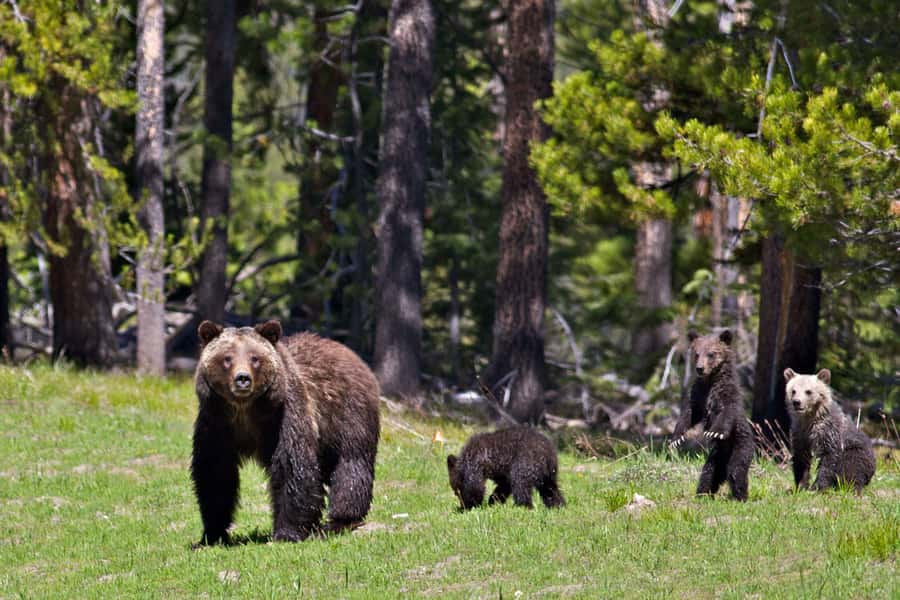
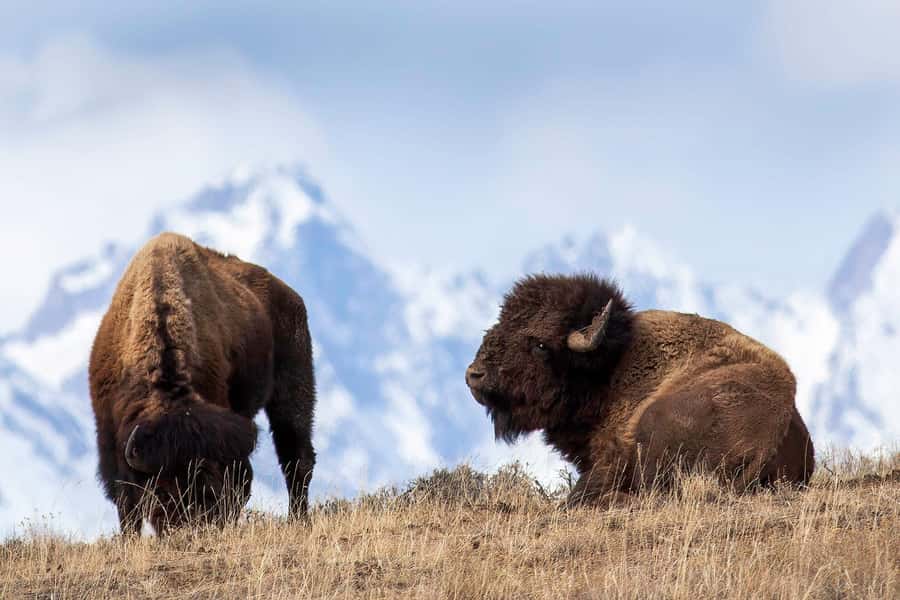
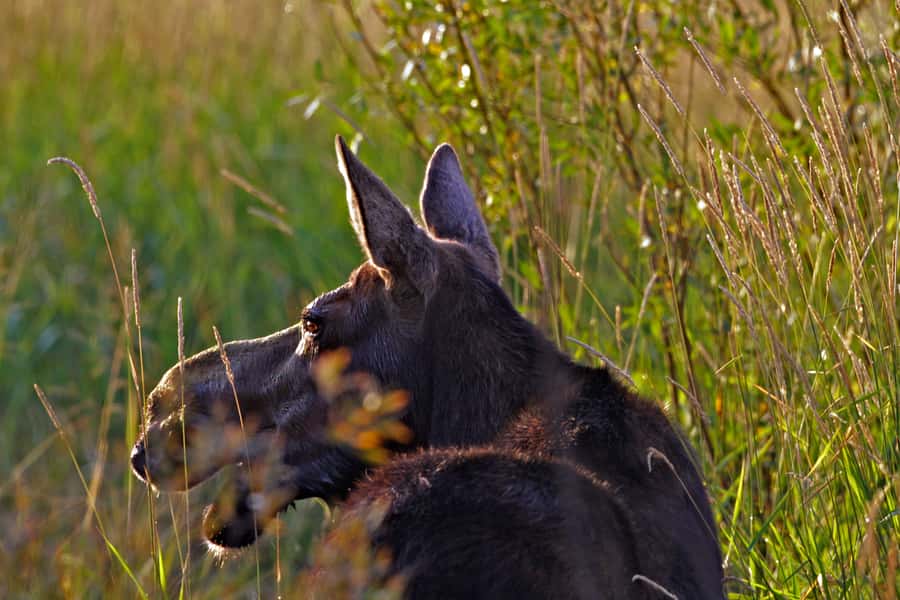
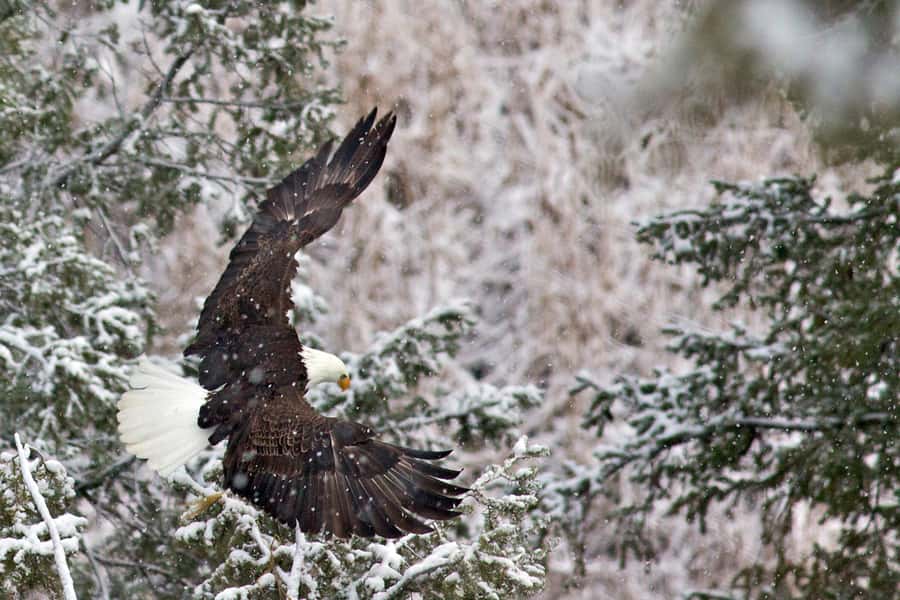
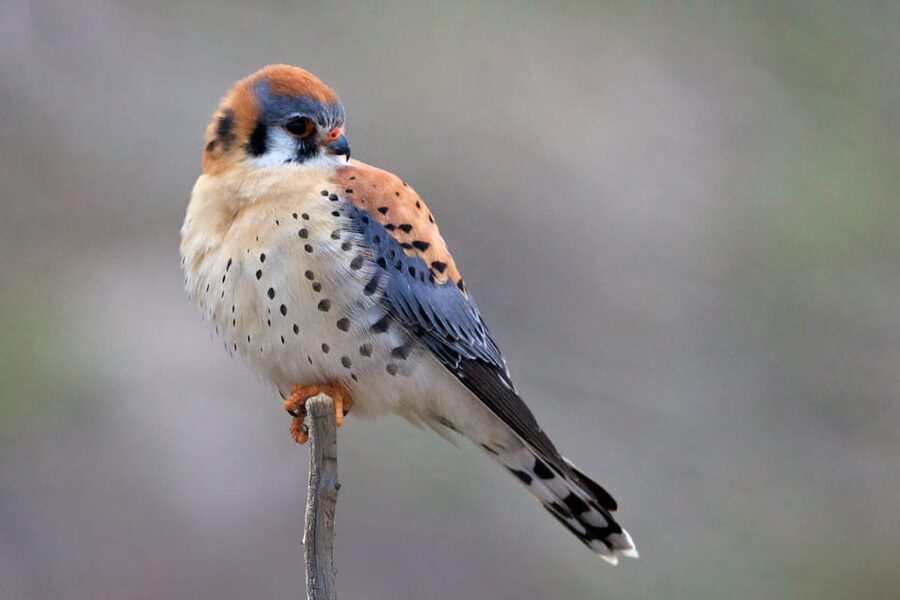
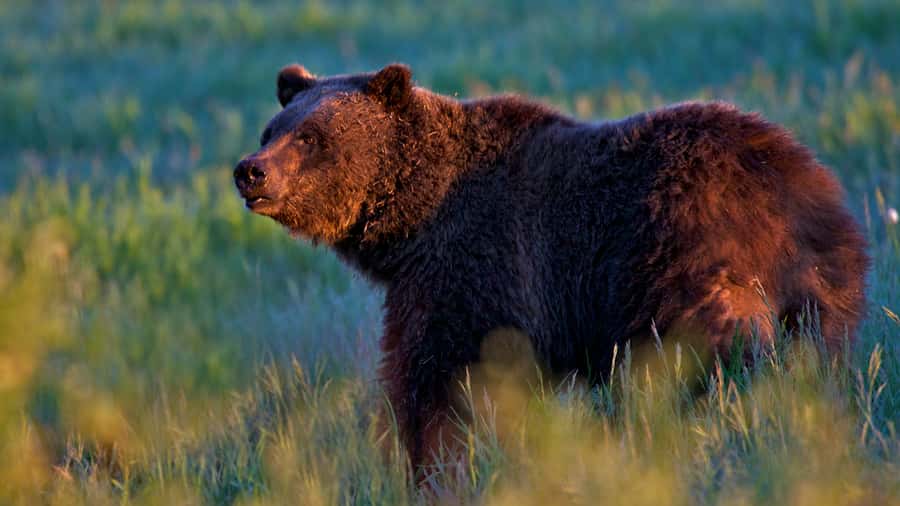
The tour description explicitly calls out a range of animals you might see: bison, elk, bear, moose, bald eagles, and wolves. In at least one five-person private experience, the guide found bighorn sheep, elk, moose, and even a grizzly with a cub.
That’s the real value: your guide isn’t just saying the park has wildlife. They’re actively scouting for it. And because you’re moving through the morning hours when activity can pick up, you’re more likely to catch animals using the landscape instead of only passing through.
One thing to keep expectations healthy: seeing animals is always variable. The tour is set up to maximize your chances, but nature doesn’t run on schedules.
4) Panoramic photo stops and brief interpretation breaks
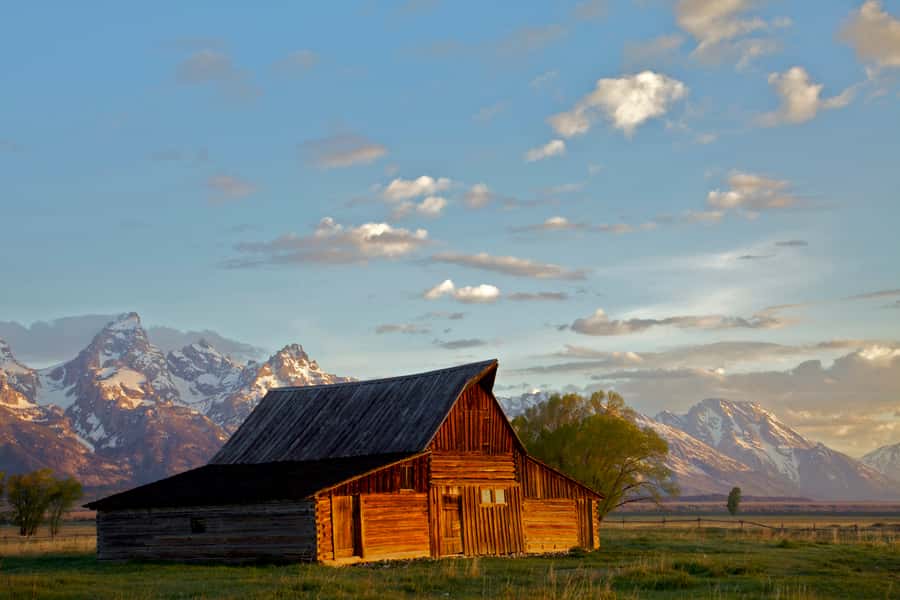
Your guide will build in stops for panoramic views of the Teton Range and time to photograph. You’ll also hear about the area’s history and geology—how the park formed, how the land shapes wildlife movement, and why the scenery looks the way it does.
These interpretation breaks are more useful than they sound. When you understand the terrain and water systems, you stop treating sightings as random. You start predicting where animals might head next. That’s where the morning gets more fun, because you’re participating.
5) Return and wrap-up
At the end, you’ll head back for hotel drop-off in the Jackson Hole area. Some guides also share wildlife viewing material captured with telephoto help at the end of the trip; it’s a nice bonus when you want to remember the exact moments you saw.
Wildlife photography without the usual chaos
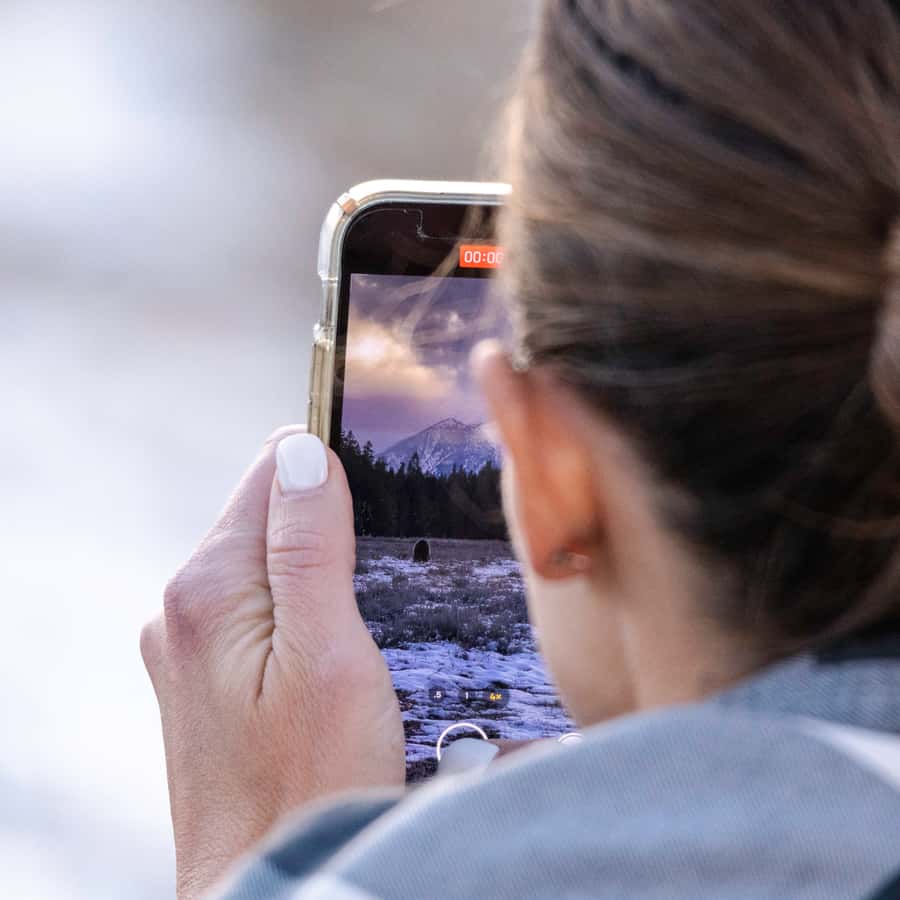
If you care about photography, this tour has a practical advantage: the combination of early timing, small group size, and real viewing gear. When animals appear, you need two things fast—good positioning and enough time to set up.
Here’s what will help you get the most out of your morning:
- Use binoculars first to identify behavior, then decide where to aim your camera.
- Bring your patience. The best shots often come from waiting for movement, not from rushing.
- Expect multiple stops. That gives you a chance to reframe your photos as the light changes.
The binoculars and spotting scope are also useful for planning shots. Even if you don’t take photos through the scope, you can use it to confirm identity and distance, which helps you choose lens settings and keep your camera where you need it.
The geology and natural history talk is not filler
Some tours toss in a few facts just to sound smart. This one is designed for interpretation that matches what you’re actively seeing. The naturalist guide teaches you about history and geology of the area, and those details connect to wildlife conservation.
For you, that means the tour can feel like more than a wildlife hunt. It becomes an explanation of how Grand Teton works:
- The terrain influences where animals feed and travel.
- Climate and habitat shape seasonal behavior.
- Conservation connects the park’s protection to what survives here long-term.
I like this approach because it changes the outcome of a “good day” versus a “great day.” Even if animal sightings are limited, the guide’s context helps you leave understanding what you experienced and how the park functions.
Price and value: what $870 buys you (and how to think about it)
This tour is priced at $870 per group up to 5 people. But the small-group cap can be higher (up to 8 participants), so again: confirm the maximum group size for your date when you book. That said, here’s how to think about value.
If you’re booking for 5, the math works out to roughly $174 per person for a 4-hour guided morning that includes:
- hotel pickup and drop-off in the Jackson Hole area
- a naturalist guide
- binoculars and spotting scope
- bottled water and locally made snack bars
- a flexible, personalized itinerary and multiple viewing/photo stops
If you’re booking for fewer than 5, the cost per person goes up. In that case, the value really comes from what you’re buying: a guide who hunts for wildlife opportunities with you, plus the gear to actually see what’s out there.
For families, couples, and photographers, this can be a strong “pay more for time and attention” option. For budget-only travelers, you might feel it’s pricey because you’re paying for private morning time rather than a shared, lower-cost group bus.
Trade-offs to know before you go
This is an early-morning, wildlife-focused tour. That comes with three realities:
- Wildlife sightings are variable. You’re maximizing odds, not guaranteeing a specific animal.
- Sunrise means you’ll likely trade comfort for timing. It’s a morning mission, not a late brunch plan.
- National park entrance fees are not included, so you’ll need to budget that separately.
If you can handle those points, you’ll probably enjoy the tour more. The best part of sunrise is that it feels like you’re cooperating with nature instead of forcing a schedule.
Who this sunrise tour fits best
I’d point this tour toward travelers who want:
- a wildlife-first morning with a real guide and real optics
- flexibility to shift the plan based on what’s seen and where the best viewpoints are
- a small-group vibe (not a large vehicle with constant distractions)
- interpretation that ties scenery to wildlife conservation, history, and geology
It’s also a good match for:
- photographers who want time to set up at viewing spots
- families who want a guided experience that’s personal but still group-friendly
- couples who want a shared, nature-centered moment without crowds
Should you book this Grand Teton sunrise wildlife tour?
If you want a guided sunrise in the Tetons that prioritizes animals, uses the right viewing tools, and offers context instead of just driving around, then yes, it’s worth serious consideration. The strongest pull here is the combination of naturalist expertise and the ability to focus on your interests in a limited group setting.
I’d especially book it if you’re the type who gets excited by the details—tracking, spotting from the right distance, and learning why animals choose certain habitats. If you’re the type who needs guaranteed animal sightings or you’re traveling super budget-first, then you might want to compare options that come with a lower price and less personalization.
Either way, a sunrise tour is one of those choices where the timing is the strategy. If that sounds like your kind of trip, this one is built for you.
FAQ
How long is the private sunrise wildlife tour?
It lasts about 4 hours.
Where does pickup happen?
Your guide will meet you in the lobby of your hotel or outside of your private residence in the Jackson Hole area.
Is pickup time fixed?
Pickup times can vary based on pickup location of other guests, and you’ll be contacted the day before the tour to confirm the exact pickup time.
What group size should I expect?
It’s a small group experience with a limit of up to 8 participants.
What’s included in the price?
Hotel pickup and drop-off, a naturalist guide, locally made snack bars and bottled water, and use of binoculars and a spotting scope.
What’s not included?
National Park entrance fees and meals. The tour recommends eating before or after.
What wildlife might I see?
The tour focuses on spotting animals such as bison, elk, bear, moose, bald eagles, and wolves.
Is the tour wheelchair accessible?
Yes, it is wheelchair accessible.
What language is the guide?
The tour guide speaks English.
What are the cancellation and booking options?
Free cancellation is available up to 24 hours in advance for a full refund, and there’s also a reserve now & pay later option.