REVIEW · WEST VIRGINIA
New River Gorge National Park Self-Guided Driving Audio Tour
Book on Viator →Operated by Travel with Action · Bookable on Viator
A gorge road trip with stories that start on their own. This self-guided drive strings together hands-free GPS audio and lifetime access across 62+ miles, with 69+ short stories timed to where you are. One thing to plan for: park entry passes aren’t included, so you’ll want to sort that out before you reach the stops.
I like how the tour keeps you moving without rushing you. It’s built for a 2 to 3 hour outing (roughly), and you can pause for photos, snacks, or a quick walk—no group schedule forcing you back to the car.
You’ll also want to do a little phone prep, since the app needs an on-site download with strong signal to work offline afterward. If you show up with low battery or no way to connect audio to your car stereo, the experience can feel more work than it should.
In This Review
- Key things to know before you start
- A road-trip guide to New River Gorge that fits your pace
- Canyon Rim to Sandstone Falls: what the route is really like
- Stop 1: Wolf Creek Falls and the Kaymoor Trail payoff
- Fayetteville: names, legends, and a Revolutionary War connection
- Concho Rim Overlook: the horseshoe-bend moment
- Oak Hill’s 1952 snowstorm story: a human-scale piece of history
- Dunloup Falls: a short approach to a 20-foot drop
- Mount Hope: coal towns, coal discovery, and a whole way of life
- Prince and the Thomas Burford Pugh Memorial Bridge toll detail
- Quinnimont and Layland: mining towns, people, and house remnants
- Meadow Bridge and Sandstone Falls: timber to the biggest falls on the New River
- How the audio tour app works (and how to avoid headaches)
- Price and value: $16.99 per group, plus one extra cost
- Who this driving tour suits best
- Should you book the New River Gorge driving audio tour?
- FAQ
- Where does the tour start and end?
- How long does the self-guided driving audio tour take?
- How much does it cost, and how many people can you bring?
- Do I need cellular or Wi‑Fi during the tour?
- What do I need to do on my phone before I start driving?
- How does the audio play while I’m driving?
- Is a park pass included?
- Do I need to connect my phone to my car stereo?
Key things to know before you start
- GPS-triggered audio: the stories play based on where your car is, so you don’t have to tap the screen constantly
- Offline maps + offline listening: no signal isn’t the end of the day
- Lifetime access, no expiry: buy once and use it again on later trips
- Price per group (up to 4): you’re not paying per person for the guide
- A 62+ mile route with 69+ stories: lots of short stops instead of one long lecture
A road-trip guide to New River Gorge that fits your pace

New River Gorge is the kind of place that rewards slow looking. This driving audio tour is designed for that exact reality: you get a planned route, but you don’t have to follow a bus timetable.
What makes it practical is the hands-free flow. After setup, you open the Action’s Tour Guide App once onsite, start the tour that matches your direction, and then the audio begins automatically at the first story point. From there, the narration plays as you reach each location, so you can focus on the views, the road, and when you want to stop.
The tour also works well if your group has mixed interests. You can linger at a viewpoint, jump out for a photo, or stay in the car if the moment isn’t your thing. It’s flexible without being vague.
You can also read our reviews of more tours and experiences in West Virginia.

Canyon Rim to Sandstone Falls: what the route is really like
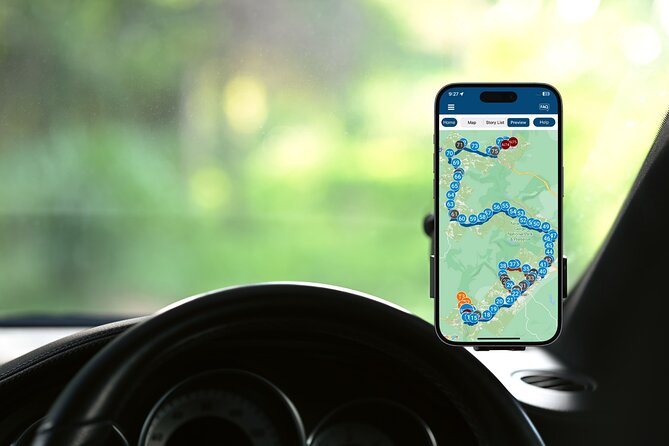
Your start point is Canyon Rim Visitor Center at 162 Visitor Center Rd, Lansing, WV 25862. The route runs for 62+ miles and ends near Sandstone, WV 25976 (the end point listed is Q33W+3JX).
In plain terms: you’re doing a scenic driving loop through the gorge area with a series of planned “pull over and listen” moments—falls, overlooks, and towns shaped by mining and timber. Several stops are built around short walks and quick look points, which is helpful if you want big scenery without a marathon hike.
Plan for the whole thing to take about 2 to 3 hours for the full audio experience. If you add extra walking at a couple of stops, it can stretch longer. Either way, you won’t feel trapped by the schedule.
Stop 1: Wolf Creek Falls and the Kaymoor Trail payoff
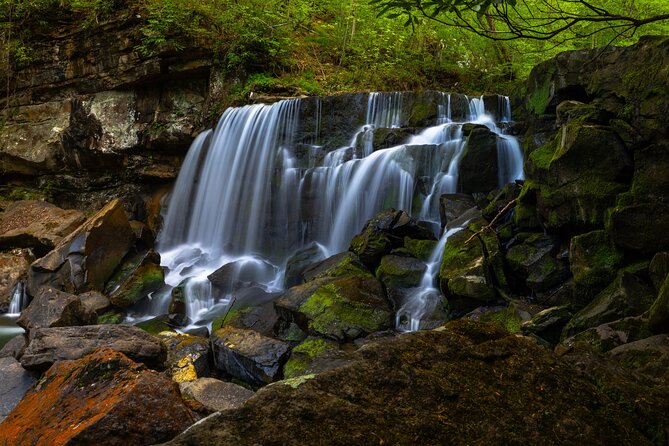
The first big wow moment comes with Wolf Creek Falls. The audio points you to a dramatic setting where the falls tumble down rapids, and it also gives you a hiking teaser: the Kaymoor Trail runs alongside the gorge and is 16 miles long, but the falls are only about 500 feet down the trail.
This is useful because it helps you decide fast. If you’re not trying to hike the whole Kaymoor Trail, you still get the payoff of seeing the falls in a manageable way. And if you are a stronger hiker, the audio framing can help you judge how far you’d actually want to go.
One consideration: the “500 feet” concept is great for motivation, but conditions and footing still matter. Treat it as a short walk you can control, not a guarantee that it’s flat and easy.
Fayetteville: names, legends, and a Revolutionary War connection
Next up is Fayetteville, and the story behind the name links you to the Revolutionary War era. Fayetteville was named for the Marquis de Lafayette, a French advisor and general who became important to George Washington.
I like stops like this because they turn a drive into a place you can picture. Instead of just passing a town sign, you get a reason the name exists—and that makes everything feel more “real,” not just scenic.
You also get more local history threaded in around the park’s story. The audio includes a name origin tied to Tunney Hunsaker, described as a police chief from Fayetteville who became known for being Muhammad Ali’s first professional opponent. The story notes Ali won, but Hunsaker didn’t make it easy.
That mix—Revolutionary roots plus boxing history—may feel random at first. It works on the road, though. It reminds you these aren’t just scenery stops; they’re communities with stories worth knowing.
Concho Rim Overlook: the horseshoe-bend moment
At Concho Rim Overlook, you get the classic New River Gorge view: a dramatic horseshoe-shaped bend in the New River. The audio also tells you there’s a detour involved, meaning this stop expects you to take a slightly off-the-main-road turn.
That’s a good trade. Overlooks like this are where you stop “doing driving” and start doing “looking.” If you only have time to truly linger in one spot, this is the kind of pull-off that usually earns your pause.
Practical note: the audio gives you the viewpoint moment, but you still decide how long to stay. If you want photos, add a little buffer time. If you’re on a tight schedule, you can still catch the view quickly.
Oak Hill’s 1952 snowstorm story: a human-scale piece of history
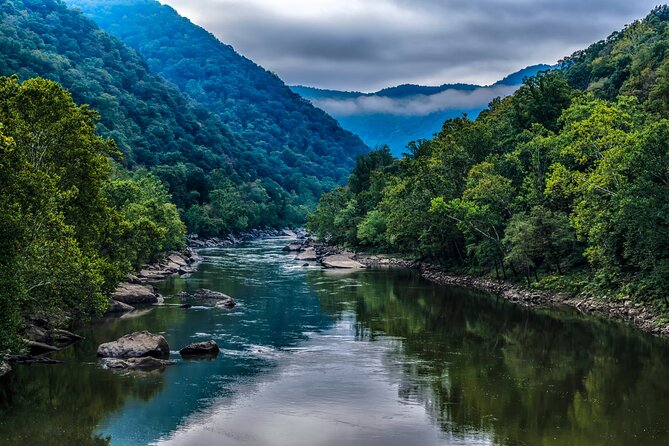
The Oak Hill stop brings a story that’s less about geology and more about people. In 1952, a snowstorm hits at the end of the year, and the audio describes a man named Williams being stuck in Montgomery, Alabama. To make the journey, he hired a college student named Charlie Carr to drive all the way to Ohio.
This kind of narrative matters on a driving tour. Big natural landmarks can turn into “check the box” quickly, especially when you’re staring through a windshield most of the day. A personal, specific anecdote breaks that pattern and gives you something to remember later.
If you’re traveling with kids or people who get antsy in long scenic drives, this stop is a good breather.
Dunloup Falls: a short approach to a 20-foot drop
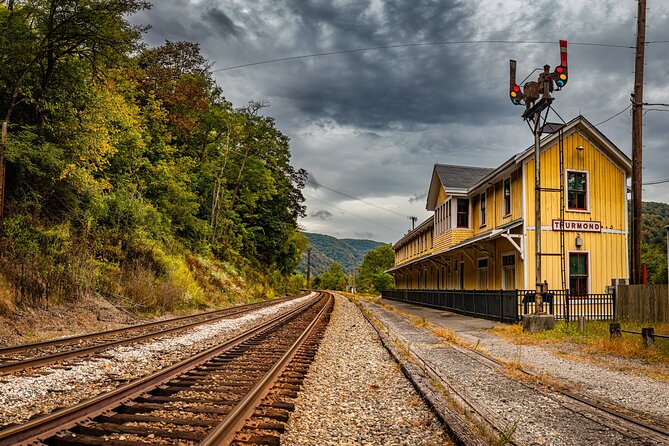
Then you reach Dunloup Falls, tied to the area where Dunloup Creek intersects the New River. The audio describes the falls dropping 20 feet down a sandstone shelf, with the creek meeting the river at this exact spot.
This is one of the most “directly visual” stops on the route: you don’t have to interpret multiple layers of information. You just go see water hitting rock and appreciate the shape of the shelf that lets it happen.
The main drawback to consider is time and footing. Falls areas can be slippery, and your best viewing may require moving carefully around the spot. The tour won’t make you do anything you can’t handle, but it doesn’t remove nature’s hazards either.
Mount Hope: coal towns, coal discovery, and a whole way of life
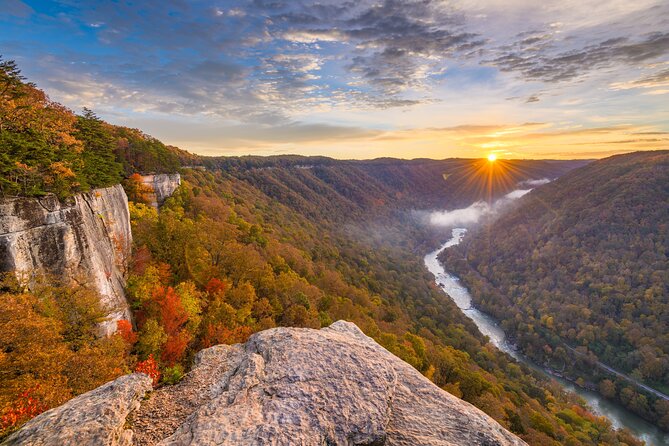
At Mount Hope, the audio connects the town to the discovery of coal in the late 1800s, specifically at nearby Turkey Knob. It describes how mining brought miners and their families, creating a town that grew because of the resource.
What I like about this stop is the cause-and-effect clarity. Instead of just naming the era, it gives you a reason the place looks the way it does—work created the community, and the community formed around the work.
If you like understanding how American towns were shaped by industry, this portion of the drive adds a lot. It also helps you link the later “mining remnants” stops into one bigger story.
Prince and the Thomas Burford Pugh Memorial Bridge toll detail
The tour heads to Prince as you approach the Thomas Burford Pugh Memorial Bridge crossing the New River. Here’s the standout historical note: the audio points out that the crossing used to have a toll—drivers paid 25 cents back in the 1930s, when money was scarce during the Great Depression.
It’s a small detail, but it gives you a vivid snapshot of daily life. You’re not just seeing a bridge; you’re learning that the same crossing came with costs and hardship for regular people.
This is also a good “reset” stop—after falls and town history, bridges offer a wider view and a chance to stretch your legs without committing to a long hike.
Quinnimont and Layland: mining towns, people, and house remnants
At Quinnimont, the audio notes that at one time nearly 500 people lived there, with most connected to nearby mines. Then comes Layland Miners Memorial, where you look at remnants of a former coal town and a collection of abandoned coal company houses.
This section is built for respectful looking. You’re seeing the physical aftermath of a system: mining company housing, rented homes, and workers facing poverty. The audio’s framing helps you understand what you’re seeing, not just that buildings exist.
If you’re the type who likes to travel with context, these are some of the most meaningful stops on the route. If you prefer only scenic viewpoints, you might move through a bit quicker. Either way, slow attention here tends to pay off.
Meadow Bridge and Sandstone Falls: timber to the biggest falls on the New River
Next is Meadow Bridge, described as the first true timber town you’ll see on the drive. The audio ties it to the Meadow River Lumber Company, which once cut and sold millions of feet of lumber.
That “first timber town” detail matters because it shifts the theme of the day. You’ve been in coal country. Now you’re in wood-and-industry country. It gives you a fuller picture of how different resources drove different local economies.
Then the tour finishes at Sandstone Falls, described as the largest series of falls on the entire New River. The audio credits their formation to millennia of erosion: the river eroded softer rock beneath layers of sandstone, leaving the falls you can see now.
I love ending with a geology-and-scale story. It pulls the day together: water shapes rock, industry shapes towns, and all of it sits along the same river system.
How the audio tour app works (and how to avoid headaches)
This tour is a “download once, listen offline” setup. But there’s an important timing rule: you must download the tour while you have strong Wi‑Fi/cellular. After that, it’s designed to work offline.
Your start process is simple:
- After booking, you’ll get an email and text with setup instructions and a password (search for audio tour in those messages).
- Download the separate Action’s Tour Guide App.
- When you’re onsite, open the app, start the tour that matches your planned starting point and direction.
For sound in the car, the tour recommends connecting your phone to your car stereo using Bluetooth, USB, or AUX. If you use Apple devices, audio playback is compatible with Apple CarPlay, and support for Android Auto is on the way.
For quick walks, headphones can make life easier, since car audio often gets drowned out by wind and movement. And as with any driving day, keep an eye on battery life—this kind of trip is hard on phones.
Price and value: $16.99 per group, plus one extra cost
The price is $16.99 per group (up to 4). That’s a big deal if you’re traveling with friends or family because you’re buying the guide once, not multiplying per person.
It’s also value-forward because you’re getting:
- a route and auto-playing stories
- offline maps
- the ability to start and pause freely
One catch: you still need a park pass / admission to visit New River Gorge National Park, and it’s not included. So your true cost is tour + park entry.
If you already planned to go anyway, this audio option can be a smart way to add depth without paying for a separate guided group. If you aren’t sure you’ll use the entire route, it still helps to think of it like buying “structure” for your day—where to stop and what to notice.
Who this driving tour suits best
This tour fits best if you like:
- scenic driving with short stops
- history tied to places, not just dates
- a flexible plan that lets you linger when the views hit
You’ll also appreciate the format if you have a mixed crew—someone who loves waterfalls can focus there, while someone else enjoys the coal and town stories.
If you want a tour built around long hikes or constant stops for people to get out and socialize, you might find this is more “drive + listen” than “walk together.” The audio may mention hiking options like the Kaymoor Trail, but it’s still a driving-focused experience.
Should you book the New River Gorge driving audio tour?
I’d book it if you want a gorge day that feels more like your road trip than a rigid schedule. The lifetime access means you can use it again on a later visit, and the offline design reduces stress when cell service is spotty.
Do it with a small checklist:
- Get your park pass sorted since it’s not included
- Download the tour on strong signal before you rely on offline playback
- Plan to connect your phone to the car stereo (Bluetooth/USB/AUX)
If you’re craving waterfalls, overlooks, and real human stories along the New River, this tour is a practical way to turn a drive into a memory you’ll actually understand.
FAQ
Where does the tour start and end?
It starts at Canyon Rim Visitor Center, 162 Visitor Center Rd, Lansing, WV 25862. It ends near Sandstone, WV 25976 (end point listed as Q33W+3JX).
How long does the self-guided driving audio tour take?
It takes about 2 to 3 hours to complete on average.
How much does it cost, and how many people can you bring?
The price is $16.99 per group, for up to 4 people.
Do I need cellular or Wi‑Fi during the tour?
No. The tour includes offline maps, but you must download the tour while you have strong Wi‑Fi/cellular.
What do I need to do on my phone before I start driving?
After booking, download the Action’s Tour Guide App, then use the password sent by email/text to access the tour. You should do the download while you have strong signal.
How does the audio play while I’m driving?
You open the app onsite and start the correct tour version for your starting point and direction. Then the audio stories play automatically based on your location.
Is a park pass included?
No. Park passes/admission are required to visit New River Gorge National Park, and they are not included with this tour.
Do I need to connect my phone to my car stereo?
That’s recommended. The setup instructions suggest connecting via Bluetooth, USB, or AUX, and audio playback is compatible with Apple CarPlay.