REVIEW · CHIANG MAI
Monks chanting, Wat Doi Suthep and Wat Phalad+ Meditation
Book on GetYourGuide →Operated by Chiangmai Local Tour Guide · Bookable on GetYourGuide
Night falls, and the temple chant hits different. This half-day route strings together three linked temples and gives you a real evening feel for Northern Thai Buddhism, from forest quiet at Wat Phalat to the golden views from Wat Doi Suthep, plus monks chanting with meditation.
I especially like the way the guide frames the connections between sites—Wat Suandok’s relic link to Wat Phra That Doi Suthep makes the whole story click—and I like the spiritual pacing, with chanting that’s more than background noise. The one thing to think about is effort: you’ll face temple stairs and required dress, so wear shoes you trust and plan for long pants or a long skirt.
In This Review
- Key things I’d center in your planning
- Chiang Mai’s temple chain: why these three stops make sense
- Wat Suandok: the royal garden stop that links to Doi Suthep
- Wat Phalat: a 600-year-old meditation sanctuary in the jungle
- A heads-up on comfort
- Wat Doi Suthep: the stairs, the gold pagoda, and the view that closes the loop
- Evening monks chanting and meditation: where the spiritual tone takes over
- What to expect from meditation participation
- Timing and pace: how 270 minutes usually plays out
- Small group matters
- Price and value: what $30 buys you in the Chiang Mai hills
- What you should pack and wear (and what you should skip)
- Who should book this, and who might want to pass
- Should you book this monks chanting and Doi Suthep tour?
- FAQ
- Where do I meet the group?
- How much does the tour cost?
- How long is the experience?
- Is there an English-speaking guide?
- Is it a small group?
- Do I participate in the monks chanting or just watch?
- What’s included in the price?
- What should I wear and bring for the temples?
- Can I bring a drone or alcohol?
- Who might not be suitable to join?
Key things I’d center in your planning
- Wat Phalat’s rainforest calm: a hidden, 600-year-old meditation temple with waterfalls and jungle peace
- Wat Suandok’s royal-flower garden tie-in: pagoda relics separated from Doi Suthep, so the route feels connected
- Wat Doi Suthep’s Lanna gold pagoda: climb up for the famous landmark and a panoramic Chiang Mai view
- Evening monks chanting + meditation: you participate as the bells and chanting fill the mountain air
- Small group up to 9: more time to ask questions and keep the mood from feeling rushed
Chiang Mai’s temple chain: why these three stops make sense
What makes this experience more satisfying than a simple temple checklist is the logic of the route. You’re not bouncing randomly between unrelated sites. You’re walking through a sequence of meaning: Wat Suandok, Wat Phalat, and Wat Doi Suthep each adds a different layer to Northern Thai Buddhism and the Lanna Kingdom style.
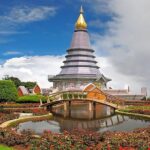
You start by heading to Wat Suandok, described as a former Royal family flowers garden. That detail matters because it sets the tone. This isn’t just a “pretty building” stop. It’s tied to the same sacred world as Wat Phra That Doi Suthep. The reason you feel that connection is the pagoda at Wat Suandok, which contains relics of the Buddha that were separated from the relics at Wat Doi Suthep. So when you later climb up to Doi Suthep, it lands with more context than if you’d only seen the main landmark.
Then you go onward to Wat Phalat, which shifts the mood hard. From royal-garden energy you move into a hidden temple surrounded by rainforest. The contrast is the point. You get both the ceremonial, structured side of temple life and the quieter, meditative side—before ending at Chiang Mai’s most famous mountaintop temple.
You can also read our reviews of more tours and experiences in Chiang Mai.
Wat Suandok: the royal garden stop that links to Doi Suthep
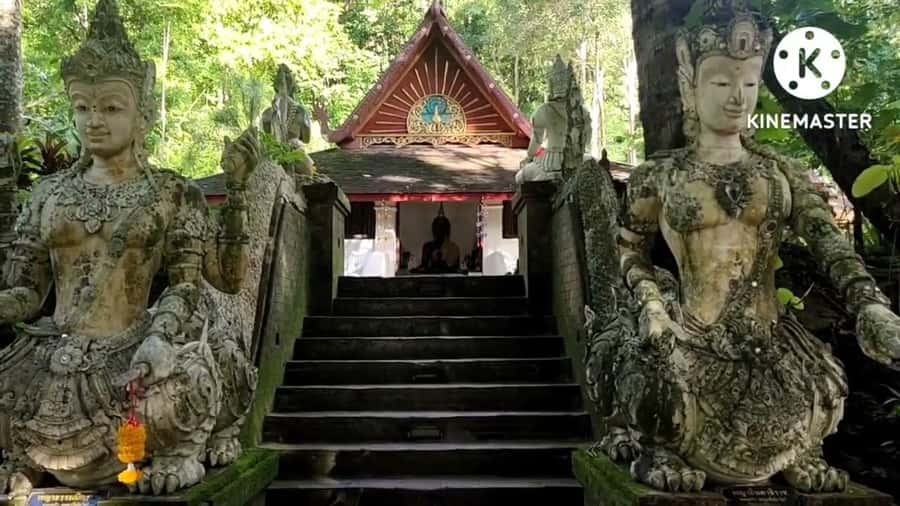
Wat Suandok is where the guide’s explanations really help, because the place is described as connected to Wat Phra That Doi Suthep in a way that’s easy to understand. You’ll see the resplendent pagoda and you’ll learn why the relic story matters to the region’s sacred map.
Even if you’re not a Buddhism scholar, this kind of explanation changes how you see details. Relics are not just a fact on a sign. They’re a reason temples are positioned, remembered, and visited in relation to each other. Here, the pagoda at Wat Suandok holding relics separated from those at Doi Suthep makes the whole evening feel like one continuous spiritual thread.
Practical note: you’ll still want the basics—comfortable clothes and steady shoes. This isn’t a “sit back the whole time” experience, and your legs will appreciate footwear that handles walking on temple grounds.
Wat Phalat: a 600-year-old meditation sanctuary in the jungle
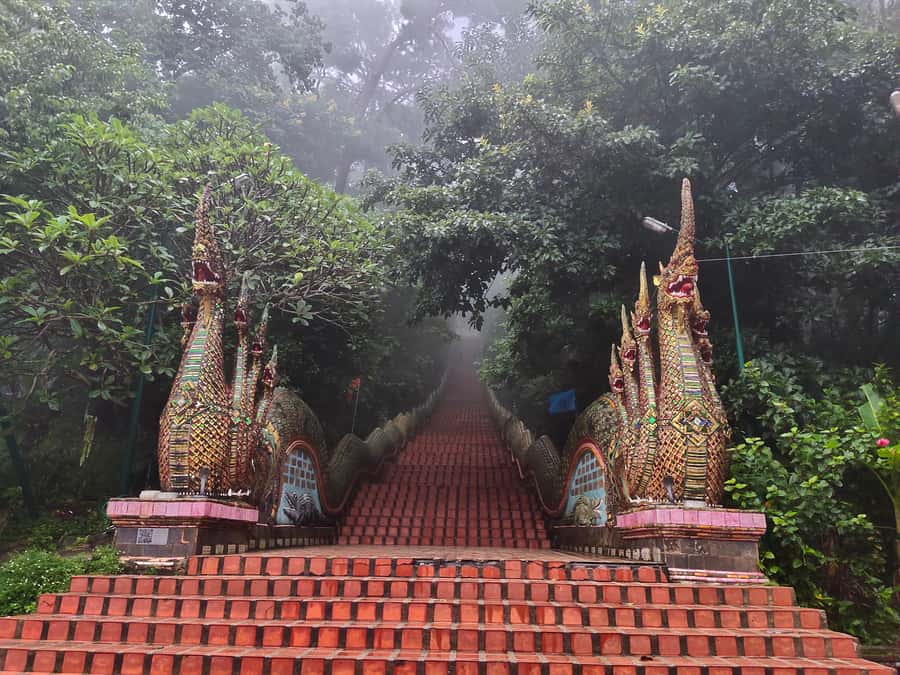
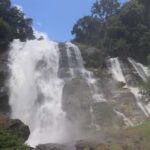
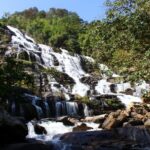
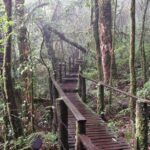
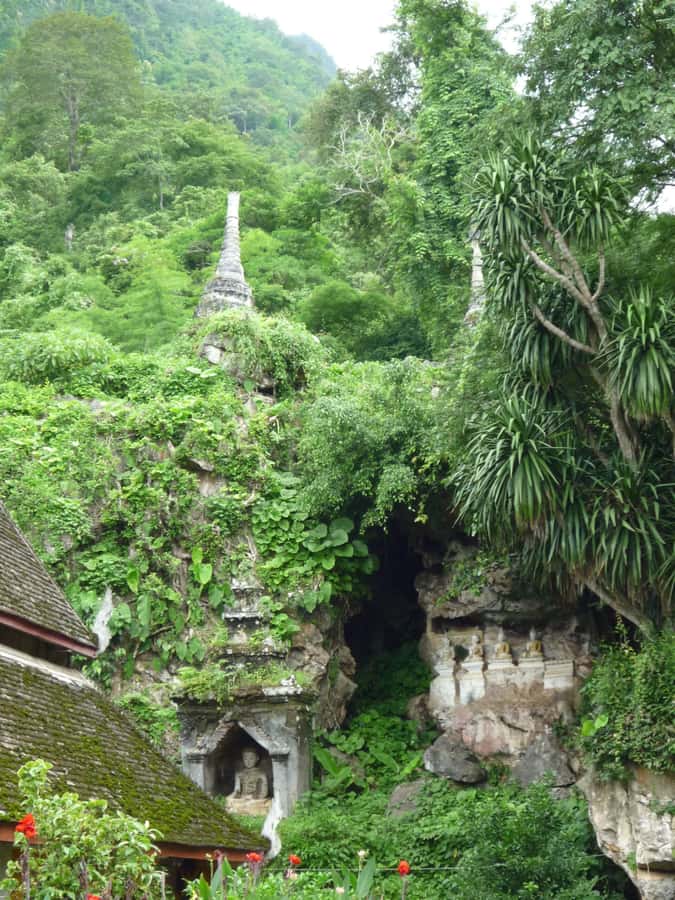
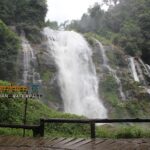
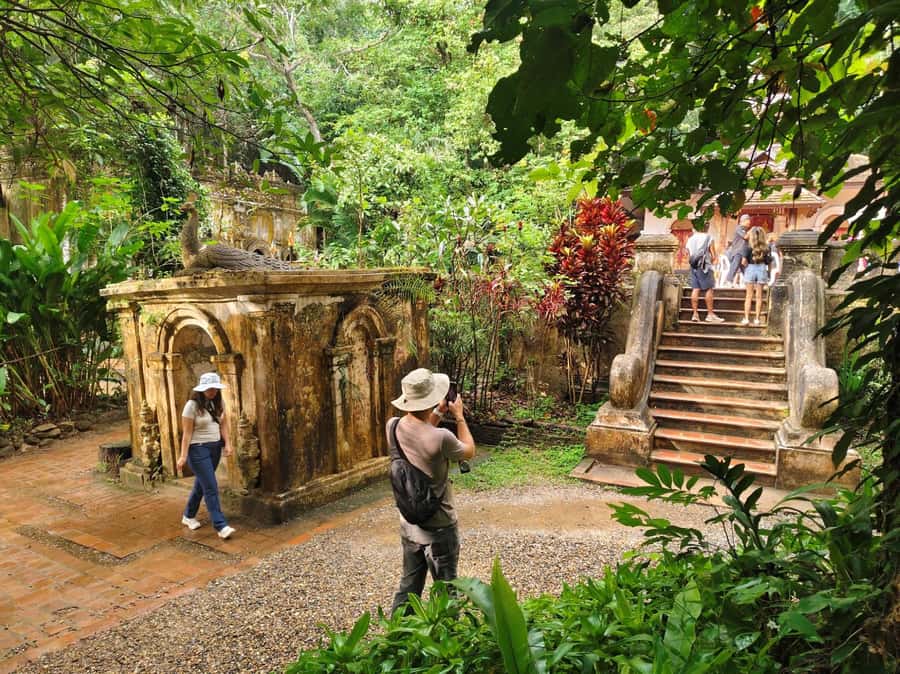
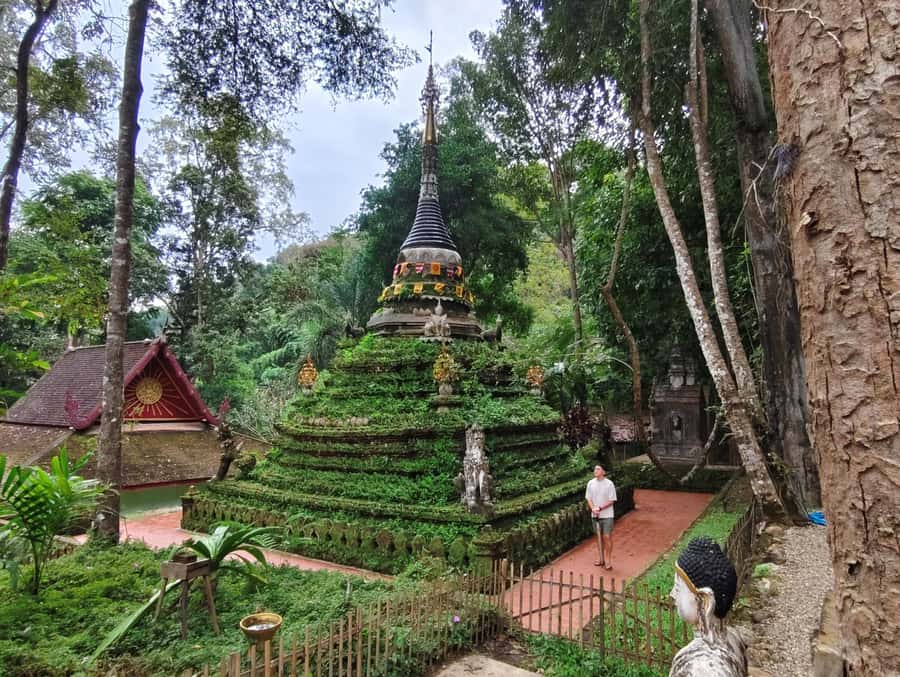
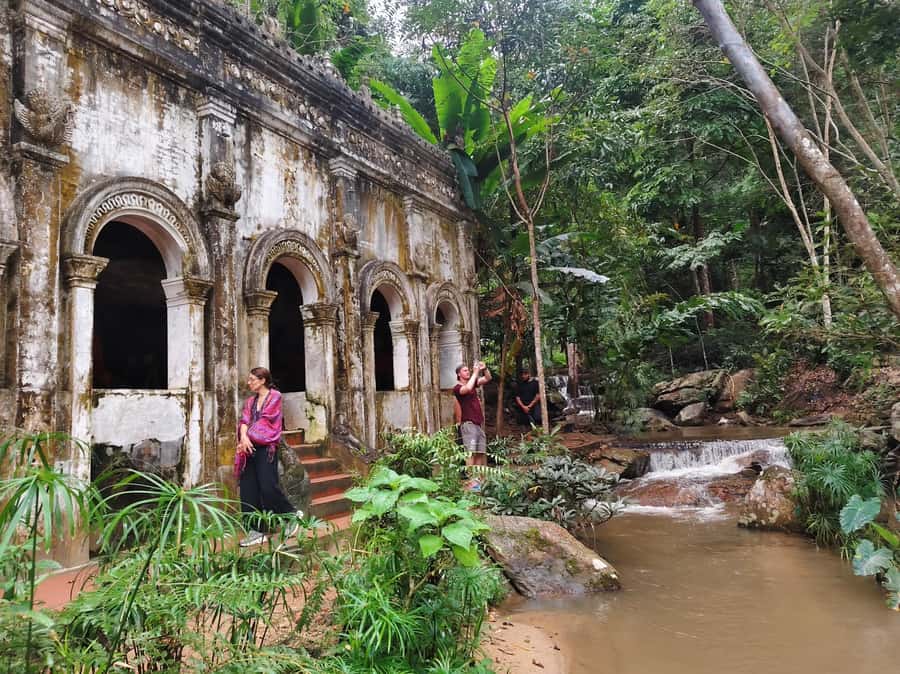
If you’re craving a quieter moment in Chiang Mai, Wat Phalat does that job. It’s described as a hidden temple in the jungle, surrounded by rainforest with waterfalls nearby. That isn’t just poetic. You feel it in the atmosphere: the place is meant for meditation, not crowds.
Wat Phalat is also where you’ll notice architectural mixing. The temple is described as a blend of Burmese and Chiang Mai Lanna styles. That matters because it reflects how religious culture traveled and adapted in Northern Thailand. You’ll likely see a mix of design cues that don’t feel identical to the more famous Doi Suthep. It feels more intimate, like a place built for inner attention rather than big sightseeing.
One more useful detail: this stop has a peaceful, meditative feel built into the setting. It’s not a long lecture. It’s more like guided context plus time to take in the calm. In the overall experience, that makes the later chanting feel even more powerful. You go from jungle quiet to ceremony and gold-light energy.
A heads-up on comfort
You’re moving through temple areas that can include paths in natural surroundings. Bring comfortable shoes. If you’re sensitive to humidity or you tire quickly, pace yourself and drink water when you get the chance.
Wat Doi Suthep: the stairs, the gold pagoda, and the view that closes the loop
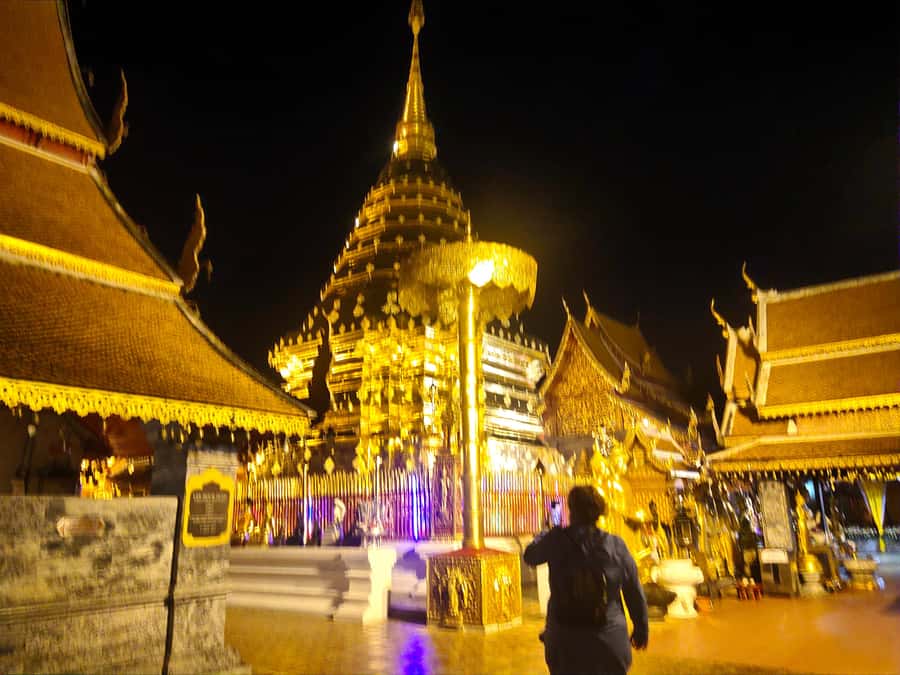
Then comes Wat Doi Suthep—the landmark that most people associate with Chiang Mai. It’s located on the peak of the Doi Suthep Mountains, and the experience includes climbing the stairs to reach the temple.
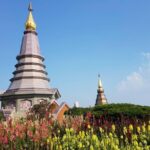
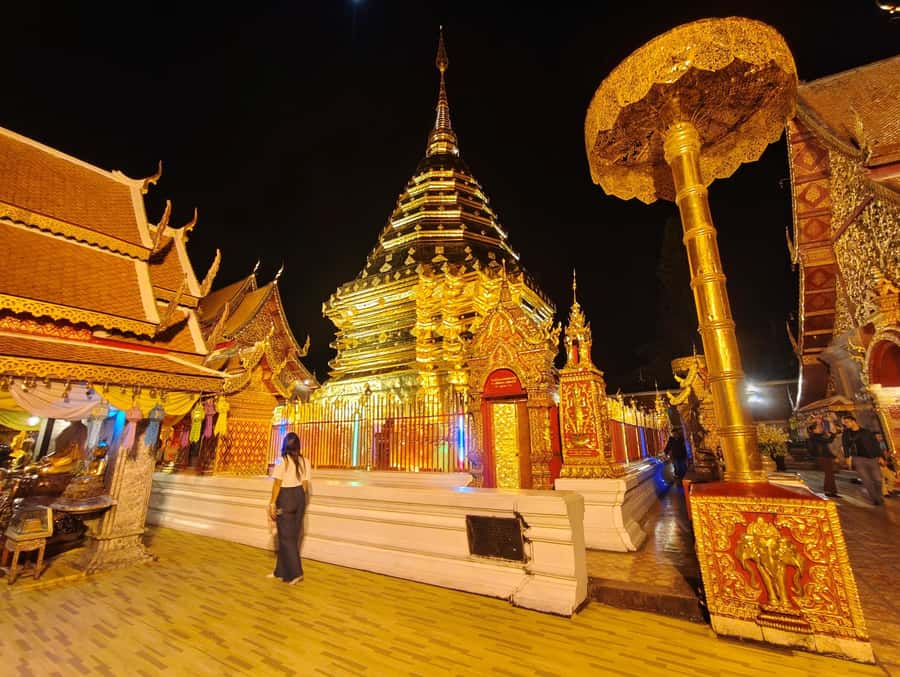
That stair climb is part of the point. You’re going up through the city’s daily life into a place meant for worship, reflection, and the kind of stillness you can’t fake. At the top, you’ll see the pagoda in the architecture style of the Lanna Kingdom, shining with real gold and jewels. The pagoda is also described as believed to enshrine holy Buddha relics over 640 years ago. That’s the kind of time depth that makes a famous site feel more like a living tradition.
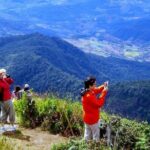
And then there’s the view. A viewing platform offers panoramic views over Chiang Mai city. You get a wide sense of the city’s shape, the mountain slopes, and the way the city sits within its wider valley setting. When you’re taking in that view, it helps to remember what you’ve already learned at the other temples: the relic connection, the style differences, and the shift from garden ceremony to forest meditation.


Evening monks chanting and meditation: where the spiritual tone takes over
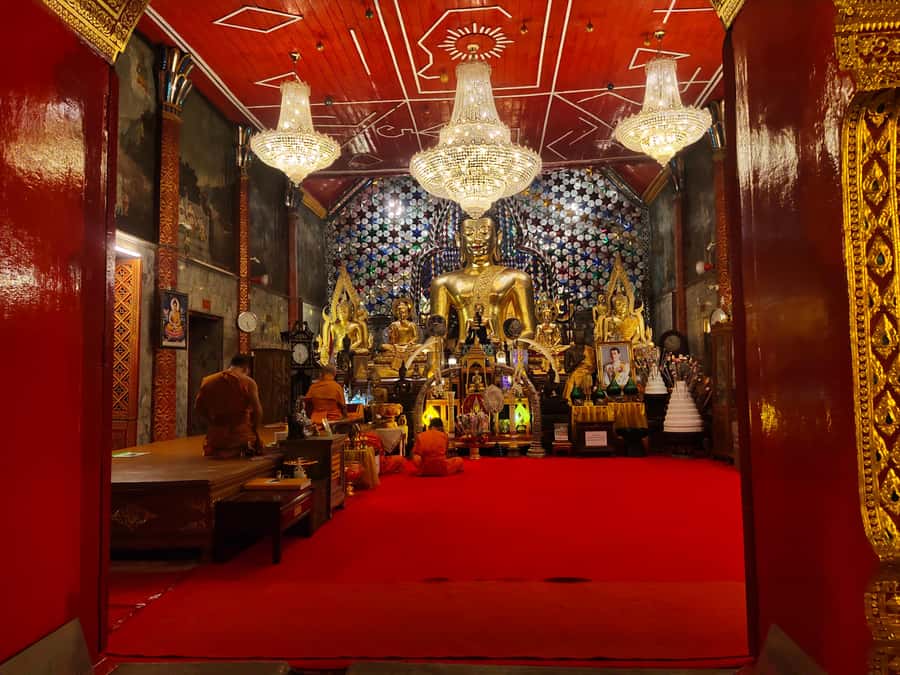
The evening portion is the heart of this experience. You participate in monks chanting and do meditation during the chanting. This isn’t framed as a performance you watch from the sidelines. The activity is designed for you to join in, following the rhythm of the group and the tone set by the monks.
You’ll likely notice how quickly sound changes the mood. Temple bells and chanting, plus mountain air and sunset light, make the experience feel more focused than a standard sightseeing stop. It’s one of those moments where the setting does part of the teaching.
Some guides also add personal touches that help it feel grounded. In past groups, guides including James—who shared insights from monastic life—and Tom have explained Buddhism and temple rules in ways that made the experience feel authentic rather than scripted. One group even received a blessing from a monk, and another mentioned being given candles to light and a flower to place with a wish. Those details aren’t guaranteed in the way a ticket is, but they show the kind of thoughtful engagement that can happen when the group aligns well with the ceremony.
What to expect from meditation participation
Your comfort matters here. Wear clothing that lets you move without fuss. If you’re the kind of person who gets distracted easily, focus on small anchors: the sound of chanting, the guide’s instructions, and your breath during the meditation moments.
Timing and pace: how 270 minutes usually plays out
This tour runs about 270 minutes, which is roughly four and a half hours. That length is long enough to visit three temples and still reach the evening atmosphere, but short enough that you’re not spending the whole day in transit.
The flow typically looks like this:
- A departure from the meeting point with transportation to the first temple stop
- A move through Wat Suandok and then on toward the mountain area
- A jungle stop at Wat Phalat, where the mood slows
- Ascending to Wat Doi Suthep for the famous pagoda and panoramic views
- An evening session of monks chanting with meditation
- Returning to Chiang Mai city, including night-time city views on the way back
The night-time views are a nice wrap. You get to compare the city in daylight-feel moments earlier with the darker, lit-up version later.
Small group matters
This is a small group capped at 9 participants. That usually makes a difference for a religious experience. You can ask questions without shouting over a crowd, and your guide can keep an eye on how everyone is doing on steps and walking.
Price and value: what $30 buys you in the Chiang Mai hills
At $30 per person, you’re paying for more than “seeing temples.” You’re paying for:
- pickup and drop-off service from your meeting area
- transportation through multiple temple zones
- an English-speaking guide with a TAT license
- drinking water in the car
- the evening monks chanting and participation in meditation
The value here is the combination: three distinct sacred settings in one compact half-day, plus real guidance. Without a guide, it’s easy to tour temples like a checklist. With a good guide, you’re learning how each place relates to the next—especially the relic link between Wat Suandok and Wat Doi Suthep.
Just keep expectations realistic. You’re not getting a private, slow-tempo experience. This is a small group, and the schedule aims to fit chanting and views.
What you should pack and wear (and what you should skip)
This is a temple tour, so your clothing choices directly affect comfort.
Bring:
- comfortable shoes
- a camera
- comfortable clothes
- cash
What you should wear:
- long pants or a long skirt for temple visits
Don’t bring:
- drones
- alcohol and drugs
Also, plan for the practical reality of a mountain temple. If you get tired fast, build in small breaks and take your time on stair sections.
Who should book this, and who might want to pass
This experience can be a strong fit if you want a spiritual evening in a structured, guided way. It’s especially good for couples, solo travelers, and anyone who likes their sightseeing with meaning attached—relic stories, architectural context, and chanting participation.
It may not be for everyone, though. The tour data lists several categories of guests it’s not suitable for, including:
- children under 2 and under 3 (age limits vary by note)
- pregnant women
- wheelchair users
- people with altitude sickness
- people over the listed weight limits (the notes show caps at 254 lbs / 115 kg and also another cap at 297 lbs / 135 kg, so confirm which one applies)
- people over 95 years and people over 70 years
If any of those apply, it’s worth looking for a different format—especially because Wat Doi Suthep includes stairs and you’ll be spending time outdoors on uneven temple grounds.
Should you book this monks chanting and Doi Suthep tour?
Book it if you want one clear plan that combines Northern Thailand’s main landmark with a quieter rainforest temple and an evening chanting experience where you actually participate in meditation. The small group size helps keep things respectful and easy to follow, and the guide’s explanations—especially monastic-life context from guides like James—can turn the evening from scenic to memorable.
Consider passing or switching to a different style if stairs and outdoor time are a problem for you, if your body doesn’t handle elevation well, or if you’re looking for something fully accessible. Also, if you don’t want to wear long pants or long skirts for temples, this won’t feel comfortable.
FAQ
Where do I meet the group?
Meet beside the Three King Monuments under the tree on the right-hand side of the statutes.
How much does the tour cost?
The price is listed as $30 per person.
How long is the experience?
The duration is 270 minutes.
Is there an English-speaking guide?
Yes. The tour includes an experienced English speaking guide with a TAT license.
Is it a small group?
Yes, it’s limited to 9 participants.
Do I participate in the monks chanting or just watch?
You participate in evening monks chanting, and you also do meditation during the monks chanting.
What’s included in the price?
Pickup and drop-off from the meeting point, join tour service, transportation, an English guide (with TAT license), and drinking water in the car.
What should I wear and bring for the temples?
You’ll want long pants or long skirts. Bring comfortable shoes, a camera, comfortable clothes, and cash.
Can I bring a drone or alcohol?
No. Drones are not allowed, and alcohol and drugs are not allowed.
Who might not be suitable to join?
The tour data says it’s not suitable for pregnant women, wheelchair users, people with altitude sickness, and several age/weight categories, including people over 70 and over 95 years.