REVIEW · HABARANA
Kaudulla National Park Half-Day Safari with Expert
Book on GetYourGuide →Operated by Sri Lankan Adventures · Bookable on GetYourGuide
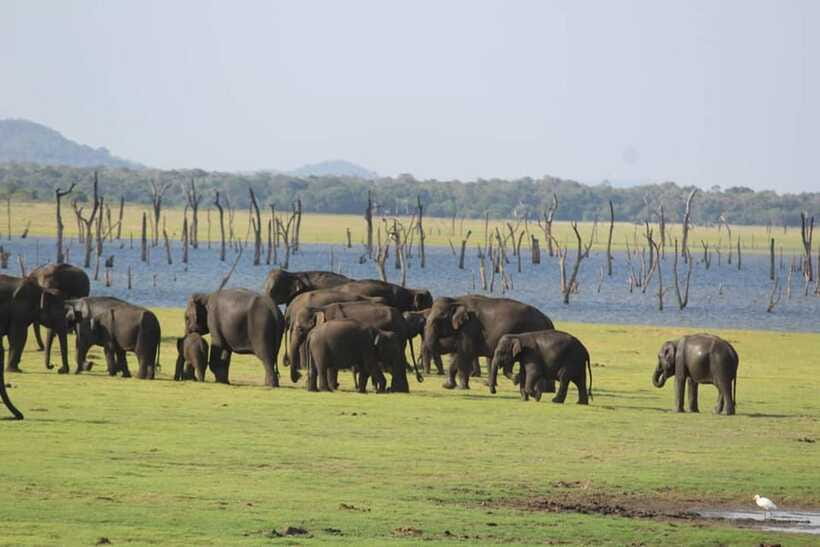
Elephants at Kaudulla are a loud surprise. I like the chance to catch the elephant gathering (big herds at the Kaudulla reservoir) and the local wildlife guide commentary that helps you spot animals fast.
You’re also in a 4×4 jeep for a short, focused outing with time set aside for photography and real-looking wildlife encounters.
One thing to plan for: the park entrance fee isn’t included in the $34 price, so your all-in cost is higher once you pay at the gate.
In This Review
- Key highlights
- Why Kaudulla’s elephant gathering is the main reason to go
- Hotel pickup and the drive into North Central Province
- The 3–4 hour jeep safari: how the schedule really feels
- What you might spot: elephants, crocs, birds, and the rest of the food chain
- Stops for photos and sightings: why the breaks matter
- Price and what $34 covers (and what it doesn’t)
- Comfort, safety, and what to pack for a half-day in the park
- Who this Kaudulla half-day is best for
- Should you book Kaudulla with this half-day safari?
- FAQ
- How long is the Kaudulla National Park half-day safari?
- Where is hotel pickup available?
- Is the Kaudulla National Park entrance fee included?
- What wildlife can I expect to see?
- When is the elephant gathering season in Kaudulla?
- Are meals and snacks included?
Key highlights
- Elephants in season (July–October) at the Kaudulla reservoir
- Expert-led jeep safari with guidance on what to look for
- A bird-rich park with 160+ species, including painted storks and peacocks
- More than elephants: sambar deer, monkeys, crocodiles, water buffalo, and more
- Comfort and safety with hotel pickup and drop-off included
Why Kaudulla’s elephant gathering is the main reason to go
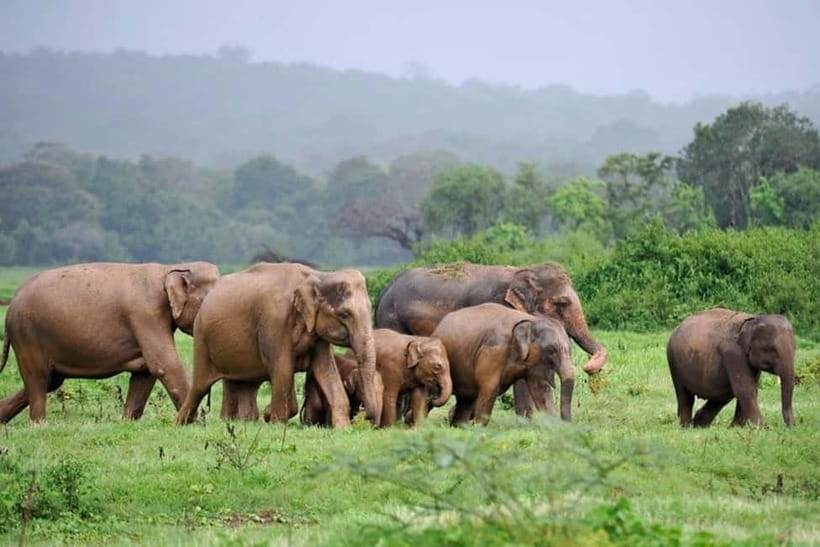
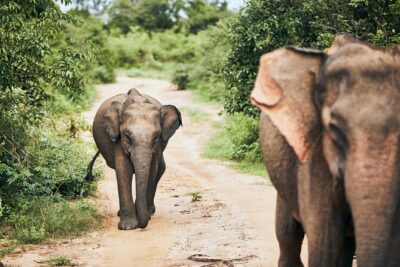
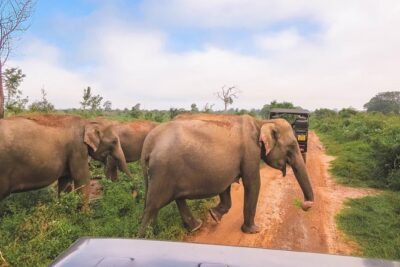
Kaudulla National Park is one of Sri Lanka’s go-to places for elephant sightings, mainly because of what happens around the reservoir during the dry season. When conditions are right, elephants gather in larger numbers, and that changes the whole feel of the safari.
If your goal is a half-day wildlife fix that actually feels worth your limited time, Kaudulla is a strong pick. You’ll spend your energy on a realistic game plan: look for elephants first, then build the rest of the sightings around what the ecosystem is doing that day. And the park’s birdlife means you’re not stuck waiting in silence between elephant moments.
The tour’s elephant angle is practical, not just marketing. The itinerary is built around a few hours in the park, with stops for sightings and photos. That matters because in safari time, a good guide can turn a “maybe” into a “there it is,” and good timing helps you catch animals while they’re active.
You can also read our reviews of more tours and experiences in Habarana.
Hotel pickup and the drive into North Central Province
This starts with pickup from your hotel in the Sigiriya, Habarana, or Dambulla area, with optional hotel pickup from Kandalama or Dambulla available for an extra charge. That’s convenient when you’re already basing yourself in the Cultural Triangle and don’t want to spend half your morning figuring out transport.
You’ll ride out on a scenic drive through villages and countryside before you reach the park entrance. Expect the journey to be part of the experience, not just dead time. Rural roads in this region often feel lived-in, and getting to the park by jeep or car helps you arrive already in safari mode—eyes up, scanning for movement.
The big value here is mental. When pickup is handled for you, you can focus on the wildlife instead of timing your way across town. It’s also easier to keep the day simple, which is a win when you’re trying to balance safari time with other things you want to see in Sri Lanka.
The 3–4 hour jeep safari: how the schedule really feels
The activity runs about 4 hours total, with the safari portion lasting roughly 3–4 hours. That might sound short, but it’s a good length for a half-day: long enough to move through different parts of the park, short enough that you’re not exhausted by the time you’re back at your hotel.
Your guide/driver brings the action with commentary and spotting help. The safari includes stops for photography and animal sightings. You’re not just cruising past trees and hoping for luck—you’re getting guidance on where animals may show up and what to watch for once you’re there.
One small reality check: even in elephant season, wildlife is still wildlife. You should go with a flexible attitude. The experience is designed to maximize your chances—especially for elephant herds during the July to October window—but the park doesn’t guarantee specific animals on a specific minute.
What you might spot: elephants, crocs, birds, and the rest of the food chain
Let’s talk about the “what can I see?” list, because Kaudulla is not a one-animal park. Elephants are the headline, but the safari is structured around the idea that you’ll get multiple types of sightings in one go.
Elephants and the Kaudulla reservoir
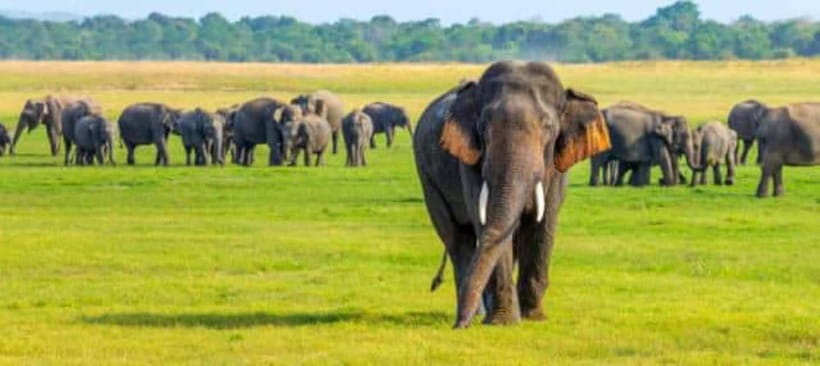
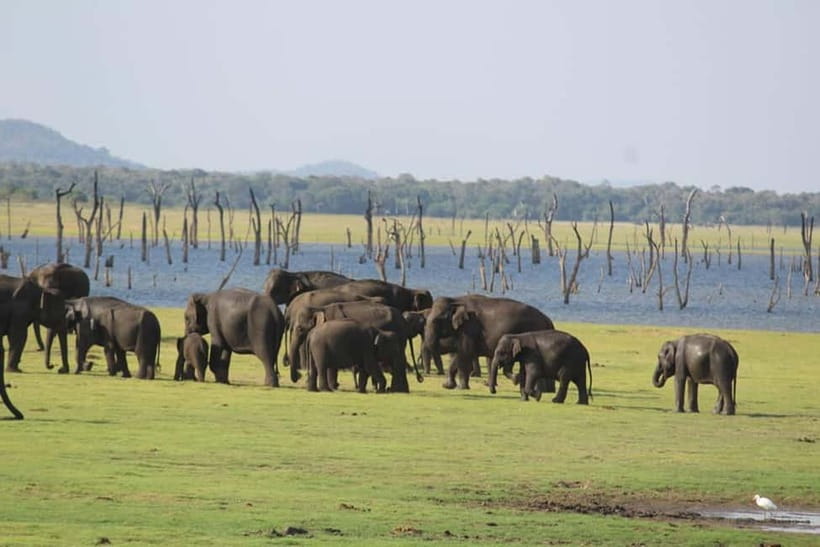
The highlight is the chance to see large herds of wild elephants, especially during the dry season from July to October when they gather around the Kaudulla reservoir. If you travel in that window, you’re basically aiming for one of Asia’s more famous wildlife spectacles. Even if you’ve seen elephants elsewhere, the concentration of animals here can feel different—more frequent sightings, more time watching real herd behavior.
Big birds and lots of them
Kaudulla is also a bird powerhouse with more than 160 species. You may spot painted storks, eagles, and peacocks, among others. This is a big deal for your satisfaction level, because birdlife often shows up even when larger mammals are staying quiet.
If you care about bird spotting, your guide’s commentary becomes more valuable. Instead of just seeing a flash of color, you’ll have help identifying what you’re looking at and where to scan next.
Crocodiles and water buffalo
The park’s water edges and the presence of animals like crocodiles and water buffalo mean the ecosystem is active in multiple directions. You’re not only watching land animals. You’re watching a whole system: where food and water concentrate, animals follow.
Other mammals
Your safari may also include sambar deer, wild boar, monkeys, and more. And if you get lucky, the guide may help you try for elusive sightings like leopard or sloth bear. Those are not promised, but the fact that they’re possible adds excitement without turning the tour into a fantasy hunt.
Stops for photos and sightings: why the breaks matter
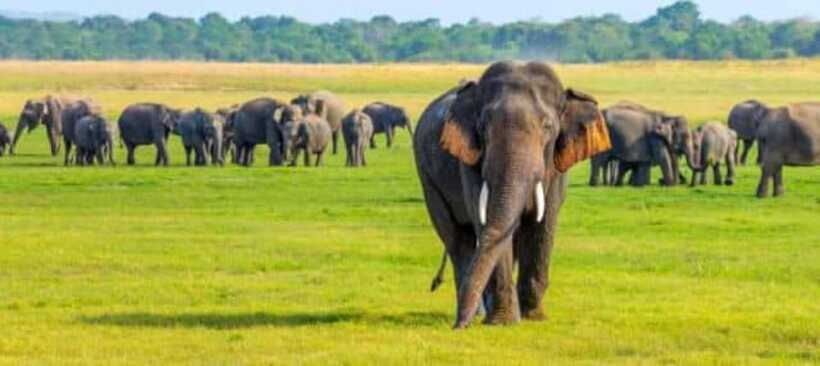
This safari gives you stops for photography and wildlife sightings, and that’s one of the most important parts of the experience. In many safari days, people rush. Here, the day is built around pausing long enough to notice animal details—posture, movement, group behavior, and where they’re headed next.
So instead of constantly changing viewpoints every few minutes, you get time to:
- react when an animal appears
- frame photos properly
- wait for the next angle
- listen for what the guide is pointing out
The “serene environment” is also real in practice. There’s a calmer feel when you’re not on a strict timer sprinting from place to place. You’ll still move through the park, but the pace supports attention.
That’s also where expert guidance pays off. A good guide helps you avoid the common mistake of rushing toward the first animal you see, then missing the bigger moment coming in a different direction.
Price and what $34 covers (and what it doesn’t)
At about $34 per person, this half-day safari is priced as a value option for guided wildlife time. The tour includes hotel pickup and drop-off and an experienced local wildlife guide/driver, plus the safari portion in the jeep.
What’s not included is important for budgeting:
- Kaudulla National Park entrance fee (paid at the park gate)
- Meals and snacks
So here’s the honest math. You’re paying for the guide and the vehicle time, then paying the gate fee separately once you arrive. That’s not a deal-breaker, but it does mean your total day cost won’t exactly match the headline price.
Also, since meals and snacks aren’t included, plan to bring or buy something simple before you go, especially if you don’t want to feel hungry while you’re watching elephants. The safari is long enough to make timing meals tricky, and you don’t want your day to turn into a snack search at the wrong moment.
Comfort, safety, and what to pack for a half-day in the park
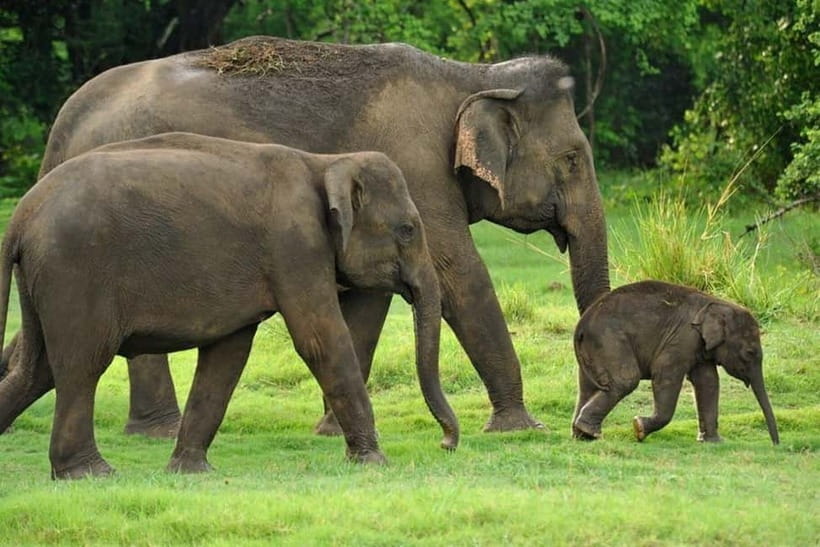
The tour includes comfort and safety as part of the experience, and the format supports that. You’re picked up from your hotel, driven to the entrance, and back again. That removes a lot of logistical stress, which helps you enjoy the wildlife instead of managing travel friction.
Still, you should pack like you’re going to be outside for a few hours in natural conditions. Basic items make a difference:
- sunscreen and sun protection
- a light layer in case it’s cooler at the time you go
- water so you stay comfortable during the safari
You’ll also want something practical for photos. A steady grip helps, and if you’re using a phone, keep it protected from dust and splashes. Crocodiles and water buffalo might sound like they belong at the waterline, but the park has plenty of wildlife movement and uneven ground can kick up grit.
If you wear shoes you can move in easily, you’ll feel better during stops. Even when the safari is “just sitting in a jeep,” you might step around briefly for a better photo angle when your guide advises.
Who this Kaudulla half-day is best for
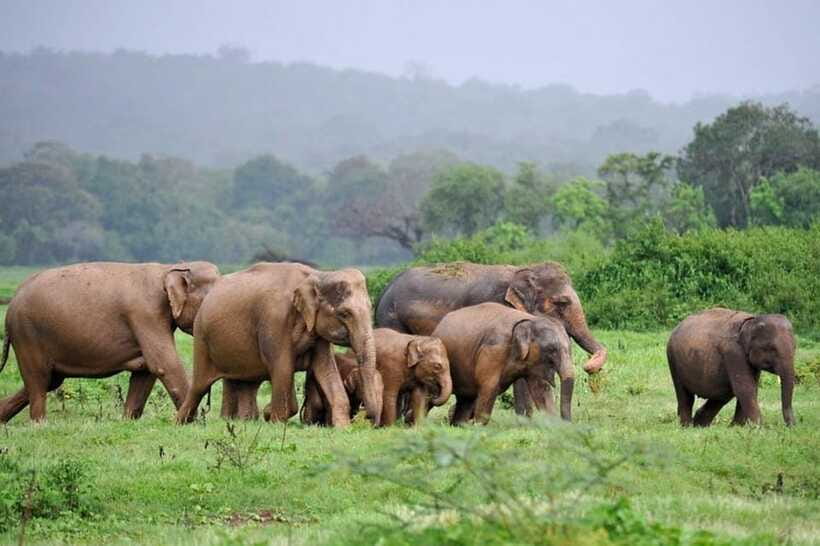
This is a smart choice if you:
- want a wildlife day without spending the whole daylight schedule
- are staying in Sigiriya, Habarana, or Dambulla and want simple pickup
- travel during July to October and specifically want a stronger shot at elephant herds around the reservoir
- care about birds, too, not just big mammals
It’s also a good fit for couples and solo travelers who like guided help. The guide’s spotting commentary can turn a plain drive into an actually educational safari, especially when you’re trying to see multiple species in a short time window.
If you’re the type of traveler who needs guaranteed rare animals like a leopard, you might find the “maybe” part frustrating. This tour is built for high-probability sightings—elephants, birds, and the animals that come with them—rather than a guarantee of elusive predators.
Should you book Kaudulla with this half-day safari?
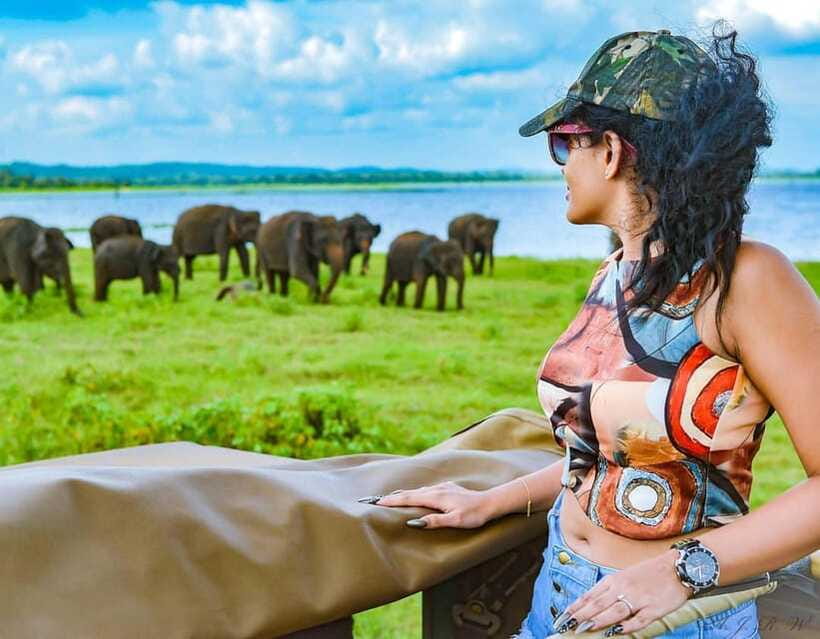
Yes, if you want a time-efficient, guide-led wildlife outing with a strong elephant focus—especially in July to October. The value is in the pairing of pickup, jeep time, and local commentary, plus the fact that Kaudulla gives you more than one kind of wildlife to watch.
I’d book it if you’re already basing yourself nearby and you don’t want to wrestle with park logistics. Paying the entrance fee at the gate is normal for this kind of tour, and as long as you plan for snacks or a light pre-safari meal, the experience stays smooth.
Skip or reconsider if you’re traveling at a time when you’re hoping for the big elephant herds and you can’t handle wildlife variability. Safari days are never totally predictable. The best move is to match your expectations to the season and let the guide do the heavy lifting.
FAQ
How long is the Kaudulla National Park half-day safari?
The total experience is about 4 hours, and the jeep safari inside the park lasts approximately 3–4 hours.
Where is hotel pickup available?
Pickup is offered from hotels in the Sigiriya, Habarana, or Dambulla area. Pickup from Kandalama or Dambulla is available for an additional charge.
Is the Kaudulla National Park entrance fee included?
No. The entrance fee is paid separately at the park gate.
What wildlife can I expect to see?
You’re likely to see wild elephants (especially during the dry season), sambar deer, wild boar, monkeys, crocodiles, water buffalo, and many birds. The park is reported to have more than 160 species of birds, including painted storks, eagles, and peacocks.
When is the elephant gathering season in Kaudulla?
The elephants are most likely to gather around the Kaudulla reservoir during the dry season from July to October.
Are meals and snacks included?
No. Meals and snacks are not included, so it’s smart to plan food ahead of time for the half-day duration.