REVIEW · PASHCHIMANCHAL WESTERN REGION
From Kathmandu/Pokhara: 3-Day Chitwan National Park Tour
Book on GetYourGuide →Operated by Nepal Wildlife Tour Office · Bookable on GetYourGuide
Rhinoceros country, minus the stress. I love the small group feel (max 10 people), and I love that you get multiple ways to spot wildlife, not just one mode: canoe trip, jungle walk, and jeep safari. This 3-day Chitwan National Park tour from Sauraha also layers in a Tharu culture show so the day doesn’t revolve only around animals.
One consideration: this trip is physically demanding. It is not suitable for pregnant women, people with back problems, heart problems, or wheelchair users, and you’ll be walking in the jungle as part of the experience.
In This Review
- Key reasons this Chitwan tour is worth your time
- Chitwan from Sauraha: the practical base for wildlife days
- Price and what you’re really getting for about $141
- Day 1: the ride in, check-in, sunset viewing, and Tharu culture
- Day 2 is the big one: canoe, jungle walk, baby elephants, then jeep safari
- Morning canoe trip on the river
- Jungle walk: searching for rhinos, deer, and more
- Afternoon jeep safari: best shot for big animals
- Wildlife viewing tips that match this exact schedule
- Transfers, guides, and small-group pacing
- What to bring, what not to do, and what could slow you down
- Should you book this 3-day Chitwan safari?
- FAQ
- Where are the pickup points if I’m starting from Kathmandu or Pokhara?
- How long does it take to get from Kathmandu or Pokhara to Chitwan?
- What wildlife viewing activities are included?
- Do I visit an elephant breeding centre?
- Is there a culture show on the itinerary?
- What meals are included, and what is not included?
- What should I bring, and what is not allowed?
- Can I cancel for a refund, and is reserve now pay later available?
Key reasons this Chitwan tour is worth your time
- Small group (10 max): easier pacing with your English-speaking guide
- Three wildlife-viewing styles: canoe, on-foot searching, and a jeep game drive
- Sauraha base: practical base for Chitwan activities and sunset viewing
- Elephant breeding centre visit: a chance to see baby elephants up close
- Tharu culture show: a cultural night, not just another dinner
- National park focus: entry fees and key activities are built into the price
Chitwan from Sauraha: the practical base for wildlife days
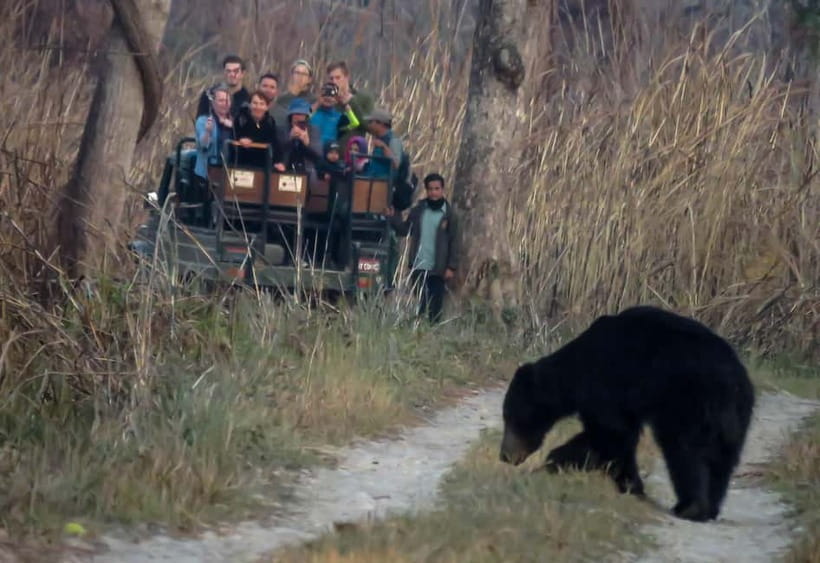
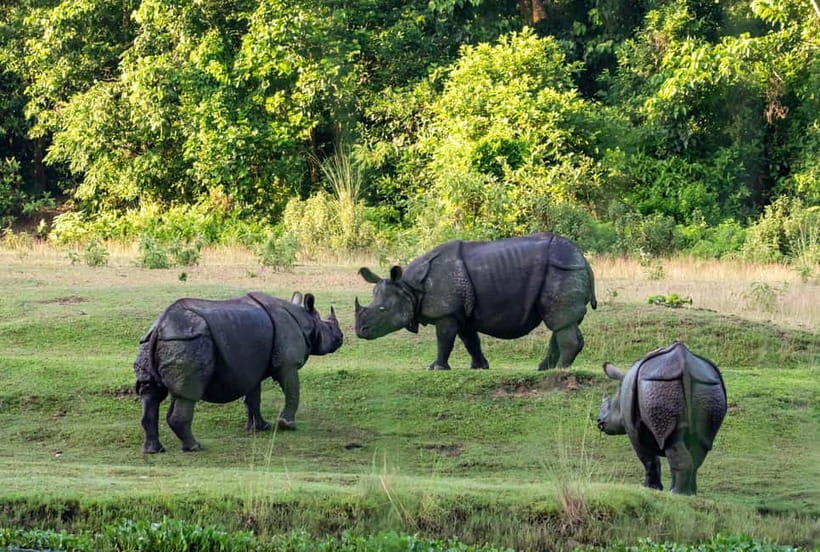
Chitwan National Park is one of Nepal’s best-known places for seeing big animals, including one-horned rhinoceros and the kinds of cats that people talk about. The tour’s base in Sauraha matters because it keeps your time efficient. You’re not constantly relocating just to do one activity. You’re staying put, then heading out for short blocks of focused wildlife time.
On the first day, you’ll arrive, check in, and then do some lighter sightseeing around sunset time. That sunset point visit is not random. In Chitwan, late-day hours often make for calmer animal movement, and the weather is usually more comfortable for viewing than midday heat.
If you’re the type who gets impatient in long waits, you’ll probably like this format. The schedule is packed, but it’s packed with different ways of looking—river first, then forest, then jeep—so you’re not stuck watching the same scene for hours.
Price and what you’re really getting for about $141
At $141 per person for 3 days, the value comes from how much is included before you even add up your own costs. You’re paying for park entry fees, two nights of accommodation, food while you’re in Chitwan, and the main guided activities.
In plain terms, this isn’t just a ticket to the park. The package covers:
- Canoe trip
- Jungle walk
- Jeep safari
- Elephant breeding centre visit (baby elephants)
- Local Tharu culture show
- Sunset point visit
- Your guide in English
- Transport from your start point area, including bus ticket Kathmandu to Pokhara and back, plus the road transfer to Chitwan
What’s not included is also important: meals during travel by bus to Chitwan and back aren’t part of the deal, and you’ll cover personal expenses like cold drinks and alcohol.
For value, here’s the key question to ask yourself: do you want to organize each piece separately? If you’re trying to build a Chitwan visit yourself, it’s easy for costs to creep up fast—especially when you factor in guide time, entry fees, and getting the right transport between places. This package bundles those pieces, and that’s why the price feels more reasonable than it looks at first glance.
Day 1: the ride in, check-in, sunset viewing, and Tharu culture
Day 1 starts with getting to Chitwan. The tour uses travel by tourist bus (and the overall transfer time is about 5–6 hours to reach Chitwan). You’ll follow pickup instructions depending on where you begin:
- If you’re coming from Kathmandu, you need to get to the tourist bus station at Shorekhutte.
- If you’re coming from Pokhara, you meet at the Pokhara tourist bus station.
- In Chitwan, your pickup is at the tourist bus station in Sauraha.
Once you arrive, you check in, freshen up, then you get lunch. After that, there’s a briefing about the activities coming up. That briefing step helps a lot because you’ll know what to wear and what to expect before the more active parts of the tour.
Later, you head to a sunset point for sightseeing and wildlife viewing. Then you end the day with dinner and a Tharu culture show. For me, the cultural stop is one of the best ways to balance a safari-heavy itinerary. You’re reminded this is a living community and landscape, not just a wildlife checklist.
Day 2 is the big one: canoe, jungle walk, baby elephants, then jeep safari
This is where the tour earns its keep. The day is built around different habitats, and that’s why it can feel more productive than a single afternoon drive.
Morning canoe trip on the river
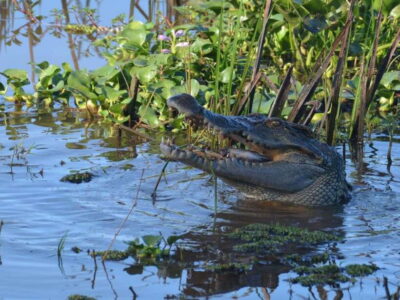
You start with a canoe trip on the river to look for crocodiles and water birds. You might also encounter other animals depending on the moment, which is part of the reason this format works: you’re on the water, not in a vehicle blasting down roads.
Practical note: the canoe part can mean you’re dealing with sun and occasional breeze, so bring what you need for comfort—hat, sunscreen, and your insect repellent.
Jungle walk: searching for rhinos, deer, and more
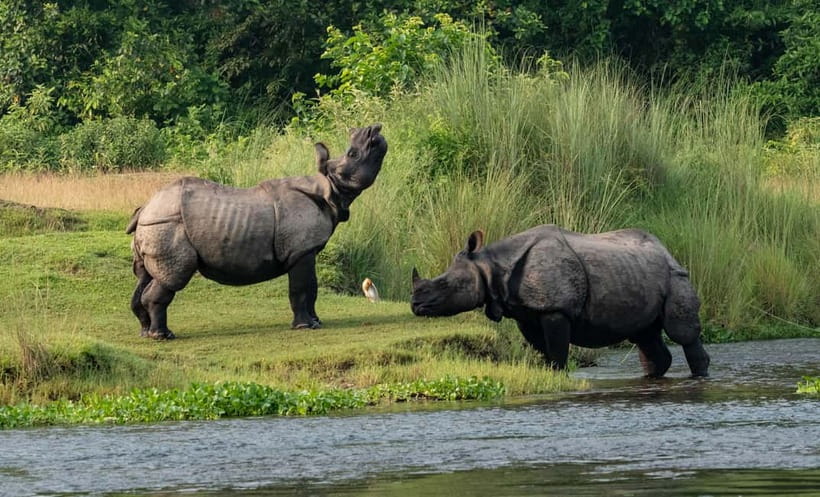
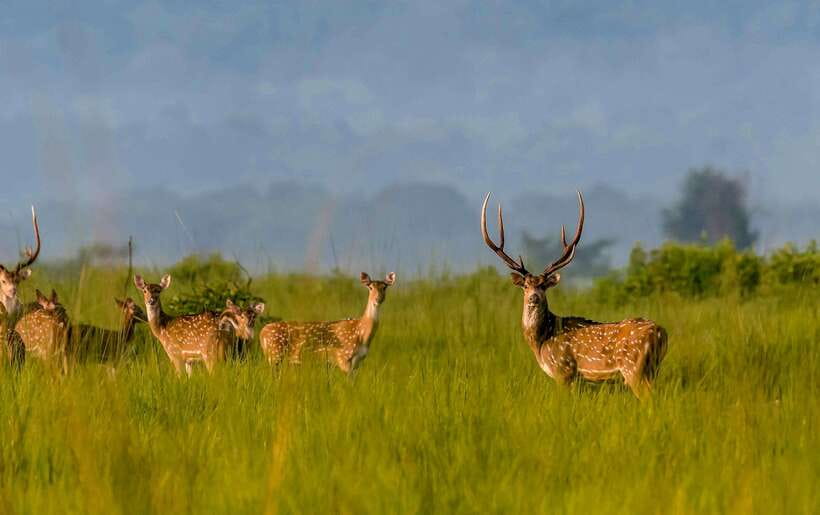
After the canoe, you do a jungle walk. This is where you’ll look for animals like rhinos and deer. It’s not about sprinting through the woods. It’s about patience, quiet movement, and being ready to stop. If you hate waiting, you might have a rough time here, but if you can slow down, it can be genuinely exciting.
You’ll also visit an elephant breeding centre to see baby elephants. This is one of the more human-scaled experiences on the tour. Even if you’re there primarily for wildlife, it breaks up the day and adds meaning beyond sightseeing.
Afternoon jeep safari: best shot for big animals
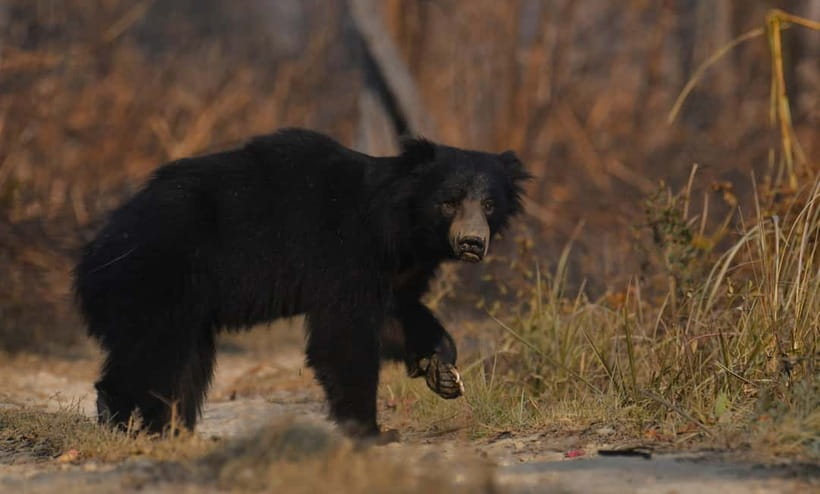
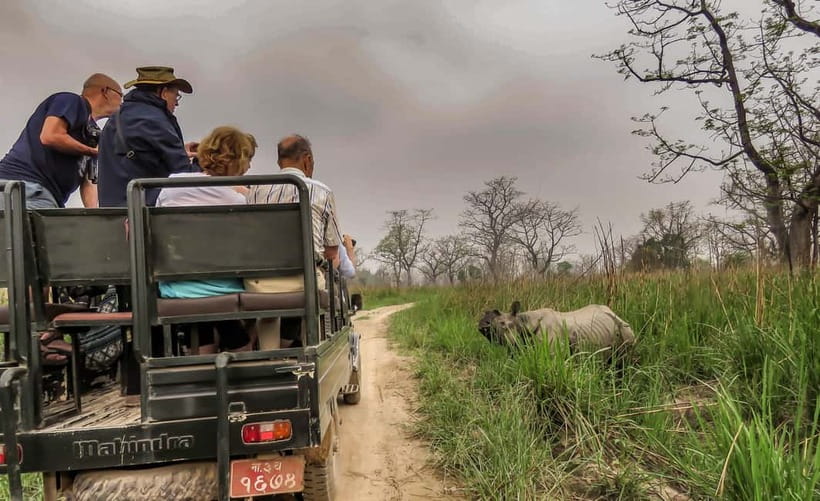
After lunch, you head out for the jeep safari. The jeep is the “cover ground fast” option. It’s described as the fastest and safest way to explore the park and aim for wildlife like tiger, sloth bear, leopard, and rhinos.
Here’s the honest mindset to keep: wildlife viewing is never 100% guaranteed. But the tour’s structure gives you multiple attempts across different times and settings, and that improves your odds more than a one-and-done outing would.
Evening is dinner and rest, so you’re not walking your legs off twice in one day.
Wildlife viewing tips that match this exact schedule
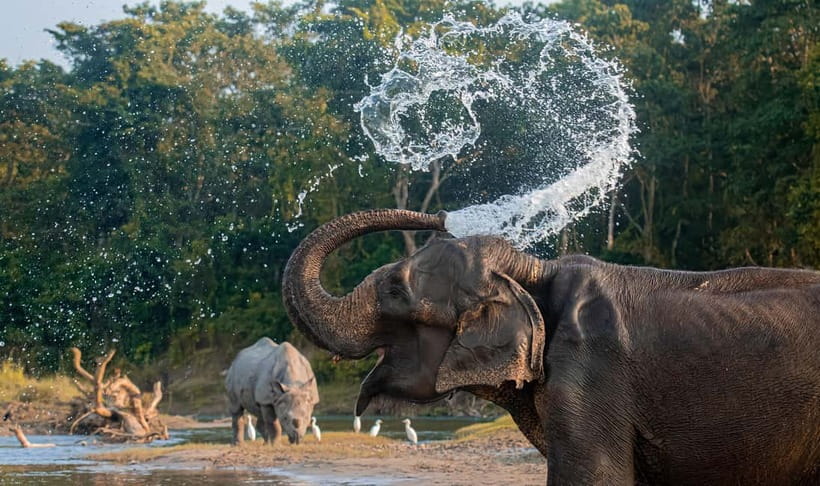
The tour sets you up with the main viewing formats—river, on-foot, and jeep. To make those formats work, I’d focus on the behaviors you can control.
First, follow the safety and wildlife rules. You’re expected to keep a safe distance and not feed animals. That protects both wildlife and your own ability to keep seeing them without disruption.
Second, gear matters more than people think. Bring:
- Comfortable shoes (for the jungle walk)
- Hat (sun can be strong)
- Camera (bring extra storage if you have it)
- Water (and ideally a refillable bottle)
- Sunscreen and insect repellent
Third, keep your expectations flexible by time of day. This tour schedules a sunset viewing on Day 1 and a full push on Day 2. That’s smart. If you show up expecting a full hour of action, you’ll miss the quiet minutes. Animals can show up fast after long pauses.
Transfers, guides, and small-group pacing
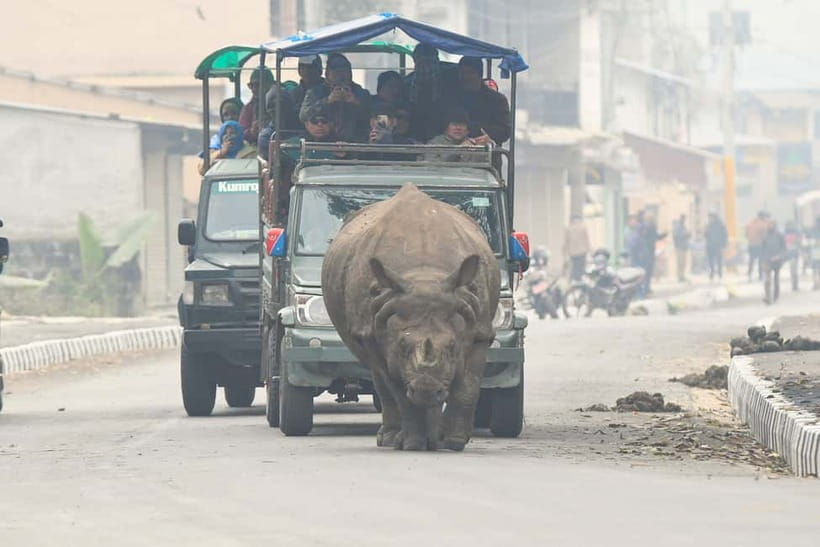
A big part of why this tour feels easy is that it’s a small group capped at 10 participants. Smaller numbers usually means less confusion at the start and less chaos during transitions.
The tour also uses a live guide in English, which helps on a safari where rules and instructions matter. You don’t want vague directions when you’re in the canoe or moving through a jungle path.
Pickup logistics are spelled out for the main start points. If you’re coming from Kathmandu, plan to be at Shorekhutte for the tourist bus meeting, and if you’re from Pokhara, meet at the Pokhara tourist bus station. In Chitwan, you’re picked up at Sauraha. This keeps things grounded instead of guessing.
One more subtle benefit: because meals and park-entry logistics are handled for the core part of the trip, you can focus on being ready. That’s a real value on travel days.
What to bring, what not to do, and what could slow you down
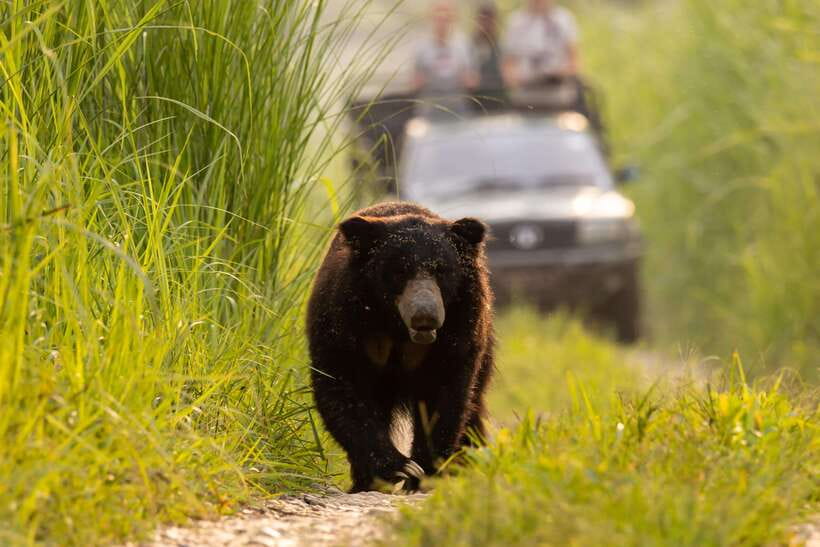
Chitwan is not a museum visit. It’s outdoors, with wildlife, plants, insects, and rules for a reason. The tour gives you a clear list of what to bring:
- Comfortable shoes
- Hat
- Camera
- Sunscreen
- Water
- Insect repellent
It also lists what’s not allowed:
- Smoking
- Alcohol and drugs
- Littering
- Feeding animals
- Touching plants
Those rules matter because wildlife viewing works best when you disturb as little as possible. Also, touching plants and feeding animals can get you in trouble quickly, and it puts stress on the ecosystem the tour is built around.
Finally, consider physical suitability. If you’re dealing with back problems, heart problems, you’re pregnant, or you use a wheelchair, this one is not listed as suitable. That’s not a moral judgment—just a heads-up that the tour includes walking and time outdoors.
Should you book this 3-day Chitwan safari?
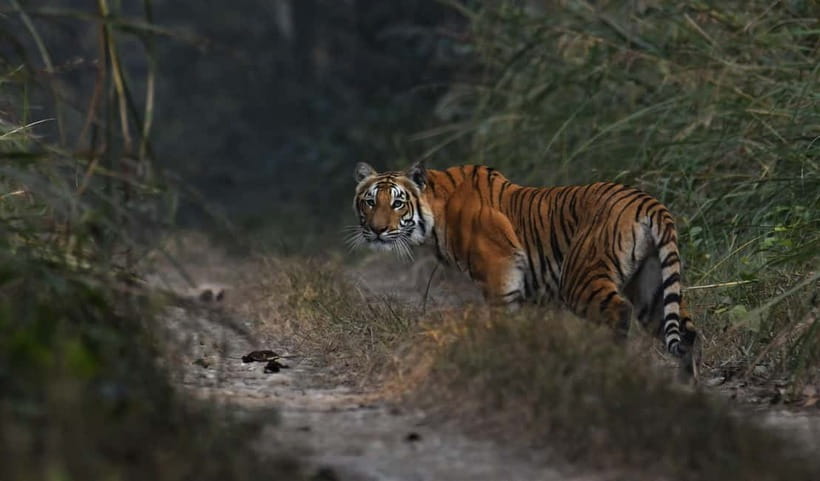
I’d book it if you want a structured, wildlife-first Chitwan National Park trip that doesn’t require you to assemble the pieces yourself. The biggest selling points for me are the small group size and the fact that you’re not relying on only one kind of viewing. You’ll do a canoe trip, a jungle walk, and a jeep safari, plus a Tharu culture show and a baby elephant stop.
I’d hesitate if you need a fully low-activity day. The jungle walk plus long travel times (with about 5–6 hours to reach Chitwan) can be tough, and the tour is not suitable for several physical situations listed by the operator.
If you’re the type who loves animals but also likes getting a sense of local life, this is a strong match. And if you want a simple plan that keeps logistics handled, the bundled price makes a lot more sense than hunting everything down separately.
FAQ
Where are the pickup points if I’m starting from Kathmandu or Pokhara?
If you’re traveling from Kathmandu, you need to reach the tourist bus station at Shorekhutte. If you’re traveling from Pokhara, you need to reach the Pokhara tourist bus station. In Chitwan, the tour picks you up from the tourist bus station in Sauraha.
How long does it take to get from Kathmandu or Pokhara to Chitwan?
The tour description says it takes about 5 to 6 hours to reach Chitwan by tourist bus.
What wildlife viewing activities are included?
The tour includes a canoe trip, a jungle walk, and a jeep safari in Chitwan National Park.
Do I visit an elephant breeding centre?
Yes. The itinerary includes a visit to an elephant breeding centre to see baby elephants.
Is there a culture show on the itinerary?
Yes. There is a local culture show included, along with time to learn about the Tharu community.
What meals are included, and what is not included?
Food and a Chitwan hotel stay are included for the Chitwan portion of the trip. Meals during travel by bus to Chitwan and back are not included.
What should I bring, and what is not allowed?
Bring comfortable shoes, a hat, camera, sunscreen, water, and insect repellent. Not allowed includes smoking, alcohol and drugs, littering, feeding animals, and touching plants.
Can I cancel for a refund, and is reserve now pay later available?
Yes. The tour lists free cancellation up to 24 hours in advance for a full refund. It also offers a reserve now & pay later option.