REVIEW · CHIANG MAI
Chiang Mai: Doi Inthanon National Park+Trek Pha Dok Siew
Book on GetYourGuide →Operated by CHIANGMAI SIAM TRAVEL LTD.,PART. · Bookable on GetYourGuide
Doi Inthanon day trips feel like a reset button. This full-day tour from Chiang Mai packs in Thailand’s highest point, plus King and Queen Pagodas with top-of-the-park views, and then a guided nature walk on the Pha Dok Siew Nature Trail with a local hilltribe guide. My favorite part is how the day shifts gears from temple views to real forest and hillside life, even though one drawback is that the trek time can feel on the shorter side if you’re chasing a long, hardcore hike or lots of quiet time in nature.
You’re also trading altitude and weather reality: Doi Inthanon sits at about 2,565 meters, so it can feel cold and damp even when Chiang Mai is warm. The pacing is efficient, but it’s a full schedule from early pickup (around 7:00-7:30) to drop-off near 18:00, so come ready for a long day and moderate walking.
In This Review
- Key highlights worth planning around
- Doi Inthanon National Park: Thailand’s high-altitude day
- King and Queen Pagodas: gardens plus the big viewpoint factor
- Lunch and the guided setup for the trek
- Pha Dok Siew Nature Trail: what “moderate” really feels like
- Rak Jung Waterfall: when swimming is worth it
- Ban Mae Klang Luang rice fields: seasonal views from the hillside
- Karen hilltribe village coffee: a small moment with real payoff
- Hmong Market and Wachiratharn Waterfall on the way back
- Price and logistics: is $64 worth it for an 11-hour day?
- What to pack and how to handle the mountain weather
- Who this tour fits best (and who should skip it)
- Should you book this Doi Inthanon tour?
- FAQ
- What time does the tour pick me up in Chiang Mai?
- Is pickup included, and where do I meet if it’s not included?
- How long is the tour?
- What does the trek include and how long is it?
- Can I swim at Rak Jung Waterfall?
- What’s included in the price?
- What should I bring for the day?
- Is the tour suitable for everyone?
Key highlights worth planning around
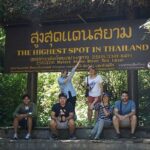
- Highest point in Thailand: Doi Inthanon National Park, at roughly 2,565 meters
- Pagodas with big views: King and Queen Pagodas plus pleasant gardens and viewpoint stops
- Hilltribe-guided Pha Dok Siew walk: about 2 hours on the nature trail, with plant and tree learning
- Rak Jung waterfall swim (optional): depends on weather and water levels
- Rice fields at Ban Mae Klang Luang: seasonal layered views across the hills
- Market-and-waterfall finish: Hmong Market and Wachiratharn Waterfall before heading back
Doi Inthanon National Park: Thailand’s high-altitude day
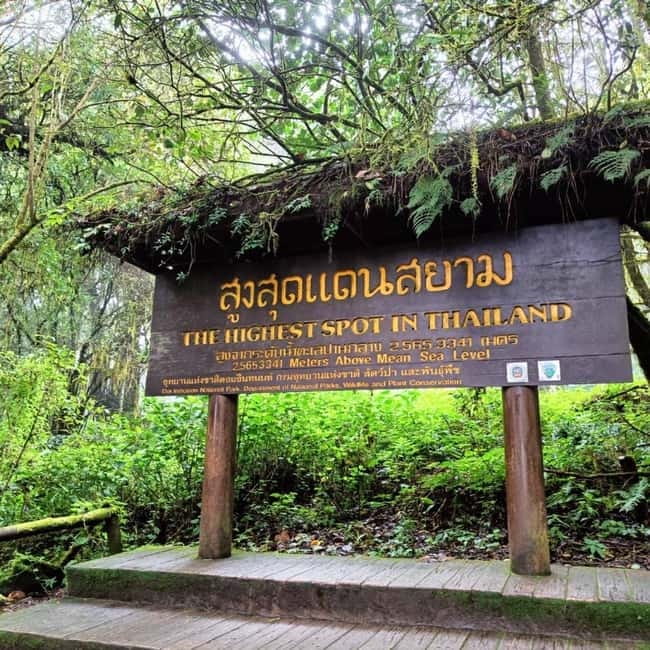
What makes this tour special is that it takes you out of Chiang Mai’s city rhythm and into the cooler, mistier world of the national park. After pickup from your hotel (inside the Chiang Mai old city area, or you’ll meet at the Chiang Mai Siam Travel sign if you’re farther out), you drive about 1 hour 45 minutes to Doi Inthanon.
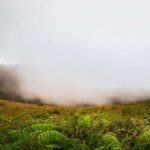
Once you reach the high ground, the weather shift is real. Doi Inthanon is known for high humidity and cold temperatures year-round, and that altitude matters when you’re planning what to wear. If you show up in thin T-shirts, you’ll feel it during sightseeing and on breaks between stops, especially in the morning.
The park day is guided, with entry fees handled and an English-speaking guide leading the way. That helps because Doi Inthanon isn’t just one “pretty spot.” It’s multiple viewpoints, temples, a walking section, and several villages and farms all strung into one long, varied day.
You can also read our reviews of more tours and experiences in Chiang Mai.
King and Queen Pagodas: gardens plus the big viewpoint factor
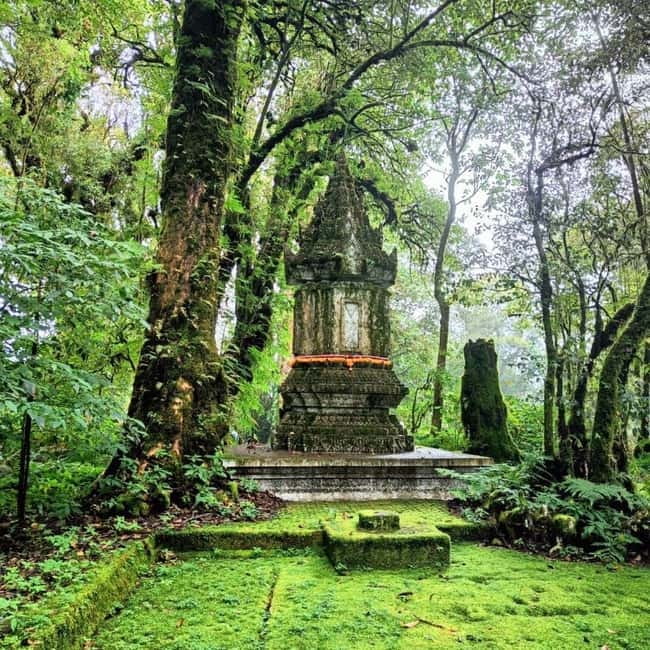
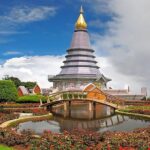
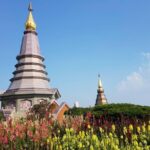
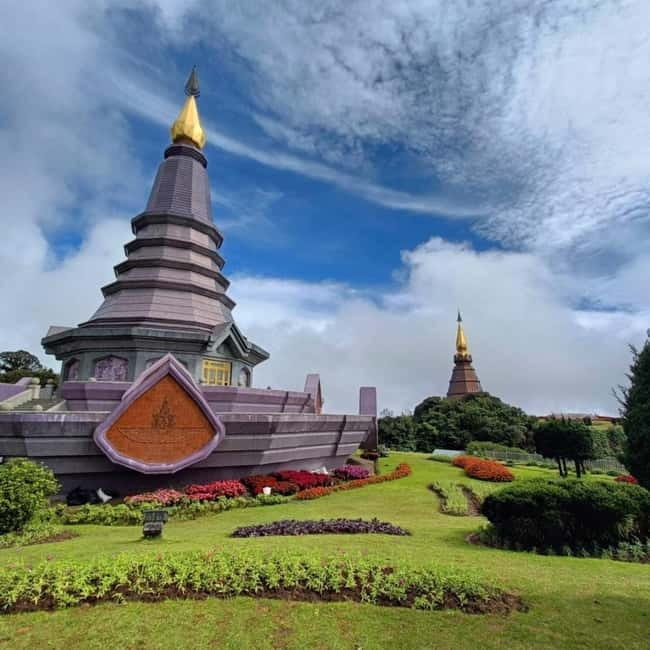
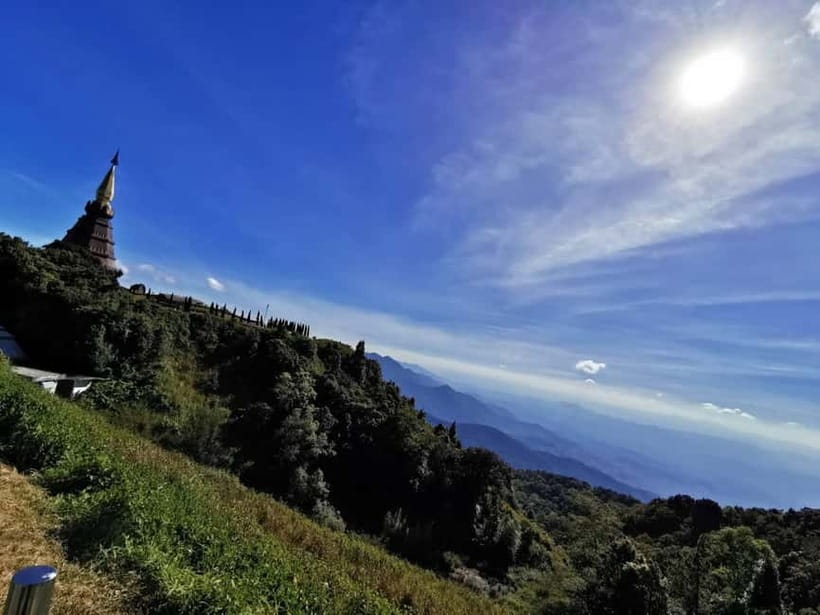
The tour stops at the King and Queen Pagodas, and this is one of the easier wins of the day. These pagoda grounds are designed for calm strolling, and you get pleasant garden time plus viewpoint scenery.
One specific stop name you’ll see in the schedule is Phra Mahathat Naphamethanidon. Even if you’re not the type who reads every plaque, you’ll still enjoy the way these pagodas sit above the surrounding area. It’s a good place to slow down, take photos, and get your bearings after the drive up the mountain.
Here’s the practical trade-off: this is sightseeing time, not a long temple deep-dive. If you’re hoping for hours of roaming or a super long summit-style hike, you may want extra time in the park on a separate outing. On the other hand, if you like variety in one day, the pagodas do the job nicely.
Lunch and the guided setup for the trek
Before the walking part, you’ll have lunch. That detail matters more than it sounds. Trekking in cooler mountain air still takes energy, and you don’t want to rely on snacks later if the day’s timing shifts.
Your guide also sets expectations for what you’ll see during the trek. The Pha Dok Siew Nature Trail walk is designed as a guided nature experience rather than just exercise. You’ll move through forest sections and small hillside farms, and you’ll learn about plants and trees along the way.
If you’ve ever done a nature walk without much context, this is the difference-maker. You’re not just looking at greenery, you’re getting the “what is this and why does it matter here” version of it.
Pha Dok Siew Nature Trail: what “moderate” really feels like
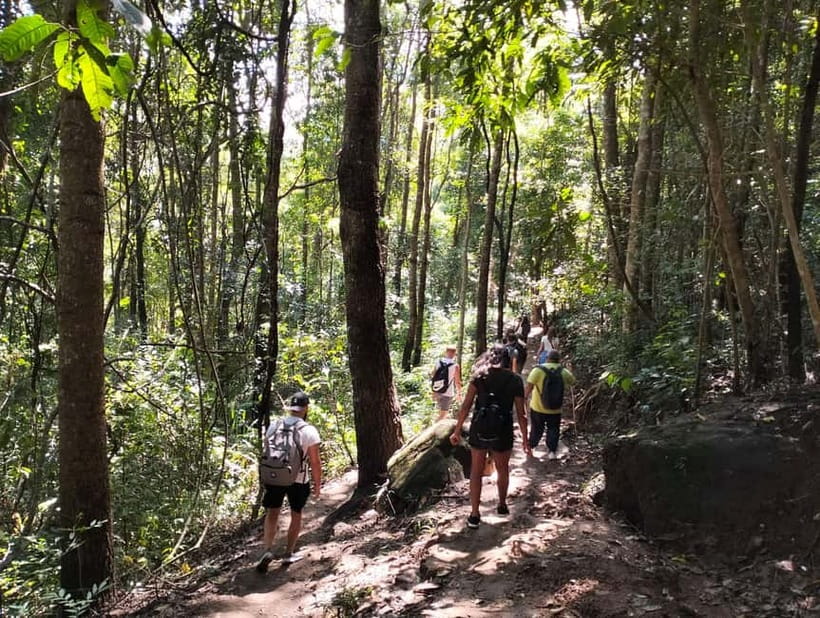
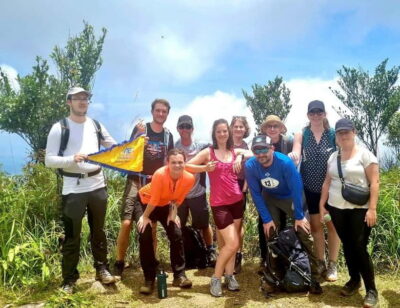
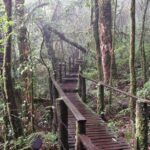
The tour includes a trek on the Pha Dok Siew Nature Trail for about 2 hours. That puts it in the “manageable for most people with decent shoes” category. It’s not described as extreme, but you still want to treat it like hiking: uneven ground, forest shade, and occasional muddy patches are common in these areas.
A local hilltribe guide leads the walk, which is where the experience becomes more than walking in trees. As you go, you’ll learn about different plants and tree types, and you’ll also pass through parts of the hillside farming communities. You’re not just enjoying nature; you’re seeing how people live with it.
Good to know: the walk ends in a hilltribe village. The day is structured so you don’t feel like you’re disconnected from the human side of the mountain. Instead, you get the nature view first, then you meet the community directly.
The potential drawback is time. Because the day has many stops, the trail duration is limited. If you’re the type who wants long stretches of quiet, your “real hiking time” may feel shorter than you hoped.
Rak Jung Waterfall: when swimming is worth it
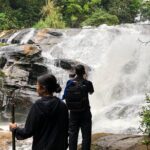
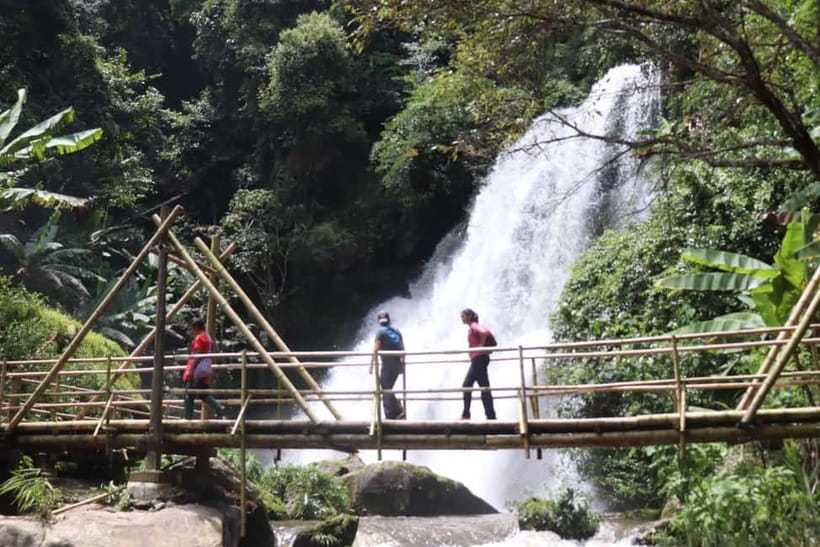
Rak Jung Waterfall is an optional highlight, and the tour is clear that swimming depends on weather conditions and water levels. That’s important because waterfall conditions can change quickly, and the guide will likely decide based on safety and access.
If swimming is possible, it’s one of the best “you came all this way” moments of the day. Waterfalls are more than a photo spot here. If the water allows it, you get a real refresh after hours of cooler mountain air and walking.
If swimming isn’t possible that day, you still get the waterfall visit as scenery, so you’re not left with nothing. Just plan your expectations around that “conditions first” reality.



Ban Mae Klang Luang rice fields: seasonal views from the hillside
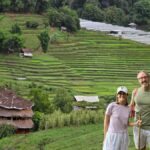
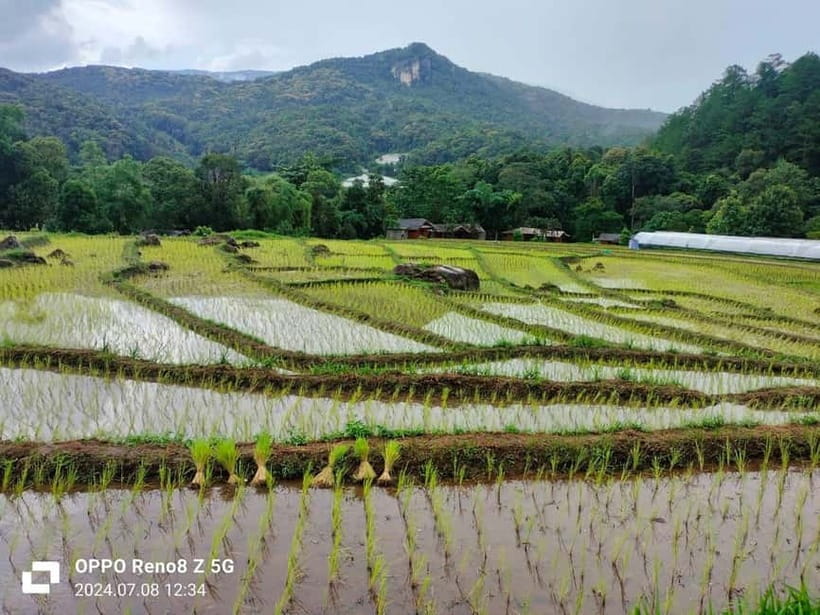
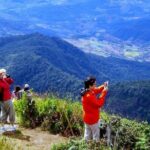
After the trek, you’ll see rice fields at Ban Mae Klang Luang. The key detail is that the rice fields and the views depend on the season. When conditions line up, you get those layered, hillside looks across the area.
This stop works well because it contrasts with everything else you’ve seen. You started with high-altitude park points and pagoda views, then moved into forest and hillside walking, and now you shift to agricultural scenery.
If you’re visiting during a time when fields are planted or in active growing stages, the views can feel especially alive. If the season isn’t as photogenic, you’ll still enjoy the “mountain farming” feel, just with less color.
Karen hilltribe village coffee: a small moment with real payoff
The trek ends in a white Karen hill tribe village, and you’ll have a cup of freshly ground, locally grown coffee. That’s the kind of stop that’s easy to skip on paper, but hard to forget once you’re there.
The practical value is this: you get a short cultural moment without the day turning into a long, staged routine. It’s simple, it’s local, and it gives you a taste of the mountain lifestyle beyond sightseeing.
This coffee stop also gives you a reset before the day’s final moves toward the market and the last waterfall.
Hmong Market and Wachiratharn Waterfall on the way back
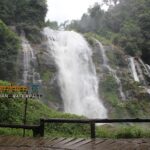
On the way back toward Chiang Mai, the tour stops at the Hmong Market and the Wachiratharn Waterfall.
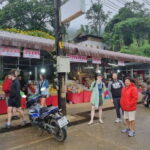
The market is a good “people watching” stop. Even if you’re not shopping heavily, markets tell you what locals value and what’s easy to find on a mountain day. It also breaks up the long return drive so you don’t feel like you’re just transferring from one car stop to another.
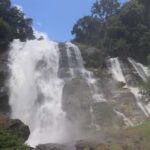
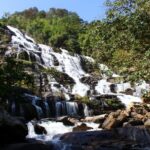
Wachiratharn Waterfall rounds out the nature side again. Pairing market and waterfall is a smart way to keep the day balanced: you see both lifestyle and scenery before you head back down.
Price and logistics: is $64 worth it for an 11-hour day?
At about $64 per person for an 11-hour outing, this can be good value, mainly because a bunch of the costs that annoy DIY travelers are included. You get air-conditioned transportation, entrance fees, lunch, drinking water, an English-speaking guide, and accident insurance. For a day that covers national park entry plus multiple major stops, that bundle can add up.
Also, the group size is limited to 12 participants, which tends to make the experience more conversational and less like a conveyor belt. That matters on a hike plus multiple viewpoint stops, where you want to ask questions and not feel rushed.
Where the value can slip is if your priority is longer trek time or more unstructured nature time. This tour’s whole structure is built for variety in one day. If you want a slow hike where you can linger, you might feel the schedule is tight.
Still, for most people looking for a high-impact day from Chiang Mai that mixes temples, trekking, waterfalls, rice fields, and market culture, this price is pretty sensible.
What to pack and how to handle the mountain weather
This tour asks you to dress for both trekking and cold mountain breaks. Bring:
- Comfortable shoes for trekking
- Warm clothing, because Doi Inthanon can be cold year-round
- Swimwear if you want a shot at Rak Jung Waterfall
- Insect repellent, especially during forest and village sections
- A camera for pagodas, viewpoints, and waterfall scenery
One extra tip: pack layers. You’ll likely swing between chilly air at higher elevations and warmer pockets during movement. Layers let you adjust without killing your day rummaging for your jacket.
Who this tour fits best (and who should skip it)
This outing is built around a moderate level of physical activity. If you’re comfortable with a 2-hour guided nature trail, you’ll probably enjoy the pace.
It’s also a good match if you like:
- Guided context for nature and hilltribe areas
- Multiple highlights in one long day
- A manageable group size (up to 12)
But it’s not suitable for pregnant women and people with back problems, and you should take the warning seriously. The walking and uneven ground on the trail can be harder than it looks on a flat map.
If you’re deciding between this and a more hiking-focused experience, choose based on your goal. This one is about variety and guided stops. If you want a longer trek and more time in the woods, you may feel let down by the shorter trail portion.
Should you book this Doi Inthanon tour?
Book it if you want a full, high-impact day that combines the highest-point feeling of Doi Inthanon with pagodas, a hilltribe-led nature trail, optional waterfall swimming, seasonal rice fields, village coffee, and a market stop plus Wachiratharn Waterfall. The included entrance fees, lunch, water, and English guide make it easy to plan without stress.
Skip it (or consider an alternative) if your top priority is maximum trekking time, lots of quiet nature wandering, or you struggle with uneven trails. Also plan for cold air with warm layers, and understand that Rak Jung swimming depends on conditions.
For many first-timers to northern Thailand, this is a strong way to experience the mountains without turning your vacation into a logistics project.
FAQ
What time does the tour pick me up in Chiang Mai?
Pickup is between 7:00 and 7:30 am, and you’re dropped off around 18:00.
Is pickup included, and where do I meet if it’s not included?
Pickup is available if you select the option and you’re within about 4 kilometers of Chiang Mai’s old city area. If you’re farther away, you’ll use the meeting point near the Chiang Mai Siam Travel sign, where the guide will hold the sign and call your name.
How long is the tour?
It lasts about 11 hours.
What does the trek include and how long is it?
You’ll walk the Pha Dok Siew Nature Trail for about 2 hours with a local hilltribe guide.
Can I swim at Rak Jung Waterfall?
Swimming at Rak Jung Waterfall depends on weather conditions and water levels.
What’s included in the price?
Included items are pickup/drop off if you select it, air-conditioned transportation, entrance fees, lunch, drinking water, an English-speaking guide, and accident insurance.
What should I bring for the day?
Bring comfortable trekking shoes, warm clothing, swimwear if you want to swim, a camera, and insect repellent.
Is the tour suitable for everyone?
It’s not suitable for pregnant women or people with back problems. The trek involves a moderate physical activity level.