Carara National Park is Costa Rica birding at dawn. This tour from Jaco gets you into a forest meeting point where tropical rain-forest and dry-forest meet, so your bird list can jump fast.
I love the early start, because arriving ahead of the day’s heat improves your odds with both endemic and seasonal species. I also like that you’re not just walking paths; you’re birding with a local guide who can read the ecology and spot wildlife in real time, often using a telescope for close views. One possible drawback: some trails can be muddy and slippery, so you’ll want proper shoes and steady footing.
In This Review
- Carara at a Glance: Why This Park Feels Different
- The Best Parts of This Tour (and What They Mean for You)
- Entering Carara: Getting There and Getting Started
- Carara National Park: A Birding Target List That Actually Fits the Habitats
- Primary vs. Secondary Forest: Where Bird Variety Comes From
- The Guide Advantage: Seeing What Would Stay Invisible
- Tarcoles River Add-On: Two More Hours of Wildlife Along the Water
- Shoes, Mud, and the Reality of Trails Near Roads
- What You’ll Actually Do During the 3 to 5 Hours
- Price and Value: Is $30.77 Worth It?
- Private Means Your Group Only (But Still Verify the Details)
- Accessibility and Who This Suits
- How to Prepare So You Get the Most From Carara
- Should You Book This Carara National Park Tour?
- FAQ
- How long is the Carara National Park tour?
- Does the tour include a local guide?
- What birds can I expect to look for?
- Can I add Tarcoles River birding to the tour?
- Where does the tour start and end?
- What happens if weather is bad or I need to cancel?
Carara at a Glance: Why This Park Feels Different
Carara is special because it sits right where two ecosystems overlap. You’re in a transition zone where tropical rainforest meets dry forest, which means you can run into species tied to both types of habitat.
That habitat mix shows up in the park’s variety of environments too: primary and secondary rain forest, gallery forest, thickets, grasslands, rivers, and more. For birders, that translates to more chances to see different groups of birds without bouncing between multiple far-flung locations.
The Best Parts of This Tour (and What They Mean for You)
- Early birding from Jaco: you start ahead of peak noise and heat, which helps wildlife stay active and visible.
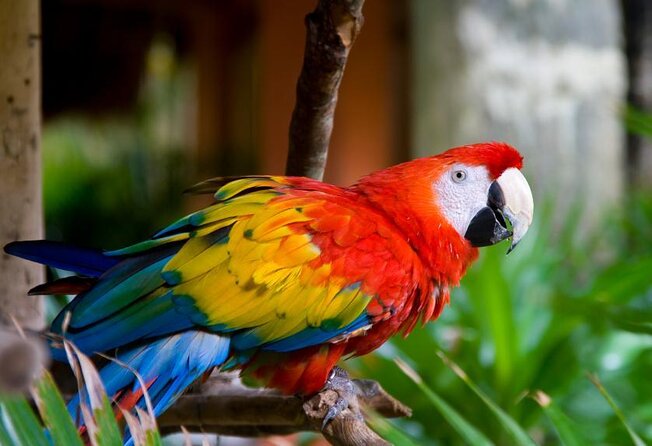
- Local guide focus: guides look for species like scarlet macaws and toucans, not just random sightseeing.
- Two habitat types inside the park: primary forest and secondary forest both matter for bird variety.
- Telescope-assisted spotting: you may get help with close-up viewing when the guide finds something good.
- Optional Tarcoles River add-on: add 2 hours of birding along the river if you want more time with wildlife.
- Private tour format: it’s set up for your group only, so you can move at a birding pace instead of waiting on crowds.
You can also read our reviews of more tours and experiences in Jaco.
Entering Carara: Getting There and Getting Started
This is a Jaco-based experience with an early pickup from your hotel. If you like wildlife trips that start before the day fully wakes up, this timing is your friend.
The tour’s main stop is at Carara National Park, ending back at the meeting point at the Visitor Center (listed as Q9JV+8HV in Puntarenas Province, Tarcoles). The advertised duration is about 3 to 5 hours, and the structure notes a 3-hour option with admission included.
One practical note: your day depends on weather. The experience states it requires good weather, and if conditions force a change, you’ll be offered another date or a full refund.
Carara National Park: A Birding Target List That Actually Fits the Habitats
Carara National Park is often described as one of Costa Rica’s best birding sites, and it makes sense once you understand how much habitat variety is packed into one area.
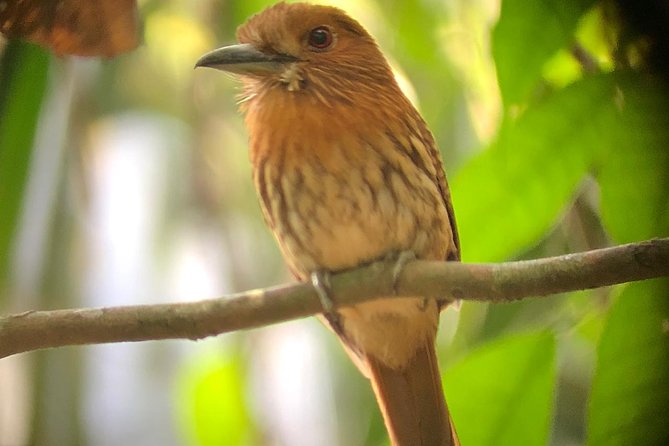
The tour’s target species list is built for this transition-zone setup. You’re looking for birds such as:
- Scarlet macaws
- Toucans
- Antbirds
- Tinamous
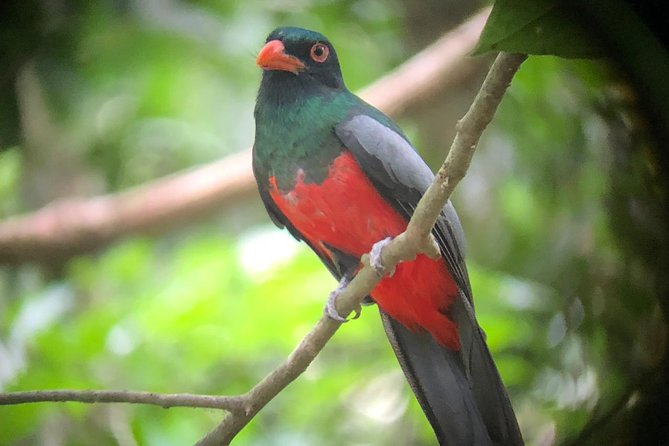
- Trogons
- Manakins
- Motmots
- Jacamars
…and other unique or endemic Costa Rican species.
For you, this matters because it shapes what your guide is doing. If the guide is moving with purpose—listening, scanning, and choosing micro-habitats—you get fewer “just in case” stops and more time where birds actually use the forest.
Primary vs. Secondary Forest: Where Bird Variety Comes From
A standout theme from the experience details is exploring multiple sections of the park, including primary and secondary forest. That isn’t just a geography lesson; it changes what you can see.
Primary forest tends to hold different birds than regrowth areas. Secondary forest can still be alive with wildlife, but the mix can shift—species that like edges or certain growth patterns can show up where primary forest might not.
If you want the best odds for variety, you’ll like that this tour isn’t locked into a single kind of trail experience. The setup is designed around moving between habitat types rather than treating the park like one long, identical walk.
The Guide Advantage: Seeing What Would Stay Invisible
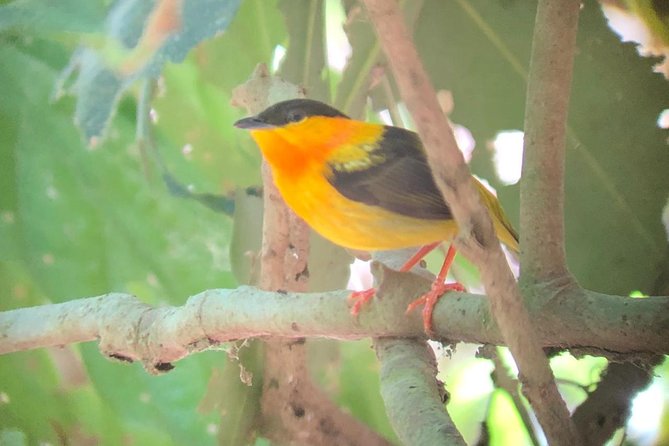
If you’ve ever tried birding on your own, you know the frustrating part: something might be right there, but it’s silent, small, or high up. Here’s where guides make a noticeable difference.
The information you have suggests the guides are active spotters, not passive walkers. Names that came up include Geohanna, Mauricio, and Toño, and each gets tied to strong bird-finding skills and clear explanations.
A few guide-specific highlights that can affect your experience:
- Mauricio is described as working in the Carara forest for over 25 years.
- He’s also noted for using a telescope to help you look through for close views, and even photographing through the lens for better results.
- Language coverage shows up too: Mauricio has been described speaking Spanish, English, German, and French.
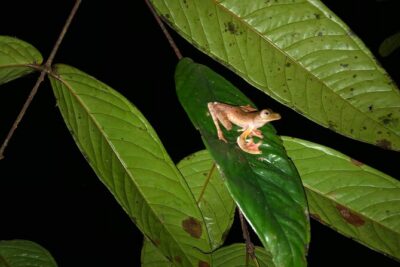
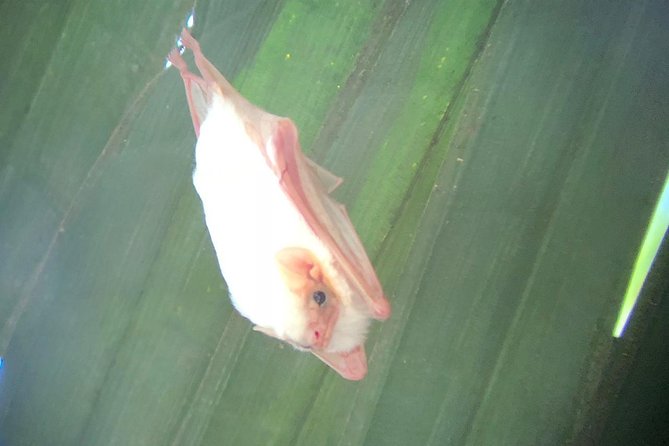
- Toño is credited with knowing where to find birds, bats, frogs, and monkeys.
Even if you’re not a hardcore birder, this is the difference between guessing and knowing. When the guide calls out what to watch for—then helps you actually see it—Carara stops being generic jungle and starts becoming a living bird list you can check off.
Tarcoles River Add-On: Two More Hours of Wildlife Along the Water
You can add a Tarcoles River birding session on request. The add-on is described as about 2 hours of birding along the river.
If you’re the type of traveler who likes “one more spot” after the main activity, this is a smart way to extend the wildlife time without changing regions. River edges often bring different birds than the deep forest, so the add-on can help broaden what you see in one day.
It also fits well if you like the rhythm of birding: scan, pause, watch, repeat. The river setting tends to work that way because birds use visible travel routes and perches.
Shoes, Mud, and the Reality of Trails Near Roads
Here’s the part people don’t always plan for: trails can be muddy and slippery. One caution comes straight from the experience itself—if you go, wear proper shoes.
That’s not a dramatic warning. It’s the kind of practical truth that keeps you comfortable and keeps you from rushing. Carara is a working wildlife habitat, not a manicured garden, and footing matters when you’re trying to stop, look, and listen.
Also, the park can be close to a busy road in places, which means noise can sometimes compete with the birds. If wildlife seems quiet, don’t panic. Stay patient, keep scanning, and trust the guide to find better moments and spots.
What You’ll Actually Do During the 3 to 5 Hours
The tour centers on birding inside Carara National Park with your local guide.
A typical flow looks like this:
- Early hotel pickup to get you to the park area before the day heats up.
- Park walk and birding focused on different micro-habitats (including primary and secondary sections).
- Wildlife spotting guided by calls, movement, and habitat cues.
- Optionally, Tarcoles River birding for about 2 additional hours if you request the add-on.
You don’t need to be an expert birder to enjoy it. The tour is structured so your guide helps you translate what you’re seeing—especially when you get telescope views and clear explanations.
Price and Value: Is $30.77 Worth It?
The price listed is $30.77 per person, and the 3-hour option includes an admission ticket. That’s not a huge sum for a guided wildlife outing, especially in a country where guides can make or break your day.
Here’s how to judge value for you:
- If you’re the kind of traveler who enjoys learning names, behaviors, and habitat clues, the guide time is the value driver.
- If you only want a casual walk and don’t care about birds, this may feel more expensive than a self-guided stroll.
- Because it’s early in the day, you’re also “buying” time where wildlife is likelier to be active and visible.
One planning detail: this tour is often booked around 40 days in advance. If you’re traveling in peak season, booking sooner gives you a better chance at the exact timing you want.
Private Means Your Group Only (But Still Verify the Details)
The experience is described as a private tour/activity, with only your group participating. That’s great for birding, because you can slow down, change pace, or spend longer at one good sighting.
One caution from the information provided: there’s a report of a situation where a private plan didn’t stay private. I can’t prove what happened on any specific day, but it’s enough that you should protect yourself.
My advice: reconfirm the private nature and final meeting plan before you go. Message the provider with your group details and timing, so there are no surprises about who’s sharing your birding day.
Accessibility and Who This Suits
The tour notes say most travelers can participate, and service animals are allowed. One review detail adds an important positive: a primary forest tour was described as accessible for people with walking difficulties or in wheelchairs.
That’s encouraging, but it still means you should plan around real trail conditions. If you or someone in your group has mobility needs, ask ahead which sections are the best match for your pace and comfort.
Who this tour suits best:
- Birders, including beginners who want help spotting species
- Wildlife lovers who enjoy guided interpretation
- Families or groups who want a private, focused morning
- Travelers who like a flexible add-on (Tarcoles River)
How to Prepare So You Get the Most From Carara
You’ll get better results when you treat this like birding, not a hike checklist.
Practical prep:
- Wear proper shoes for muddy or slippery areas.
- Bring what helps you see: binoculars if you have them, and a phone camera you’re comfortable using for wildlife photos.
- Expect an early start and plan for heat afterward.
- If you’re adding Tarcoles River, keep hydration and sun protection in mind since it extends your time outdoors.
If you have mobility concerns, mention that when you book so the guide can match you with the best fit routes inside the park.
Should You Book This Carara National Park Tour?
If your goal is wildlife with less guesswork, I think this tour is a strong choice. The biggest reason is simple: the park’s transition-zone habitats plus a guide who’s good at finding and explaining birds can turn a walk into an actual birding session.
Book it if:
- You want to see species like scarlet macaws, toucans, and antbirds with help from a local expert.
- You value early arrival for better wildlife odds.
- You’d enjoy telescope-assisted viewing when the guide finds birds in the canopy.
Maybe skip or be extra cautious if:
- You hate uneven, muddy trails and aren’t willing to wear good footwear.
- You need a guaranteed private setup without any possibility of adjustment, since you should reconfirm arrangements ahead of time.
Overall, Carara is one of those parks where the right guide and the right timing really matter. If you’re going to do Carara, doing it guided and early is the way to stack the day in your favor.
FAQ
How long is the Carara National Park tour?
It’s listed as approximately 3 to 5 hours. The plan notes 3 hours with admission included.
Does the tour include a local guide?
Yes. The experience is described as visiting Carara National Park with a local guide for the birding portion.
What birds can I expect to look for?
The target species list includes scarlet macaws, toucans, antbirds, tinamous, trogons, manakins, motmots, and jacamars, along with other unique or endemic Costa Rican species.
Can I add Tarcoles River birding to the tour?
Yes. You can add the Tarcoles River option on your personal request, described as 2 hours of birding along the river.
Where does the tour start and end?
It starts at the Carara National Park Visitor Center (Q9JV+8HV, Puntarenas Province, Tarcoles, Costa Rica) and ends back at the meeting point.
What happens if weather is bad or I need to cancel?
The experience requires good weather. If it’s canceled due to poor weather, you’ll be offered a different date or a full refund. There is free cancellation up to 24 hours in advance for a full refund.