REVIEW · DOI INTHANON NATIONAL PARK
Chiang Mai: Doi Inthanon National Park with Ticket & Lunch
Book on GetYourGuide →Operated by Touring Center · Bookable on GetYourGuide
Foggy peaks and big views—this day hits hard. From the highest mountain peak in Thailand to the royal twin pagodas, this trip mixes nature and culture in a tight 8-hour loop that doesn’t feel rushed. I especially like the small-group pace (max 9 people) and the fact that lunch plus Doi Inthanon National Park entry are built in, not tacked on later. One thing to watch: weather can steal the show near the top—clouds and rain are part of the deal up here.
You’ll start with a morning pickup and a comfortable 9-seater air-conditioned van, then spend real time at the rainforest trail, village stops, and the waterfall payoff. Guides like Paul, Bee, Po, Kik, and Tor all show up in the mix with strong English and a friendly vibe, so you get more than just photo stops. Still, if you dislike longer van rides or want lots of strenuous walking, plan your expectations: the hikes are short and the day is mostly about seeing, not trekking.
Overall, this is a very solid value way to experience Chiang Mai’s northern highlands—especially if you want big sights with an organized guide and included meal.
In This Review
- Key things that make this Doi Inthanon trip worth your time
- Chiang Mai’s highland reset: how the day is paced
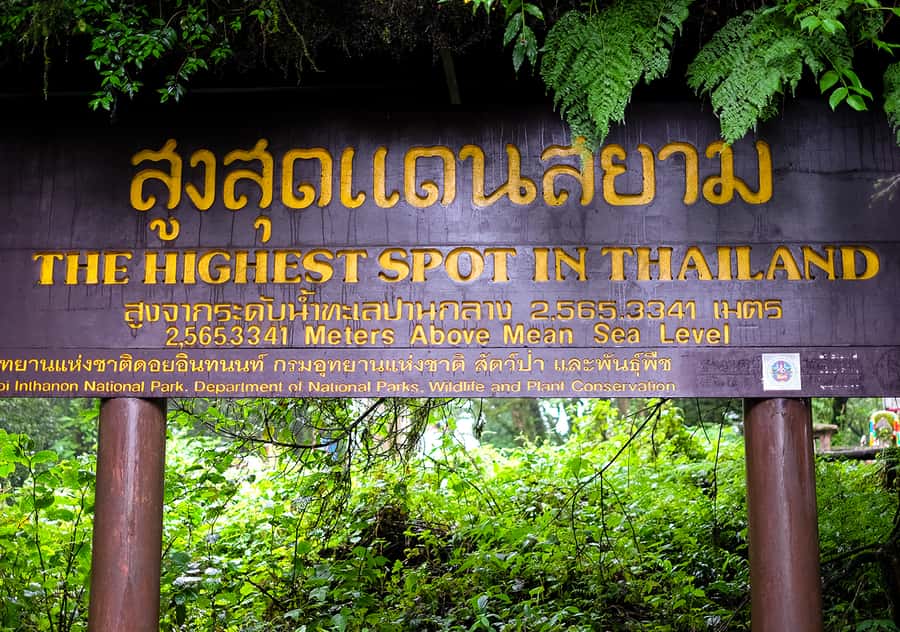
- The mountain summit: Thailand’s highest peak stop
- Ang Ka Nature Trail: short walk, big shift in atmosphere
- Twin pagodas of King Bhumibol and Queen Sirikit: where gardens meet views
- Hmong hill tribe market: fresh produce and handmade browsing
- Lunch at the Inthanon Royal Project restaurant: where the trip gets comfortable
- Mae Klang Luang Karen village: coffee tasting plus rice-terrace rhythm
- Vachiratharn Waterfall: the finale that earns its spot
- Price and value: what $80 buys you in the real world
- Guides make or break it: what the best days have in common
- Logistics you should actually plan for
- Is this the right tour for you?
- Should you book this Doi Inthanon day trip?
- FAQ
- How long is the Chiang Mai: Doi Inthanon National Park with Ticket & Lunch tour?
- Where do I get picked up in Chiang Mai?
- Is the entrance ticket to Doi Inthanon included?
- Is lunch included, and is it a set menu?
- What’s included besides transportation and guide?
- What’s the group size?
- What do I need to bring?
- Is this tour suitable for people with mobility issues or medical limitations?
- Is it safe to assume I can cancel for a refund?
Key things that make this Doi Inthanon trip worth your time
- Highest peak visit: You’ll reach the top point of Thailand and take in the cold-air feel when the sky cooperates.
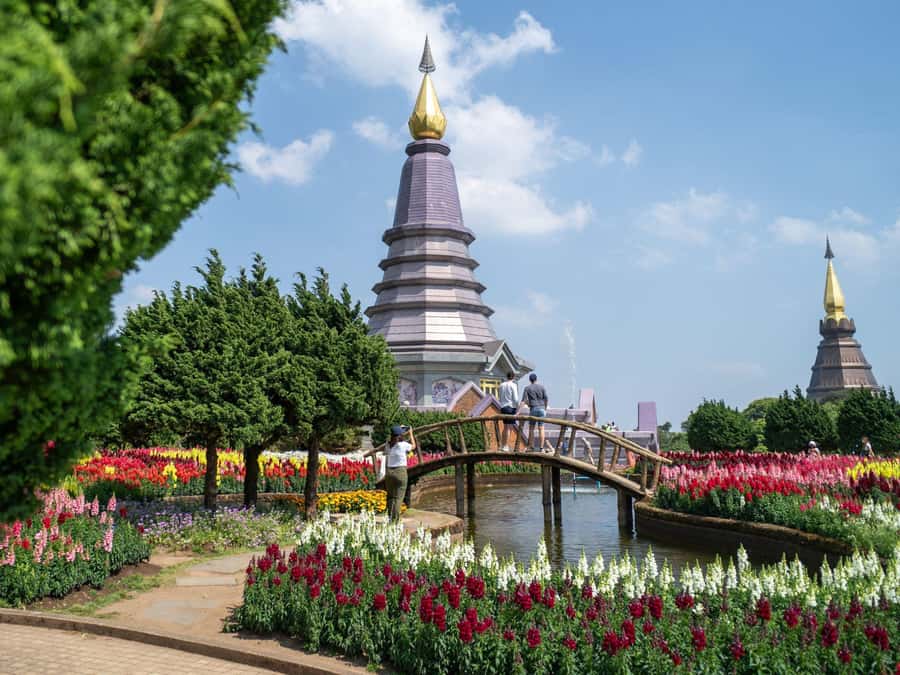
- Royal twin stupas: The pagodas for King Bhumibol and Queen Sirikit come with gardens and sweeping views when visibility is good.
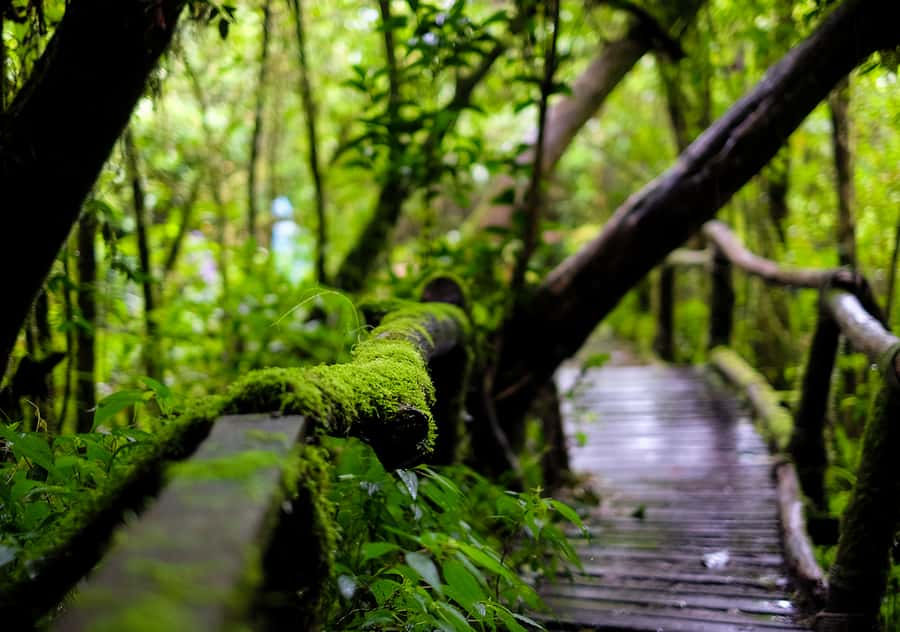
- Enchanted-forest walk: The Ang Ka Nature Trail is a short rainforest-style stroll that changes the mood from road trip to cool green quiet.
- Hill-tribe market + Karen coffee: You’re not just passing through villages—you get hands-on tasting, including freshly brewed coffee.
- Waterfall finale: Vachiratharn Waterfall is a dramatic end point after a long day of stops.
- Small group van: With a max of 9 participants, the guide can actually explain and answer questions without shouting over a crowd.
Chiang Mai’s highland reset: how the day is paced
This is an 8-hour outing with pickup options around central Chiang Mai—either from the Three Kings Monument area or from your hotel (within about 5–6 km of the city center, depending on what the operator lists as their included area). You leave in the morning, drive into the mountains (plan on roughly 2 hours each way), and return around early evening.
The format works because it’s built around short, frequent stops rather than one long hike. You’ll get enough time at each place to take photos, listen to explanations, and move at a comfortable rhythm. A big plus is the 9-seater air-conditioned van: it’s comfortable on the winding roads, and it keeps the group small enough to feel like a guided day trip, not a cattle-call.
The main pacing trade-off is visibility. If the sky turns cloudy or foggy at altitude, you may not get the crisp “wow” views from the highest points. That doesn’t ruin the day—rainforest, pagodas, and the waterfall can still be impressive—but it does change what you see.
You can also read our reviews of more tours and experiences in Doi Inthanon National Park.
The mountain summit: Thailand’s highest peak stop
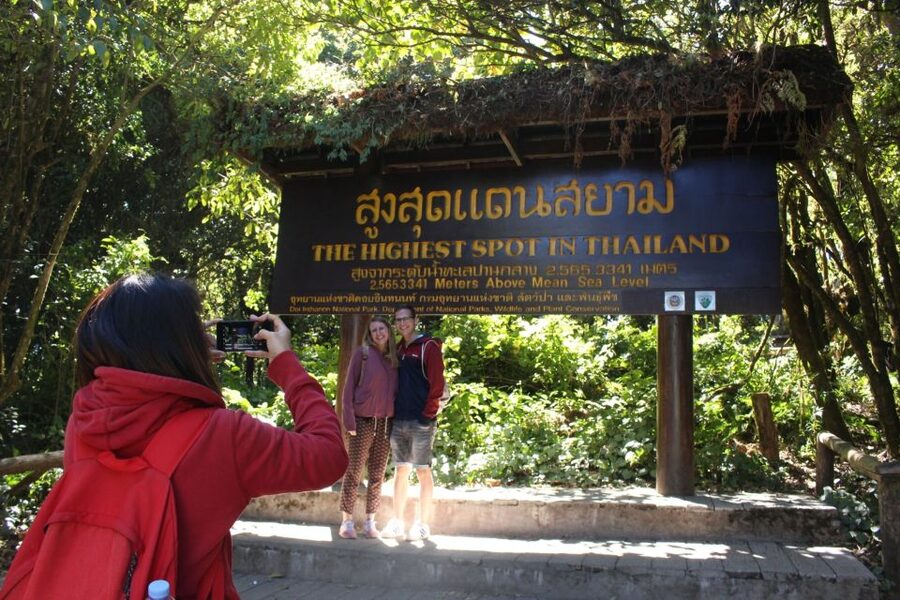
Doi Inthanon is known as the Roof of Thailand, and the trip aims you straight at that feeling—height, cool air, and a sense you’re leaving Chiang Mai behind. At the top, you’ll visit the highest peak area, then stop for a moment at the shrine connected to the earlier King of Chiang Mai.
What I like about this stop is how it’s both practical and atmospheric. You’re not only chasing a viewpoint—you’re also getting a small cultural moment that makes the whole mountain feel tied to Thai life, not just a sightseeing location. Even if fog limits the horizon, the air and the setting still sell the “roof” concept.
A possible drawback: one traveler noted that on a rainy day, the visible scenery wasn’t as dramatic as expected at the summit—sometimes you get a marker/sign moment more than a panoramic one. The good news is you’re not left hanging. The day pivots quickly into nature trails and royal architecture, so the story keeps moving even when the sky won’t cooperate.
Ang Ka Nature Trail: short walk, big shift in atmosphere
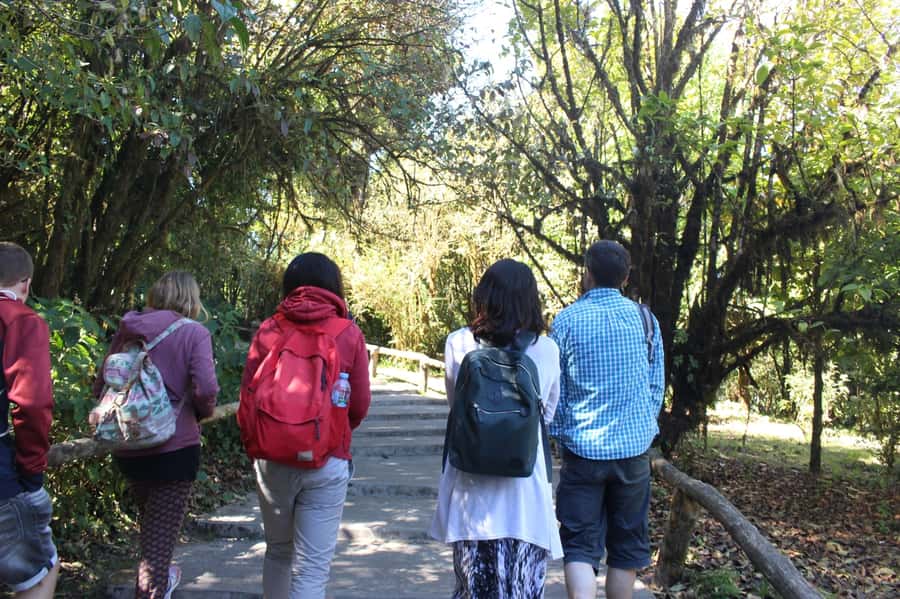
Right after the peak-side stops, you head into the rainforest with the Ang Ka Nature Trail. This is not a long trek. Expect a guided, relatively easy walk—about half an hour on the trail segment—focused on the feel of the forest rather than endurance.
This part matters because it changes the temperature and soundscape. You go from mountain road and viewpoints into layered green shade, with misty air sometimes part of the experience. The guide’s narration is key here; it turns what could be a simple walk into something more meaningful—trees, ecology, and how this area shapes life around Chiang Mai.
Bring a light jacket. Even if you leave home warm, the mountains can cool you down fast. Comfortable shoes are also a must—this is a walk through uneven outdoor ground, not a polished sidewalk.
Twin pagodas of King Bhumibol and Queen Sirikit: where gardens meet views
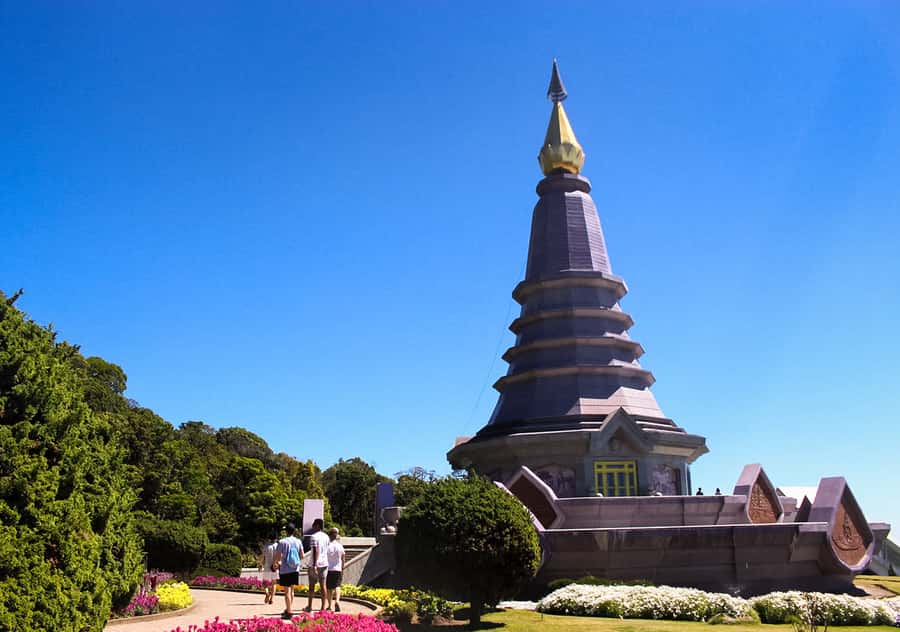
After the rainforest stop, the day shifts to one of Doi Inthanon’s most iconic sights: the twin stupas commemorating the 60th birthday of Thailand’s royal majesty—King Bhumibol and Queen Sirikit.
These pagodas aren’t just “pretty buildings.” They sit in an arranged, colorful garden setting, and they’re positioned to catch the best light and sightlines from the surrounding highlands. If the weather is clear, you get one of those Thailand moments where architecture and nature look like they were planned together.
If it’s foggy or stormy, visibility can suffer. In bad weather, the pagodas can feel more like a strong design you know is there than a view you can fully see. Still, they’re worth it because you’re seeing the place even when the sky refuses to cooperate—plus the guide will typically explain the symbolism behind what you’re looking at.
Hmong hill tribe market: fresh produce and handmade browsing
Later, you’ll visit a Hmong community market area. This is one of those stops that feels practical and fun: newly picked vegetables and fruits, plus handmade products you can browse at a relaxed pace.
This is a good place to slow down because it’s a cultural meet-and-greet without the pressure of a performance-style show. You can ask questions, compare items, and get a sense of what northern Thailand sourcing looks like—especially compared to what you’ll see in Chiang Mai city markets.
One caution: this stop isn’t the biggest or most impressive market in Chiang Mai for every shopper. If you’re a strict “I only love the best markets” type, you might treat it as a bonus. But it’s still valuable because it connects the day’s nature theme with daily life—food, gardens, and local making.
Lunch at the Inthanon Royal Project restaurant: where the trip gets comfortable
Lunch is included as a set menu at a local restaurant tied to the Royal Project. The time is generous enough to sit, eat without rushing, and recharge before the afternoon villages and waterfall.
This is one of those included details that makes the tour feel like good value. You’re not trying to find a safe meal on the fly in a remote area, and you’re not choosing between convenience and quality. Many people specifically mention that the lunch is tasty and satisfying, and that the location feels peaceful.
If you’re sensitive to timing, note that the day is structured: after lunch, the van keeps rolling. The included meal is meant to prevent the common “half-starved tour day” problem.
Mae Klang Luang Karen village: coffee tasting plus rice-terrace rhythm
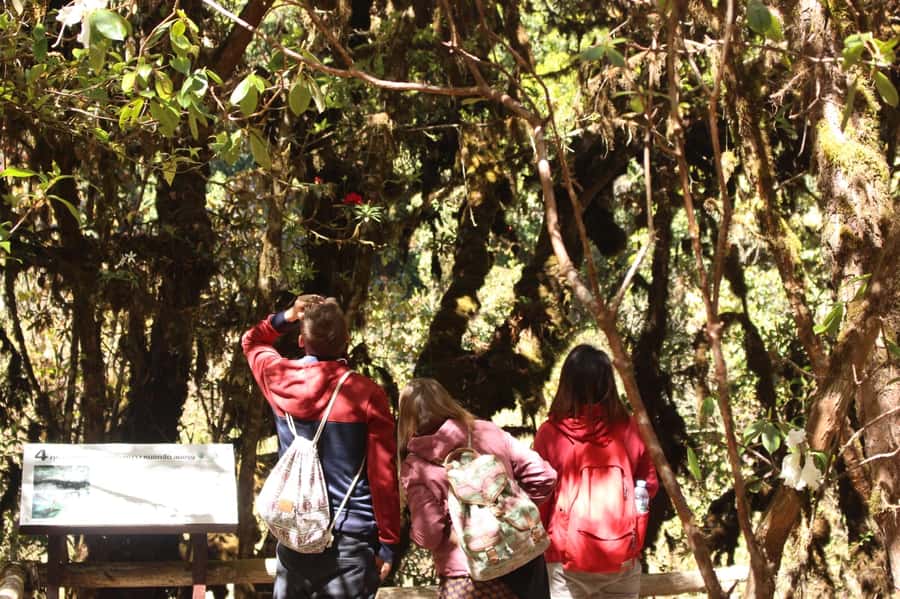
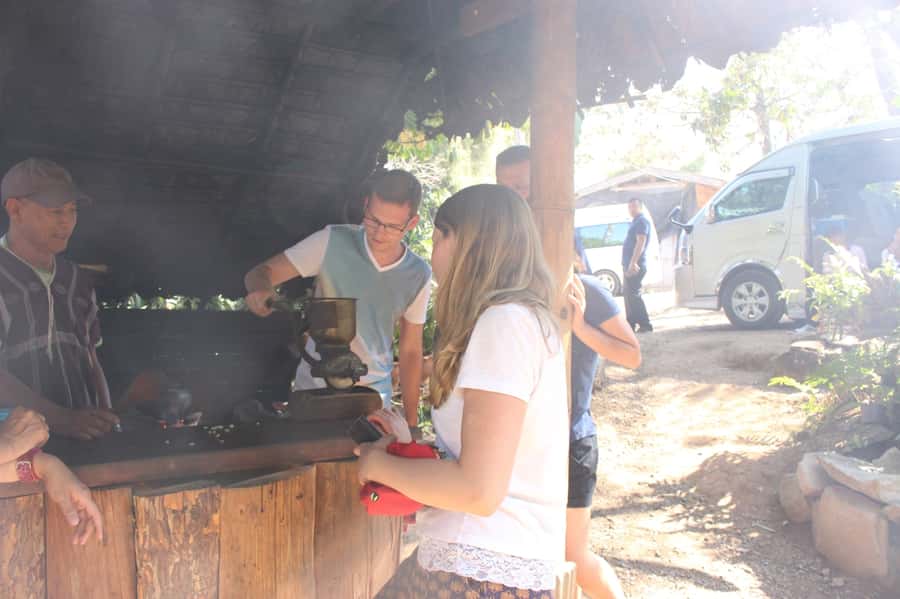
In the afternoon you’ll head to Mae Klang Luang Karen Village. The highlight here is everyday life: you’ll observe the simple way the community lives, see the village setting tied to the region’s rice-terrace environment, and taste freshly brewed coffee.
The coffee part is often the most memorable element. People describe it as authentic and worth repeating—less mass-market, more like a real process you can learn about. It’s one thing to drink coffee in Thailand; it’s another to watch and taste it in the place it comes from.
What I like about this stop is that it doesn’t feel like a rushed “look and go” performance. You get a chance to slow down, take in the setting, and connect the dots between rainforest, farming, and the people who live with these landscapes every day.
A practical note: villages are outdoor and cool can turn chilly if clouds roll in. Wear layers you can adjust.
Vachiratharn Waterfall: the finale that earns its spot
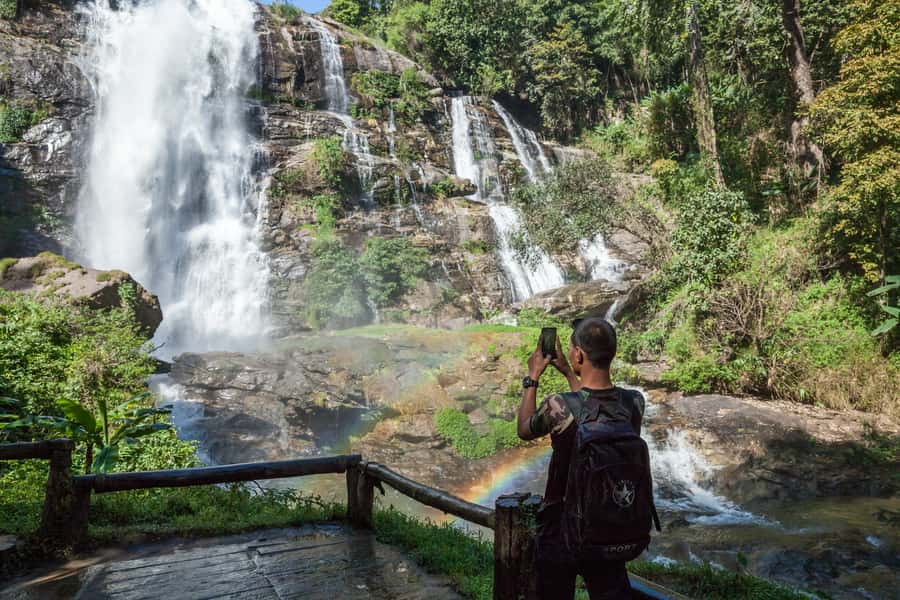
The final big nature payoff is Vachiratharn Waterfall. This is where the day’s effort usually pays off—water, sound, and a visual that feels like a reward after the road and the earlier stops.
You’ll spend around half an hour at the waterfall area, guided and sightseeing-focused. That’s long enough to find a good viewing spot, take photos, and appreciate the volume—without turning the day into a long hike.
The main variable is conditions. In rainy or misty weather, waterfalls can be powerful, but sometimes paths and viewpoints get slick or visibility gets reduced higher up. Still, most people rate this as a top moment of the trip.
Price and value: what $80 buys you in the real world
At around $80 per person for an 8-hour day, the question isn’t just price—it’s what’s included versus what you’d pay if you tried to assemble it yourself.
Here’s what you’re getting as part of the package:
- Hotel pickup and drop-off (within the listed service area near central Chiang Mai)
- 9-seater air-conditioned van
- English-speaking guide
- Entrance tickets to Doi Inthanon National Park and the twin pagodas
- Set menu lunch
- Drinking water and a refreshing towel
- Travel accident insurance
In practical terms, that’s a lot of “hidden costs” that can add up fast when you DIY: park entry fees, getting transportation to multiple highland stops, and booking a guide who knows the route and timing. The included lunch is especially valuable because it prevents you from hunting for a meal at the wrong time in a remote area.
So when this tour seems pricier than basic day trips, it’s often because it actually covers the big ticket items—entry plus lunch plus transport plus guide.
Guides make or break it: what the best days have in common
The standout pattern in the experience is guide quality. Multiple guides are named across bookings: Paul, Nong, Bee, John, Pae, Tor, Po, Kik, Ekk, and Mr. M. People consistently describe the guides as funny, approachable, and willing to explain the story behind each stop.
That matters because you’ll be moving through a lot of different settings—mountain summit areas, royal pagodas, rainforest trails, markets, and villages. Without good guiding, you’d just collect photos. With a strong guide, you understand why the shrine matters, what the pagodas commemorate, and how the hill-tribe and Karen village stops fit into the region’s food and daily rhythm.
One balanced note from the less perfect experiences: on a couple of days, language projection or listening clarity wasn’t ideal, and weather reduced what could be seen at altitude. Even then, the structure kept the day from feeling chaotic.
Logistics you should actually plan for
The tour is limited to a small group—up to 9 participants—which helps with comfort and questions. It also uses an air-conditioned van, which is a big deal on rural roads in Thailand.
What to bring:
- Comfortable shoes
- Sunglasses
- Jacket (the mountain air can be noticeably cooler)
Helpful approach:
- Wear light, comfortable clothes, and think layers. A hat and sweater are recommended in the trip details.
- Expect short walks, not long treks. This is a day of sightseeing, with trail time built in rather than a fitness challenge.
One more thing: pets aren’t allowed on this tour. If you have a furry travel buddy, you’ll need separate plans.
Is this the right tour for you?
This works best if you want a single day that hits the core Doi Inthanon highlights without stress: peak point, rainforest trail, twin pagodas, markets and villages, and the waterfall finale.
It may not be the best choice if:
- You have mobility concerns or need wheelchair-friendly access (the trip is listed as not suitable for wheelchair users and people with mobility impairments).
- You’re pregnant or have back/heart problems, since the day includes outdoor walking and mountain conditions.
- You hate fog or rain uncertainty. Weather can reduce visibility at the highest viewpoints and pagodas.
Should you book this Doi Inthanon day trip?
If you want an organized, included-value day trip—park entry, lunch, water, tickets, and guide—this is a strong pick. The small group size and repeated praise for guides, plus the Karen coffee and the waterfall, are the kind of payoff you remember.
My advice: book it, but go in with mountain-weather humility. Bring a jacket, keep expectations realistic for summit views on cloudy days, and focus on the full day experience—not just the single top viewpoint. If you do that, you’ll likely leave with both photos and stories that make northern Thailand feel personal.
FAQ
How long is the Chiang Mai: Doi Inthanon National Park with Ticket & Lunch tour?
It runs for about 8 hours, with hotel pickup and drop-off included and return around early evening.
Where do I get picked up in Chiang Mai?
You can choose from pickup options including your hotel (within the service area) and the Three Kings Monument area.
Is the entrance ticket to Doi Inthanon included?
Yes. Entrance tickets to Doi Inthanon National Park and the twin pagodas are included.
Is lunch included, and is it a set menu?
Yes. You get a set menu lunch at a local restaurant connected to the Royal Project, and lunch time is about 1 hour.
What’s included besides transportation and guide?
You get drinking water, a refreshing towel, and travel accident insurance. The guide is English-speaking.
What’s the group size?
It’s a small group limited to 9 participants.
What do I need to bring?
Bring comfortable shoes, sunglasses, and a jacket. Light, comfortable clothing is recommended.
Is this tour suitable for people with mobility issues or medical limitations?
No. It’s listed as not suitable for pregnant women, people with back problems, mobility impairments, heart problems, and wheelchair users.
Is it safe to assume I can cancel for a refund?
Yes. Free cancellation is available up to 24 hours in advance for a full refund.