REVIEW · HEALY
Canyon Run: Denali National Park Class IV Whitewater Rafting
Book on GetYourGuide →Operated by Denali Raft Adventures · Bookable on GetYourGuide
Cold water, big rapids, zero guesswork. This Canyon Run rafting trip turns the Denali National Park area into a real whitewater playground, with gear that keeps you warm and a guide who’s there to run the boat. I like that you can match the trip to your style: oar raft for a more relaxed ride, or paddle raft when you want to actively work the water.
The two things I appreciate most are the comfort setup and the way the adventure still feels “hands-on.” You’ll be kitted out in Gore-Tex dry suits plus neoprene boots and a life jacket, so you’re not just toughing it out. And on the paddle option, you’ll be coached to stay in sync, not just flailing at the oar.
One consideration: meals and drinks aren’t included, so plan on having food before and after the trip.
In This Review
- Key things to know before you go
- Class III–IV Whitewater in Denali: what that means for you
- Getting to the river: pickup, meeting point, and the drive toward Healy
- Your first step on the water: gear that actually keeps you comfortable
- Oar raft vs paddle raft: choose how you want to participate
- Oar raft: sit back, enjoy, and let the guide do the work
- Paddle raft: you drive the boat rhythm
- The rapids by name: Razorback, Coffee Grinder, Ice Worm
- A realistic timeline: what happens in a 3-hour rafting window
- Price and value: is $148 per person worth it?
- Who should book this Denali whitewater trip
- Tips to make it easier, warmer, and smoother
- Wear layers you can move in
- Don’t count on extra supplies
- Pick the raft style based on your energy level
- Should you book Canyon Run in Denali?
- FAQ
- How long is the Canyon Run rafting trip?
- Where do we meet, and how does pickup work?
- What rapids are included in the trip?
- What safety gear is provided?
- Is food or drinks included?
- What should I bring?
- What’s the difference between the oar raft and the paddle raft?
- What are the minimum ages for each raft option?
- Is there a minimum group size for the paddle raft?
- Can I cancel and get a refund?
Key things to know before you go
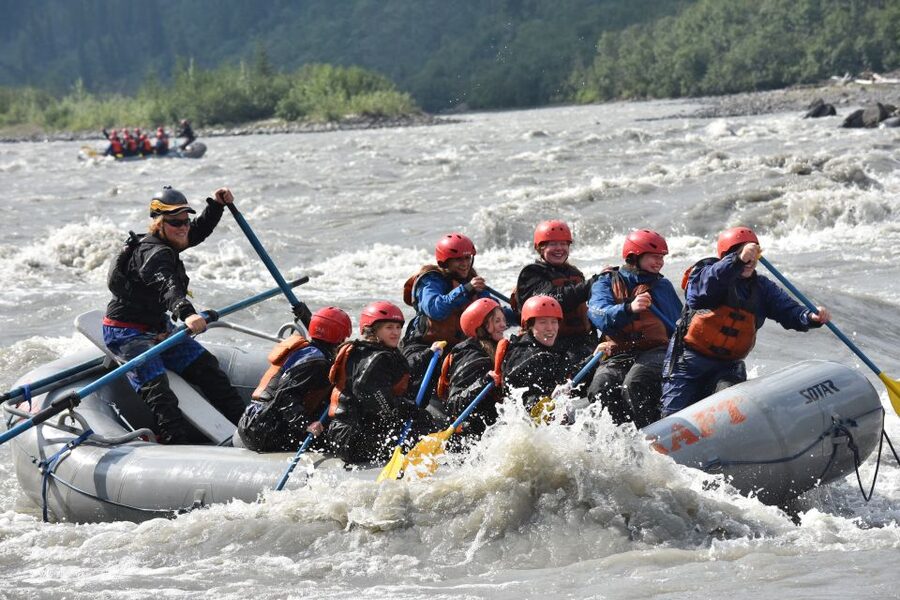
- Class III–IV rapids near Denali with a mix of named waves like Razorback, Coffee Grinder, and Ice Worm
- Gore-Tex dry suit comfort so you can focus on paddling and scenery, not shivering
- An 11-mile river run toward Healy built around a satisfying 3-hour total time window
- Oar raft vs paddle raft lets you choose how much work you want to do
- Optional hotel shuttle for an easier door-to-river-to-door flow
- Paddle raft needs 5 paddlers minimum, with groups combined if needed
Class III–IV Whitewater in Denali: what that means for you
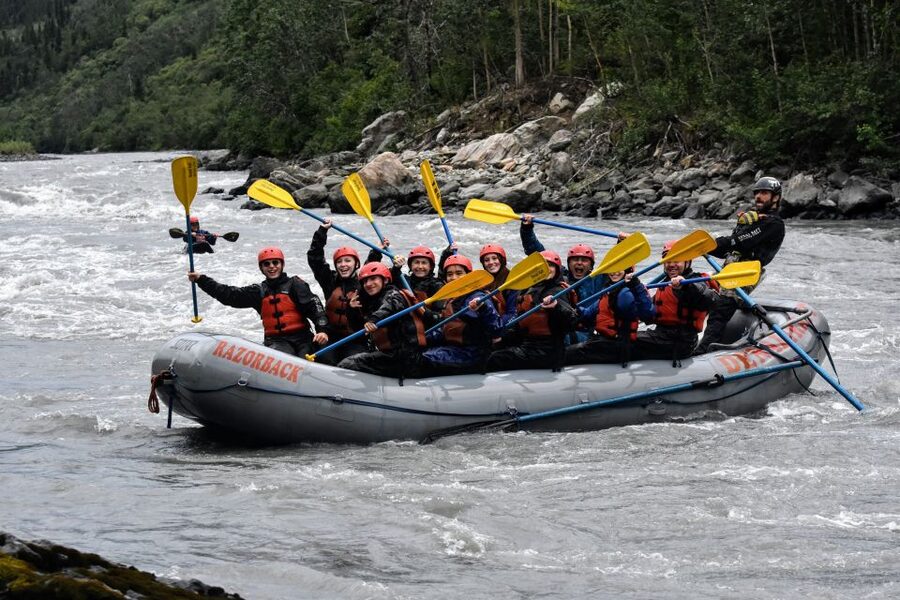
This is guided rafting on a Class III–IV stretch, which typically means stronger currents, more defined rapids, and a trip that feels exciting rather than just scenic. The good news is you’re not on your own out there. Your guide is running the boat line-by-line and giving clear instructions before you drop into the rough stuff.
The raft choice changes the vibe. On an oar raft, you’ll take in the views while the guide handles navigation. On a paddle raft, you’ll do the physical work of paddling in sync with the team. Importantly, both options run the same general rapid set for the day, so it’s not like you’re buying a “different” experience. You’re choosing your role in it.
If you want whitewater that feels legit but still guided and structured, this range is a sweet spot. You’ll get the adrenaline hit from rapids like Razorback, Coffee Grinder, and Ice Worm, without needing a background in rafting to enjoy it.
You can also read our reviews of more tours and experiences in Healy.

Getting to the river: pickup, meeting point, and the drive toward Healy
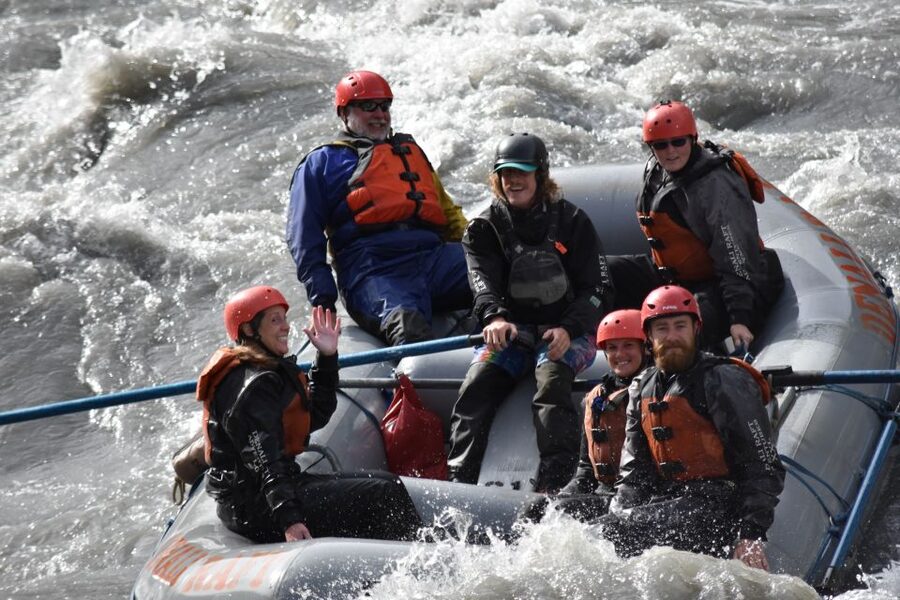
Your trip starts with pickup (optional) or meeting your guide at the designated meeting point, which can vary based on the option you book. If you choose shuttle service, the transport is from your chosen lodging, and you’ll also get a return transfer after rafting.
Then it’s time to head downriver toward Healy, with an 11-mile run of excitement and natural beauty. That “downriver” portion matters more than it sounds. It’s not just waiting around at the put-in. You’re moving through the corridor where the rapids show up, and you get time to settle in before the big moments.
Practical take: if you’re staying out of the immediate area, the optional shuttle is worth considering because it removes the stress of coordinating transport in Alaska-style distances. You can focus on getting warm, listening to instructions, and being ready when the boat hits the action.
Your first step on the water: gear that actually keeps you comfortable
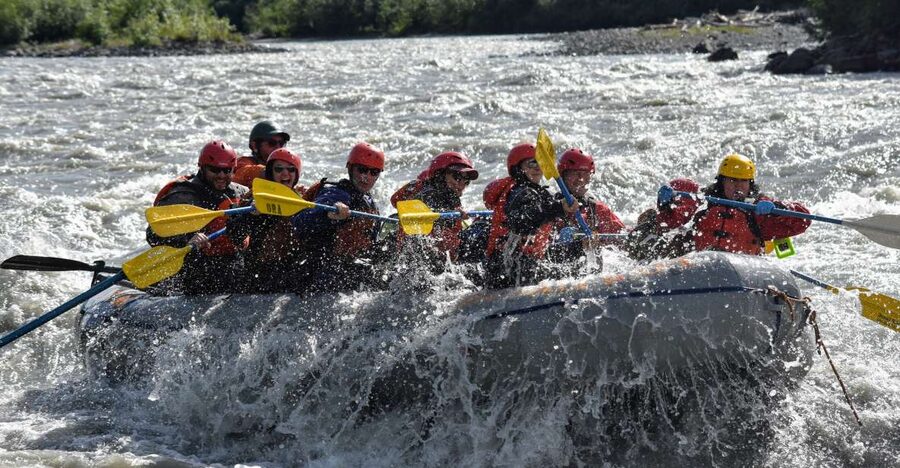
Before you hit the river, you’ll be outfitted with full safety gear, including a Gore-Tex dry suit, neoprene boots, and a life jacket. This is one of those details that doesn’t look dramatic in a brochure, but it changes how the whole day feels.
Dry suits help you stay warmer in cold water and wind, which means you can last through rapids without turning the trip into a shivering contest. Neoprene boots add grip and insulation, so you’re less worried about comfort while you’re bracing for impact and shifting your position in the raft.
And yes, you’ll still feel the river. Whitewater isn’t meant to be gentle. But the comfort system helps you enjoy the ride instead of spending the trip thinking about whether you’re going to get cold.
A few practical notes for your packing:
- Bring warm clothing (it’s listed as what you should bring, and it matters with Alaskan weather).
- If you want to protect your phone, you can purchase waterproof phone cases in the office. Personal waterproof bags or other gear aren’t provided.
Oar raft vs paddle raft: choose how you want to participate
You’ll pick between two rafting styles, both running the same Class III–IV rapids.
Oar raft: sit back, enjoy, and let the guide do the work
The oar raft is suitable for participants aged 12 and older. If your goal is to enjoy the scenery and the ride without focusing on paddling technique, this is the calmer choice. You’ll still get the excitement of real rapids, but your workload is lower.
Paddle raft: you drive the boat rhythm
The paddle raft is for ages 15 and older, and it requires at least 5 paddlers. When groups are short, teams may be combined to meet the minimum, so you’re not always stuck waiting for a perfect headcount.
If you like the idea of contributing to how the raft moves, the paddle option is where you feel more connected. You’ll get instructions to stay in sync, which is key on moving water. It’s not just “paddle hard.” It’s paddle together, react to the guide, and keep the rhythm so the boat doesn’t fight itself in the rapid.
For many people, paddle raft is the best fit when you want a challenge without needing advanced skills. The guide’s instructions do the heavy lifting; you bring the energy.
The rapids by name: Razorback, Coffee Grinder, Ice Worm
You’ll run several named rapids during the trip, including Razorback, Coffee Grinder, and Ice Worm. Having names is useful because it turns the trip into a story you can remember, not just a blur of water.
What you can expect across these rapids is a pattern you’ll recognize:
- You’ll get set up before key sections.
- The current tightens and the raft has to react to changing angles.
- You’ll brace, follow the guide’s cues, and feel the raft surge through the rough water.
Even without an ultra-detailed breakdown of each wave’s exact character, the names are a sign you’re hitting distinct trouble spots rather than one long stretch of the same action. That keeps the trip from feeling repetitive, and it gives you multiple moments that feel like a payoff.
A realistic timeline: what happens in a 3-hour rafting window
The full trip is listed at 3 hours (check availability for starting times). That’s a compact schedule for rafting, and it usually means:
- You’re not just on the river for the whole time.
- There’s a setup window for gear and instruction.
- You’re back to your meeting point (or your hotel if shuttle is chosen) soon after the run.
You’ll start with pickup or meeting your guide, then head downriver. Once the gear is on and you’re ready, the guided run takes you through the rapids near Denali Park and toward Healy. When the rafting part finishes, you’ll get transferred back to your hotel or the meeting point depending on what you selected.
Because meals and drinks aren’t included, I suggest planning around the timing. Eat before you go, and if you’re booking a later dinner, aim for a window where you’ll still have time to dry off, change, and feel human again.
Price and value: is $148 per person worth it?
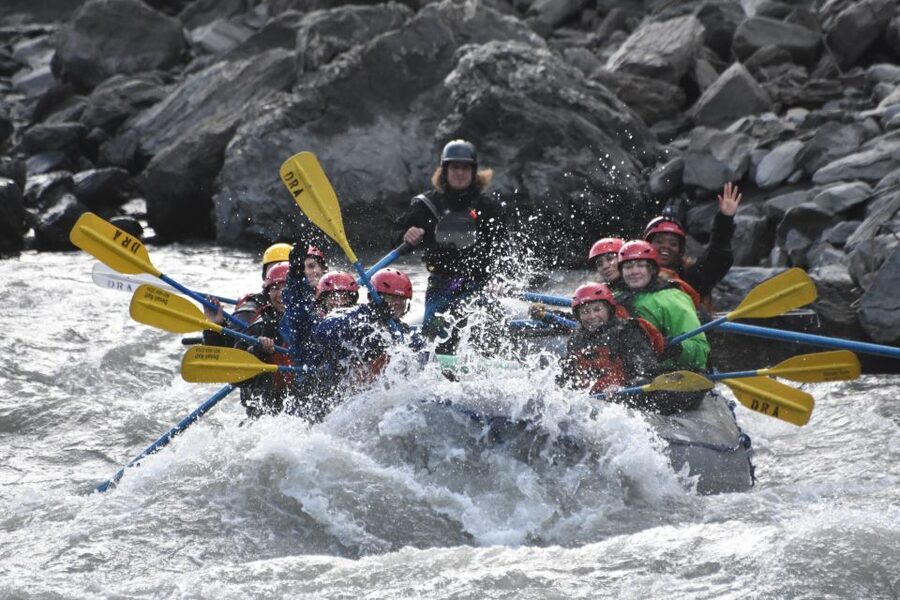
At $148 per person, this trip sits in a category where you should judge value by what’s included. And here, the package is doing a lot of work for you:
- Full safety gear, including a Gore-Tex dry suit, neoprene boots, and life jacket
- An expert guide running the trip and instructing you on how to ride safely
- Optional shuttle service that can simplify your day if your lodging is set up for pickup
The big value point is that the comfort gear (especially the dry suit) is included. That’s not just a nice-to-have in cold-water rafting; it’s what helps you enjoy the rapids instead of rushing through them.
The second value point is that you’re getting guided, structured rafting on a defined Class III–IV section. You’re not paying for “river access.” You’re paying for the expertise to navigate named rapids like Razorback and Coffee Grinder safely and clearly.
What you’ll pay out of pocket for: food and drinks. If you’re the type who likes a full meal after activities, budget for that. But overall, for a 3-hour whitewater experience with gear and guidance, the price feels aligned.
Who should book this Denali whitewater trip
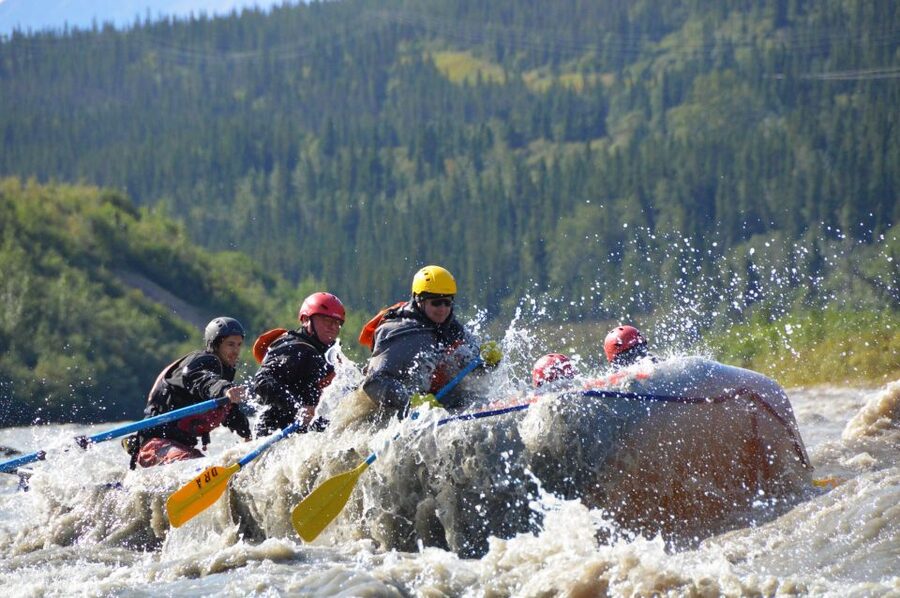
This rafting experience is a strong match if you want:
- Guided whitewater in the Denali National Park area
- A choice between oar (lower effort) and paddle (more active participation)
- A trip with warm-water gear included (dry suit setup)
It may not be the right fit if:
- Your group includes children under 12 (not suitable)
- Someone in your party is looking for a rafting experience without physical effort and coordination (paddle raft requires paddling in sync)
- You have a pre-existing medical condition (it’s stated as not suitable)
Also note the policy on minors: unaccompanied minors are not allowed, and minors under 18 must have a signed liability form. If you’re traveling with teenagers, plan ahead so paperwork is ready on the day.
Tips to make it easier, warmer, and smoother
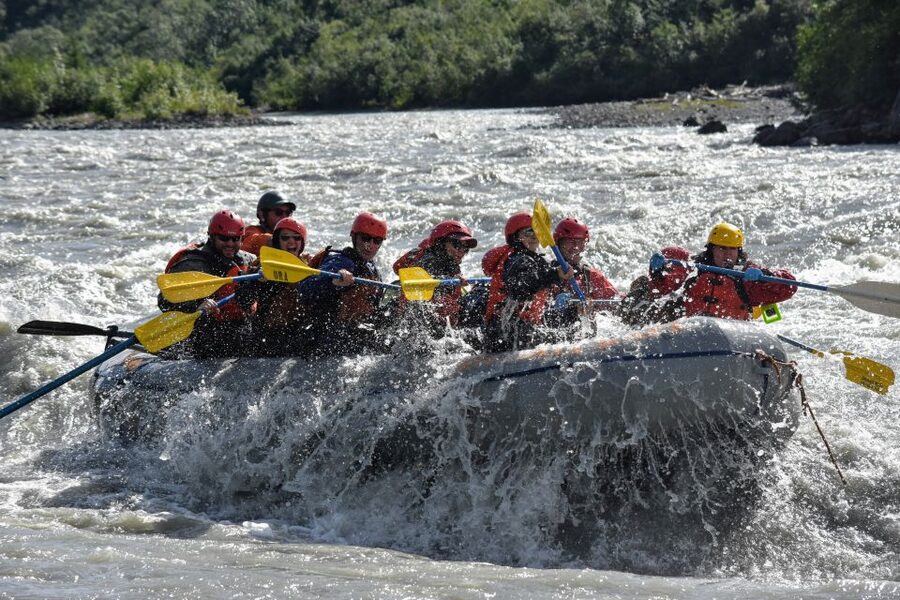
Here’s how you get the most out of the day with minimal stress.
Wear layers you can move in
You bring warm clothing, and the dry suit helps a lot, but layers under and around it can make a huge difference. Think warm, not bulky. If you can move comfortably, you’ll ride better.
Don’t count on extra supplies
Cameras, waterproof bags, and similar personal items aren’t provided. If you want to protect your phone, you can purchase waterproof phone cases at the office, so at least plan to handle that decision ahead of time.
Pick the raft style based on your energy level
If you want to enjoy the scenery and ride through rapids with less responsibility, choose the oar raft. If you want a more active role and you meet the age minimum, paddle rafting adds a sense of teamwork. And because both options run the same Class III–IV section, you won’t feel like you’re getting a lesser river.
Should you book Canyon Run in Denali?
I’d book this if you want a guided whitewater trip in the Denali area where the comfort factor is handled (dry suits included) and the adventure is real (Class III–IV rapids with named hits). The optional shuttle is also a practical win if you don’t want to manage transport before and after.
Skip it if you’re hoping for a family outing with very young kids or you need a trip that includes food and drinks. Also reconsider if anyone in your group has a medical condition that makes rafting unsafe for them.
If your group fits the age requirements, and you’re okay planning your own meals, this is a straightforward way to get an authentic whitewater experience without the learning curve or gear hassle.
FAQ
How long is the Canyon Run rafting trip?
The trip is about 3 hours total. Starting times depend on availability.
Where do we meet, and how does pickup work?
The meeting point can vary depending on the option you book. Pickup is optional, and if you choose shuttle service, the pickup is from your chosen lodging or meeting point.
What rapids are included in the trip?
The trip includes exciting rapids such as Razorback, Coffee Grinder, and Ice Worm, as part of the Class III–IV river section.
What safety gear is provided?
You’ll receive full safety gear, including a Gore-Tex dry suit, neoprene boots, and a life jacket.
Is food or drinks included?
No. Meals, snacks, and beverages are not provided.
What should I bring?
Bring warm clothing. Waterproof phone cases are available for purchase in the office.
What’s the difference between the oar raft and the paddle raft?
On an oar raft, you relax while your guide navigates. On a paddle raft, you actively paddle with instructions from your guide to stay in sync.
What are the minimum ages for each raft option?
The oar raft is suitable for ages 12 and older. The paddle raft is for ages 15 and older.
Is there a minimum group size for the paddle raft?
Yes. A minimum of 5 paddlers is required for the paddle raft, and groups may be combined to meet the minimum.
Can I cancel and get a refund?
You can cancel up to 24 hours in advance for a full refund. You can also reserve now and pay later.