REVIEW · CURACAO
National Park Jeep Safari
Book on Viator →Operated by Yellow Adventures Curacao · Bookable on Viator
Curacao’s mountains demand a 4×4. This day-long Christoffel National Park Jeep safari mixes big views with off-road driving, plus plantation stops and wildlife spotting hopes. I like that it’s set up for a small group (max 16), so you get a real guide—not a loud bus lesson.
Two things I really value here are the combination of nature and old island-era storytelling, and the hands-on experience of reaching places standard roads don’t serve. One thing to keep in mind: expect bumpy off-road stretches, and your midday plans can shift if weather or damaged areas affect access.
In This Review
- Key highlights at a glance
- Curacao Christoffel Jeep Safari: what you’re signing up for
- The 6-hour timing: how the day actually feels
- Stop 1: Flamingo Sanctuary Sint Willibrordus and the salt planes
- Curacao viewpoints and history talk: the driving time that’s not wasted
- Barber and Boca Patrick: light off-road on Curacao’s rough north shore
- Christoffel National Park: entering a mix of nature and older sites
- Mount Christoffel and the Orchid Trail: the special-access moment
- What wildlife watching can look like (and how to do it well)
- Price and value: is $108.98 reasonable?
- Lunch planning: how to handle the midday break
- Comfort tips for the bumpy off-road part
- Who should book this safari (and who should skip it)
- Should you book the National Park Jeep Safari?
- FAQ
- How long is the National Park Jeep Safari in Curacao?
- Does the price include hotel pickup and drop-off?
- Is lunch included?
- What group size can I expect?
- Will I receive a ticket on my phone?
- What should I know about the road conditions?
Key highlights at a glance
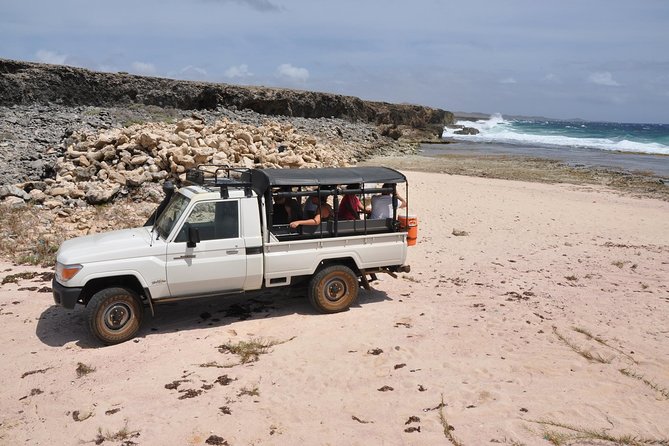
- Off-road access into Christoffel: drive close to wildlife areas and viewpoint flanks of the mountain
- Orchid Trail with special permission: the park’s orchid section can be visited when it’s in bloom
- Flamingo sanctuary and salt flats stop: a morning context-setting look at Curacao’s natural and colonial-era uses of land
- Rough north-shore photo stops: Boca Patrick-style scenery with big surf and coral rock formations
- Guide-led spotting: built-in chances to look for deer, hawks, and owls in the park
- Select hotel pickup plus bottled water: less hassle, more time outside
Curacao Christoffel Jeep Safari: what you’re signing up for
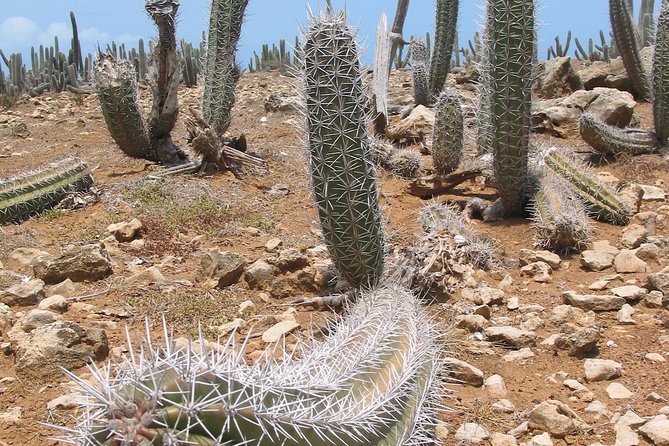
This isn’t a slow sightseeing cruise. You’re taking a Jeep into Curacao’s interior-style terrain to reach the kind of mountain country that’s hard to access on your own. The payoff is twofold: you get wider views than you’d get from town, and you get a better chance of seeing wildlife that stays away from paved roads.
What makes this safari appealing is that it doesn’t treat “nature” as a vague word. You’re going to salt flats and plantation areas in the morning, then into Christoffel National Park for a mix of rugged plants (cacti and orchids among them) and bird-life and small mammals. Guides are the engine here, and names that came up—like Alan, George, Gitland, and Mike—are consistently tied to answering questions beyond the usual checklist.
The 6-hour timing: how the day actually feels
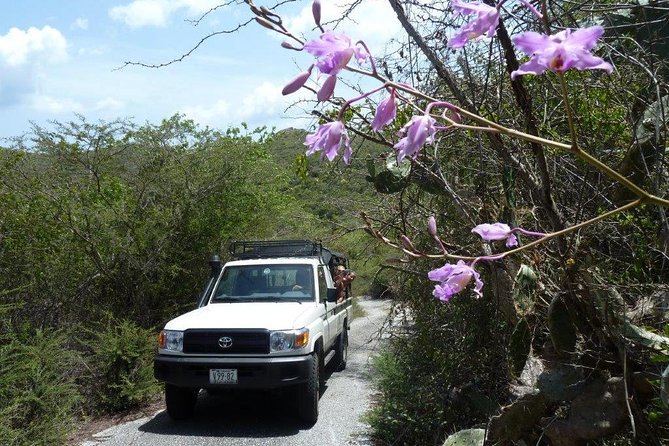
The tour runs about 6 hours and starts at 9:00am. Most days follow a tight rhythm: pickup or meet-up, a couple of stops that set the story of the island, then longer stretches in the park and on the rough north side where you’ll feel the Jeep doing its job.
Because it’s not an all-day marathon, you should treat it like an active “get the island in one shot” trip. If you’re the type who likes to linger, plan on making up time later with a separate self-guided afternoon—this safari is built to cover ground and deliver moments.
Group size matters, too. With a cap of 16 travelers, you can usually get closer to the guide when questions come up and you can hear what matters without losing the thread every few minutes.
Stop 1: Flamingo Sanctuary Sint Willibrordus and the salt planes
The first stop pairs a quick sightseeing moment with the island’s natural history. You’ll visit the Flamingo Sanctuary Sint Willibrordus area, and then head toward the salt planes tied to Plantation Jan Kok and Assecion. The goal isn’t just a pretty photo; it’s context—how the salt flats and plantation land uses shaped the landscape and local ecology.
You may see flamingos here, depending on conditions, but even without a close sighting, the setting helps you understand why Curacao’s environment looks the way it does. This is also where the day’s stories often start to feel more grounded: colonial-era land use, island nature, and how the ecosystems around salt and scrub can support wildlife.
A practical note: this part of the day is short (about 20 minutes listed for the sanctuary stop). If you’re hoping for flamingo action, I’d keep your camera ready and your expectations flexible.
Curacao viewpoints and history talk: the driving time that’s not wasted
Between the early stops, you get sightseeing time where the guide shares historical and general information about Curacao. This matters more than it sounds. On Curacao, a lot of the island’s meaning is in what you notice between towns: changes in vegetation, the shape of ridges, and the clues left by older land use.
Guides like George and Alan were specifically praised for connecting plants, geography, culture, and even food into answers that make the island feel less like a postcard. If you like to understand where you are—not just look at it—this is the part that keeps the tour from feeling like a checklist.
Barber and Boca Patrick: light off-road on Curacao’s rough north shore
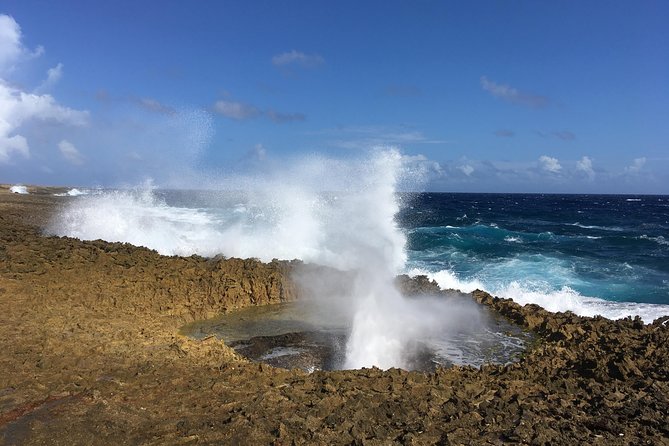
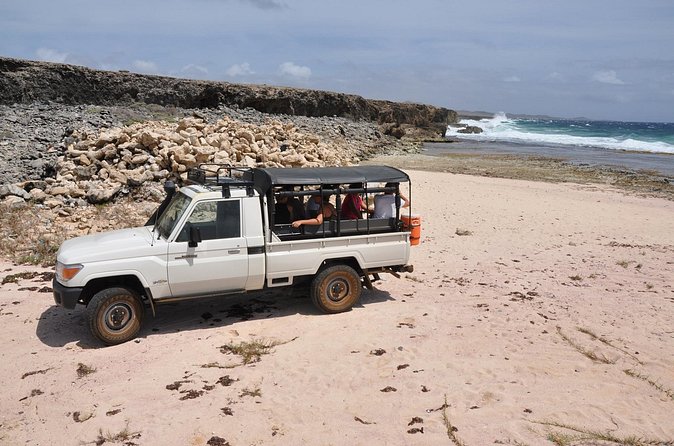
Next comes the off-road “why this has to be a Jeep” phase. You’ll head to the western part of the island and do light off-road driving to reach a Boca Patrick-style stop on the rough northern shore.
This is where you’ll feel the weather and the sea. Expect big waves, coral rock formations, and a lot of wind. Even if you’re not a hardcore photographer, you’ll want time here to watch the water and look at the geology up close. It’s the kind of place you can’t really replicate from a parking lot.
And yes, the ride can be bumpy. That shows up again and again in the feedback: off-road is part of the deal, and the comfort trade-off is worth it for people who enjoy being outside the car window watching the terrain change.
Christoffel National Park: entering a mix of nature and older sites
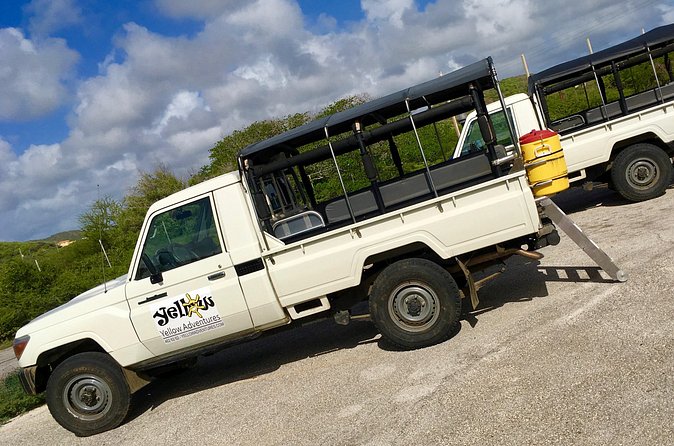
After the midday meal break (lunch isn’t included in the price), you continue and then enter Christoffel National Park. This is the heart of the tour, and it’s presented as a blend of natural spaces and historical sites. That combo can be especially satisfying if you like your scenery with a story attached.
You’ll also get a guided focus on what to look for. The park is framed around chances to spot birds like white-tailed hawks and owls, plus small wildlife activity. The guide’s job is to point out patterns you’d miss on your own—where animals tend to forage, what plant types grow in certain elevations, and which routes offer the best viewing angles.
One caution: the terrain and access inside parks can depend on conditions. There was at least one instance where a previously affected storm area caused closures, and that sort of interruption can change the exact route or viewpoints you’ll reach. If you’re booking with tight timing, keep some flexibility in your Curacao schedule.
Mount Christoffel and the Orchid Trail: the special-access moment
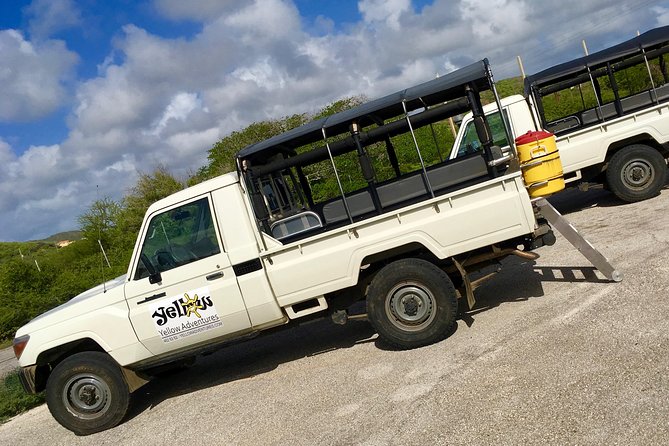
Mount Christoffel is where the tour’s tone shifts from driving excitement to slower, watchful time. You’ll have special permission to visit the Orchid Trail inside the national park. The tour notes that orchids flower in several periods during the year, so timing matters.
If orchids are in bloom when you go, you’ll get a focused view of one of Curacao’s most interesting plant stories—how these species manage to thrive in rugged, scrubby terrain. Even if blooms are lighter than you hoped, the trail still adds value by giving you a defined walking route rather than only passing through viewpoints in a vehicle.
This is also where you’re more likely to slow down, look for details, and listen. People often remember these moments because they feel different from “stop, photo, move on.”
What wildlife watching can look like (and how to do it well)
The tour is designed around wildlife spotting, but it’s smart to treat it as observation, not a guarantee. You’ll be on the lookout for deer foraging in rugged terrain, plus hawks and owls. In other words: you’ll learn where to look and what to watch for, but you’re not being promised a specific animal at a specific time.
Here are the ways to make your odds better without adding stress:
- Keep your eyes scanning low (foraging deer) and also up (birds of prey)
- Be ready for long stretches of “slow watching” rather than instant sightings
- Ask your guide what signs they look for, since they can point you to likely spots
This is another reason I like small groups here. With fewer people, the guide can manage spotting and actually help you see what you might otherwise miss.
Price and value: is $108.98 reasonable?
At $108.98 per person, this safari is priced like an experience that combines several things: national park access, off-road driving, and professional guiding. What helps the value is what’s included: hotel pickup and drop-off from select locations, bottled water, and all fees and taxes.
Lunch is the biggest missing piece. The tour doesn’t include lunch, so plan for a meal cost of your own during the day’s break. Still, for many people, that’s outweighed by the convenience of pickup and the fact you’re not paying separately for a guide plus specialized off-road access.
If you’ve been thinking about renting a 4×4 and plotting your own route, the appeal here is that you’re buying local navigation and interpretation. Guides like those mentioned—Alan, George, Gitland, Mike—were repeatedly praised for making the island make sense. That kind of context tends to be hard to replace if you’re driving solo.
Lunch planning: how to handle the midday break
Lunch is not included, and you’ll have time built in for a meal during the day. Some guides are known to stop at local spots and offer light options like sandwiches and salads, but the key point is simple: bring a snack mindset even if you plan to buy lunch.
If you’re sensitive to hunger, eat early in the day and pack a small backup snack. Also, don’t count on restaurant timing the way you would in town—this tour is working around park routes, viewing moments, and driving conditions.
Comfort tips for the bumpy off-road part
This is the part you should take seriously before you book, because it affects your enjoyment more than you might think. The ride can be bumpy, and the off-road time isn’t just a quick tease—it’s a real chunk of the experience.
To stay comfortable:
- Wear closed-toe shoes with grip
- Dress in layers because mountain air and wind can change how warm you feel
- Hold your phone/camera tight on rough sections
If you’re prone to motion sickness, consider taking precautions ahead of time. The goal of the day is the views and the wildlife, but your body needs to be ready for the ride.
Who should book this safari (and who should skip it)
I’d book it if you want Curacao’s interior-side nature and you enjoy active travel. It’s a great fit for people who like wildlife watching, don’t mind bumpy roads, and want a guide who can connect plants, geography, and island history into something you can actually remember.
It’s also a strong option for first-time island visitors who want more than beaches and town streets. The tour is explicitly designed to reach parts of Curacao most people can’t access as easily without specialized driving.
I’d think twice if you’re expecting a smooth, easy ride or if you need lots of time for long walks. Even though there’s an Orchid Trail moment, the day’s main structure is driving plus viewing stops.
Should you book the National Park Jeep Safari?
Book this if you’re excited by the idea of Christoffel National Park with an off-road component, and you want your day to include both nature and plantation-era context. The small group size, included guide and park access, and select hotel pickup make it feel like a well-run way to cover ground.
Skip or adjust expectations if bumpy terrain will frustrate you, or if you need a fully predictable schedule down to exact stops. This tour depends on conditions, and routes can shift when areas close or access changes.
FAQ
How long is the National Park Jeep Safari in Curacao?
The tour lasts about 6 hours.
Does the price include hotel pickup and drop-off?
Hotel pickup and drop-off are included from select hotels. The meeting point is Renaissance Parking in Willemstad.
Is lunch included?
No. Lunch is not included, so you’ll want to plan for a meal during the day’s break.
What group size can I expect?
The tour has a maximum of 16 travelers.
Will I receive a ticket on my phone?
Yes. The tour offers a mobile ticket.
What should I know about the road conditions?
This is an off-road Jeep experience with bumpy stretches in places, so it helps to dress for comfort and be ready for a rougher ride than on paved roads.